Ultimate Guide to Gourmet Seafood: From Baked Lobster to Thai Fried Rice
Seafood offers a remarkable spectrum of culinary possibilities, capable of transporting you from a luxurious, five-star dining experience to a vibrant, tropical street market with just a few key ingredients. Mastering seafood at home can feel intimidating, but it is one of the most rewarding skills a home cook can develop. This comprehensive guide will walk you through two spectacular, yet achievable, gourmet dishes: a rich and indulgent Cheesy Baked Lobster and a perfectly balanced Thai Pineapple Shrimp Fried Rice. We will delve into the nuances of preparation, cooking techniques, and flavor building, ensuring you can recreate these showstoppers with confidence and flair.
Mastering the Art of Cheesy Baked Lobster
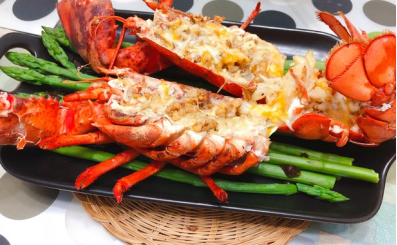
Baked lobster topped with a bubbling, golden cheese sauce is the epitome of culinary indulgence. It’s a dish that signals celebration and sophistication, yet its preparation is surprisingly straightforward. The key lies in using high-quality ingredients and understanding the core techniques for handling the lobster and creating a flawless sauce.
Sourcing and Preparing the Perfect Lobster Tails
The foundation of this dish is the lobster itself. While live lobster is an option, high-quality frozen lobster tails are more accessible and deliver excellent results. Look for tails that are firm and free of discoloration.
- Thawing: The best way to thaw frozen lobster tails is to place them in the refrigerator for 24 hours. This slow, gentle process preserves the delicate texture of the meat. If you’re short on time, you can place them in a sealed bag and submerge them in cold water for an hour or two.
- Preparation (Butterflying): To prepare the tails for the sauce, you need to “butterfly” them. Using a pair of sharp kitchen shears, cut down the center of the top shell, from the wide end to the base of the tail fin. Be careful to only cut the shell, not the meat. Gently spread the shell apart and lift the lobster meat out, leaving the very end of the tail connected to the base. Rest the meat on top of the shell. This presentation not only looks impressive but also allows the sauce to coat the meat evenly during baking.
Step-by-Step Guide to a Flawless Creamy Cheese Sauce
The sauce is what transforms the lobster into a truly decadent meal. This recipe uses a classic béchamel base, enriched with garlic and a blend of cheeses for ultimate flavor and texture.
Ingredients:
- Butter: Provides the rich base for the sauce.
- Garlic: Minced finely to infuse the sauce with aromatic flavor.
- All-Purpose Flour: Used to create a roux, which thickens the sauce.
- Heavy Cream & Milk: A combination that creates a perfectly rich but not overly heavy consistency.
- Cheeses: A blend of Parmesan for its nutty, salty flavor and Mozzarella for its superior melting qualities is ideal.
- Seasoning: Salt, black pepper, and a pinch of paprika for color and warmth.
- Fresh Parsley: For a touch of freshness and color as a garnish.
Instructions:
- Melt the butter in a saucepan over medium heat. Add the minced garlic and sauté for about one minute until fragrant.
- Whisk in the flour to form a paste (this is the roux). Cook for another minute, stirring constantly, to cook out the raw flour taste.
- Slowly pour in the milk and heavy cream while whisking continuously to prevent lumps from forming.
- Bring the sauce to a gentle simmer and cook until it thickens enough to coat the back of a spoon.
- Remove from the heat and stir in the shredded Parmesan and Mozzarella cheese until completely melted and smooth. Season with salt, pepper, and paprika.
The Baking Process: Achieving a Golden, Bubbly Finish
With your lobster prepped and sauce ready, the final step is assembly and baking.
- Preheat your oven to 400°F (200°C).
- Arrange the butterflied lobster tails on a baking sheet.
- Generously spoon the creamy cheese sauce over the exposed lobster meat, allowing it to cover the surface completely.
- Bake for 12-15 minutes, or until the lobster meat is opaque and cooked through, and the cheese topping is bubbly and lightly golden brown. For a more browned top, you can switch to the broiler for the last 1-2 minutes, watching carefully to prevent burning.
- Garnish with fresh chopped parsley before serving immediately.

Crafting Authentic Thai Pineapple Shrimp Fried Rice
Shifting from creamy European indulgence to the vibrant flavors of Southeast Asia, Thai Pineapple Shrimp Fried Rice is a feast for the senses. This dish is a masterful balance of sweet, savory, tangy, and spicy notes, with a wonderful array of textures from the soft rice, plump shrimp, crunchy cashews, and juicy pineapple.
The Secret to Perfectly Balanced Thai Flavors
The magic of this dish lies in the harmony of its ingredients. It is not merely fried rice with pineapple and shrimp; it’s a carefully constructed flavor profile. The key is the interplay between sweetness (from pineapple and raisins), saltiness (from soy sauce), umami (from fish sauce), and aromatic spice (from curry powder). No single flavor should dominate; they should all work together to create a complex and satisfying taste.
Essential Ingredients and Preparation
Success starts with having all your ingredients prepped and ready to go, as the cooking process is very fast.
- Jasmine Rice: It is crucial to use day-old, refrigerated rice. Freshly cooked rice is too moist and will result in a sticky, mushy fried rice. Chilled, older rice has a lower moisture content, allowing the grains to separate and fry perfectly.
- Shrimp: Use peeled and deveined shrimp. Pat them completely dry before cooking to ensure they sear rather than steam.
- Pineapple: Fresh pineapple chunks are highly recommended for the best flavor and texture.
- Aromatics: Finely chopped garlic and onion form the flavor base.
- Sauces: A mix of soy sauce and fish sauce provides the savory, umami backbone.
- Curry Powder: Adds a warm, aromatic spice that is characteristic of this dish.
- Add-ins: Roasted cashews for crunch, raisins for a pop of sweetness, and vegetables like carrots and peas for color and nutrition.
Step-by-Step Cooking Instructions
- Heat a wok or large skillet over high heat and add a neutral oil. Add the shrimp and cook for 1-2 minutes until pink and just cooked through. Remove from the wok and set aside.
- Add a bit more oil to the wok. Sauté the onion and garlic until fragrant.
- Add the day-old rice to the wok, using a spatula to break up any clumps. Stir-fry for 2-3 minutes, ensuring each grain is coated in oil and heated through.
- Push the rice to one side of the wok. Add the curry powder, soy sauce, and fish sauce to the empty side and let them sizzle for a few seconds before tossing everything together with the rice.
- Add the pineapple chunks, carrots, peas, and raisins. Continue to stir-fry for another 2 minutes until the vegetables are tender-crisp.
- Return the cooked shrimp to the wok along with the roasted cashews. Toss everything together to combine and ensure it’s all heated through.
The Ultimate Presentation: Serving in a Pineapple Boat
For a truly stunning presentation, serve the fried rice inside a hollowed-out pineapple half. To do this, slice a pineapple in half lengthwise. Use a knife to score around the inside perimeter and then make crisscross cuts through the flesh. Use a spoon to scoop out the pineapple chunks, which you can then use in your recipe. The resulting hollow “boat” is the perfect vessel for your finished dish.
Pro Tips for Elevating Your Seafood Dishes
Whether you’re making a rich baked dish or a zesty stir-fry, a few professional tips can take your seafood cooking to the next level. Paying attention to these details ensures consistently delicious results.
Perfect Pairings: What to Serve With Your Dishes
The right accompaniment can enhance your main course. For the Cheesy Baked Lobster, consider serving it with a simple green salad with a lemon vinaigrette to cut through the richness, or some steamed asparagus. A crisp, unoaked white wine like a Sauvignon Blanc or Pinot Grigio is an excellent beverage pairing. For the Thai Pineapple Shrimp Fried Rice, the dish is a complete meal on its own. However, a side of sliced cucumbers can provide a refreshing contrast. Pair it with a light lager, Thai iced tea, or a slightly off-dry Riesling.
Common Mistakes to Avoid When Cooking Seafood
The most common mistake with any seafood is overcooking. Lobster meat should be just opaque, and shrimp should be just pink and curled. Cooking them even a minute too long can result in a tough, rubbery texture. Another mistake, particularly with fried rice, is using freshly cooked rice. Always plan ahead and use rice that has had time to dry out in the refrigerator. Finally, don’t overcrowd the pan when searing shrimp, as this will cause them to steam instead of developing a nice color and flavor.
Storing, Reheating, and Advanced Techniques
Properly handling leftovers is key to enjoying your gourmet creations a second time. Seafood can be delicate, so reheating requires a gentle approach to preserve its texture and flavor.
How to Properly Store Leftover Seafood
Allow any leftovers to cool to room temperature, but do not leave them out for more than two hours. Store the baked lobster or fried rice in an airtight container in the refrigerator. For best quality, consume within 2 days. The flavors of the fried rice can often meld and become even better the next day, but the texture of the seafood is always best when fresh.
The Best Way to Reheat Lobster and Fried Rice
To reheat the Cheesy Baked Lobster, it’s best to use an oven. Place it in an oven-safe dish, add a splash of milk or water to prevent it from drying out, cover with foil, and heat at 325°F (160°C) until warmed through. Avoid the microwave, as it can make the lobster rubbery. For the Thai Pineapple Shrimp Fried Rice, the best method is to stir-fry it in a hot wok or skillet with a tiny bit of oil. This revives the texture and reheats it quickly and evenly. You can also microwave it in short bursts, stirring in between, but the stovetop method yields superior results.
Frequently Asked Questions (FAQ)
- Can I use frozen lobster tails for the baked lobster recipe?
- Absolutely. High-quality frozen lobster tails are an excellent and convenient choice. The most critical step is to thaw them properly—ideally overnight in the refrigerator—to maintain the best possible texture of the meat.
- What is the best type of rice for Thai fried rice?
- Thai Jasmine rice is the classic and best choice for its fragrant aroma and soft texture. The most important rule, regardless of the rice variety, is that it must be cooked and chilled beforehand. Day-old, refrigerated rice is essential for achieving the perfect non-clumpy texture.
- How do I prevent my shrimp from becoming tough and rubbery?
- The key to tender shrimp is to avoid overcooking. Shrimp cook very quickly, often in just 2-3 minutes. Cook them just until they turn pink and opaque and form a ‘C’ shape. If they curl into a tight ‘O’ shape, they are likely overcooked. Searing them quickly over high heat is the best method.
- Can I make the cheese sauce for the lobster ahead of time?
- Yes, you can prepare the cheese sauce a day in advance. Store it in an airtight container in the refrigerator with a piece of plastic wrap pressed directly onto the surface to prevent a skin from forming. When you are ready to use it, gently reheat it in a saucepan over low heat, whisking until smooth. You may need to add a splash of milk to thin it to the desired consistency.
- Is fish sauce necessary for the pineapple fried rice?
- For an authentic Thai flavor, fish sauce is highly recommended. It provides a unique savory and umami depth that soy sauce alone cannot replicate. If you have an allergy or strong aversion, you can substitute it with additional soy sauce or a vegan fish sauce alternative, but the final flavor profile will be slightly different.