The Ultimate Guide to Japanese Comfort Food: Mastering Tofu, Oden, and Ramen
Japanese cuisine, or Washoku, is often celebrated for its precision and seasonal focus, but at its heart lies a category of “soul food” that prioritizes warmth, texture, and deep umami flavors. These dishes are designed to soothe the spirit, whether it is through a steaming bowl of dashi-soaked tofu, a communal pot of winter stew, or a complex bowl of noodle soup. Understanding these dishes requires looking beyond the surface-level ingredients to the fundamental techniques of broth-making, temperature control, and the balance of salty, sweet, and savory elements.
The Delicate Art of Agedashi Tofu: Texture and Umami
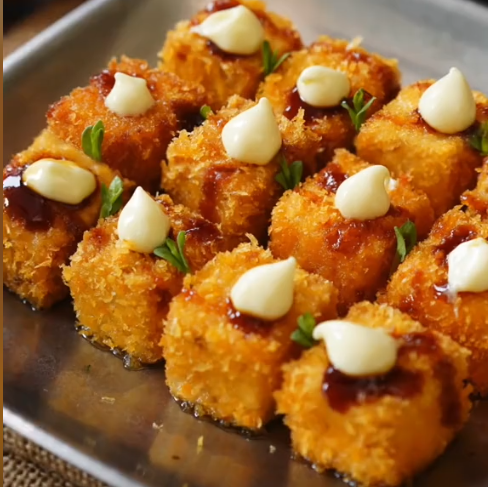
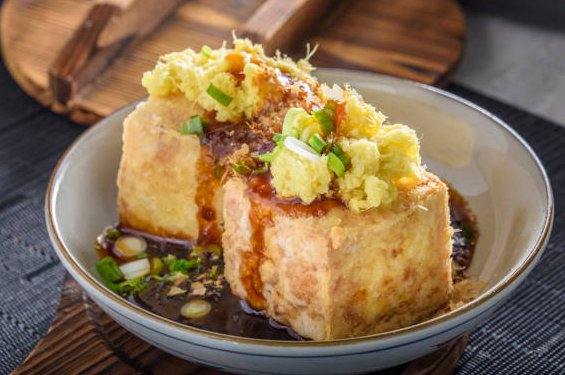
Agedashi Tofu is a cornerstone of Japanese Izakaya culture and home cooking alike. It represents a perfect study in contrasts: a crisp, thin exterior that yields to a creamy, custard-like interior, all submerged in a savory-sweet Tentsuyu broth. Unlike heavy western frying techniques, the Japanese approach focuses on lightness and the preservation of the tofu’s natural flavor.
Selecting and Preparing the Tofu
The success of this dish begins with the selection of the tofu. While Silken Tofu (Kinu-tofu) offers the most luxurious mouthfeel, it is notoriously difficult to handle during the frying process. Many home chefs prefer Firm Tofu (Momen-tofu) for its structural integrity. Regardless of the type, the most critical step is “Sui-kiri” or water removal. By pressing the tofu between paper towels for 15-30 minutes, you ensure that the coating adheres properly and the oil does not splatter excessively. This process concentrates the soy flavor and creates a denser, more satisfying bite.
The Secret of the Starch Coating
The characteristic translucent, slightly chewy crust of Agedashi Tofu is achieved through the use of Potato Starch (Katakuriko) rather than wheat flour. Katakuriko creates a gluten-free barrier that turns gelatinous when it hits the hot broth, allowing the tofu to soak up the sauce without becoming soggy immediately. The tofu must be coated immediately before frying to prevent the starch from absorbing moisture and becoming gummy.
- Frying Temperature: The oil should be maintained at 170°C to 180°C (340°F-350°F). Frying in small batches prevents the temperature from dropping, ensuring a golden, non-greasy finish.
- The Tentsuyu Broth: A classic ratio of 4:1:1 (Dashi, Soy Sauce, and Mirin) is brought to a simmer. This broth provides the essential salt and sweetness that cuts through the richness of the fried coating.
- Garnish Logic: Traditional toppings like grated Daikon Radish, finely chopped scallions, and Katsuobushi (bonito flakes) are not merely decorative. The radish aids digestion, while the bonito flakes add a final layer of smoky umami.
Oden: The Heartwarming Soul of Japanese Winter Cuisine
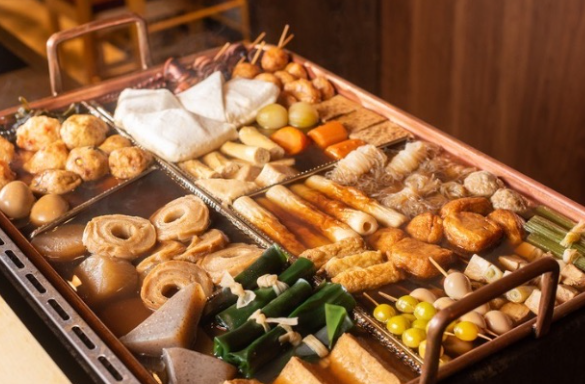
Oden is more than just a stew; it is a communal experience. Typically enjoyed during the colder months, this “one-pot” (Nabemono) dish consists of various ingredients simmered for hours in a light, soy-flavored dashi. The magic of Oden lies in the synergy of flavors—as the ingredients simmer, they release their essence into the broth while simultaneously absorbing the savory liquid.
The Architecture of an Oden Pot
Building a proper Oden requires an understanding of how different ingredients interact with the broth. Some ingredients provide structure, while others act as sponges for flavor. Common components include:
| Ingredient | Role in the Dish | Preparation Tip |
|---|---|---|
| Daikon Radish | The “King” of Oden; absorbs the most broth. | Parboil in rice-water to remove bitterness before adding to the main pot. |
| Konnyaku | Provides a unique, chewy texture and zero calories. | Score the surface in a diamond pattern to help the broth penetrate. |
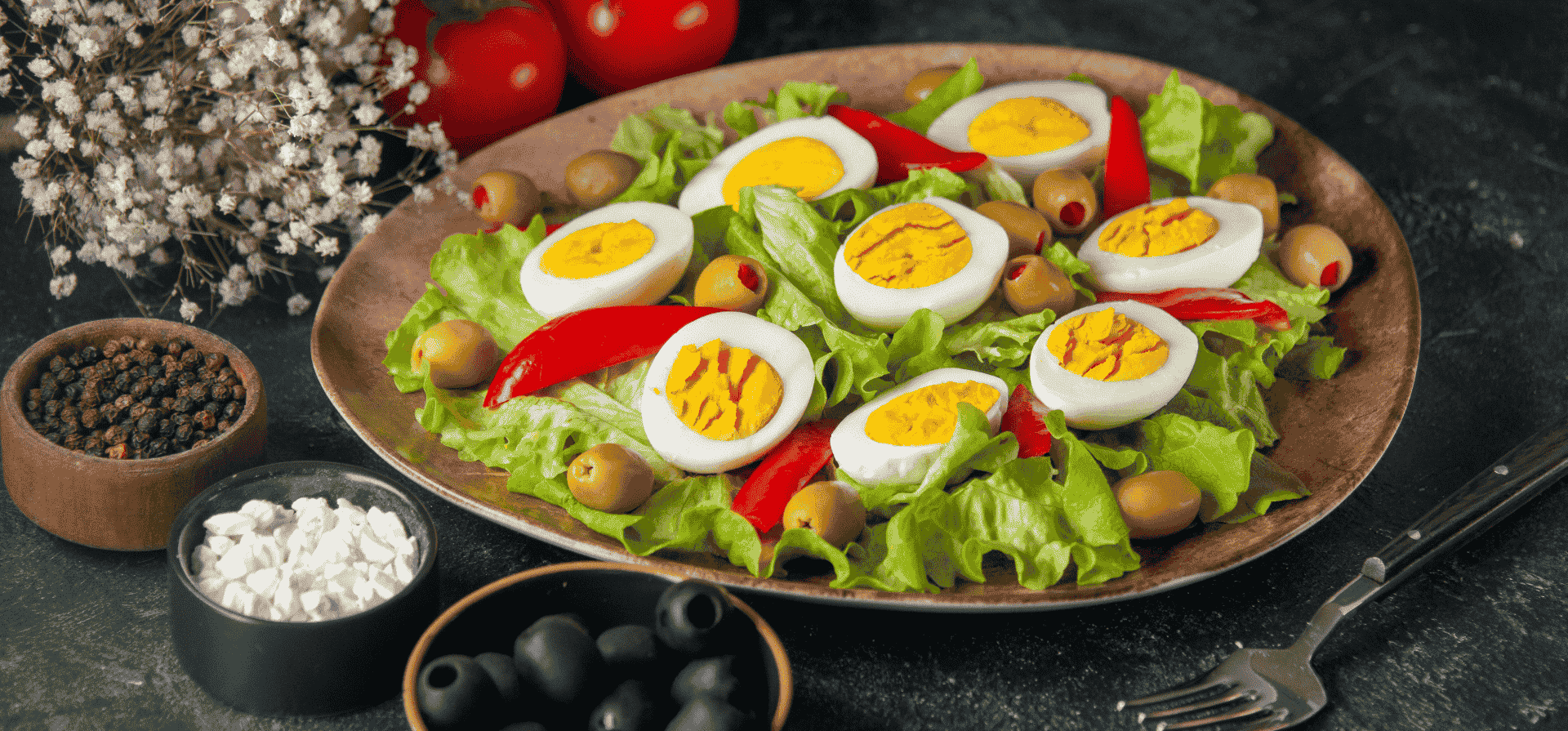
| Boiled Eggs | Provides richness and protein. | Simmer until the whites turn a deep tan color from the soy sauce. |
| Nerimono (Fish Cakes) | Adds sweetness and seafood depth. | Blanch in hot water briefly to remove excess surface oil. |
Simmering Techniques for Maximum Depth
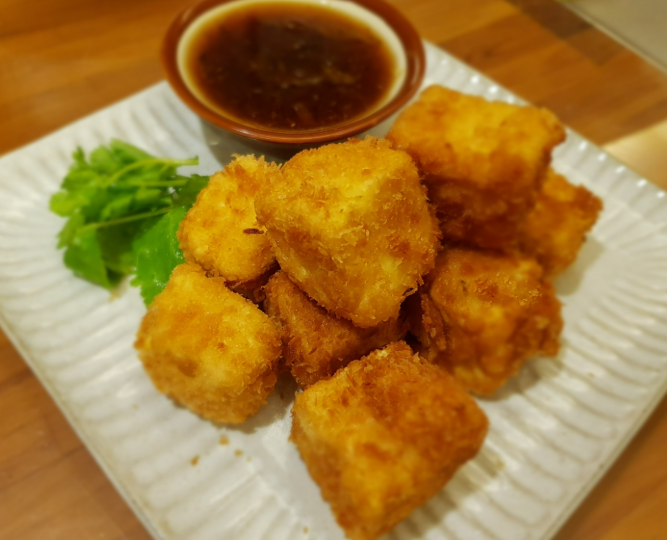
The hallmark of a professional Oden is a clear, yet deeply flavorful broth. To achieve this, the heat must never reach a rolling boil. A gentle simmer prevents the delicate fish cakes from falling apart and keeps the broth from becoming cloudy. Many practitioners believe that Oden is actually better the second day, as the cooling and reheating process allows the flavors to penetrate to the very center of the dense ingredients like Daikon and Atsu-age (deep-fried tofu blocks).
The Architecture of Ramen: Exploring Tradition and Craftsmanship
Ramen has evolved from a simple street food to a global culinary phenomenon. It is defined by its complexity, where four distinct elements—Broth, Tare, Noodles, and Toppings—must harmonize perfectly. Unlike other soups, Ramen is built in the bowl, allowing for infinite customization and regional variations.
The Four Pillars of a Ramen Bowl
To understand Ramen, one must break down its structural components. Each element requires specific technical knowledge to master:
- The Broth (Dashi/Soup): This is the foundation. It can be “Chintan” (clear) or “Paitan” (cloudy). While Tonkotsu (pork bone) is famous for its creamy fat content, many traditional recipes use a blend of chicken carcasses, kombu, and dried sardines (niboshi) to create a multi-layered profile.
- The Tare (Seasoning): This is the concentrated salt or flavor base placed at the bottom of the bowl. It determines the “type” of Ramen: Shio (Salt), Shoyu (Soy Sauce), or Miso. The tare provides the punch that defines the bowl’s character.
- The Noodles: Ramen noodles are unique because of Kansui (alkaline water). This ingredient gives the noodles their yellow hue, firm texture, and ability to withstand hot soup without becoming mushy. The “hydration ratio” of the noodle is adjusted based on the broth thickness.
- The Aroma Oil: A final layer of fat—such as blackened garlic oil (Mayu) or chicken fat (Chiyu)—is drizzled on top to seal in heat and provide an immediate olfactory impact.
Regional Styles and Evolution
From the heavy, garlic-laden bowls of Sapporo Miso Ramen to the delicate, seafood-forward Shoyu Ramen of Tokyo, the dish reflects local climates and preferences. Modern Ramen “craftsmanship” (Kodawari) involves sourcing specific wheat varieties for noodles and aging the broth for 24-48 hours to extract every molecule of collagen and flavor. It is a dish that rewards patience and scientific precision.
Key Elements of the Japanese Pantry for Home Chefs
To recreate these comfort foods authentically, a home chef must stock specific staples. These ingredients are the building blocks of umami and provide the “Japanese” taste profile that distinguishes these dishes from other Asian cuisines.
The Holy Trinity: Soy Sauce, Mirin, and Sake
Most Japanese sauces and broths are variations of these three liquids. Soy Sauce (Shoyu) provides salt and fermentation depth. Mirin is a sweet rice wine that adds a subtle luster to sauces and balances saltiness. Sake is used to tenderize meats and remove “fishy” odors from seafood components. When used together, they create the classic “Amakara” (sweet-salty) flavor profile found in everything from Oden to Ramen tare.
Dashi: The Invisible Foundation
Dashi is the “soul” of Japanese cooking. Unlike Western stocks that take hours, a basic Kombu and Katsuobushi Dashi can be made in 20 minutes. It provides a clean, oceanic umami that acts as a flavor enhancer for vegetables and proteins. For vegetarians, a dashi made from dried Shiitake mushrooms and Kombu offers a similarly deep, earthy profile that works exceptionally well in Agedashi Tofu.
Frequently Asked Questions (FAQ)
- Q1: What is the best type of tofu for frying at home?
- For beginners, Firm Tofu (Momen) is recommended as it holds its shape better during the frying and flipping process. However, if you want the most authentic “custard” texture, use Silken Tofu (Kinu) but ensure it is very well-drained and handled with extreme care using a slotted spoon.
- Q2: Can I reuse the broth from Oden?
- Yes! In fact, many specialized Oden shops use a “master stock” that is topped up daily. At home, you can strain the broth and freeze it. The next time you make Oden, this “aged” broth will have significantly more complexity than a fresh batch.
- Q3: Why are Ramen noodles yellow if they don’t contain eggs?
- The yellow color is a chemical reaction between the wheat flour and “Kansui” (alkaline mineral water). This alkaline component also gives the noodles their specific “springy” texture and prevents them from dissolving in the hot, acidic broth.
- Q4: Is there a substitute for Mirin in these recipes?
- If you cannot find Mirin, you can substitute it with Sake mixed with sugar (roughly 3 parts Sake to 1 part sugar). While it won’t provide the exact same glossy finish, it will provide the necessary sweetness and alcohol content to balance the flavors.
- Q5: How do I keep the coating on my fried tofu from falling off?
- The key is moisture control. You must pat the tofu dry with paper towels until the surface is matte. Additionally, coat the tofu in potato starch only seconds before it enters the oil. If the starch sits on the tofu for too long, it absorbs moisture, turns into a paste, and will peel off in the fryer.