The Historical Roots of Spanish Rice Cultivation
To truly understand Spanish rice, one must travel back to the 8th century when the Moors first introduced Oryza sativa (rice) to the Iberian Peninsula. The word for rice in Spanish, “arroz,” is directly derived from the Arabic “al-ruzz,” highlighting this enduring cultural and agricultural legacy. The Moors brought not only the grain but also the sophisticated irrigation systems—known as acequias—that transformed the marshlands of Valencia into fertile agricultural powerhouses.
The Albufera lagoon in Valencia became the epicenter of this agricultural revolution. This unique microclimate, characterized by its shallow, nutrient-rich waters and Mediterranean sun, provided the perfect environment for short-grain rice to thrive. Over centuries, what began as a peasant crop evolved into the foundational pillar of Spanish gastronomy, bridging the gap between the humble field worker and the royal banquet table.

Essential Techniques for the Perfect Paella
Cooking authentic Spanish rice is an exercise in precision, patience, and sensory awareness. Unlike Italian risotto, which requires constant stirring to release starches and create a creamy texture, Spanish rice demands absolute stillness once the broth is added. This undisturbed cooking process is what allows the grain to absorb the maximum amount of flavor while remaining distinct and separate.
The Chemistry of the Socarrat
The crown jewel of any authentic paella is the socarrat—the caramelized, toasted layer of rice that forms at the very bottom of the pan. This is not burnt rice; it is the result of the Maillard reaction. As the liquid evaporates, the remaining fats and starches fry the bottom layer of grains. Achieving this requires mastering the heat: a high flame to bring the broth to a boil, a steady simmer to cook the grain, and a final, careful blast of heat to toast the bottom just before resting.
Selecting the Right Grain
Not all rice is created equal when it comes to Spanish cuisine. The structural integrity of the grain is paramount. Short-grain varieties from the Valencia region are uniquely capable of absorbing up to three times their volume in liquid without bursting or turning mushy.
| Rice Variety | Absorption Capacity | Best Culinary Application |
|---|---|---|
| Bomba | Very High (3x volume) | Traditional Paella Valenciana (Forgiving for beginners) |
| Senia / Bahia | High (2x volume) | Seafood Rice (Exceptional flavor absorption, requires precision) |
| Calasparra | Medium-High | Soupy Rice (Arroz Caldoso) and complex stews |

Regional Variations and Emotional Connections
In Spain, rice is much more than sustenance; it is a catalyst for human connection. The emotional memory tied to Spanish rice is universally anchored to Sunday afternoons. The ritual of gathering around a massive, shallow steel pan transcends generations. Traditionally, paella is eaten directly from the pan using a wooden spoon. This egalitarian practice strips away formalities, creating a shared experience where everyone is equal around the fire.
Geographically, the dish morphs to reflect the local terroir. In Alicante, you will find “Arroz a Banda,” a dish born from fishermen who cooked rice in the intensely flavored leftover fish broth. In Catalonia, “Arròs Negre” utilizes squid ink to paint the grains a striking black, pairing the briny depth of the sea with vibrant, garlic-heavy allioli. Each variation carries the emotional weight and historical footprint of its specific region.

Pro Tips and Expert Advice for Home Cooks
Transitioning from a casual cook to a master of Spanish rice requires abandoning shortcuts. The soul of the dish lies in the foundational steps that build layers of flavor long before the rice even touches the pan.
- The Sofrito is Sacred: Take your time reducing the tomatoes, garlic, and sweet paprika. This concentrated flavor base is the anchor of your dish.
- Invest in Saffron: Avoid artificial food coloring (colorante). Authentic saffron threads provide not only the iconic golden hue but also a delicate, earthy floral note that cannot be replicated.
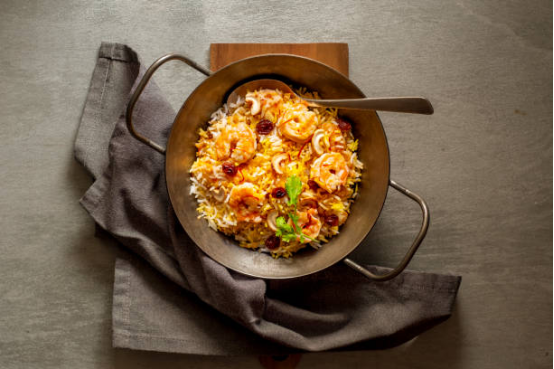
- Use the Right Pan: A traditional carbon steel paella pan is wide and shallow. This maximizes the surface area, ensuring the rice cooks in a thin layer (ideally no more than half an inch thick) for optimal flavor absorption and socarrat formation.
- Rest Before Serving: Always let the rice rest off the heat for 5 to 10 minutes, covered loosely with newspaper or a clean towel. This allows the remaining moisture to redistribute and the starches to set.
Frequently Asked Questions (FAQ)
- Why is my paella rice mushy?
- Mushy rice is typically caused by two errors: using the wrong type of rice (like long-grain or arborio) or stirring the rice after the broth has been added. Stirring breaks the grain’s surface and releases starch, turning the dish gummy.
- Can I make authentic Spanish rice without a paella pan?
- While a traditional wide, shallow pan is best for achieving the correct liquid evaporation and a good socarrat, you can use a large, wide skillet in a pinch. The key is ensuring the rice layer remains as thin as possible.
- What is the proper ratio of broth to rice?
- The ratio depends heavily on the grain. For Bomba rice, the standard is 1 part rice to 3 parts broth. For Senia or standard short-grain, it is closer to 1 part rice to 2 or 2.5 parts broth. Always have extra hot broth on hand just in case.
- How do I know when the socarrat has formed?
- Listen and smell. You will hear the bubbling liquid transition into a distinct crackling and popping sound as the water disappears and the fats begin to fry the rice. You should also smell a nutty, toasted aroma. If it smells like acrid smoke, pull it off the heat immediately.
- Is chorizo traditionally used in Paella Valenciana?
- No. Traditional Paella Valenciana strictly uses rabbit, chicken, flat green beans, and garrofón (lima beans). Adding chorizo is considered a major culinary faux pas in Valencia, as its strong paprika fats overpower the delicate balance of saffron and rosemary.