The Culinary Jewels of Turkey: Baklava, Manti, and Beyond
Turkish cuisine stands as a vibrant testament to centuries of cultural exchange, historical depth, and unparalleled culinary artistry. It is a tapestry woven with threads from Central Asia, the Middle East, the Mediterranean, and the Balkans, resulting in a gastronomic landscape that is as diverse as it is delicious. At its heart lie dishes that are not merely food, but emblems of identity, hospitality, and shared heritage. Among these, two stand out as global ambassadors of Turkish flavor: the exquisitely sweet and layered Baklava, and the meticulously crafted, savory Manti dumplings. This comprehensive guide delves into the origins, preparation, cultural significance, and regional nuances of these and other Turkish culinary treasures, inviting you to explore the profound stories embedded within each bite.
Baklava: A Sweet Legacy Crowned in Layers
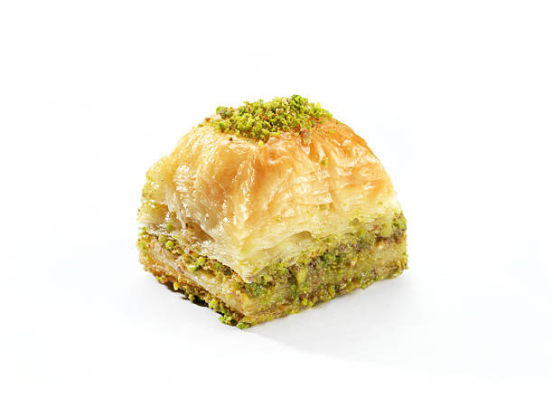
Baklava is more than just a dessert; it is a monument to patience, precision, and an enduring sweet tradition. Its history is as rich and layered as the pastry itself, tracing its origins back through the annals of the Ottoman Empire and further into the Turkic migrations of Central Asia. While many cultures lay claim to similar layered pastries, the Turkish rendition, particularly that from Gaziantep, has achieved legendary status, earning a protected designation of origin by the European Union.
The Historical Journey and Cultural Resonance of Baklava
The earliest forms of layered dough desserts are believed to have existed in ancient Mesopotamia. However, it was during the Ottoman Empire that Baklava truly evolved into the refined delicacy recognized today. Palace kitchens, with their vast resources and skilled chefs, perfected the art of rolling paper-thin dough (yufka or filo) and layering it with nuts and syrup. Baklava became a staple of celebrations, religious holidays, and official ceremonies, symbolizing prosperity, generosity, and the sweetness of life. The act of serving Baklava to guests is a profound gesture of hospitality, an intrinsic part of Turkish social fabric.
Anatomy of a Masterpiece: Ingredients and Preparation
The creation of authentic Turkish Baklava is an art form demanding considerable skill and dedication. The core components are deceptively simple, yet their execution is what elevates the dish:
- Yufka (Filo Dough): The soul of Baklava lies in its incredibly thin, translucent sheets of dough. Traditionally, this dough is hand-rolled to near transparency, a process that requires years of practice. Modern techniques often utilize machine-made filo, but the essence remains the same: multiple layers contribute to its characteristic crunch.
- Finely Chopped Nuts: The choice of nuts is crucial. While walnuts are common, pistachios, particularly those from Gaziantep, are considered the gold standard, imparting a vibrant green hue and a distinct, rich flavor.
- Clarified Butter (Sade Yağ): Generous brushing of melted, clarified butter between each layer of yufka is essential. It provides the richness, helps crisp the dough, and prevents sticking.
- Sugar Syrup: A simple syrup made from sugar, water, and often a squeeze of lemon juice or a hint of rosewater or orange blossom water, is poured over the baked Baklava. The syrup must be absorbed evenly, transforming the crisp dough into a moist, sweet delight.
The meticulous process involves layering dozens of buttered yufka sheets, sprinkling nuts every few layers, baking until golden brown, and then drenching the hot pastry with cool syrup, allowing it to soak completely.
Diverse Forms and Regional Specialities
While the classic diamond-cut Baklava is ubiquitous, Turkish cuisine boasts a fascinating array of Baklava variations:
- Gaziantep Baklava: Renowned for its abundant use of bright green pistachios and a perfect balance of sweetness and texture, it holds a geographical indication.
- Kuru Baklava (Dry Baklava): Contains less syrup, making it crispier and allowing for longer storage, often preferred for gifting.
- Saray Sarması (Palace Roll): A rolled form of Baklava, often filled with walnuts or pistachios, presenting an elegant spiral.
- Bülbül Yuvası (Nightingale’s Nest): Shaped like a bird’s nest, often filled with a single pistachio or almond, offering a different textural experience.

Manti: The Savory Journey of Turkish Dumplings
From the sweet embrace of Baklava, we transition to the savory heartiness of Manti, a dish that tells a compelling story of migration, adaptation, and culinary ingenuity across the vast Eurasian steppe. These small, flavorful dumplings are a cornerstone of Turkish comfort food, cherished for their intricate preparation and the communal joy they bring.
From Central Asia to Anatolia: The Manti Migration
The journey of Manti is intrinsically linked to the nomadic Turkic tribes of Central Asia. As these tribes migrated westward along the Silk Road, they carried with them their culinary traditions, including the practice of stuffing dough with meat. The word “Manti” itself is believed to derive from the Chinese “mantou,” a type of steamed bun, highlighting the ancient connections and influences that shaped its evolution. Upon arriving in Anatolia, Manti assimilated into local culinary practices, evolving into the distinct Turkish varieties known today, becoming a beloved dish in homes from Kayseri to Istanbul.
The Art of Crafting the Perfect Turkish Dumpling
Making Manti is a labor of love, often a family affair, where generations gather to fold hundreds of tiny parcels. The process, while meticulous, is deeply rewarding:
- The Dough: A simple dough of flour, water, and salt is rolled out thinly, much like pasta dough, but firm enough to hold its shape during cooking.
- The Filling: The classic filling consists of finely minced beef or lamb, mixed with finely chopped onions, salt, and black pepper. Some regional variations might include herbs or other spices. The key is a lean, flavorful meat mixture.
- The Folding: This is where the artistry comes in. The rolled-out dough is cut into small squares (typically 1-2 cm). A tiny amount of filling is placed in the center of each square, and then the corners are pinched together to form a small, delicate parcel. The size is often a point of pride, with Kayseri Manti famously being so small that “40 fit on a spoon.”
- Cooking: Manti are traditionally boiled in water or meat broth until tender. Some varieties, like Sini Manti, are baked.
Diverse Regional Interpretations and Serving Rituals
The beauty of Manti lies in its regional diversity, each area boasting its unique style and serving traditions:
- Kayseri Manti: The most famous variation, originating from the city of Kayseri in Central Anatolia. These are exceptionally small, often served with a generous dollop of garlic-infused yogurt and a drizzle of melted butter infused with red pepper flakes (pul biber) and dried mint. The small size is a mark of a skilled cook.
- Sini Manti (Tray Manti): Larger dumplings, often baked on a tray rather than boiled. They develop a slightly crispy bottom and are then sauced with yogurt and butter.
- Hingel: A larger, often potato-filled Manti, more common in eastern Turkey and the Caucasus region, reflecting cross-cultural influences.
- Tatar Böreği: Triangle-shaped Manti, often associated with Tatar communities, offering a different presentation and texture.
- Bosnak Manti (Bosnian Manti): Larger, often baked, and sometimes filled with a more spiced meat mixture, showcasing Balkan influences.
The serving of Manti is incomplete without its signature accompaniments: creamy garlic yogurt that provides a tangy contrast, and a vibrant, sizzling butter sauce infused with paprika or chili flakes and dried mint, adding richness and a burst of flavor. A sprinkle of sumac often provides an additional tart note.

Beyond the Icons: Exploring Turkey’s Broader Culinary Landscape
While Baklava and Manti represent pinnacle achievements in Turkish cuisine, they are merely two stars in a vast and glittering constellation of flavors. The true depth of Turkish gastronomy extends far beyond these celebrated dishes, encompassing a rich array of ingredients, cooking techniques, and dining customs that reflect the nation’s diverse geography and history.
The Foundations of Turkish Cooking: Freshness and Flavor
Turkish cuisine is built upon a foundation of fresh, seasonal ingredients. The fertile lands of Anatolia yield an abundance of vegetables, fruits, herbs, and spices, which are utilized to their fullest potential. Olive oil is a cornerstone, particularly in the Aegean and Mediterranean regions, lending a delicate richness to countless dishes. Spices are used judiciously, enhancing natural flavors rather than overpowering them, with staples like red pepper flakes, mint, cumin, and sumac appearing frequently.
- Mezes: Small plates that kick off any Turkish meal, ranging from vibrant vegetable dishes like ezme (spicy tomato dip) and patlıcan salatası (eggplant salad) to creamy yogurt dips and stuffed vine leaves (yaprak sarma). They embody the communal spirit of Turkish dining.
- Kebabs: Beyond the familiar döner, Turkey offers an astonishing variety of kebabs, each with unique preparations and regional styles. From the spicy Adana kebab to the milder Urfa kebab, or the delicate şiş kebab, they showcase the mastery of grilling and meat preparation.
- Soups and Stews: Hearty soups like mercimek çorbası (lentil soup) and rich stews like güveç (meat and vegetable casserole baked in earthenware) provide warmth and sustenance, especially during colder months.
- Seafood: With its extensive coastline, Turkey boasts a rich seafood tradition. Fresh fish, simply grilled or pan-fried, is a highlight, especially in coastal cities like Istanbul and İzmir.
The emphasis is always on balance, freshness, and the harmonious blending of textures and tastes.
The Culture of Sharing and Hospitality
Food in Turkey is inextricably linked to hospitality (misafirperverlik). Meals are rarely solitary affairs; they are opportunities for families and friends to gather, share stories, and reinforce bonds. The table is often laden with an abundance of dishes, encouraging diners to sample a variety of flavors. The offering of food and drink to guests is considered a sacred duty, a reflection of generosity and respect. This communal aspect elevates Turkish dining beyond mere sustenance to a profound cultural experience.

Mastering Turkish Flavors: Tips for Home Cooks and Travelers
For those inspired to recreate the magic of Turkish cuisine at home or to fully immerse themselves in its wonders during a visit, a few guiding principles can enhance the experience. Understanding the nuances of ingredients, techniques, and dining etiquette is key to truly appreciating the depth of this culinary tradition.
Sourcing Authentic Ingredients for Home Cooking
To capture the true essence of Turkish dishes like Baklava and Manti, seeking out authentic ingredients is paramount:
- Filo Dough: While hand-rolling yufka is a challenge for most home cooks, high-quality, thin machine-made filo dough is readily available in international or Middle Eastern grocery stores. Ensure it is fresh and handled carefully to prevent tearing.
- Pistachios: For Baklava, opt for unsalted, shelled Antep pistachios if possible. Their vibrant green color and distinct flavor are unparalleled. For Manti, fresh, lean ground beef or lamb is crucial.
- Spices: Stock up on Turkish red pepper flakes (pul biber), sumac, dried mint, and cumin. These foundational spices will elevate the authenticity of your dishes.
- Yogurt: Use a thick, plain, full-fat yogurt for Manti, ideally homemade or a good quality Greek-style yogurt, to achieve the desired creamy texture and tang.
Don’t be afraid to experiment, but always prioritize fresh, high-quality components, as they form the backbone of any delicious Turkish meal.
Embracing Turkish Cooking Techniques
While some Turkish dishes may seem complex, many rely on fundamental cooking principles:
- Slow Cooking: Many stews and meat dishes benefit from long, slow simmering, allowing flavors to meld and meats to become incredibly tender.
- Grilling: Master the art of grilling for kebabs, achieving a perfect char while keeping the meat juicy.
- Layering Flavors: Pay attention to the sequence of adding ingredients and spices to build complex flavor profiles, especially in dishes like Manti sauce.
- Precision in Pastry: For Baklava, precision in layering and buttering is crucial for that characteristic flaky texture.
Experiencing Turkish Cuisine as a Traveler
For those visiting Turkey, the culinary journey is an adventure in itself. Here are some tips to maximize your experience:
- Explore Local Markets: Visit vibrant bazaars and farmers’ markets to see the array of fresh produce, spices, and local delicacies.
- Try Street Food: Don’t shy away from street vendors offering everything from simit (sesame bread rings) to midye dolma (stuffed mussels) and grilled fish sandwiches.
- Dine at Esnaf Lokantası: These traditional tradesmen’s restaurants offer home-style Turkish cooking at affordable prices, often with a rotating menu of daily specials.
- Indulge in Dessert Shops: Seek out specialized Baklava shops (baklavacı) and traditional patisseries for an authentic sweet experience.
- Embrace Tea and Coffee Culture: Turkish tea (çay) is a staple, offered everywhere. Don’t forget to try strong, aromatic Turkish coffee.

Conclusion: A Taste of Turkish Heritage
The culinary landscape of Turkey is a testament to its rich history, diverse geography, and the warm hospitality of its people. From the intricate layers of Baklava, a sweet echo of Ottoman grandeur, to the humble yet exquisite Manti, a savory link to Central Asian nomadic traditions, Turkish cuisine offers a journey for the senses and a profound insight into a vibrant culture. These dishes are more than just food; they are stories told through flavor, traditions passed down through generations, and invitations to share in the joy of communal dining.
Embracing Turkish food, whether by attempting to recreate its masterpieces at home or by savoring its authentic flavors on a journey through Anatolia, is to partake in a heritage that continues to captivate and delight palates worldwide. It is a cuisine that celebrates freshness, artistry, and the enduring power of food to bring people together, leaving a sweet and savory imprint on the heart long after the last bite.
Frequently Asked Questions (FAQ)
- Q1: What distinguishes Baklava from other nut-filled pastries found globally?
- Turkish Baklava is primarily distinguished by its incredibly thin, hand-rolled yufka (filo) dough layers, often numbering 40 or more, and the specific method of pouring cool syrup over hot pastry. While similar pastries exist in the Balkans and Middle East, Turkish Baklava often uses clarified butter for richness, and specific nuts like Antep pistachios, with regional variations meticulously defining its texture and sweetness balance.
- Q2: How does Kayseri Manti differ from other Turkish Manti varieties?
- Kayseri Manti is famous for its exceptionally small size, often cited that “40 pieces fit on a spoon,” signifying the cook’s skill. This small size allows for a higher surface-to-filling ratio, providing a delicate texture. It is traditionally served with garlic yogurt and a rich butter sauce infused with red pepper flakes and dried mint, a combination that is characteristic of this regional specialty.
- Q3: Is it difficult to make Baklava or Manti at home for a beginner?
- Both Baklava and Manti can be challenging for beginners due to the precision required. Hand-rolling yufka for Baklava is a highly skilled task, though store-bought filo can simplify this. Manti requires patience for rolling thin dough and meticulously folding numerous tiny dumplings. However, with clear instructions, good quality ingredients, and a willingness to practice, home cooks can certainly achieve delicious results, even if not perfectly traditional on the first attempt.
- Q4: What are some other must-try Turkish desserts besides Baklava?
- Beyond Baklava, Turkish cuisine offers a delightful range of desserts. Highly recommended are künefe (a hot, cheese-filled shredded wheat pastry soaked in syrup), sütlaç (creamy baked rice pudding), aşure (Noah’s Pudding, a rich grain and fruit pudding), and lokum (Turkish Delight), especially those flavored with rosewater, pistachio, or lemon.
- Q5: What is the significance of yogurt and butter sauce with Manti?
- The garlic yogurt and chili butter sauce are integral to the Manti experience. The yogurt provides a crucial tangy contrast and cooling effect to the rich meat filling. The melted butter, often infused with paprika or chili flakes (pul biber) and dried mint, adds a layer of warmth, spice, and aromatic depth, elevating the overall flavor profile and creating a harmonious balance that defines Turkish Manti.