The Ultimate Guide to Culinary Crabs: Soft-Shell, Swimming, and King Crab
The world’s oceans and lakes are home to a vast array of crustaceans, but few capture the culinary imagination quite like crabs. From the fleeting seasonal delicacy of the soft-shell crab to the robust, preserved flavors of pickled swimming crab and the unparalleled luxury of the Arctic King Crab, each variety offers a unique story of biology, tradition, and taste. This guide provides an in-depth exploration of these three distinct types of crab, covering their life cycles, harvesting challenges, and the culinary techniques that transform them from aquatic creatures into celebrated dishes on tables around the globe.
The Delicate Marvel: Understanding Soft-Shell Crabs
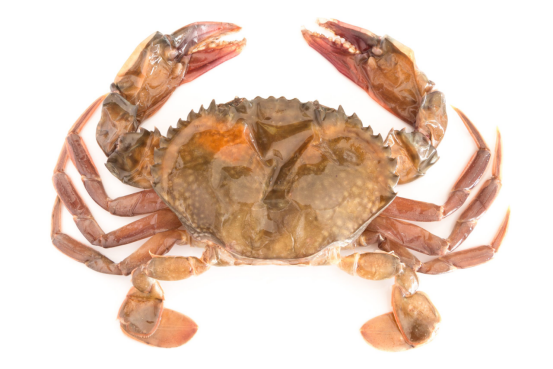
The term soft-shell crab does not refer to a specific species but rather a biological stage that various crab species, most notably the blue crab, undergo. It represents a brief, vulnerable period in a crab’s life when it sheds its old, hard exoskeleton to grow a new, larger one. This natural process, known as molting, creates a short-lived culinary treasure that can be cooked and consumed in its entirety, shell and all.
The Biological Miracle of Molting
For a crab to grow, it must break free from its rigid shell. The process begins with the crab absorbing seawater, which causes it to swell and crack open its old carapace. It then painstakingly backs out of this old shell, leaving behind a perfect husk. In the immediate aftermath, the crab’s new, larger skeleton is soft and pliable, resembling parchment paper. This is the precise moment it becomes a “soft-shell.” This state is fleeting; within a matter of hours, the new shell begins to harden as it absorbs minerals from the water, a process called calcification. Fishermen must therefore identify and isolate crabs on the verge of molting to harvest them at the perfect time.
Seasonality and Harvesting: A Race Against Time
The availability of soft-shell crabs is strictly seasonal, typically spanning from spring to early autumn, depending on water temperatures. Harvesting is a labor-intensive practice. Watermen monitor their crab pots for “peelers”—crabs showing signs of an impending molt, such as a faint line on their swimming fins. These peelers are transferred to controlled shedding tanks where they can be observed around the clock. Once a crab molts, it is immediately removed from the water to halt the hardening process, ensuring it remains a true soft-shell. This meticulous process is why fresh soft-shell crabs are considered a seasonal delicacy and command a higher price.
Culinary Preparations: Savoring the Entire Crab
The unique appeal of soft-shell crabs lies in their edibility. Once properly cleaned, the entire crab—legs, claws, and body—can be eaten. The flavor is sweeter and more delicate than that of a hard-shell crab, with a texture that is simultaneously tender, juicy, and slightly crisp when cooked.
- Sautéed or Fried: The most classic preparation involves dredging the crab in seasoned flour and pan-frying it in butter or oil. This method creates a perfectly crispy exterior while keeping the inside succulent. It is often served in a sandwich with a simple remoulade or as a standalone entrée with a lemon-butter sauce.
- Grilled: Grilling imparts a smoky flavor that complements the crab’s natural sweetness. A light brushing of olive oil and a sprinkle of salt and pepper are all that is needed before placing it on the grill for a few minutes per side.
- Tempura-Battered: In Japanese cuisine, soft-shell crabs are often prepared tempura-style, resulting in a light, airy, and exceptionally crispy crust that provides a delightful textural contrast.

The Art of Preservation: The Legacy of Pickled Swimming Crabs
Long before refrigeration, pickling was an essential method for preserving the ocean’s bounty. The pickled swimming crab is a testament to this tradition, a dish that transforms fresh crab into a flavor-packed delicacy with a long shelf life. This culinary practice is not just about preservation; it’s an art form that creates complex layers of taste, blending the natural sweetness of the crab with the salty, savory, and sometimes spicy notes of the pickling brine.
From Ancient Necessity to Modern Delicacy
The history of pickled seafood is rooted in the need to store perishable catches for extended periods. Coastal communities around the world developed their own unique recipes for brines and marinades. The swimming crab, known for its tender meat and vibrant flavor, proved to be an excellent candidate for this process. Over generations, what began as a survival technique evolved into a celebrated culinary tradition. The recipes were refined, with each region adding its own signature ingredients, such as soy sauce, garlic, ginger, chili, and various spices, turning a simple preserved food into a complex and craved dish.
The Flavor Alchemy of Pickling
The pickling process is a form of chemical cooking. The high-salt concentration in the brine not only inhibits bacterial growth but also denatures the proteins in the crab meat, “cooking” it without heat and infusing it with flavor. The result is a texture that is firm yet tender and a taste profile that is intensely savory and rich in umami. The marinade penetrates deep into the crab, ensuring every bite is saturated with the complex flavors of the brine. This method highlights a different aspect of the crab’s flavor, moving beyond its fresh sweetness to create something more profound and lasting.

The Arctic Giant: The Prized King Crab of Norway
In the frigid, deep waters of the Barents Sea off the coast of Norway lives one of the world’s most coveted seafood luxuries: the King Crab. Renowned for its colossal size and exceptionally sweet, succulent meat, this crustacean is the subject of an extreme fishing industry that pits hardy fishermen against some of the harshest conditions on Earth. Its journey from the icy seabed to a fine dining plate is one of adventure and unparalleled quality.
Braving the Barents Sea: The Perils of the Hunt
King crab fishing is not for the faint of heart. It is considered one of the most dangerous professions in the world. Fishing crews venture into the Arctic waters, often during volatile weather, to lay and retrieve heavy crab pots from depths of hundreds of meters. The work is physically demanding, the conditions are freezing, and the risk is constant. This high-stakes environment and the intense labor required to harvest these giants are significant factors contributing to their high market price. The fishery is also strictly regulated to ensure sustainability, with quotas limiting the catch to maintain a healthy crab population.
What Makes King Crab a Coveted Luxury?
The allure of the King Crab lies in its impressive characteristics. A single leg can yield a substantial amount of thick, tender meat, far more than most other crab species. The flavor and texture are considered the pinnacle of crab meat:
- Unmatched Sweetness: King Crab meat has a distinct, rich sweetness that is more pronounced than that of other crabs.
- Succulent Texture: The meat is firm, fibrous, and incredibly moist, pulling away in large, satisfying chunks.
li>Purity of Flavor: Due to its life in the pristine, cold Arctic waters, its flavor is clean and unadulterated, with a subtle hint of briny ocean.
These qualities make it a centerpiece ingredient, requiring minimal adornment to shine.
Simple Elegance: Cooking King Crab to Perfection
Because King Crab is almost always pre-cooked and flash-frozen on the fishing vessels to preserve its freshness, preparing it is remarkably simple. The goal is to gently heat it without overcooking, which can make the meat tough. The most popular methods focus on preserving its natural flavor and texture.
- Steaming: This is the most common method. Placing the legs in a steamer basket over boiling water for just a few minutes warms them through perfectly, retaining their moisture.
- Grilling: For a touch of smoky flavor, crab legs can be brushed with butter and grilled for a short time. The high heat caramelizes the natural sugars in the meat.
- Baking: Wrapping the legs in foil with butter, garlic, and herbs and baking them is another gentle way to heat them while infusing them with subtle flavors.
King Crab is most often served simply with a side of melted butter and lemon wedges, allowing its magnificent flavor to be the star of the show.

A Comparative Guide to Crab Flavors and Textures
Understanding the differences between these three remarkable crabs is key to appreciating their unique culinary roles. While all are celebrated delicacies, they offer vastly different dining experiences. Choosing the right crab depends entirely on the desired flavor profile, texture, and preparation method for your dish.
Soft-Shell vs. Pickled Swimming vs. King Crab
A direct comparison highlights their distinct characteristics. This table breaks down the key attributes of each crab type, from how they are consumed to their core sensory profiles.
| Attribute | Soft-Shell Crab | Pickled Swimming Crab | King Crab |
|---|---|---|---|
| Primary Form | Whole, post-molting | Preserved in brine/marinade | Legs and claws, cooked/frozen |
| Edible Parts | Entire crab (shell included) | Body and claw meat | Leg and claw meat |
| Core Flavor | Delicate, sweet, slightly briny | Intensely savory, salty, umami | Rich, exceptionally sweet, clean |
| Texture | Crispy (when fried), tender, juicy | Firm, dense, marinated | Succulent, fibrous, moist |
| Best Preparation | Frying, sautéing, grilling | Served cold as an appetizer | Steaming, grilling, baking |
Choosing the Right Crab for Your Dish
Your choice of crab should be guided by your culinary goal. If you seek a seasonal, textural delight where a crispy exterior gives way to a tender interior, the soft-shell crab is the perfect choice for a standout sandwich or entrée. For an appetizer with a powerful, complex flavor punch that stimulates the palate, the pickled swimming crab offers a journey into the world of umami and preservation. When the occasion calls for ultimate luxury and a pure, sweet flavor that requires minimal intervention, nothing compares to the magnificent legs of the King Crab, served simply to highlight their natural perfection.
Frequently Asked Questions (FAQ)
- Q1: What is the best time of year to eat soft-shell crabs?
- The peak season for soft-shell crabs, particularly blue crabs from the Atlantic coast, is typically from late spring to early fall, roughly from May to September. This is when the water is warm enough to encourage frequent molting, making them most abundant and available fresh.
- Q2: Is pickled crab safe to eat raw?
- Yes, when prepared correctly. The “raw” crab in pickled dishes has been chemically “cooked” by the high-salt and/or acidic content of the marinade. This process, similar to making ceviche, denatures the proteins and makes it safe to eat while also inhibiting the growth of harmful bacteria. It is crucial to source pickled crab from a reputable supplier who follows proper food safety standards.
- Q3: Why is Norwegian King Crab so expensive?
- Several factors contribute to the high cost of King Crab. The fishing process is extremely dangerous and labor-intensive, taking place in harsh Arctic conditions. The fisheries are also tightly regulated with strict quotas to ensure sustainability, which limits the supply. Finally, the crab’s large size and the high yield of premium, sweet meat make it a highly sought-after luxury product with global demand.
- Q4: How do you clean a soft-shell crab before cooking?
- Cleaning a soft-shell crab is a simple but necessary process. Using kitchen shears, you cut off the crab’s face just behind the eyes. Then, you lift the pointed shell flaps on each side of the body to remove and discard the feathery gills underneath. Finally, you flip the crab over and remove the “apron,” the small flap on its abdomen. After a quick rinse, it is ready to be cooked.
- Q5: Can I use frozen King Crab legs, and how do I thaw them?
- Absolutely. Most King Crab is sold frozen to preserve its quality. The best way to thaw the legs is to place them in the refrigerator for 8-12 hours, or overnight. This slow thawing process helps the meat retain its moisture and firm texture. If you are short on time, you can place them in a colander and run cold water over them for a few minutes until thawed.