The Ultimate Guide to Korean Bibimbap: Mastering Five-Color Harmony & The Secret Spicy Sauce
Understanding Bibimbap’s Five-Color Philosophy
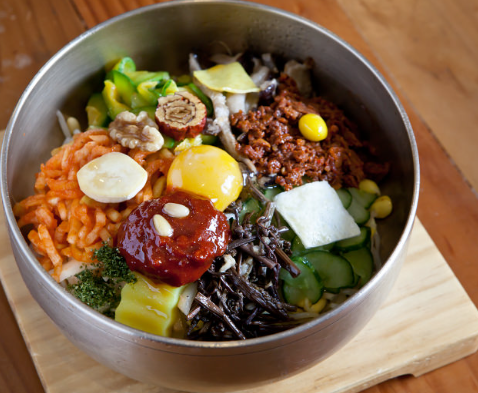
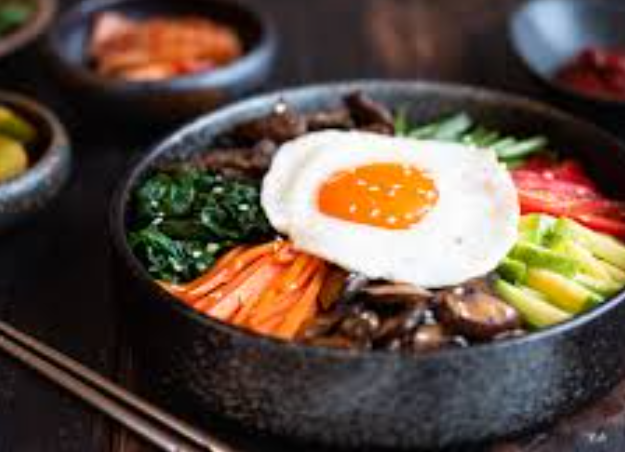
Korean Bibimbap, meaning “mixed rice,” is more than just a meal; it’s a vibrant representation of Korean culinary philosophy, particularly the concept of Obangsaek (오방색). This ancient principle emphasizes the balance and harmony of five traditional colors: red, yellow, green, white, and black (or brown). Each color not only adds visual appeal but also symbolizes different elements, directions, and even health benefits in traditional Korean thought. Red often comes from gochujang or carrots, symbolizing passion and the heart. Yellow from egg yolk or mung bean sprouts represents the center and stomach. Green from spinach or zucchini signifies growth and the liver. White from rice, radish, or bean sprouts denotes purity and the lungs. Finally, black/brown from shiitake mushrooms or seaweed represents wisdom and the kidneys. Incorporating these five colors ensures a nutritionally balanced meal and a feast for the eyes, making every spoonful a holistic experience.
The Historical Significance of Obangsaek in Korean Cuisine
The Obangsaek philosophy has deep roots in Korean culture, extending beyond just food to art, architecture, and traditional clothing. In cuisine, it stems from ancient beliefs in balancing energies and promoting health through diet. Historically, the royal court heavily influenced the meticulous preparation of dishes that adhered to these color principles, believing it contributed to the well-being of the monarch. While modern interpretations might be less rigid, the aesthetic and nutritional value of a five-colored dish remains a cornerstone of Korean cooking, especially for celebratory meals and dishes like Bibimbap.
Nutritional and Aesthetic Benefits of Five-Color Ingredients
Beyond cultural symbolism, the five-color approach offers tangible benefits. A plate filled with a spectrum of colors naturally means a wider array of vitamins, minerals, and antioxidants from diverse vegetables. For instance, the red from carrots provides beta-carotene, green from spinach offers iron and vitamins, and yellow from egg yolks brings protein and healthy fats. Aesthetically, the contrasting colors make the dish incredibly appealing and appetizing, stimulating the senses before the first bite. This thoughtful combination elevates Bibimbap from a simple rice dish to a culinary masterpiece.
Crafting the Secret Spicy Sauce for Bibimbap
The heart and soul of any Bibimbap lie in its spicy sauce, often referred to as “gochujang sauce.” While the base is always the fermented chili paste, gochujang, the “secret” to an unforgettable sauce lies in the precise balance of accompanying ingredients. This sauce isn’t just about heat; it’s a complex symphony of sweet, savory, tangy, and umami flavors that bind all the individual components of Bibimbap into a harmonious whole. A well-crafted sauce elevates the entire dish, making it undeniably addictive and leaving you craving more.
Key Ingredients and Their Transformative Role
The foundation of this secret sauce is high-quality gochujang. For a truly authentic flavor, ensure it’s a reputable brand known for its deep, complex umami profile rather than just raw spiciness. Beyond the chili paste, essential ingredients typically include:
- Minced Garlic: Adds pungent depth and aroma.
- Sugar or Rice Syrup: Balances the heat and adds a glossy texture.
- Soy Sauce: Contributes savory umami and saltiness.
- Sesame Oil: Imparts a nutty aroma and rich flavor.
- Sesame Seeds: Adds textural contrast and a toasted nuttiness.
- Rice Vinegar or Mirin: A touch of acidity to brighten the flavors and cut through richness.
- Water or Broth: To adjust consistency and mellow intensity.
Each ingredient plays a crucial role, creating layers of flavor that contribute to the sauce’s irresistible quality.
Step-by-Step Guide to Mixing Your Addictive Sauce
Creating the perfect sauce is straightforward, but precision in measurement and thorough mixing are key:
- Step 1: Combine