Ultimate Global Cuisine Guide: 5 Iconic Recipes
The culinary landscape of the world is defined by foundational dishes that have transcended their geographical origins to become global staples. Understanding these iconic recipes requires more than merely following a list of ingredients; it demands a deep dive into the cultural history, the chemical reactions of cooking, and the precise methodologies developed over centuries. This comprehensive guide synthesizes the ultimate techniques for mastering Italian pizza, Spanish paella, Wiener schnitzel, the Mexican sandwich (torta), and German pork chops. By dissecting each dish into its core components, we reveal the advanced strategies necessary to replicate authentic, restaurant-quality global cuisine in your own kitchen.
The Art of Authentic Italian Pizza
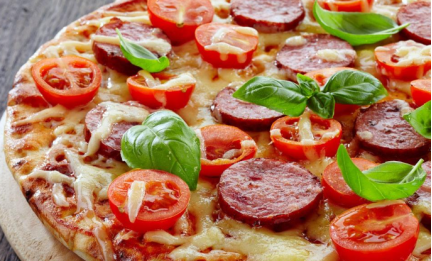
Authentic Italian pizza, particularly the revered Neapolitan style, is a masterclass in culinary minimalism. The magic lies not in an abundance of toppings, but in the meticulous manipulation of high-quality, fundamental ingredients. The foundation of this iconic dish rests entirely on dough chemistry, fermentation times, and extreme heat management.
Historical Origins and Dough Chemistry
The true Italian pizza traces its lineage back to Naples, where street vendors required a fast, portable, and inexpensive meal. The dough is governed by strict regulations set by the Associazione Verace Pizza Napoletana (AVPN). Achieving the signature airy, blistered crust (the cornicione) requires a highly specific biochemical process. When water hydrates the proteins in finely milled Tipo 00 flour, glutenin and gliadin form a robust gluten network. This network must be strong enough to trap the carbon dioxide expelled by the yeast during a long, slow cold fermentation process, which typically lasts between 24 to 72 hours. This extended resting period breaks down complex starches into simple sugars, resulting in superior flavor complexity and improved digestibility.
Essential Ingredients for the Perfect Margherita
Sourcing the correct ingredients is non-negotiable for authenticity. The flavor profile is a delicate balance of acidity, richness, and herbal freshness.
- Tipo 00 Flour: This ultra-fine Italian flour has a lower protein content than standard bread flour, allowing for a crust that is simultaneously tender and chewy.
- San Marzano Tomatoes: Grown in the volcanic soil of Mount Vesuvius, these plum tomatoes offer a sweet, low-acidity profile. They should be crushed by hand with a pinch of sea salt, never cooked prior to baking.
- Mozzarella di Bufala Campana: Made from the milk of water buffaloes, this cheese provides a rich, tangy creaminess that cow’s milk mozzarella cannot replicate. It must be drained thoroughly to prevent a soggy base.
- Fresh Basil and Extra Virgin Olive Oil: Basil leaves are added post-bake or protected under the cheese to prevent burning, while a drizzle of robust olive oil finishes the dish.

Mastering the Traditional Spanish Paella
Originating from the Albufera region of Valencia, paella is arguably Spain’s most famous culinary export. However, what is often served internationally as a kitchen-sink dish of mixed meats and seafood is a departure from the strict, deeply traditional Valencian methodology. True paella is an exercise in liquid absorption, precise heat distribution, and the cultivation of the perfect caramelized crust.
The Significance of the Paellera and Socarrat
The dish takes its name from the wide, shallow carbon-steel pan it is cooked in—the paellera. The geometry of this pan is critical. It maximizes the surface area, allowing the rice to be spread in an ultra-thin layer, ideally no more than half an inch thick. This thin layer ensures even cooking and rapid liquid evaporation. The ultimate hallmark of a masterfully executed paella is the socarrat, a deeply toasted, caramelized layer of rice that adheres to the bottom of the pan. Achieving this requires keen auditory and olfactory senses; the cook must listen for a distinct crackling sound and smell a nutty toastiness without crossing the threshold into burnt bitterness.
Sourcing the Right Rice and Saffron
The structural integrity of paella relies entirely on the variety of rice utilized and the aromatic compounds infused into the broth.
- Bomba or Senia Rice: These short-grain Spanish varieties possess exceptional liquid-absorbing capabilities. Bomba rice can absorb up to three times its volume in broth without bursting or becoming mushy, retaining a firm, distinct bite.
- Authentic Saffron: The unmistakable golden hue and earthy, floral aroma of paella come from high-quality saffron threads. The threads must be gently toasted and steeped in warm liquid before being introduced to the pan to maximize their chemical release of crocin (color) and safranal (aroma).
- The Sofrito Base: A slow-cooked reduction of grated tomatoes, garlic, sweet paprika (pimentón dulce), and olive oil serves as the foundational flavor matrix, anchoring the entire dish.

The Secrets to a Perfect Wiener Schnitzel
A protected culinary term in Austria, authentic Wiener Schnitzel must, by law, be made from veal. This masterpiece of Viennese cuisine is celebrated for its impossibly thin, tender meat encased in a rippled, golden, and profoundly crispy breadcrumb shell. The technique relies heavily on mechanical tenderization and a highly specific frying protocol known as souffléing.
Selecting and Pounding the Veal
The journey begins with sourcing premium veal cutlets, typically from the topside or silverside. The meat must be meticulously trimmed of all sinew and connective tissue to prevent curling during the frying process. Using a flat meat mallet, the cutlet is pounded out between sheets of plastic wrap. The goal is to achieve a uniform thickness of approximately 4 to 6 millimeters. This extreme thinness ensures that the meat cooks through in the exact amount of time it takes for the breading to achieve a perfect golden-brown crispness.
The Three-Stage Breading Station Technique
The breading process (panieren) is a precise science. The cutlet is seasoned generously with salt and white pepper, then passed through three distinct stages.
- Flour Dredge: A light, even coating of all-purpose flour provides a dry surface for the egg to adhere to. Excess flour must be shaken off vigorously to prevent a gummy texture.
- Egg Wash: The eggs should be lightly beaten with a fork—not whisked into a foam—and sometimes mixed with a splash of heavy cream or water. The cutlet is briefly submerged to ensure total coverage.
- Breadcrumb Coating: Authentic recipes demand fresh, unseasoned breadcrumbs made from Kaiser rolls (Semmelbrösel). The crucial technique here is to gently lay the cutlet in the crumbs and toss them over the meat without pressing down. Pressing forces the crumbs into the meat, preventing the signature rippled crust.
Frying Dynamics for the Signature Golden Crust
The actual cooking process requires clarified butter (Butterschmalz) or a high-quality neutral oil mixed with butter. The fat must be heated to exactly 170°C (338°F). As the schnitzel enters the pan, it must swim in the fat. The cook continuously shakes the pan in a circular motion, causing the hot fat to wash over the top of the meat. This technique creates steam between the meat and the breading, causing the crust to puff up and separate from the veal—a hallmark of true Wiener Schnitzel.

Crafting the Ultimate Mexican Sandwich (Torta)
While tacos dominate the international perception of Mexican street food, the torta is a structural marvel that offers a masterclass in flavor layering and textural contrast. A proper Mexican sandwich is not merely ingredients stuffed between bread; it is an engineered vessel designed to balance rich meats, creamy fats, sharp acids, and vibrant heat in every single bite.
Understanding the Telera and Bolillo Breads
The foundation of any authentic torta is the bread. The two most traditional options are the telera and the bolillo. The bolillo is akin to a short, savory French baguette with a crusty exterior and a soft interior. The telera, more commonly used for tortas, is a softer, flatter, oval-shaped roll divided into three sections. Before assembly, the bread is split horizontally. The soft interior crumb (the migajón) is often partially hollowed out to create a structural pocket, preventing the sandwich from collapsing under the weight of its fillings. The cut sides are then heavily buttered or coated in mayonnaise and griddled on a comal until deeply toasted, creating a moisture barrier.
Layering Profiles: Refried Beans, Meats, and Crema
The architecture of a torta follows a strict sequence to ensure structural integrity and maximum flavor distribution.
- The Moisture Barrier: The bottom toasted bun is smeared with a thick, warm layer of refried black or pinto beans. This acts as an edible adhesive for the subsequent layers.
- The Core Protein: Options range from thinly pounded, breaded milanesa (beef or chicken) to slow-roasted pork (carnitas), or spicy marinated pork (al pastor). The meat is layered generously but evenly to ensure consistency in every bite.
- The Fat and Dairy: Slices of creamy, ripe avocado are fanned across the meat, followed by a generous drizzle of Mexican crema and crumbled queso fresco or melting Oaxaca cheese.
- The Acidic Crunch: To cut through the intense richness of the meats and dairy, the torta is crowned with pickled jalapeños (en escabeche), thinly sliced white onions, and crisp shredded iceberg lettuce.

Hearty Traditional German Pork Chops
German cuisine is renowned for its deeply comforting, robust meat dishes, and the traditional German pork chop (Schweinekotelett) stands as a prime example of rustic elegance. Unlike modern, overly lean pork cuts that dry out easily, the traditional German preparation utilizes thick, bone-in chops with a healthy fat cap, employing brining and braising techniques to ensure maximum succulence.
Brining and Preparation Fundamentals
To combat the modern tendency of pork to become tough and arid during cooking, a wet brine is essential. The chops are submerged in a solution of water, kosher salt, brown sugar, whole peppercorns, juniper berries, and bay leaves for up to 12 hours. This osmotic process not only seasons the meat down to the bone but also alters the protein structure, allowing the muscle fibers to retain significantly more moisture during the application of high heat. After brining, the chops must be patted completely dry to ensure a proper Maillard reaction during the sear.
Pan-Searing and Braising Strategies
The cooking process is a two-step methodology designed to build a complex flavor fond and ensure a tender interior. The chops are aggressively seared in a heavy cast-iron skillet using a combination of oil and butter, rendering the fat cap until it is crispy and golden. Once a deep crust is achieved on both sides, the chops are temporarily removed. The pan drippings are then utilized to caramelize thickly sliced onions, apples, and caraway seeds. The pan is deglazed with a robust German dark beer (Dunkel) or apple cider, scraping up the browned bits. The chops are returned to the pan, the heat is reduced, and they are gently braised in the fragrant liquid until they reach an internal temperature of 145°F (63°C).
Comparative Analysis of Global Culinary Profiles
To fully appreciate the diversity of these five iconic dishes, it is helpful to analyze their core components side-by-side. The table below highlights the primary proteins, foundational starches, and defining flavor profiles that distinguish these global culinary treasures.
| Dish Name | Origin | Core Protein/Feature | Foundational Starch | Defining Flavor Profile |
|---|---|---|---|---|
| Authentic Pizza | Naples, Italy | Mozzarella di Bufala | Tipo 00 Flour Dough | Fresh Tomato, Basil, Olive Oil |
| Traditional Paella | Valencia, Spain | Rabbit, Chicken, Snails | Bomba Rice | Saffron, Pimentón, Rosemary |
| Wiener Schnitzel | Vienna, Austria | Pounded Veal Cutlet | Kaiser Roll Breadcrumbs | Clarified Butter, Lemon, Salt |
| Mexican Torta | Mexico | Milanesa or Carnitas | Telera or Bolillo Roll | Refried Beans, Avocado, Jalapeño |
| German Pork Chop | Germany | Bone-in Pork Loin | Spätzle or Potatoes (Side) | Caraway, Dark Beer, Apple |
Frequently Asked Questions (FAQ)
- What is the best flour for authentic Italian pizza dough?
- The absolute best flour for authentic Neapolitan pizza is Italian Tipo 00 flour. It is milled incredibly fine and has a specific protein content (usually around 11-12.5%) that provides the perfect balance of extensibility and elasticity. This allows the dough to stretch paper-thin in the center while puffing up into a chewy, airy crust around the edges.
- How do I achieve the perfect socarrat in Spanish paella without burning it?
- Achieving socarrat requires precise heat management at the very end of the cooking process. Once the broth has been absorbed and the rice is tender, increase the heat to medium-high for about 1 to 2 minutes. You must rely on your senses: listen for a distinct crackling or popping sound, and smell for a nutty, toasted aroma. The moment you smell acrid smoke, remove the pan from the heat immediately. Let it rest for 5 minutes before serving.
- Can I use pork or chicken instead of veal for Wiener Schnitzel?
- While you can use pork or chicken using the exact same breading and frying techniques, it cannot legally or authentically be called “Wiener Schnitzel.” In Austria, a schnitzel made from pork is referred to as “Schnitzel Wiener Art” (Schnitzel in the Viennese style). Veal provides a specific delicate flavor and tender texture that defines the authentic dish.
- What makes a Mexican torta structurally different from a standard sandwich?
- A Mexican torta relies on a highly specific layering technique designed to manage moisture and provide contrasting textures. The use of a hollowed-out, toasted telera roll creates a structural pocket. The application of warm refried beans on the bottom bun acts as a waterproof barrier to prevent the bread from becoming soggy from the meat juices, while the top layers of crema and avocado provide rich, fatty lubrication contrasting with the acidic crunch of pickled jalapeños.
- How do I keep German pork chops from drying out during cooking?
- The most effective strategy to prevent dry pork chops is to use a wet brine (a solution of salt, sugar, and water) for 4 to 12 hours prior to cooking. Additionally, ensure you are purchasing thick-cut, bone-in chops with a visible fat cap. Finally, utilize a meat thermometer and pull the chops from the heat the moment they reach an internal temperature of 145°F (63°C), allowing them to rest for 5 minutes so the juices can redistribute.