The Ultimate Guide to Quick, Healthy, and Global Weeknight Chicken Dinners
The Evolution of the Weeknight Chicken Dinner
For decades, the weeknight dinner has been a battleground between the desire for a home-cooked, nutritious meal and the sheer exhaustion that follows a busy workday. Chicken, due to its lean protein profile, neutral flavor base, and rapid cooking times, has naturally emerged as the ultimate culinary canvas for families worldwide. However, the modern approach to preparing poultry has evolved significantly. We are no longer limited to bland, boiled, or overly processed variations. Today’s home kitchens demand dynamic flavor profiles, intelligent cooking techniques, and streamlined preparation methods that do not sacrifice quality for speed.
This comprehensive guide synthesizes the best of global chicken recipes, engineering them specifically for the time-strapped yet health-conscious household. By exploring the deep mechanisms of flavor development—from the smoky Maillard reaction achieved on a grill to the rich, slow-simmered emulsion of traditional Indian spices—we empower home cooks to elevate their daily repertoire. The strategies detailed herein bridge the gap between restaurant-quality indulgence and weekday practicality, ensuring that every meal is both a nutritional cornerstone and a deeply satisfying culinary experience.
Understanding Poultry Economics and Nutrition
Before diving into specific recipes, it is crucial to understand why chicken remains the undisputed champion of the dinner table. Nutritionally, a standard 4-ounce serving of chicken breast provides roughly 25 grams of high-quality protein while maintaining a low fat footprint. When we branch out into chicken thighs, we introduce slightly more fat, which translates directly to increased moisture retention and flavor resilience during high-heat cooking or extended simmering. Choosing the right cut for the right recipe is the first step in mastering weeknight meal prep.

Healthier Choices: Mastering Grilled Crispy Chicken
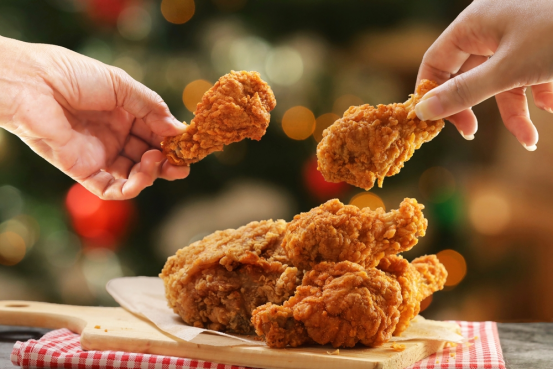
One of the most persistent myths in culinary circles is that achieving genuinely crispy chicken skin requires deep-frying in heavy oils. The modern, health-conscious approach proves otherwise. Grilled crispy chicken stands as a testament to the fact that with the correct application of heat, dry brining, and precise temperature control, you can achieve a shattering, golden-brown crust while rendering out excess fat. This method not only drastically reduces the caloric density of the dish but also introduces a complex, smoky flavor profile that indoor stovetop cooking simply cannot replicate.
The secret lies in the science of moisture management. Water is the enemy of crispiness. When chicken is placed directly onto a grill without proper preparation, the surface moisture creates steam, leading to a rubbery texture. By implementing advanced preparation techniques, we force the skin to dry out completely before it ever touches the grates, allowing the rendering fat to essentially fry the skin in its own natural juices.
The Dry Brining Mechanism
Dry brining is an absolutely non-negotiable step for achieving the perfect grilled crispy chicken. By generously coating the exterior of the chicken with kosher salt and letting it rest uncovered in the refrigerator, a fascinating osmotic process occurs.
- Osmosis and Reabsorption: Initially, the salt draws moisture out of the meat to the surface. Over the course of a few hours, this salty liquid is reabsorbed deep into the muscle fibers, seasoning the meat throughout and breaking down tough proteins.
- Surface Dehydration: Because the chicken is left uncovered, the constant circulation of cold air in the refrigerator dries out the skin. This pellicle (dried surface) is what allows the skin to crisp up immediately upon hitting the hot grill.
- Alkaline Adjustments: Adding a tiny pinch of baking powder (not baking soda) to your salt rub raises the pH level of the skin, accelerating the Maillard reaction and resulting in a faster, deeper browning process.
Grilling Execution: The Two-Zone Fire Method
To cook the chicken through without burning the delicate, dehydrated skin, you must master the two-zone fire. This involves setting up your grill with a high-heat direct zone and a lower-heat indirect zone. The chicken is first placed on the indirect side, allowing the ambient heat to slowly raise the internal temperature while gently rendering the subcutaneous fat. Once the internal temperature reaches 150°F (65°C), the chicken is moved to the direct heat zone for a final, intense sear. This reverse-sear method guarantees juicy meat and a perfectly crispy, blistered exterior.

Family Favorites: Teriyaki Chicken and Rice Casserole
When the chaos of a busy weeknight peaks, the casserole format becomes a lifesaver. The Teriyaki Chicken and Rice Casserole represents a brilliant fusion of Japanese-inspired flavor profiles and American mid-century convenience cooking. By combining proteins, complex carbohydrates, and vibrant vegetables into a single baking dish, this recipe drastically reduces active cooking time and post-dinner cleanup. More importantly, it allows the rice to absorb the rich, savory-sweet umami of the teriyaki sauce as it bakes, resulting in a deeply cohesive dish where every single grain is infused with flavor.
The architectural brilliance of this casserole relies on the proper ratio of liquid to starch, as well as the strategic layering of ingredients to ensure even cooking. Unlike traditional stovetop stir-fries where ingredients are cooked sequentially, the casserole demands that all components reach their perfect state of doneness simultaneously inside the oven.
Constructing the Perfect Teriyaki Flavor Base
While store-bought teriyaki sauces offer convenience, they are often laden with high-fructose corn syrup and artificial thickeners. Crafting a homemade teriyaki glaze takes merely five minutes and fundamentally elevates the casserole. A traditional tare (sauce) requires a precise balance of four core elements.
- Soy Sauce (Shoyu): Provides the salty, umami-rich foundation. Opt for a low-sodium variety to maintain control over the dish’s overall salinity.
- Mirin and Sake: These Japanese rice wines add depth, acidity, and a natural sweetness that balances the harshness of the soy sauce.
- Aromatics: Freshly grated ginger and minced garlic introduce a sharp, pungent bite that cuts through the richness of the chicken thighs.
- Brown Sugar or Honey: Facilitates caramelization during the baking process, giving the top layer of the casserole a beautiful, sticky glaze.
Layering and Starch Gelatinization
For the rice to cook perfectly without becoming mushy, understanding starch gelatinization is key. Long-grain white rice or jasmine rice works best. The rice must be thoroughly rinsed to remove surface starches that cause clumping. The bottom layer of the casserole dish should be the rinsed rice, followed by the raw, diced chicken, and finally the vegetables (such as broccoli florets and bell peppers). The hot teriyaki broth is poured over the top, tightly sealed with aluminum foil. The trapped steam forces the liquid into the rice grains, swelling them uniformly while gently poaching the chicken and steaming the vegetables.

Time-Saving Wonders: Three-Ingredient Orange Chicken
In the realm of culinary shortcuts, the Three-Ingredient Orange Chicken stands as a monument to efficiency. For families who find themselves with exactly fifteen minutes to prepare a meal before evening extracurricular activities begin, this recipe is a revelation. By leveraging the concentrated flavors found in high-quality pantry staples, home cooks can bypass the complex, multi-step battering, frying, and sauce-reduction processes associated with traditional Chinese-American takeout, achieving a remarkably similar flavor profile with a fraction of the effort.
The philosophy here is not about compromising quality, but rather about maximizing the utility of pre-developed flavors. The three magical ingredients—sweet orange marmalade, smoky barbecue sauce, and savory soy sauce—create a rapid, complex reduction that perfectly mimics the sweet, tangy, and savory notes of restaurant-style orange chicken.
The Chemistry of the Three-Ingredient Sauce
It may seem counterintuitive to mix barbecue sauce with orange marmalade, but breaking down the chemical components reveals why this combination is so effective. Each ingredient brings a multi-dimensional aspect to the pan.
- Orange Marmalade: Provides the essential citrus aroma, the pectin required to naturally thicken the sauce without a cornstarch slurry, and the bitter-sweet caramelized sugars that give the dish its signature sticky texture.
- Barbecue Sauce: Introduces a background smokiness, tomato-based acidity, and a blend of spices (like garlic powder, onion powder, and molasses) that would normally take hours to balance.
- Soy Sauce: Acts as the crucial savory anchor. The glutamates in the soy sauce provide the umami necessary to prevent the dish from becoming cloyingly sweet, grounding the citrus and smoke in a deeply savory profile.
Execution: Skillet vs. Slow Cooker
This recipe offers incredible versatility in its execution. For immediate gratification, the skillet method involves browning bite-sized chicken breast pieces in a touch of oil, pouring the whisked three-ingredient sauce over the top, and letting it simmer rapidly for 5-7 minutes until the pectin activates and glazes the meat. Alternatively, for the ultimate “set it and forget it” experience, the chicken and sauce can be placed in a slow cooker on low for 4 hours. The slow cooker method gently braises the chicken, resulting in a pull-apart tender texture that is perfect for serving over a bed of steamed quinoa or brown rice.

Global Flavors at Home: Authentic Indian Butter Chicken
Murgh Makhani, globally beloved as Butter Chicken, represents the pinnacle of comforting, aromatic cuisine. Originating in Delhi, this dish was historically created to utilize leftover tandoori chicken by simmering it in a rich, tomato-based gravy enriched with butter and cream. Bringing this authentic global flavor into a busy home kitchen might seem daunting due to the extensive spice lists traditionally required. However, by understanding the foundational techniques of spice blooming and yogurt marination, you can produce a deeply authentic, restaurant-quality Butter Chicken without spending the entire day at the stove.
The soul of Butter Chicken lies not just in the ingredients, but in the sequence of their introduction. It requires building layers of flavor. The tanginess of the tomatoes must be cooked down until their raw acidity mellows, the spices must be toasted in fat to release their essential oils, and the dairy must be incorporated gently to create a luxurious, unbroken emulsion.
The Yogurt Marination Process (Tikka Base)
Authentic Butter Chicken begins with incredible chicken. The meat (preferably boneless, skinless thighs for their fat content and tenderness) must be marinated in a mixture of full-fat yogurt, ginger-garlic paste, lemon juice, and a robust spice blend including Kashmiri chili powder, turmeric, and garam masala. The lactic acid in the yogurt works synergistically with the enzymatic action of the ginger to denature the proteins in the chicken, tenderizing it deeply while infusing it with flavor. For optimal results, this marination should occur for at least four hours, though an overnight rest yields the most profound textural benefits.
Mastering the Makhani Gravy
The gravy is where the magic happens. To achieve that iconic, velvety texture, specific steps must be followed meticulously.
- Aromatic Foundation: Begin by sautéing finely diced onions in ghee (clarified butter) until they are deeply caramelized. This sweetness forms the backbone of the sauce.
- Spice Blooming: Add your dry spices directly into the hot ghee. Cooking the spices for 30-60 seconds extracts their fat-soluble flavor compounds, a technique known as “tadka” or blooming, which exponentially increases their aromatic potency.
- Tomato Reduction: Incorporate pureed tomatoes and simmer aggressively. The water must evaporate, and the tomato solids must fry slightly in the spiced ghee until the oil begins to separate and pool at the edges of the pan.
- The Emulsion: Finally, lower the heat completely before stirring in heavy cream and a final pat of butter. Boiling the sauce after the dairy is added will cause it to split. Finish with a generous pinch of crushed dried fenugreek leaves (Kasuri Methi), the secret ingredient that imparts the unmistakable, authentic restaurant aroma.

Essential Prep and Storage Strategies for Busy Families
Having a repertoire of incredible recipes is only half the battle; the other half is operational efficiency. For busy families, mastering the logistics of meal preparation, safe food storage, and effective reheating is what truly transforms dinnertime from a daily stressor into a seamless routine. Implementing a strategic approach to how you handle these chicken recipes will save hours of labor each week and significantly reduce food waste.
Batch cooking and strategic freezing are the cornerstones of this methodology. Many of the recipes discussed—particularly the Butter Chicken and the Teriyaki Casserole—actually improve in flavor after a day in the refrigerator, as the complex spices and sauces have more time to meld with the proteins. Understanding how to leverage these characteristics is essential for the modern home cook.
Comparative Recipe Matrix
To help you plan your weeknight dinners effectively, the following table breaks down the operational metrics of each recipe. Use this data to align your meal choices with your available time and energy levels on any given day.
| Recipe Name | Active Prep Time | Total Cook Time | Flavor Profile | Freezer Friendly? |
|---|---|---|---|---|
| Grilled Crispy Chicken | 10 mins (plus brining) | 35 mins | Smoky, Savory, Textural | No (Loses crispiness) |
| Teriyaki Rice Casserole | 15 mins | 45 mins | Sweet, Umami, Comforting | Yes (Up to 3 months) |
| 3-Ingredient Orange Chicken | 5 mins | 15 mins | Citrus, Tangy, Sweet | Yes (Sauce freezes well) |
| Indian Butter Chicken | 20 mins | 40 mins | Rich, Aromatic, Creamy | Highly Recommended |
Safe Storage and Reheating Protocols
When dealing with poultry, strict adherence to food safety guidelines is mandatory. Cooked chicken must be cooled rapidly and stored in airtight containers within two hours of cooking to prevent bacterial proliferation. When storing dishes like the Butter Chicken or Teriyaki Casserole, portion them out into individual serving containers before refrigerating; this not only speeds up the cooling process but creates instant, grab-and-go lunches for the following day.
When reheating, moisture retention is the primary goal. Microwaving chicken on high power often leads to a rubbery, unpalatable texture. Instead, reheat chicken dishes at 50% power, loosely covered with a damp paper towel to create a steaming effect. For the grilled crispy chicken, the microwave should be avoided entirely; reheat it in an air fryer at 350°F for 4-5 minutes, or in a conventional oven, to re-awaken the dehydrated, crispy skin without overcooking the interior meat.
Frequently Asked Questions (FAQ)
- Can I substitute chicken breasts for chicken thighs in these recipes?
- Yes, you can substitute breasts for thighs, but it requires temperature adjustments. Chicken breasts are significantly leaner and prone to drying out. For the Butter Chicken and Teriyaki Casserole, reduce the simmering/baking time slightly. For the Grilled Crispy Chicken, ensure you pull the meat off the grill exactly at 160°F (71°C) as carryover cooking will bring it to the safe 165°F (74°C) mark. Thighs are generally preferred for slow-cooked or high-heat recipes due to their forgiving fat content.
- How do I prevent my Teriyaki Rice Casserole from becoming mushy?
- Mushy rice is typically caused by two factors: excess surface starch and incorrect liquid ratios. You must rinse your raw rice under cold water until the water runs completely clear before adding it to the casserole dish. Additionally, ensure your baking dish is tightly sealed with heavy-duty aluminum foil to trap the steam. If the seal is loose, the liquid evaporates instead of being absorbed by the rice, leading to uneven cooking.
- What is a good substitute for Kasuri Methi (dried fenugreek leaves) in Butter Chicken?
- Kasuri Methi provides a very distinct, slightly bitter, and deeply savory aroma that defines restaurant-style Indian food. If you cannot find it at a local Asian market or online, a small splash of high-quality maple syrup mixed with a pinch of celery seed can mimic the sweet/earthy background notes, though the exact flavor profile is difficult to replicate perfectly. Do not substitute with fenugreek seeds, as they are incredibly bitter and require different preparation.
- Is the 3-Ingredient Orange Chicken overly sweet? How can I balance it?
- The sweetness heavily depends on the brand of orange marmalade and barbecue sauce you select. To ensure a balanced profile, choose a savory, hickory-smoked BBQ sauce rather than a honey-based one. If you find the final sauce too sweet, add a tablespoon of rice vinegar or apple cider vinegar at the end of cooking. The acidity will instantly cut through the sugar and brighten the overall flavor of the dish.
- Why use baking powder on the grilled chicken skin?
- Baking powder (which contains an alkaline component) slightly raises the pH level of the chicken skin. In an alkaline environment, the proteins break down more efficiently, and the Maillard reaction (the chemical process responsible for browning and flavor development) occurs at lower temperatures and much faster. This results in skin that is blistered, deeply browned, and incredibly crispy without requiring deep frying.