The Ultimate Guide to Moroccan Tagine: A Culinary Journey to North Africa
Moroccan cuisine, renowned for its vibrant flavors, aromatic spices, and communal dining experiences, holds the tagine as its undisputed culinary crown jewel. More than just a dish, the tagine is a symbol of Moroccan hospitality, tradition, and the art of slow cooking. This ultimate guide will take you on an immersive journey, delving deep into the origins, ingredients, techniques, and cultural significance of this iconic North African one-pot wonder. Prepare to transform your kitchen into a fragrant Moroccan souk as we uncover the secrets to crafting a truly authentic and unforgettable tagine.
What is a Tagine? Unveiling North Africa’s Iconic One-Pot Wonder
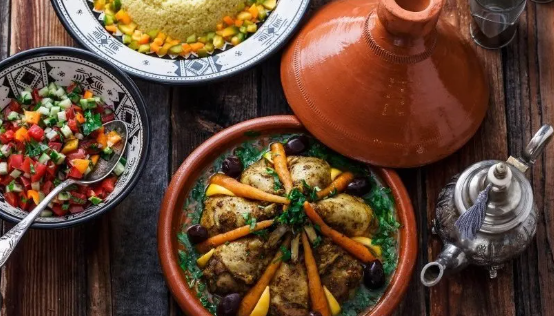
At its heart, a tagine refers to both the unique earthenware pot with a conical lid and the succulent stew cooked within it. This ancient cooking vessel, deeply rooted in North African history, is designed to create a self-basting environment, perfectly tenderizing meats and vegetables while infusing them with an incredible depth of flavor. The magic lies in the condensation that collects on the inside of the conical lid, dripping back down into the dish, keeping everything moist and delicious without the need for excessive added liquids.
The Historical Roots and Cultural Significance
The origins of the tagine can be traced back centuries, with evidence suggesting its use in North Africa since at least the 8th century. Historically, it was a practical cooking method for nomadic Berber tribes, allowing them to slow-cook meals over open fires with minimal water, making the most of available ingredients. Over time, as trade routes flourished, the tagine evolved, incorporating exotic spices and diverse ingredients brought by caravans. Today, it stands as a cornerstone of Moroccan culinary identity, synonymous with family gatherings, celebrations, and the warm embrace of Moroccan hospitality. Preparing and sharing a tagine is not just about food; it’s a ritual, a connection to heritage, and an expression of love.
The Unique Design and Functionality of the Tagine Pot
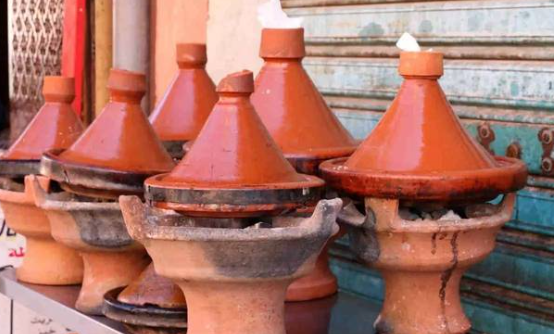
The tagine pot’s distinctive two-part design is key to its exceptional cooking capabilities. The shallow base, typically made of glazed or unglazed clay, provides a broad surface for searing ingredients. The tall, conical lid, designed to fit snugly onto the base, is where the magic happens. As steam rises from the cooking food, it condenses on the cooler interior of the lid and then trickles back down, basting the ingredients continuously. This creates a moist, flavorful environment, preventing food from drying out and concentrating aromas. Clay tagines offer superior heat distribution and retention, imparting a unique earthy flavor, while modern ceramic and cast-iron versions provide durability and versatility for various stovetops.
Essential Ingredients for an Authentic Moroccan Tagine
The soul of a Moroccan tagine lies in its harmonious blend of fresh produce, quality proteins, and, most importantly, a symphony of spices. Achieving authenticity requires understanding the role each ingredient plays in building the complex flavor profile that defines this iconic dish.
The Spice Symphony: Ras el Hanout and Beyond
Moroccan cuisine is a celebration of spices, and the tagine is its grand orchestra. While individual spices like cumin, ginger, turmeric, paprika, and saffron are crucial, the star blend is often “Ras el Hanout.” This complex mixture, whose name translates to “head of the shop,” signifies the best spices a merchant has to offer, often containing 15-30 different components including cardamom, cinnamon, nutmeg, mace, allspice, and even dried rosebuds. It provides an unparalleled depth and warmth. Other key spices include black pepper, coriander, and chili for a subtle kick. Fresh herbs like cilantro and parsley are added at the end for freshness and garnish.
Key Produce and Protein Choices
Tagines are incredibly versatile when it comes to main ingredients. For proteins, lamb, beef, and chicken are most common, often cut into smaller pieces to ensure tenderness. Fish and seafood tagines are also popular, especially in coastal regions. Vegetarian options frequently feature chickpeas, lentils, root vegetables like carrots and potatoes, and seasonal squashes. Common vegetables include onions, tomatoes, zucchini, bell peppers, and peas. Dried fruits such as prunes, apricots, and raisins are often incorporated, especially in sweet and savory tagines, adding a delightful counterpoint to the savory spices.
Preserved Lemons and Olives: The Tangy Heart
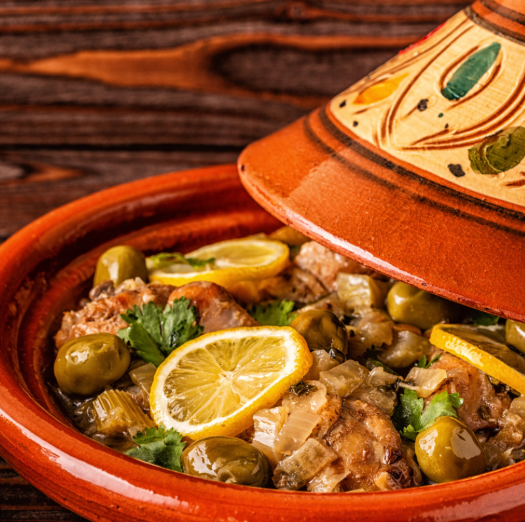
No discussion of Moroccan tagine ingredients is complete without mentioning preserved lemons and olives. Preserved lemons, made by curing lemons in salt and their own juices, lose their bitterness and develop a unique, intense citrusy, umami flavor that cannot be replicated by fresh lemons. They are often added towards the end of cooking. Moroccan olives, particularly green or purple varieties, contribute a briny, sometimes slightly bitter, and salty note that balances the richness of the stew. Together, these two ingredients are quintessential to many classic tagine recipes, particularly chicken tagine with olives and preserved lemons.
Technical Checklist: Essential Tagine Pantry
- Spices: Cumin, Turmeric, Paprika, Ginger, Saffron threads, Black Pepper, Cinnamon, Ras el Hanout
- Aromatics: Onions, Garlic, Fresh Ginger
- Fresh Herbs: Cilantro, Parsley
- Proteins: Chicken (thighs/drumsticks), Lamb (shoulder/shank), Beef (chuck), Chickpeas (canned or dried)
- Vegetables: Carrots, Potatoes, Zucchini, Tomatoes, Bell Peppers, Peas
- Specialty Items: Preserved Lemons, Moroccan Green Olives, Argan Oil (for finishing)
- Liquids: Chicken or Vegetable Broth, Water
- Optional Sweeteners: Honey, Dried Apricots, Prunes, Raisins
Mastering the Art of Tagine Cooking: Step-by-Step Guide
Cooking a tagine is a patient art, an exercise in slow flavor development that rewards the cook with incredibly tender, aromatic results. While recipes vary, the fundamental principles of layering, slow simmering, and allowing flavors to meld remain constant.
Preparing Your Ingredients: Mise en Place for Success
Before you even place your tagine on the heat, thorough preparation is key. Chop all your vegetables, trim and cut your protein, and measure out all your spices. This “mise en place” (everything in its place) ensures a smooth cooking process, allowing you to focus on the layering without rushing. Marinating meats, especially tougher cuts like lamb or beef, for several hours or overnight in a blend of spices, garlic, and herbs will significantly enhance their flavor and tenderness.
Layering Flavors: The Foundation of a Great Tagine
The layering technique is crucial for a tagine. Start by sautéing onions and garlic in a good quality olive oil or argan oil in the base of the tagine. This builds the initial flavor foundation. Next, add the marinated meat or main protein, searing it lightly to develop a crust. Then, arrange the hardier vegetables like carrots and potatoes around the meat, followed by softer vegetables like tomatoes, zucchini, and bell peppers on top. Spices are often sprinkled over each layer, ensuring even distribution. The conical lid then traps the steam, allowing the flavors to meld beautifully as they slowly cook.
The Slow Simmer: Patience is Key
Once all ingredients are in the tagine, add a small amount of liquid – usually water or broth. The self-basting nature of the tagine means you need less liquid than conventional stews. Bring the tagine to a gentle simmer over low to medium-low heat. Crucially, resist the urge to lift the lid frequently, as this releases the trapped steam and extends cooking time. A tagine typically simmers for 1.5 to 3 hours, depending on the protein. This slow cooking breaks down tough fibers, tenderizes the ingredients, and allows the complex spice flavors to fully develop and integrate.
Common Pitfalls and How to Avoid Them
- Too Much Liquid: The tagine’s design minimizes evaporation, so too much liquid will result in a watery stew. Start with less and add more only if absolutely necessary.
- Lifting the Lid Too Often: Each time you lift the lid, steam escapes, prolonging cooking and drying out your food. Trust the process and let it simmer undisturbed.
- High Heat: A tagine is meant for slow, gentle cooking. High heat can burn the bottom, crack clay pots, and toughen ingredients.
- Uneven Cooking: Ensure ingredients are cut to similar sizes and layered strategically (harder vegetables at the bottom, softer on top) for even cooking.
- Cracked Clay Tagine: For unglazed clay tagines, always soak them in water for several hours before first use and always start on very low heat, gradually increasing. Avoid extreme temperature changes.
Popular Moroccan Tagine Variations and Regional Delights
The beauty of the tagine lies in its endless adaptability. While the cooking method remains consistent, the choice of ingredients can dramatically alter the flavor profile, reflecting regional preferences and seasonal availability.
Classic Chicken with Olives and Preserved Lemons
This is arguably the most famous and beloved tagine. Tender chicken pieces (often thighs or drumsticks) are slow-cooked with a vibrant blend of turmeric, ginger, saffron, and cumin, alongside onions, garlic, and fresh cilantro. The star ingredients are generous amounts of briny green Moroccan olives and the intensely aromatic, tangy preserved lemons, which break down to infuse the entire dish with their unique flavor. Often garnished with a sprinkle of fresh parsley, this tagine is a perfect balance of savory, salty, and bright notes.
Lamb or Beef with Prunes and Apricots
A quintessential sweet and savory tagine, this variation often features succulent lamb or beef, slow-cooked until fall-apart tender. The rich meat is complemented by the sweetness of dried prunes and apricots, often rehydrated in orange blossom water or honey. Spices like cinnamon, ginger, and saffron enhance the warmth, while a sprinkle of toasted sesame seeds or blanched almonds provides a delightful textural contrast. This tagine is a celebration of Moroccan culinary complexity, balancing robust meatiness with fruity sweetness.
Vegetarian and Vegan Tagine Creations
Moroccan cuisine offers a plethora of delicious vegetarian and vegan tagines, often highlighting the abundance of fresh, seasonal produce. Popular choices include chickpeas with squash and spinach, lentils with root vegetables, or a vibrant medley of zucchini, carrots, potatoes, bell peppers, and tomatoes. These tagines rely heavily on a robust spice blend, plenty of onions and garlic, and often incorporate preserved lemons or a touch of harissa for depth. They are hearty, flavorful, and incredibly nutritious.
Comparison Table: Popular Tagine Variations
| Tagine Type | Main Protein/Vegetable | Key Flavor Profile | Signature Ingredients |
|---|---|---|---|
| Chicken with Olives & Preserved Lemons | Chicken | Savory, Tangy, Briny | Green Olives, Preserved Lemons, Saffron, Turmeric |
| Lamb/Beef with Prunes & Apricots | Lamb or Beef | Sweet & Savory, Aromatic | Dried Prunes, Dried Apricots, Cinnamon, Honey, Almonds |
| Vegetable/Chickpea Tagine | Seasonal Vegetables, Chickpeas | Earthy, Spicy, Wholesome | Zucchini, Carrots, Squash, Tomatoes, Harissa, Cumin |
| Fish & Seafood Tagine | White Fish, Shrimp, Calamari | Light, Herby, Coastal | Tomatoes, Bell Peppers, Cilantro, Lemon Slices, Paprika |
Pro Tips and Expert Advice for Perfecting Your Tagine
Elevate your tagine from good to exceptional with these insider tips gathered from seasoned Moroccan cooks and culinary experts.
Serving Your Tagine: Presentation and Pairings
A tagine is traditionally served directly from the pot, placed in the center of the table for communal dining. This presentation is part of the experience, emphasizing sharing and togetherness. It’s typically enjoyed with khobz (Moroccan round bread) for scooping up the rich sauce and tender ingredients. A fresh side salad, like a simple tomato and cucumber salad with a mint dressing, can provide a refreshing contrast. A sprinkle of fresh cilantro or parsley before serving adds a final touch of color and aroma. Pair with traditional Moroccan mint tea to complete the authentic experience.
Troubleshooting Common Tagine Issues
- Too Dry: If your tagine seems too dry, add a small amount of warm broth or water, a quarter cup at a time, allowing it to re-steam. Ensure your lid is properly sealed.
- Lacking Flavor: If the flavors aren’t popping, a pinch more salt, a squeeze of fresh lemon juice (if not using preserved lemons), or a final sprinkle of Ras el Hanout can often revive it. A touch of harissa paste can also add depth and warmth.
- Meat Not Tender: This usually means it hasn’t cooked long enough or the heat was too high. Continue simmering on low heat, ensuring there’s enough liquid, until the meat is fork-tender.
- Vegetables Mushy: Ensure you’re adding vegetables in stages, with harder ones at the bottom and softer ones added later in the cooking process. Avoid overcooking by checking for doneness.
Cleaning and Maintaining Your Tagine Pot
Proper care ensures the longevity of your tagine. For unglazed clay tagines, avoid soap as it can be absorbed and impart off-flavors; scrub with a brush and hot water. For glazed or ceramic tagines, mild dish soap is fine. Always allow the tagine to cool completely before washing to prevent thermal shock, which can cause cracking. Store the lid separately or with a cloth in between to allow air circulation. Seasoning unglazed clay tagines periodically with olive oil can help maintain their non-stick properties and prevent drying out.
Frequently Asked Questions (FAQ)
- What’s the difference between a tagine and a regular Dutch oven?
- While both are excellent for slow cooking, a tagine’s distinct conical lid is designed to condense steam and return moisture to the dish, creating a unique self-basting environment that keeps food exceptionally tender and flavorful with minimal added liquid. A Dutch oven’s lid is flatter and allows more evaporation, requiring more liquid.
- Can I cook a tagine without a tagine pot?
- Yes, you can replicate a tagine-style dish in a heavy-bottomed pot or Dutch oven with a tight-fitting lid. The key is to use low heat, simmer slowly, and ensure the lid traps as much moisture as possible. While it won’t be exactly the same as a traditional tagine pot, you can still achieve delicious results.
- What is Ras el Hanout and can I make it myself?
- Ras el Hanout is a complex Moroccan spice blend, often containing 15-30 different spices, considered the “best of the shop.” While you can buy pre-made blends, you can certainly create your own by combining spices like cumin, coriander, turmeric, ginger, cinnamon, cardamom, nutmeg, mace, allspice, and a pinch of cayenne. Recipes vary widely, allowing for personal customization.
- How do I prevent my clay tagine from cracking?
- To prevent cracking, especially with unglazed clay tagines: always soak new tagines in water for several hours before first use; always start cooking on very low heat and gradually increase; use a heat diffuser if cooking on a stovetop; avoid sudden temperature changes (e.g., placing a hot tagine on a cold surface or adding cold liquid to a hot pot); and never put it in a preheated oven above 350°F (175°C).
- What are preserved lemons and where can I find them?
- Preserved lemons are whole lemons cured in salt and their own juices for several weeks or months. This process mellows their bitterness and develops a unique, intense salty-sour, umami flavor. They are a staple in Moroccan cuisine. You can find them in specialty food stores, Middle Eastern markets, or easily make them yourself at home with lemons and sea salt.