The Ultimate Guide to Potatoes in America: History, Culture, & 7 Beloved Dishes
This article is an expanded and upgraded version of the original content found at: The Many American Lives of the Potato: 7 Hugely Popular Ways to Enjoy It.
The potato, often seen as a humble root vegetable, holds an incredibly rich and diverse history within the United States. Far more than just a side dish, it has shaped culinary traditions, fueled economic growth, and become an indelible part of the American diet and cultural identity. From its ancient origins in the Andes to its widespread adoption across continents, the potato’s journey to becoming a cornerstone of American cuisine is a fascinating tale of adaptation, innovation, and enduring popularity.
This ultimate guide delves deep into the “American lives” of the potato, exploring not just its history and nutritional value, but also dissecting the seven most beloved preparations that have captivated the nation’s palate. We’ll go beyond simple descriptions, offering insights into the ‘why’ behind their popularity, the science of their preparation, expert tips for perfection, and a glimpse into their future trends. Prepare to discover the full story of this versatile tuber and elevate your appreciation for America’s most cherished potato dishes.
The Humble Beginnings: Potatoes’ Journey to American Plates
The potato (Solanum tuberosum) boasts a lineage stretching back over 10,000 years to the high-altitude regions of the Andes Mountains in South America. Here, indigenous communities not only cultivated diverse varieties but also developed sophisticated methods of preservation, such as “chuño” (freeze-dried potatoes), long before European contact. When Spanish conquistadors arrived in the 16th century, they encountered this robust crop and eventually introduced it to Europe, initially as a botanical curiosity rather than a food source.
From Andes to America: A Brief History
The potato’s journey to North America was circuitous. While some early attempts to introduce it directly failed, it primarily arrived via Europe, brought by Irish and Scottish immigrants in the early 18th century. Its acceptance was slow, often met with suspicion due to its association with the deadly nightshade family and a lack of understanding regarding its culinary preparation. However, its resilience, high yield, and nutritional density eventually won over skeptical farmers and consumers, particularly as populations grew and food security became a pressing concern.
The Potato’s Early American Reception and Expansion
By the 19th century, the potato had firmly established itself in American agriculture. Its ability to thrive in diverse climates, from the rich soils of Idaho to the cooler regions of Maine, made it an ideal crop for a rapidly expanding nation. The California Gold Rush, the Civil War, and waves of immigration further solidified its role, providing a cheap, calorie-dense food source for a burgeoning workforce and military. Innovations in farming techniques, storage, and transportation also played a crucial role in its widespread adoption and availability across the country.
Nutritional Powerhouse: Why Potatoes Endured
Beyond its agricultural advantages, the potato’s nutritional profile was a key factor in its enduring popularity. Often misunderstood as merely a source of “empty” carbohydrates, a medium-sized potato with its skin is a good source of Vitamin C, Vitamin B6, potassium, and dietary fiber. It provides essential energy and micronutrients, making it a vital food source, especially in eras where diverse diets were not always accessible. This combination of robust growth, economic viability, and nutritional value ensured the potato’s place at the heart of the American table.
The American Love Affair: 7 Iconic Potato Preparations
The potato’s true genius lies in its incredible versatility. Americans have embraced this quality, transforming the humble tuber into an astonishing array of beloved dishes. Each preparation tells a story of culinary evolution, cultural integration, and the simple joy of good food. Here, we delve into seven of the most iconic potato dishes that define American cuisine, offering a detailed look at their origins, preparation, and the secrets to perfecting them.
1. French Fries: The Crispy King of Fast Food
No dish embodies the American fast-food experience quite like French fries. Despite their name, their precise origin is debated, with both Belgium and France laying claim. Regardless, they found their true home and commercial success in America. The advent of fast-food chains in the mid-20th century catapulted fries into an unparalleled level of popularity, making them the quintessential companion to burgers and sandwiches across the nation.
History & Evolution of the Fry
While deep-fried potato strips existed in Europe for centuries, it was likely Thomas Jefferson who introduced them to America, serving “potatoes served in the French manner” at a White House dinner. However, their true democratization came with the rise of diners and eventually McDonald’s, whose meticulous frying process and widespread presence made them a global phenomenon. Today, variations abound, from thin shoestring fries to thick-cut steak fries, curly fries, and waffle fries.
Mastering the Perfect Fry: Tips & Techniques
- Potato Choice: Russet potatoes are king for fries due to their high starch content and low moisture, which results in a fluffy interior and crispy exterior.
- Soaking: Soak cut fries in cold water for at least 30 minutes (or overnight) to remove excess starch. This prevents sticking and promotes crispiness.
- Double Frying: This is the secret. Fry once at a lower temperature (around 325°F / 160°C) until tender but not browned. Drain, then fry a second time at a higher temperature (375°F / 190°C) until golden brown and crispy.
- Seasoning: Season immediately after the second fry while hot, so salt adheres well.
Common Pitfalls to Avoid
- Soggy Fries: Often caused by not soaking, overcrowding the fryer, or insufficient temperature during the second fry.
- Burnt Exterior, Raw Interior: Usually a result of frying at too high a temperature initially.
- Greasy Fries: Insufficient oil temperature means the potatoes absorb more oil rather than crisping.
2. Potato Chips: The Ubiquitous Snack
The potato chip is another American staple, a crunchy, salty snack enjoyed by millions. Its origin is famously attributed to a disgruntled chef, George Crum, in Saratoga Springs, New York, in 1853. Legend has it, a customer complained his fried potatoes were too thick, so Crum, in a fit of pique, sliced them paper-thin and fried them to a crisp. The “Saratoga Chips” were an instant hit, and thus, the potato chip was born.
Accidental Invention & Commercial Rise
From a local specialty, potato chips slowly gained popularity, initially sold in barrels and then, with the invention of airtight packaging in the 1920s, they became a national sensation. Brands like Lay’s and Utz pioneered mass production and distribution, making chips accessible everywhere. Today, the snack aisle is a testament to their enduring appeal, with an endless variety of flavors and textures.
Homemade Chips: A Healthier Alternative
Making potato chips at home offers control over ingredients and oil. Thinly slice potatoes (a mandoline is ideal), rinse thoroughly, pat dry, and then either deep-fry or bake/air-fry until crispy. Experiment with different seasonings beyond just salt.
Flavor Innovations & Market Trends
The potato chip market is constantly evolving, driven by consumer demand for new and exciting flavors. From classic salt and vinegar to spicy sriracha, dill pickle, and gourmet truffle, the innovation continues. Health-conscious trends have also led to baked, kettle-cooked, and reduced-fat options, diversifying the chip landscape.
Comfort & Culinary Versatility: More Beloved Potato Dishes
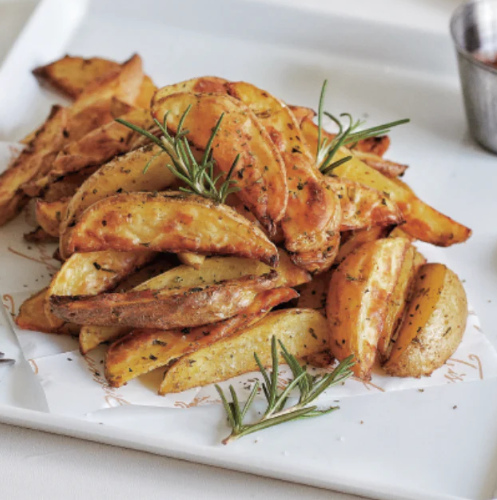
Beyond the fried delights, potatoes seamlessly transition into comforting, hearty meals, showcasing their incredible adaptability. These preparations often highlight the potato’s creamy texture and ability to absorb and enhance other flavors, making them ideal for family dinners, holiday feasts, and everyday satisfaction.
3. Mashed Potatoes: The Ultimate Comfort Food
Mashed potatoes are the quintessential comfort food, a creamy, dreamy staple on dinner tables, especially during holidays. Their simplicity belies a nuanced technique that can elevate them from good to truly sublime.
The Science of Creaminess: Starch & Texture
The key to perfect mashed potatoes lies in understanding potato starch. High-starch potatoes like Russets or Yukon Golds are ideal because their cells break down easily when cooked, releasing starch that, when properly handled, creates a fluffy, creamy texture. Over-mixing, however, can rupture too many starch cells, leading to a gluey or gummy consistency.
Variations & Flavor Infusions
While butter, milk, and salt are classic additions, mashed potatoes are a blank canvas. Consider roasted garlic, fresh herbs (chives, parsley), cream cheese, sour cream, buttermilk, truffle oil, or even a hint of horseradish for an exciting twist. For a richer flavor, warm your milk/cream with aromatics like bay leaves or garlic before adding.
Troubleshooting: Avoiding Gummy or Lumpy Mash
- Gummy Potatoes: Over-mixing is the primary culprit. Mash by hand or use a potato ricer/food mill for the best texture. Avoid food processors.
- Lumpy Potatoes: Ensure potatoes are cooked thoroughly until fork-tender. Some lumps can be charming, but for a smooth mash, a ricer is your best friend.
- Watery Potatoes: Drain potatoes very well after boiling. You can even return them to the hot pot for a minute or two to evaporate excess moisture.
4. Baked Potatoes: A Canvas for Creativity
The baked potato is a testament to simplicity and versatility. A perfectly baked potato offers a fluffy interior and a slightly crispy skin, ready to be adorned with an endless array of toppings. It’s a meal in itself or a hearty side dish.
Perfectly Fluffy Inside, Crispy Skin Outside
For the ideal baked potato, choose large Russets. Pierce the skin several times with a fork to allow steam to escape. Rub lightly with oil (like olive or vegetable) and sprinkle with coarse salt for a crispy skin. Bake directly on the oven rack at 400-425°F (200-220°C) for 60-90 minutes, or until fork-tender. The high heat helps dry out the skin while cooking the interior to a fluffy perfection.
Topping Ideas & Regional Preferences
Classic toppings include butter, sour cream, chives, bacon bits, and shredded cheese. However, the baked potato can be elevated with chili, pulled pork, steamed broccoli and cheese sauce, salsa, or even a fried egg. Different regions and personal preferences dictate the topping combinations, making each baked potato a unique culinary experience.
5. Potato Salad: The BBQ Essential
Potato salad is a quintessential American picnic and barbecue side dish. Its creamy texture and tangy flavor provide a refreshing contrast to grilled meats and other summer fare. However, “potato salad” is a broad term, encompassing a wide spectrum of regional styles and ingredient combinations.
Regional Styles: Mayonnaise-based vs. Vinegar-based
The two main camps are mayonnaise-based and vinegar-based. Southern-style potato salad often features a rich, creamy mayonnaise dressing with mustard, celery, onion, and hard-boiled eggs. German-style potato salad, prevalent in parts of the Midwest, uses a warm, tangy vinegar dressing, often with bacon and fresh herbs, served warm or at room temperature.
Key Ingredients & Flavor Profiles
Regardless of the base, good potato salad starts with the right potato. Waxy potatoes like Yukon Golds or Red Bliss hold their shape better after boiling. Other common ingredients include celery for crunch, red onion or scallions for bite, fresh herbs like dill or parsley, and a touch of sweetness (sugar, relish) or tang (pickle juice, mustard) to balance the flavors.
Food Safety Considerations
When making mayonnaise-based potato salad, especially for outdoor gatherings, food safety is paramount. Keep it refrigerated until serving and do not leave it out at room temperature for more than two hours to prevent bacterial growth.
Breakfast Staples & Modern Twists: Expanding Potato Horizons
Potatoes aren’t just for dinner; they’re integral to breakfast and have inspired playful, modern preparations. These dishes highlight the potato’s versatility in different forms and textures, proving its place at any meal of the day.
6. Hash Browns: The Breakfast Sidekick
Hash browns are a beloved breakfast staple, found on diner menus and home kitchens across America. The goal is a crispy, golden-brown exterior with a tender, shreddy interior, providing a satisfying counterpoint to eggs and bacon.
Shredded vs. Diced: Textural Differences
Traditionally, hash browns are made from shredded potatoes, which maximize surface area for crisping. Diced potatoes, often called “home fries” or “country potatoes,” offer a softer, chunkier texture. Both are delicious, but the shredded variety delivers that iconic crispy crunch.
Achieving Golden Perfection
The secret to truly crispy hash browns involves a few steps:
- Grating: Use a box grater or food processor to shred potatoes (Russets are excellent).
- Drying: This is crucial. Squeeze out as much moisture as possible from the shredded potatoes using a clean kitchen towel or paper towels. Excess moisture leads to steaming, not crisping.
- Fat: Cook in a generous amount of hot oil, butter, or bacon fat.
- Patience: Don’t disturb them too much. Let them cook undisturbed on one side until a deep golden-brown crust forms before flipping.
7. Tater Tots: The Playful Nugget
Tater Tots are a delightful, bite-sized potato treat, recognizable by their distinctive cylindrical shape and crispy, textured exterior. Often associated with school cafeterias and casual dining, they hold a nostalgic place in many American hearts.
Origin Story & Cultural Impact
Tater Tots were invented in 1953 by F. Nephi Grigg and Golden Grigg, founders of Ore-Ida, as a way to utilize leftover potato scraps from their French fry production. They chopped and seasoned the scraps, formed them into small cylinders, and deep-fried them. Initially given away as samples, they quickly became a commercial success. Their playful name and satisfying crunch made them an instant hit, especially with children, solidifying their status as a unique American contribution to the potato pantheon.
Beyond Breakfast: Creative Uses
While often served as a side, tater tots have inspired creative culinary applications. “Totchos” (tater tot nachos), casseroles (like the classic tater tot hotdish), and even gourmet appetizers demonstrate their versatility beyond a simple side dish. Their uniform size and consistent texture make them an easy and fun addition to various recipes.
Pro Tips for Potato Perfection: Expert Advice
To truly master potato cookery, a few overarching principles and tips can make all the difference, ensuring your potato dishes are consistently delicious and perfectly textured.
Choosing the Right Potato Variety
The type of potato you choose is paramount to the success of your dish:
- High-Starch (Floury) Potatoes: Russets (Idaho) are excellent for baking, frying (fries, chips), and mashing due to their dry, fluffy texture when cooked. They break down easily.
- Medium-Starch (All-Purpose) Potatoes: Yukon Golds are a fantastic all-rounder. They have a buttery flavor and creamy texture, making them great for mashing, roasting, and even some frying. They hold their shape better than Russets but still mash well.
- Low-Starch (Waxy) Potatoes: Red Bliss, Fingerlings, and New Potatoes hold their shape exceptionally well after cooking. They are perfect for potato salads, gratins, roasting, and boiling where you want distinct pieces.
Storage Best Practices
Proper storage prolongs the life and quality of your potatoes:
- Cool, Dark, Dry Place: Store potatoes in a cool (45-50°F / 7-10°C), dark, and well-ventilated area, like a pantry or basement.
- Avoid Refrigeration: Do not store raw potatoes in the refrigerator, as the cold temperature converts their starch to sugar, leading to a sweet taste and darkening when cooked.
- Keep Away from Onions: Storing potatoes near onions can cause both to spoil faster.
Essential Cooking Techniques
- Even Cooking: Always cut potatoes to a uniform size for even cooking.
- Cold Water Start: For boiled potatoes (for mashing, salad), always start them in cold, salted water. This ensures they cook evenly from the outside in.
- Season Generously: Potatoes are bland without proper seasoning. Salt the cooking water and season again after cooking.
- Don’t Overcook Waxy Potatoes: While starchy potatoes need to be very tender for mashing, waxy potatoes for salads or roasting should be cooked just until fork-tender to prevent them from becoming mushy.
Potato Preparation Comparison Chart
| Dish | Best Potato Type | Key Technique | Common Pitfalls |
|---|---|---|---|
| French Fries | Russet | Double Frying, Soaking | Soggy, Greasy |
| Potato Chips | Russet, Yukon Gold | Thin Slicing, Thorough Drying | Uneven crisping, Burnt |
| Mashed Potatoes | Russet, Yukon Gold | Ricing/Mashing by hand, Don’t Overmix | Gummy, Lumpy, Watery |
| Baked Potatoes | Russet | High Heat, Prick Skin | Dense interior, Leathery skin |
| Potato Salad | Yukon Gold, Red Bliss | Cook until fork-tender (not mushy) | Mushy texture, Bland dressing |
| Hash Browns | Russet | Squeeze out moisture, Cook undisturbed | Soggy, Sticking to pan |
| Tater Tots | Russet (for production) | (Generally store-bought) Even baking/frying | Unevenly cooked, Not crispy |
The Future of the Potato: Health, Innovation, and Sustainability
The potato’s journey is far from over. As consumer preferences evolve and environmental concerns grow, the potato industry is adapting, focusing on health, innovative uses, and sustainable practices to ensure its continued relevance.
Health Perceptions and Dietary Trends
For a long time, potatoes suffered from a reputation as an unhealthy “white carb.” However, there’s a growing movement to re-educate consumers about their nutritional benefits, especially when prepared healthily (e.g., baked, steamed) and consumed with the skin. The rise of plant-based diets and interest in whole foods also positions potatoes favorably, offering a versatile, naturally gluten-free staple.
New Varieties and Agricultural Innovations
Agricultural research continues to develop new potato varieties with enhanced disease resistance, improved nutritional profiles (e.g., higher antioxidant content), and unique culinary characteristics (e.g., purple potatoes, fingerlings with distinct flavors). Precision agriculture and genetic advancements are also making potato farming more efficient and resilient to climate change.
Sustainable Potato Farming
Sustainability is a major focus. Farmers are adopting practices like reduced water usage, integrated pest management, and soil health initiatives to minimize environmental impact. The potato’s relatively low carbon footprint compared to other staple crops, combined with ongoing efforts to reduce waste and improve efficiency throughout the supply chain, ensures its role in a more sustainable food future.
Frequently Asked Questions (FAQ)
- What is the best type of potato for making French fries?
- Russet potatoes are generally considered the best for French fries due to their high starch content and low moisture. This combination results in a fluffy interior and a perfectly crispy exterior when double-fried.
- Why do my mashed potatoes turn out gummy?
- Gummy mashed potatoes are almost always caused by over-mixing. When potato cells are ruptured too much, they release excess starch, leading to a sticky, glue-like texture. To avoid this, mash by hand or use a potato ricer or food mill, and mix only until just combined.
- Should I store potatoes in the refrigerator?
- No, you should not store raw potatoes in the refrigerator. The cold temperature can cause the starch in potatoes to convert into sugar, which can lead to a sweet taste and an undesirable dark color when cooked. Store them in a cool, dark, and well-ventilated pantry instead.
- What’s the difference between hash browns and home fries?
- Hash browns are typically made from shredded potatoes that are cooked until crispy and golden. Home fries (or country potatoes) are usually made from diced or cubed potatoes, often cooked with onions and peppers, and tend to have a softer, chunkier texture than hash browns.
- How can I make my baked potato skin crispy?
- To achieve a crispy baked potato skin, pierce the potato several times, rub it lightly with oil (like olive or vegetable), and sprinkle with coarse salt before baking. Bake directly on the oven rack at a high temperature (400-425°F / 200-220°C) for a longer duration, which helps dry out the skin while cooking the interior.