The Ultimate Guide to Eggs, Bacon & Hash Browns
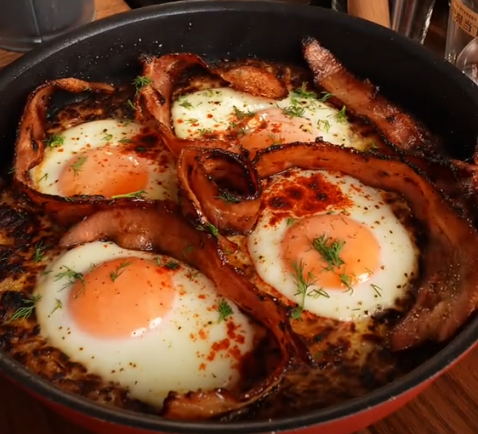
The combination of sunny-side-up eggs, crispy bacon, and golden hash browns is more than just a meal; it’s a cultural institution. Revered in diners across America and a close cousin to the “Full English,” this breakfast trio represents comfort, satisfaction, and the perfect start to a day. While it appears simple, mastering the distinct textures and flavors of each component requires technique and an understanding of the cooking process. This ultimate guide will break down the science, history, and step-by-step methods to elevate your breakfast from standard to spectacular, ensuring every element on your plate is cooked to perfection.
The Anatomy of a Perfect Breakfast Plate
Achieving breakfast perfection lies in understanding and respecting each of the three core components. They are not just cooked alongside each other; they form a synergistic trio of fat, protein, and carbohydrates, each with its own ideal texture and flavor profile.
The Ideal Sunny-Side-Up Egg
The goal is a fully set, tender white that provides a foundation for a perfectly liquid, warm, and rich yolk. The common mistake is using high heat, which results in a rubbery, browned, and crispy bottom while the top of the white remains undercooked. The key is gentle, even cooking. A non-stick skillet and a touch of fat (butter or bacon grease) are your best friends here, along with low, patient heat.
The Art of Perfectly Crispy Bacon
Bacon’s transformation from soft, fatty strips to crispy, savory shards is a process of rendering fat. Starting bacon in a cold pan is a non-negotiable rule. This allows the fat to slowly melt away as the pan heats up, cooking the meat in its own flavorful rendering. This slow-and-low approach prevents the bacon from burning before it becomes crisp and ensures an even texture throughout.
Mastering Golden-Brown Hash Browns
The secret to truly great hash browns is the removal of two things: starch and water. Excess starch causes the potato shreds to become gummy, while excess water prevents them from crisping. Rinsing the shredded potatoes until the water runs clear and then squeezing them completely dry is the most critical step. This allows the potatoes to fry rather than steam, creating that coveted crispy, golden-brown crust.
The History and Cultural Significance of the Classic Breakfast
While this plate feels distinctly American, its roots are deeply intertwined with the British “Full English Breakfast.” The English tradition of a large, savory morning meal featuring eggs and cured pork (bacon) became a symbol of prosperity during the Victorian era. It was a meal that showcased the wealth of a household that could afford such hearty ingredients to start the day.
When this tradition crossed the Atlantic, it was simplified and adapted to the fast-paced environment of American diners in the early 20th century. The elaborate additions of the Full English (like beans, tomatoes, and black pudding) were streamlined to the core trio. Hash browns, an American invention, became the standard potato component, prized for their ability to be cooked quickly on a flat-top griddle. This breakfast became a symbol of American optimism and a staple of roadside culture, fueling workers and travelers alike.
A Step-by-Step Guide to Cooking the Perfect Trio
Timing and pan management are everything. The goal is to have all three components finish cooking at the exact same time, hot and ready for the plate. Follow this sequence for flawless execution.
Phase 1: Potato and Bacon Preparation
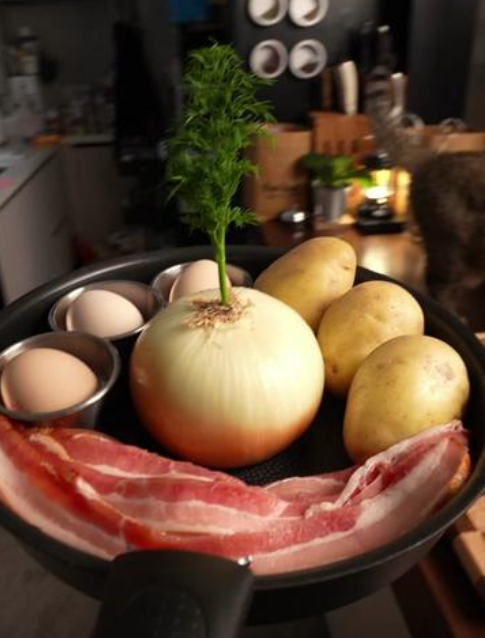
Start with the items that take the longest. Shred your potatoes (Russets are best) and immediately place them in a bowl of cold water. Meanwhile, lay your bacon strips in a single layer in a large, cold skillet. Turn the heat to medium-low. While the bacon slowly begins to render, thoroughly rinse and dry your shredded potatoes using a cheesecloth or clean kitchen towel. Squeeze until no more water comes out.
Phase 2: Cooking Bacon and Hash Browns
As the bacon cooks, flip it occasionally. Once it’s crispy, remove it to a paper-towel-lined plate, but leave about two tablespoons of the rendered bacon fat in the skillet. This is the flavor base for your hash browns. Form the dry potatoes into a patty, season with salt and pepper, and place it in the hot bacon fat. Press down firmly and do not touch it for at least 5-7 minutes to form a crust. Flip and cook the other side until golden brown.
Phase 3: Cooking the Eggs
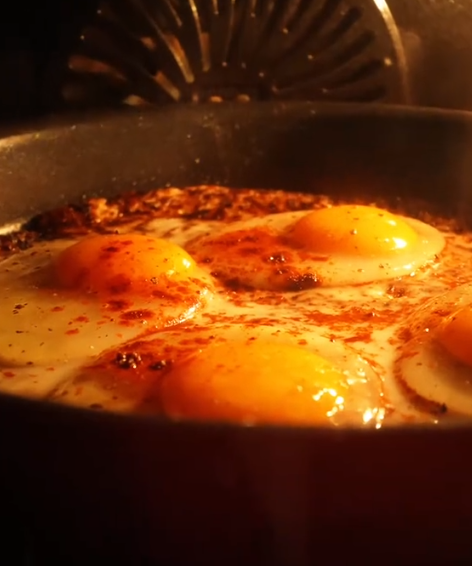
While the hash browns are finishing, use a separate non-stick skillet for the eggs. Heat it over low heat with a small amount of butter. Crack the eggs into the pan, season with salt and pepper, and cook gently. For a perfect sunny-side-up, you can cover the pan for the last minute of cooking; the trapped steam will gently cook the very top of the whites without flipping.
Pro Tips for a Next-Level Breakfast Experience
A few expert adjustments can make a world of difference. From ingredient selection to cooking methods, these tips will help you perfect your breakfast game.
Expert Advice Checklist
- Use Russet Potatoes: Their high starch content and low moisture make them the ideal choice for crispy hash browns.
- Control Your Heat: The entire process relies on medium-low to medium heat. High heat is the enemy of perfect eggs and evenly cooked bacon.
- Don’t Crowd the Pan: Cook bacon and hash browns in batches if necessary. Overcrowding causes food to steam instead of fry, preventing crispiness.
- Season at Every Stage: Season your potato shreds, your hash brown patty, and your eggs. Layering seasoning builds a more complex flavor.
- Use Fresh Eggs: Fresher eggs have firmer whites that hold their shape better in the pan, preventing them from spreading too thin.
Bacon Cooking Methods Compared
While pan-frying is classic, other methods offer different benefits.
| Method | Pros | Cons |
|---|---|---|
| Pan-Frying | Fastest method; provides rendered fat for cooking other items. | Can cause splattering; requires active attention. |
| Oven-Baking | Hands-off; cooks very evenly with no splattering; great for a crowd. | Takes longer; doesn’t provide immediate rendered fat. |
| Microwave | Extremely fast; minimal cleanup. | Texture can be brittle rather than chewy-crisp; can cook unevenly. |
Frequently Asked Questions (FAQ)
- How do I get my egg whites to set without overcooking the yolk?
- The best technique is the “lid trick.” Cook the egg on low heat until the whites are mostly set. Add a teaspoon of water to the pan (away from the egg) and immediately cover it with a lid for 30-60 seconds. The steam created will gently cook the top of the whites and the surface of the yolk without turning the yolk solid.
- What’s the best type of potato for hash browns?
- Russet potatoes are the undisputed champion. Their high starch content and mealy, dry texture result in a fluffy interior and a perfectly crispy exterior once fried. Waxy potatoes, like red or new potatoes, contain more water and will result in a soggier, less crispy hash brown.
- How can I cook bacon without it splattering everywhere?
- The primary cause of splattering is moisture hitting hot fat. Always pat your bacon dry before placing it in the pan. Starting it in a cold pan also significantly reduces splattering, as the fat renders out slowly rather than violently. For a completely splatter-free method, bake your bacon on a wire rack set over a baking sheet in the oven.
- Can I prepare any of these components ahead of time?
- Yes, the potatoes can be prepped. You can shred, rinse, and thoroughly dry the potatoes a day in advance. Store the dry shreds in an airtight container in the refrigerator. This cuts down on prep time significantly in the morning. Bacon and eggs are best cooked fresh right before serving.