The Ultimate Global Cuisine Handbook: Master Iconic International Recipes at Home
The modern kitchen is no longer bound by geographical borders. Today, the ability to recreate authentic flavors from across the globe—ranging from the rustic beer halls of Germany to the vibrant street stalls of Malaysia—is the hallmark of a truly skilled home chef. This comprehensive guide synthesizes the techniques, cultural nuances, and precise chemical interactions required to produce nine flagship dishes that have defined global culinary excellence. Whether you are looking for the social media-famous “Sprite Plum Spare Ribs” or the timeless “French Garlic Butter Shrimp,” this pillar page serves as your definitive roadmap to international gastronomy.
Asian Stir-Fry Mastery: From Kung Pao to Teriyaki Precision
Asian cuisine is celebrated for its ability to balance the “five flavors”: sweet, sour, bitter, spicy, and salty. Achieving this balance requires more than just the right ingredients; it necessitates a deep understanding of heat control and meat preparation. Stir-frying, in particular, relies on the concept of “Wok Hei” (the breath of the wok), where high heat creates a unique smoky aroma through the Maillard reaction and oil caramelization.
The Architecture of Kung Pao Chicken
Kung Pao Chicken is a masterpiece of Sichuan province, characterized by its “lychee-flavor” profile—a delicate balance of sweet and sour with a spicy kick. The dish is built on layers of texture: the tenderness of marinated chicken, the crunch of fried peanuts, and the numbing sensation of Sichuan peppercorns. To achieve the perfect Kung Pao, the chicken must be “velveted”—a technique involving a cornstarch and egg white marinade that protects the protein from the intense heat of the wok.
Decoding Teriyaki and Green Pepper Steak
Teriyaki is more than a sauce; it is a Japanese cooking method where meat is broiled or grilled with a glaze of soy sauce, mirin, and sugar. The secret to a professional Teriyaki chicken lies in the glazing phase. The sauce must be reduced until it reaches a “nappe” consistency, where it coats the back of a spoon, ensuring every bite of the chicken is infused with a deep, umami-rich sheen. Similarly, Green Pepper Steak focuses on the contrast between the tender, thinly sliced beef and the crisp-tender texture of bell peppers. The key here is quick execution; overcooking the peppers results in a loss of vibrant color and structural integrity.
European Heritage: The Science of Roasting and Emulsification
European cooking often emphasizes the natural flavors of the ingredients, enhanced by fats like butter and the slow transformation of proteins through roasting. From the coastal regions of France to the heartlands of Germany, these recipes prioritize patience and precise temperature management.
The German Pork Knuckle (Schweinshaxe)
The German Roast Pork Knuckle is a triumph of textural engineering. The goal is a succulent, fall-off-the-bone interior protected by a layer of “crackling”—skin so crisp it shatters upon impact. This is achieved through a multi-stage roasting process. Initially, the knuckle is roasted at a moderate temperature to render the subcutaneous fat and break down the tough collagen into gelatin. The final stage involves a high-heat blast, often accompanied by basting with beer or salt water, which causes the skin to puff and blister, creating the iconic crunchy exterior.
French Garlic Butter Shrimp: The Art of the Emulsion
In French cuisine, sauces are the soul of the dish. The Garlic Butter Shrimp (Crevettes à l’Ail) relies on a stable emulsion. When butter is heated with garlic and lemon juice, the proteins in the butter can easily separate. To prevent this, the heat must be kept medium-low, and cold butter should be whisked in gradually to create a creamy, velvety sauce that clings to the shrimp. This dish exemplifies the French philosophy of using high-quality fats to carry aromatic flavors.
Innovative Fusion: Social Media Trends and Modern Appetizers
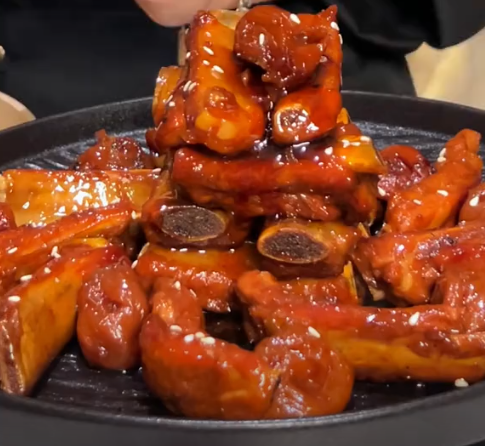
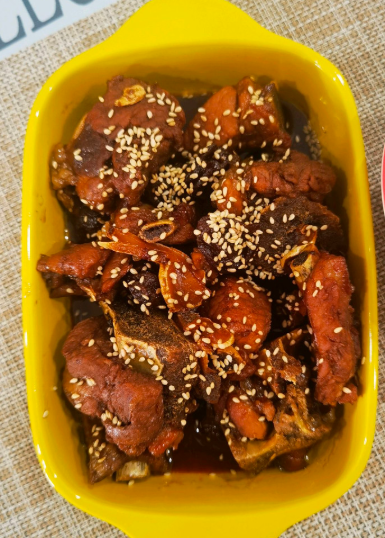
The evolution of global cuisine is often driven by viral trends that combine traditional ingredients in unexpected ways. These recipes, such as the Sprite Plum Spare Ribs, utilize modern pantry staples to solve age-old culinary challenges like meat tenderization.
Sprite Plum Spare Ribs: Carbonation as a Tenderizer
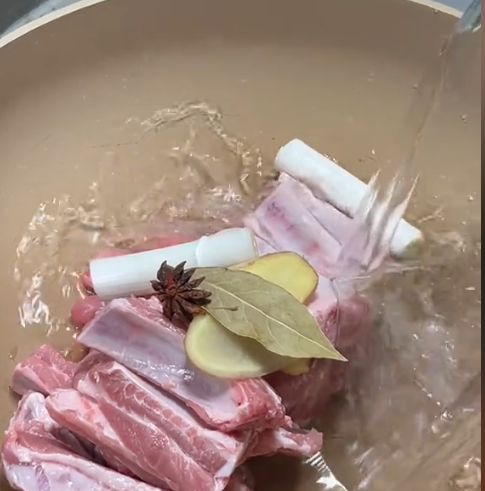
The use of Sprite (or lemon-lime soda) in cooking spare ribs is a stroke of genius found in modern Asian fusion. The carbonation and phosphoric acid in the soda act as a chemical tenderizer, breaking down the muscle fibers of the pork more quickly than traditional braising liquids. Furthermore, the high sugar content provides an instant base for a thick glaze, while the addition of dried plums introduces a complex acidity that cuts through the richness of the fat, creating a refreshing “summer” flavor profile.
Malaysian Lemon Chicken: A Study in Zest
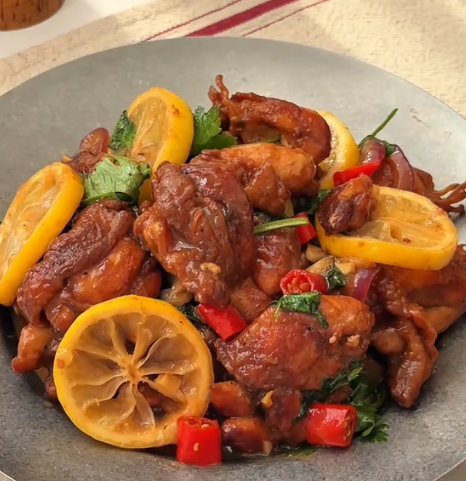
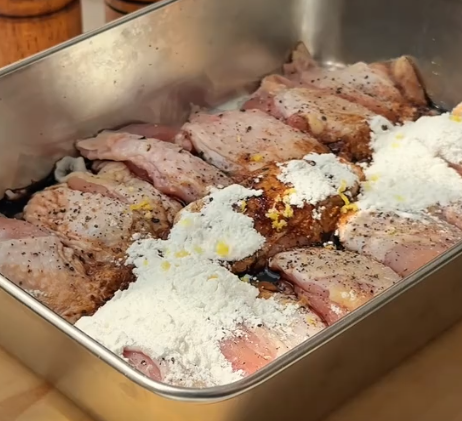
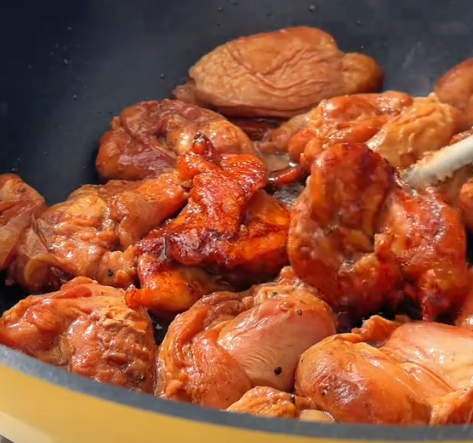
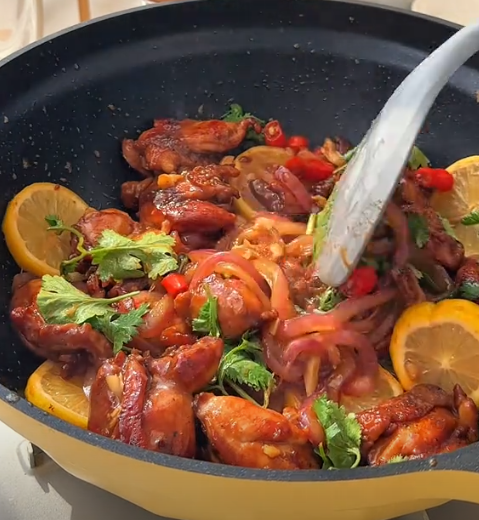
Malaysian Lemon Chicken stands out for its vibrant, citrus-forward sauce. Unlike Western versions, the Malaysian approach often incorporates local spices and a lighter batter. The chicken is typically double-fried to ensure it remains crispy even after being tossed in the spicy and sour lemon glaze. This dish serves as an ideal summer appetizer, stimulating the palate with its sharp acidity and subtle heat.
Western Comfort and Efficiency: Burgers and One-Pan Meals
Comfort food is defined by its familiarity and the satisfaction of hearty portions. However, even the simplest American cheeseburger or a pan of roasted chicken legs requires a commitment to detail to move from “standard” to “spectacular.”
The Anatomy of the Perfect American Cheeseburger
A great cheeseburger is a balance of fat, salt, and heat. The patty should ideally have a 80/20 lean-to-fat ratio to ensure juiciness. The “legendary” status of a burger is often determined by the sear. A heavy cast-iron skillet or griddle is essential for creating a crust (the Maillard reaction) that locks in juices. The cheese—traditionally American for its superior melting point—should be added in the final minute of cooking, covered with a lid to create a steam chamber that results in a “golden curtain” over the beef.
One-Pan Roast Chicken Legs: Maximizing Flavor Density
The beauty of the one-pan roast chicken leg recipe lies in the “flavor cycle.” As the chicken legs roast on a bed of vegetables (such as potatoes, carrots, and onions), the rendered chicken fat (schmaltz) and juices drip down, seasoning the vegetables from within. To ensure the skin remains “heavenly” and crispy, the chicken must be patted dry before seasoning, and the vegetables should not be overcrowded, which would lead to steaming rather than roasting.
Comparative Analysis of Global Cooking Techniques
To better understand the diversity of these dishes, the following table compares the primary cooking methods and flavor foundations of the featured recipes:
| Dish | Primary Technique | Core Flavor Profile | Key Ingredient for Success |
|---|---|---|---|
| German Pork Knuckle | Slow Roasting / High-Heat Finish | Savory, Salty, Fatty | Temperature Control |
| Kung Pao Chicken | High-Heat Stir-Fry | Sweet, Sour, Spicy, Numbing | Sichuan Peppercorns |
| French Garlic Shrimp | Sautéing / Emulsification | Rich, Buttery, Aromatic | High-Quality Butter |
| Sprite Plum Ribs | Braising in Carbonated Liquid | Sweet, Tangy, Refreshing | Sprite & Dried Plums |
| American Cheeseburger | Griddling / Searing | Umami, Salty, Creamy | 80/20 Beef Ratio |
Advanced Strategies for Home Chefs
To elevate your cooking from amateur to professional, you must master the “invisible” steps of food preparation. These strategies apply across all cuisines and are the secrets held by top-tier chefs.
The Importance of Meat Rest Time
Whether it is a roasted pork knuckle or a griddled burger patty, resting the meat is non-negotiable. During cooking, muscle fibers contract and push moisture to the center. Resting allows these fibers to relax and reabsorb the juices. Cutting into meat too early results in “purging,” where the flavorful juices end up on the cutting board rather than in your mouth.
Layering Aromatics
Professional dishes have “depth,” which is achieved by layering aromatics at different stages. In the French Garlic Shrimp, garlic is added early for a mellow base and late for a sharp punch. In Asian stir-fries, ginger and scallions are often added to the oil first to infuse the entire dish with their essence. Understanding when to add aromatics prevents burning and ensures a multi-dimensional flavor profile.
Frequently Asked Questions (FAQ)
- Q1: Why is my stir-fry chicken often dry or tough?
- The most common cause is overcooking or failing to “velvet” the meat. Velveting involves coating the chicken in a mixture of cornstarch and liquid (like soy sauce or egg white) before frying. This creates a protective barrier that keeps the juices inside while the outside sears quickly.
- Q2: Can I substitute the Sprite in the spare ribs recipe?
- You can use other lemon-lime sodas or even ginger ale. The key is the combination of carbonation (for tenderizing) and sugar (for the glaze). If you prefer a less sweet version, use sparkling water and add your own honey or brown sugar to control the sweetness level.
- Q3: How do I get the pork knuckle skin truly crispy without burning the meat?
- The trick is the two-stage temperature approach. Cook the meat at 160°C (320°F) until tender, then remove it, crank the oven to 230°C (450°F), and return the knuckle for 15-20 minutes. Monitoring the internal temperature with a meat thermometer ensures the meat doesn’t dry out during the final crisping phase.
- Q4: What is the best way to prevent garlic from burning in the French Shrimp recipe?
- Garlic burns quickly and becomes bitter. Always add garlic to the pan when the butter is foaming but not browning. If you are using high heat to sear the shrimp, add the garlic in the last 60 seconds of cooking to infuse the flavor without the risk of charring.
- Q5: Why use a cast-iron skillet for burgers instead of a non-stick pan?
- Cast iron has high thermal mass, meaning it retains heat exceptionally well. When a cold beef patty hits the pan, a non-stick pan’s temperature drops, leading to gray, steamed meat. Cast iron stays hot, ensuring an immediate sear and a superior crust.