The Ultimate Guide to Authentic Thai Pumpkin Soup: Healthy and Non-Greasy
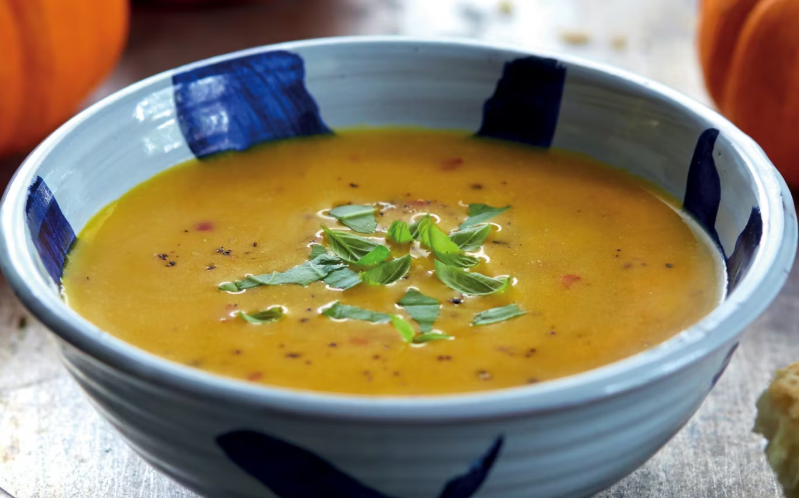
Exploring the culinary landscape of Thailand reveals a deep appreciation for the balance of four essential flavors: salty, sweet, sour, and spicy. Thai pumpkin soup, known locally as “Kaeng Fak Thong,” is a prime example of this balance. Unlike Western pumpkin soups that often rely on heavy dairy creams and butter, the Thai version utilizes coconut milk and aromatic aromatics to create a “creamy” texture that remains light and digestible.
The Foundations of Thai Pumpkin Soup
The core principle of a non-greasy yet satisfying soup lies in the quality of the pumpkin and the method of fat incorporation. In Thai cuisine, pumpkins are valued not just for their sweetness but for their ability to thicken a broth naturally through their starch content. This eliminates the need for flour-based thickeners or excessive oils.
Historical and Cultural Context
Pumpkin was introduced to Southeast Asia centuries ago and quickly became a staple due to its resilience in tropical climates. In Thailand, it is used in both savory curries and sweet desserts. The soup version serves as a “comfort food” that is traditionally consumed to boost immunity and provide warmth during the monsoon season without weighing down the digestive system.
The Science of Non-Greasy Creaminess
The “greasy” feeling in many soups comes from saturated animal fats that do not emulsify well with the broth. Thai pumpkin soup uses coconut milk, which contains medium-chain triglycerides (MCTs). When simmered correctly with the pumpkin puree, these fats create a stable emulsion that feels silky on the palate rather than oily.
Essential Ingredients for Flavor Depth
To achieve a professional-grade flavor profile, one must look beyond the pumpkin itself. The “holy trinity” of Thai aromatics—lemongrass, galangal, and kaffir lime leaves—plays a crucial role in cutting through the sweetness of the pumpkin and providing a refreshing finish.
-
Kabocha or Butternut Squash:
These varieties offer the best density and natural sugar content. -
Red Curry Paste:
A small amount provides a complex base of chili, garlic, and shallots. -
Coconut Milk:
Always use full-fat canned coconut milk for the best texture, but avoid boiling it vigorously to prevent “splitting.” -
Vegetable Broth:
A low-sodium base allows you to control the saltiness of the final dish.
| Feature | Thai Pumpkin Soup | Western Pumpkin Soup |
|---|---|---|
| Fat Source | Coconut Milk (Plant-based) | Heavy Cream or Butter |
| Primary Aromatics | Lemongrass, Ginger, Galangal | Onion, Celery, Thyme |
| Flavor Profile | Spicy, Sweet, Citrusy | Savory, Earthy, Salty |
| Texture | Light and Silky | Thick and Velvety |
Step-by-Step Preparation and Culinary Techniques
The secret to a superior soup is the “layering” of flavors. Follow these steps to ensure every ingredient reaches its maximum potential.
1. Roasting vs. Boiling
While many recipes suggest boiling the pumpkin in the broth, roasting the pumpkin first caramelizes the natural sugars. This adds a “smoky” depth that boiling cannot replicate. Roast at 400°F (200°C) until the edges are slightly charred before adding to the pot.
2. Bloomed Spices
Before adding liquids, sauté your curry paste or aromatics in a tiny amount of coconut cream (the thick part at the top of the can). This “blooms” the fat-soluble flavors in the spices, making the soup much more fragrant.
3. The Finishing Touch
Never skip the lime juice at the end. The acidity acts as a flavor brightener, effectively “lifting” the soup and ensuring it doesn’t feel heavy or greasy on the tongue.
Expert Tips for the Perfect Bowl
To elevate your soup from home-cooked to gourmet, consider these professional adjustments:
-
Texture Control:
Use an immersion blender for a rustic texture, or a high-speed stand blender for a completely smooth, restaurant-style finish. -
The Salt Balance:
Use fish sauce (or soy sauce for vegans) instead of table salt. It provides “umami” that rounds out the sweetness of the pumpkin. -
Garnish Strategy:
Add toasted pumpkin seeds for crunch and fresh cilantro for a burst of herbal freshness.
Frequently Asked Questions (FAQ)
-
Can I make this soup vegan?
- Absolutely. Simply ensure your red curry paste does not contain shrimp paste and use soy sauce or tamari instead of fish sauce. The coconut milk provides all the creaminess needed without any animal products.
-
How do I prevent the coconut milk from curdling?
- Avoid bringing the soup to a violent boil once the coconut milk has been added. Simmer it gently on low-medium heat. If you need to reheat the soup, do so slowly.
-
What is the best type of pumpkin to use?
- The Japanese Kabocha pumpkin is the gold standard for Thai soup because of its chestnut-like flavor and dry texture. Butternut squash is a reliable second choice.
-
How long can I store Thai pumpkin soup?
- This soup stores exceptionally well in the refrigerator for up to 4 days. In fact, the flavors often develop and improve the next day. It can also be frozen for up to 3 months.
-
Is this soup spicy?
- The spice level depends entirely on the amount of curry paste used. For a mild soup, use 1 tablespoon; for a traditional Thai heat level, use 3 or more tablespoons.