The Ultimate Guide to Global Seafood Excellence: Recipes and Techniques
Seafood represents the pinnacle of culinary diversity, offering a vast array of textures and flavors that vary significantly across global cultures. Achieving excellence in seafood preparation requires more than just fresh ingredients; it demands an understanding of heat management, moisture retention, and the harmonious pairing of aromatics. In this guide, we explore the foundational techniques and advanced strategies for creating iconic dishes that bring the taste of the ocean to your kitchen.
Mastering the Iconic Spanish Paella: A Journey to the Mediterranean Coast
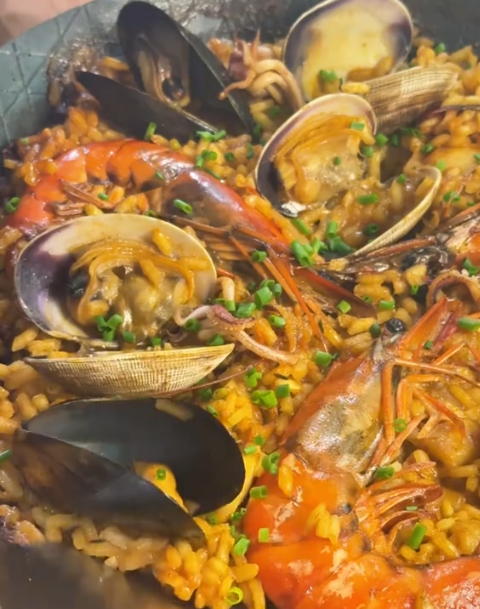
Spanish Paella is more than a meal; it is a cultural centerpiece that embodies the spirit of communal dining. Originating from the Valencia region, the dish relies on the synergy between short-grain rice and a rich, flavorful broth. To achieve an authentic result, one must focus on the “socarrat”—the caramelized layer of rice at the bottom of the pan that provides a crunchy contrast to the tender grains above.
The Essential Rice and Broth Foundation
The choice of rice is non-negotiable. Varieties such as Bomba or Calasparra are preferred because they can absorb up to three times their volume in liquid without becoming mushy. This absorption capacity allows the rice to soak up the essence of the seafood stock, which should be prepared using fish bones, shrimp shells, and aromatics like leeks and carrots.
- Saffron Infusion: Always bloom your saffron threads in warm liquid before adding them to the pan to ensure an even distribution of color and its distinct earthy aroma.
- Liquid-to-Rice Ratio: Typically, a 3:1 ratio is used, but this can vary based on the heat of your stove and the diameter of your paella pan.
Achieving the Perfect Socarrat
The hallmark of a masterfully cooked paella is the socarrat. This requires patience and a keen ear. During the final minutes of cooking, increase the heat slightly. You will hear a faint crackling sound, indicating that the moisture has evaporated and the rice is beginning to toast in the remaining oils. Be careful not to burn it; the goal is a deep golden brown, not black.
Sophisticated Shrimp Techniques: From French Garlic Butter to Savory Potato Pairings
Shrimp is perhaps the most versatile protein in the seafood world, capable of absorbing intense flavors while maintaining a satisfying “snap” when cooked correctly. Two distinct styles showcase this versatility: the rich, emulsified sauces of French cuisine and the comforting, starch-driven pairings found in rustic home cooking.
French Garlic Butter Shrimp (Crevettes au Beurre d’Ail)
French technique emphasizes the quality of the fat. Using high-fat European-style butter is essential for creating a sauce that clings to the shrimp. The key is to sauté the garlic just until fragrant—never brown—to avoid bitterness. Deglazing the pan with a dry white wine like Sauvignon Blanc adds a necessary acidity that cuts through the richness of the butter.
| Component | Purpose | Pro Tip |
|---|---|---|
| Unsalted Butter | Richness and mouthfeel | Use cold cubes at the end to mount the sauce. |
| Fresh Parsley | Herbaceous brightness | Add only at the very end to preserve color. |
| Lemon Zest | Aromatic lift | Avoid the white pith to prevent bitterness. |
The Synergy of Shrimp and Potatoes
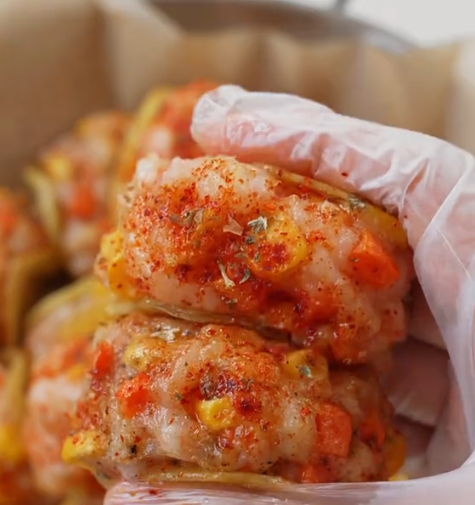
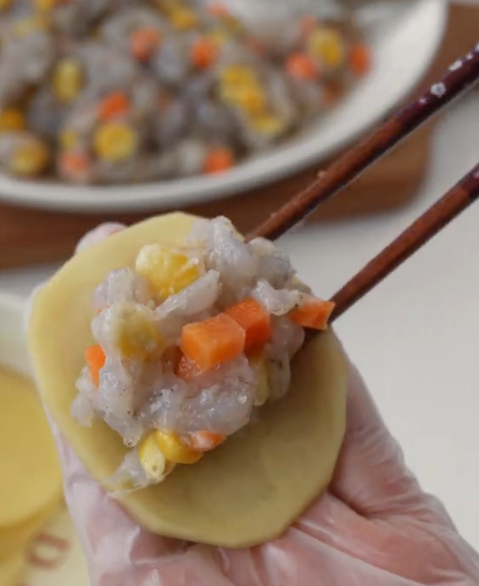
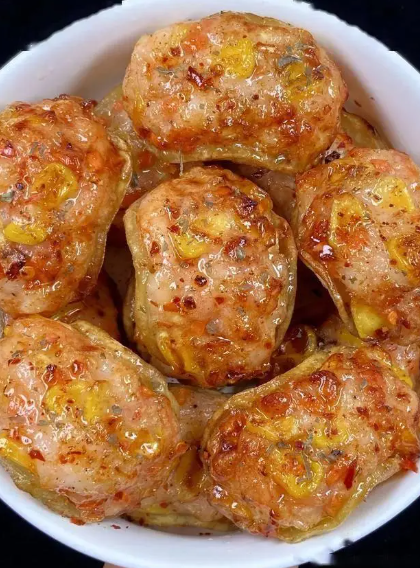
In many coastal traditions, potatoes are used to extend the meal and provide a soft texture that contrasts with the firm shrimp. When these two are cooked together, the potatoes release a small amount of starch, which helps thicken the cooking juices into a natural gravy. This preparation often utilizes aromatics like rosemary or thyme to bridge the gap between the earthiness of the tubers and the sweetness of the shellfish.
The Precision of Steaming: Achieving Perfect Fish, Scallops, and Crab
Steaming is the most unforgiving yet rewarding seafood technique. It preserves the natural moisture and delicate nutrient profile of the fish better than any other method. The secret lies in heat control and the timing of the aromatics.
Mastering the Whole Steamed Fish
A whole fish, such as sea bass or snapper, is ideal for steaming. The bones contribute flavor and help the flesh remain juicy. To ensure even cooking, make diagonal slashes across the thickest part of the fish and stuff them with ginger slices and scallion whites. This allows the steam to penetrate the core while infusing the meat with anti-inflammatory aromatics.
Garlic Vermicelli Scallops: A Texture Masterclass
This classic dish uses glass noodles (vermicelli) as a bed for scallops. The noodles serve a functional purpose: they catch every drop of the scallop’s natural juices and the savory garlic soy dressing.
Step-by-Step Logic:
- Soak vermicelli until pliable but still firm.
- Place a nest of noodles on the half-shell, followed by the cleaned scallop.
- Top with a generous amount of minced garlic sautéed in neutral oil.
- Steam for exactly 5-7 minutes depending on size; overcooking results in a rubbery texture.
Steaming Crab for Maximum Roe Retention
When dealing with high-quality crabs, particularly those prized for their roe, steaming is the only way to ensure the delicate fat doesn’t wash away. Place the crabs upside down in the steamer to prevent the golden roe from leaking out. Adding a splash of Shaoxing wine or ginger juice to the steaming water can help neutralize any overly “fishy” scents while enhancing the sweetness of the crab meat.
Global Seafood Comfort: Authentic Fish & Chips and Zesty Fish Tacos
Seafood also shines in casual, high-flavor formats like the British pub classic Fish & Chips and the vibrant, citrus-forward Fish Taco. Both rely on the contrast between a crispy exterior and a tender, flaky interior.
The Science of the Perfect Beer Batter
For authentic Fish & Chips, the batter must be light and airy. Carbonation in the beer is the secret ingredient; the bubbles expand rapidly when hitting the hot oil, creating a honeycomb-like structure in the crust. Using a high-protein flour mixed with a bit of cornstarch ensures a long-lasting crunch that won’t go soggy before it reaches the table. Maintain an oil temperature of 350°F (175°C) for the best results.
Constructing the Ultimate Fish Taco
Fish tacos thrive on the “Golden Trio” of components: the protein, the crunch, and the cream. Whether you grill or fry the fish (typically a white fish like Mahi-Mahi or Cod), the accompaniments are what define the dish.
- The Slaw: Use shredded cabbage tossed in lime juice and cilantro for a refreshing bite.
- The Crema: A blend of sour cream (or Mexican crema), chipotle in adobo, and lime zest provides the necessary fat and heat.
- The Tortilla: Always char your corn tortillas over an open flame for a smoky aroma and improved structural integrity.
Frequently Asked Questions (FAQ)
- Q1: How do I know when steamed fish is perfectly cooked?
- The most reliable method is to check the thickest part of the fish with a chopstick or fork. If the flesh flakes easily and has turned from translucent to opaque all the way to the bone, it is ready. An internal temperature of 145°F (63°C) is the professional standard.
- Q2: Why does my paella rice always turn out mushy?
- Mushy rice is usually the result of two things: using the wrong type of rice (like long-grain or risotto rice) or stirring the rice after it has been distributed in the pan. Once the rice is added to the broth, do not stir it, as this releases starch and creates a creamy, rather than distinct, grain texture.
- Q3: Can I use frozen shrimp for French Garlic Butter Shrimp?
- Yes, but you must thaw them completely and pat them extremely dry with paper towels. Excess moisture on frozen shrimp will cause them to steam in the pan rather than sear, preventing the butter from properly emulsifying into a thick sauce.
- Q4: What is the best oil for frying fish?
- High smoke point oils are essential. Peanut oil, canola oil, or grapeseed oil are excellent choices. Avoid extra virgin olive oil for deep frying, as its low smoke point will result in a burnt flavor and potential carcinogens.
- Q5: How do I select the best crabs for steaming?
- Look for crabs that feel heavy for their size, which indicates they are full of meat and roe. If buying live, they should be active. For species like the Dungeness or Blue crab, a hard shell is a sign that the crab has fully grown into its current casing and is at its peak meat density.