The Ultimate Guide to Authentic Vietnamese Spring Rolls
The Anatomy of Authentic Vietnamese Spring Rolls
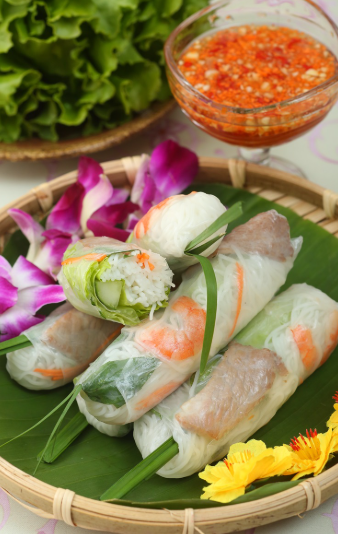
Vietnamese spring rolls, known locally as Gỏi Cuốn, represent the pinnacle of fresh, healthy, and vibrant Southeast Asian cuisine. Unlike the deep-fried variety, these translucent rolls—often called “summer rolls”—rely on the quality of raw ingredients and the textural contrast between crunchy vegetables and succulent proteins.
Understanding the Cultural Significance
Gỏi Cuốn translates literally to “salad rolls.” Historically, they originated as a way to utilize fresh herbs from home gardens alongside rice vermicelli and local proteins. They are a staple of Vietnamese communal dining, emphasizing the balance of flavor profiles: salty, sweet, sour, and spicy.
Essential Ingredients and Preparation Techniques
To achieve a professional-grade roll, you must prioritize the integrity of your components. The rice paper (Bánh Tráng) must be handled with care to avoid tearing, while the herbs provide the aromatic backbone of the dish.
Ingredient Checklist for Success
- Rice Paper: Look for thin, tapioca-blended sheets for the best elasticity.
- Rice Vermicelli: Boil for exactly 3-5 minutes, then rinse in cold water to stop the cooking process.
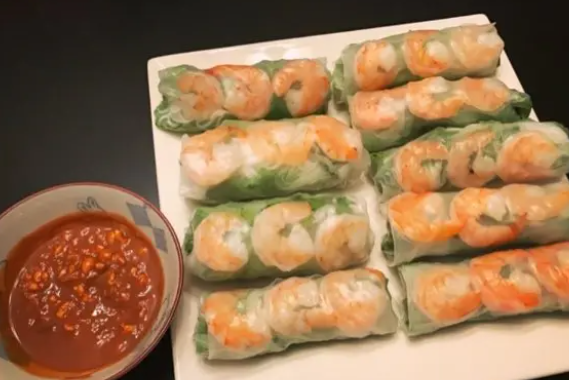
- Proteins: Traditional options include boiled pork belly and poached shrimp.
- Fresh Herbs: Thai basil, mint, and cilantro are non-negotiable for an authentic flavor profile.
Mastering the Rolling Technique
The secret to a tight, professional-looking roll lies in the moisture control of the rice paper. If the paper is too wet, it becomes gummy; too dry, and it cracks during the folding process.
Step-by-Step Folding Procedure
- Quickly dip the rice paper in warm water for 2 seconds.
- Lay flat on a clean surface and add herbs first to ensure they show through the translucent skin.
- Add a small portion of vermicelli, followed by the protein.
- Fold the sides inward, then roll firmly from the bottom to create a cylinder.
| Component | Preparation Tip |
|---|---|
| Rice Paper | Use a shallow bowl of warm water with a splash of sugar for better browning/texture. |
| Shrimp | Slice lengthwise to double the surface area and visual appeal. |
| Vermicelli | Drain thoroughly to prevent the rice paper from dissolving. |
Frequently Asked Questions (FAQ)
- Why does my rice paper fall apart or get too sticky?
- You are likely soaking the paper for too long. It should be dipped once and allowed to soften on the board while you add your ingredients. It continues to hydrate as you work.
- Can I prepare these rolls in advance?
- Gỏi Cuốn are best served immediately. If you must prep ahead, cover them with a slightly damp paper towel and plastic wrap to keep the rice paper from drying out and turning brittle.
- What is the best dipping sauce for Gỏi Cuốn?
- A rich peanut hoisin sauce is the gold standard. It balances the savory pork and fresh herbs with a creamy, salty-sweet profile that elevates the entire dish.
- Are Vietnamese spring rolls gluten-free?
- Yes, rice paper and rice vermicelli are naturally gluten-free. Always check your hoisin sauce labels, however, as some brands contain wheat-based ingredients.