The Ultimate Guide to Beef Stew: From Ancient Origins to Global Recipes
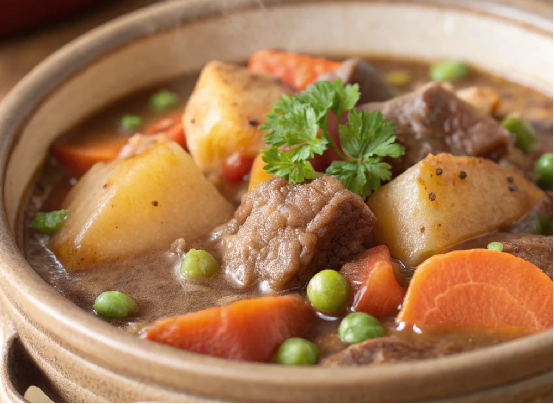
Beef stew is more than just a meal; it’s a universal symbol of comfort, a culinary tradition that has warmed hearts and homes for centuries. This one-pot wonder, characterized by its slow-simmered chunks of tender meat and hearty vegetables bathed in a rich, savory broth, represents a history as deep and flavorful as the dish itself. From ancient fire pits to modern kitchens, the act of stewing has been a fundamental cooking method that transforms tough cuts of meat into melt-in-your-mouth delicacies. This guide will take you on a journey through the history of beef stew, deconstruct its essential components, and provide a detailed recipe for a spectacular Argentinian variation, ensuring you have all the knowledge to create the perfect pot of comfort.
The Rich History of Beef Stew: A Culinary Journey Through Time
The concept of stewing is one of humanity’s oldest cooking techniques. It predates many forms of modern cookery and speaks to a fundamental need for nourishment and resourcefulness. Its evolution mirrors the development of human civilization, from rudimentary survival techniques to sophisticated culinary arts.
Ancient Beginnings: Cooking Before Pots
Long before the invention of pottery, early humans devised ingenious methods for stewing. Archaeological evidence suggests that they would dig pits, line them with animal hides or large leaves, and fill them with water, meat, and wild vegetables. The cooking process involved dropping fire-heated stones into the water, bringing it to a simmer. This slow, gentle cooking process was perfect for breaking down the tough connective tissues in less desirable cuts of meat, making them palatable and unlocking valuable nutrients. The invention of pottery vessels revolutionized this process, allowing for more controlled and efficient cooking over an open fire, laying the groundwork for the stews we know today.
The European Influence: From Roman Feasts to French Classics
As civilizations advanced, so did their culinary practices. The Roman Empire, known for its lavish banquets, documented early stew recipes in texts like the famous “Apicius” cookbook. These early versions often featured a complex blend of meats, vegetables, and exotic spices. However, it was in Europe, particularly France, where beef stew was elevated to an art form. The iconic Boeuf Bourguignon, a stew of beef braised in red wine (traditionally from Burgundy) with mushrooms, onions, and bacon, became a cornerstone of French cuisine. Similarly, Hungary developed its own world-renowned version, Goulash, a rich stew seasoned heavily with paprika, which became a national dish and a symbol of the country’s culinary identity.
Beef Stew in the New World: A Melting Pot of Flavors
When European immigrants traveled to the Americas, they brought their culinary traditions with them. Beef stew quickly became a staple, adapting to the local ingredients and cultural influences of the new land. It was the perfect “melting pot” dish, a one-pot meal that could be stretched to feed large families and adapted with whatever was on hand. This adaptability is its greatest strength, allowing for endless regional variations, from the hearty, root-vegetable-laden stews of North America to the vibrant, uniquely flavored stews of South America.

The Anatomy of a Perfect Beef Stew
While recipes vary wildly, all great beef stews are built on a foundation of core components and techniques. Understanding these elements is key to moving beyond simply following a recipe to truly mastering the art of the stew.
Choosing the Best Cut of Beef for Tenderness
The secret to incredibly tender beef in a stew lies in choosing the right cut. You should look for cuts that are rich in collagen and connective tissue. These are typically tougher, more muscular cuts that become succulent and tender during the long, slow cooking process. Lean, expensive cuts like tenderloin will become dry and tough. The best choices include:
- Beef Chuck: This is the gold standard for stew. It comes from the shoulder and has an excellent balance of meat and fat, which melts down to create a rich, flavorful broth.
- Boneless Short Rib: While pricier, short rib offers an unparalleled richness and a melt-in-your-mouth texture.
- Brisket: The point cut of the brisket, with its higher fat content, is a fantastic choice for a deeply beefy and tender stew.
Building Flavor: The Importance of the Maillard Reaction
One of the most critical steps in making a deeply flavorful stew is browning the meat. This is not about cooking the meat through; it’s about creating a dark brown crust on the surface. This process, known as the Maillard reaction, is a chemical reaction between amino acids and reducing sugars that creates a massive amount of complex flavor. Always pat your beef dry before searing, work in batches to avoid overcrowding the pan, and ensure your pot is sufficiently hot. The browned bits left in the bottom of the pot, known as “fond,” are pure flavor and should be scraped up when you add your liquid.
The Aromatic Base and Liquid Gold
The flavor foundation of most stews starts with a base of aromatic vegetables. A classic French mirepoix (a combination of diced onion, celery, and carrot) is the most common starting point. Sautéing these vegetables in the beef drippings after browning the meat adds another layer of complexity. The cooking liquid is equally important. While water can be used, a high-quality beef broth or stock will provide a much richer result. For added depth, many recipes call for deglazing the pan with liquids like red wine, dark beer, or even a splash of vinegar to lift the flavorful fond from the bottom of the pot.

Master Recipe: Argentinian Carbonada Criolla
Embodying the “melting pot” spirit, the Argentinian Carbonada Criolla is a spectacular example of a beef stew that balances savory and sweet notes. It’s a hearty, comforting dish traditionally served during the colder months in Argentina and is often uniquely presented inside a hollowed-out pumpkin or squash.
What Makes Carbonada Criolla Unique?
Unlike its purely savory European cousins, Carbonada Criolla incorporates sweet elements that make it truly distinctive. The inclusion of ingredients like pumpkin, sweet potatoes, and corn provides a natural sweetness and creamy texture. Some variations even call for dried fruits like apricots or peaches, which rehydrate in the savory broth to provide delightful bursts of sweetness that complement the richness of the beef.
Complete Ingredient List
This recipe will yield approximately 6-8 servings.
| Ingredient | Quantity |
|---|---|
| Beef Chuck Roast, cut into 1.5-inch cubes | 2 lbs (approx. 1 kg) |
| Olive Oil | 2 tablespoons |
| Large Onion, chopped | 1 |
| Red Bell Pepper, chopped | 1 |
| Garlic Cloves, minced | 3-4 |
| Dry White Wine (e.g., Sauvignon Blanc) | 1/2 cup |
| Diced Tomatoes, with juice | 1 (14.5 oz) can |
| Beef Broth | 4 cups |
| Butternut Squash or Pumpkin, peeled and cubed | 2 cups |
| Sweet Potatoes, peeled and cubed | 2 |
| Corn Kernels (fresh or frozen) | 1.5 cups |
| Dried Oregano | 1 teaspoon |
| Smoked Paprika | 1 teaspoon |
| Ground Cumin | 1/2 teaspoon |
| Salt and Black Pepper | To taste |
Step-by-Step Cooking Instructions
- Sear the Beef: Pat the beef cubes dry with a paper towel and season generously with salt and pepper. Heat the olive oil in a large Dutch oven or heavy-bottomed pot over medium-high heat. Working in batches, sear the beef on all sides until a deep brown crust forms. Remove the beef and set aside.
- Sauté Aromatics: Reduce the heat to medium. Add the chopped onion and bell pepper to the pot, cooking until softened, about 5-7 minutes. Add the minced garlic and cook for another minute until fragrant.
- Deglaze and Build the Broth: Pour in the white wine to deglaze the pot, scraping up any browned bits from the bottom with a wooden spoon. Let the wine simmer and reduce by about half. Stir in the diced tomatoes, beef broth, oregano, paprika, and cumin.
- Simmer the Beef: Return the seared beef to the pot. Bring the liquid to a boil, then reduce the heat to low, cover, and let it simmer gently for at least 1.5 to 2 hours, or until the beef is becoming tender.
- Add Vegetables: Add the cubed butternut squash and sweet potatoes to the pot. Stir to combine, cover, and continue to simmer for another 45-60 minutes, or until the vegetables and beef are fork-tender.
- Finish with Corn: During the last 15 minutes of cooking, stir in the corn kernels. Taste the stew and adjust seasoning with salt and pepper as needed. Serve hot, garnished with fresh parsley if desired.

Exploring Iconic Beef Stews from Around the Globe
The beauty of beef stew lies in its incredible diversity. Nearly every culture has its own version, reflecting its history, agriculture, and palate. Exploring these variations is a delicious way to travel the world from your own kitchen.
France’s Boeuf Bourguignon: A Wine-Lover’s Dream
Hailing from the Burgundy region of France, this is arguably the most famous beef stew in the world. Its defining characteristic is the generous use of Burgundy red wine in the braising liquid, which imparts a deep, complex, and slightly acidic flavor. The stew is further enriched with pearl onions, mushrooms, and lardon (cubed bacon), creating a sophisticated and profoundly savory dish.
Hungary’s Goulash: The Paprika-Spiced Classic
Goulash is a staple of Hungarian cuisine, a hearty stew that ranges in consistency from a thick soup to a dense ragu. Its signature flavor and vibrant red color come from a liberal use of paprika, both sweet and sometimes hot. Often containing beef, onions, and potatoes, it’s a rustic and warming dish that is central to Hungarian cultural identity.
Ireland’s Hearty Stew: A St. Patrick’s Day Staple
While traditionally made with mutton or lamb, beef is a common and delicious substitute in modern Irish stew. This is a simpler, more rustic stew, letting the core ingredients shine. It typically features root vegetables like potatoes and carrots, with the broth often thickened by the starch from the potatoes themselves. For a truly authentic touch, a splash of Guinness or other stout beer is added to the braising liquid, lending a malty depth of flavor.

Pro Tips for Elevating Your Homemade Stew
A few simple techniques can take your beef stew from good to unforgettable. These professional tips focus on texture, pairings, and maximizing flavor.
How to Thicken Your Stew for the Perfect Consistency
If your stew is thinner than you’d like, there are several easy ways to thicken it. A common method is to create a slurry by whisking together a tablespoon of cornstarch or flour with a few tablespoons of cold water until smooth, then stirring it into the simmering stew. Alternatively, you can mash some of the cooked potatoes or vegetables against the side of the pot to release their starches, or simply let the stew simmer with the lid slightly ajar to allow excess liquid to evaporate.
Perfect Pairings: What to Serve with Beef Stew
Beef stew is a complete meal in itself, but the right accompaniment can elevate the experience. Classic pairings are designed to soak up the delicious broth. Consider serving your stew with:
- Crusty Bread: A rustic baguette or sourdough is perfect for dipping.
- Creamy Mashed Potatoes: A bed of fluffy mashed potatoes is a classic and comforting choice.
- Egg Noodles: Wide egg noodles are a hearty partner, especially for Goulash-style stews.
- Polenta or Grits: A creamy, cheesy polenta provides a wonderful textural contrast.
Storing and Reheating: Why Stew is Better the Next Day
It’s a well-known fact that beef stew often tastes even better on the second day. As the stew cools and rests overnight in the refrigerator, the flavors meld and deepen, resulting in a more cohesive and complex taste. Store leftover stew in an airtight container in the refrigerator for up to 4 days. Reheat it gently on the stovetop over low heat, adding a splash of broth or water if it has become too thick.
Frequently Asked Questions (FAQ)
- Q1: What is the best cut of beef for stew?
- The best cuts for stew are tougher, collagen-rich meats from the shoulder or leg. Beef chuck is the most popular and reliable choice as its fat and connective tissue break down during slow cooking, resulting in tender meat and a rich broth. Boneless short rib and brisket are also excellent, albeit more expensive, options.
- Q2: How can I make my stew beef more tender?
- Tenderness comes from two key factors: the right cut of meat and the right cooking method. Start with a cut like beef chuck. The most crucial step is to cook it low and slow for a long period (typically 2-3 hours). This gentle, moist heat is essential for breaking down tough collagen into gelatin, which makes the meat incredibly tender. Rushing the process with high heat will cause the muscle fibers to seize and become tough.
- Q3: What’s the difference between a stew and a soup?
- The primary difference lies in the amount of liquid. In a stew, the ingredients (meat and vegetables) are the main focus and are only partially submerged in liquid, which is then simmered down to create a thick, gravy-like sauce. In a soup, the ingredients are fully submerged in a larger volume of liquid, which remains the dominant component of the dish.
- Q4: Can I prepare beef stew in a slow cooker or Instant Pot?
- Absolutely. Beef stew is perfectly suited for both appliances. For a slow cooker, brown the meat and sauté the aromatics on the stovetop first for maximum flavor, then transfer everything to the slow cooker and cook on low for 6-8 hours. For an Instant Pot, use the “Sauté” function to brown the meat and vegetables, then pressure cook on high for about 35-40 minutes, followed by a natural release.
- Q5: Why does my stew taste bland and how can I fix it?
- Blandness in a stew usually stems from a lack of seasoning or flavor development. Ensure you are generously seasoning the beef with salt and pepper before browning. The browning step itself is critical for flavor. To fix a bland stew, consider adding a splash of acid (like red wine vinegar or lemon juice) at the end to brighten the flavors. Umami-rich ingredients like a teaspoon of tomato paste, Worcestershire sauce, or soy sauce can also add significant depth.