Mastering Chinese Culinary Arts: Mapo Tofu and Squirrel Mandarin Fish
The Art of Mapo Tofu: Balancing Heat and Numbing Spice
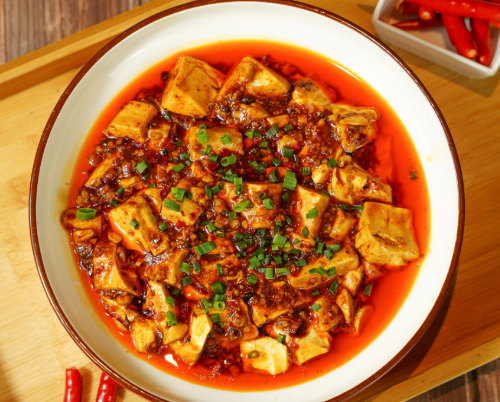
Mapo Tofu is more than just a spicy dish; it is a masterclass in the balance of textures and flavors known as Mala—the combination of numbing Sichuan peppercorns and fiery chili oil. Originating from Chengdu, this dish relies on the structural integrity of soft silken tofu contrasted against the savory crunch of minced meat and the aromatic depth of fermented broad bean paste (Doubanjiang).
Essential Components for Authentic Mapo Tofu
To achieve the perfect Mapo Tofu, one must understand the interaction between the ingredients. The sauce must be rich, red, and cling to every cube of tofu without breaking it apart.
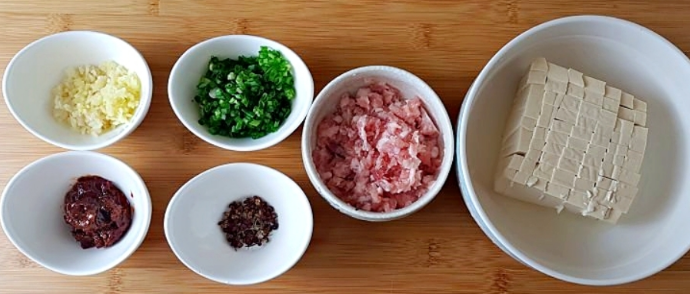
- Doubanjiang (Broad Bean Paste): The soul of the dish. It provides the umami and depth that anchors the flavor profile.
- Sichuan Peppercorns: These are non-negotiable. They provide the signature numbing sensation that distinguishes Sichuan cuisine from other regional styles.
- Silken Tofu: The texture must be velvety. Pre-blanching the tofu in salted water helps it hold its shape during the final stir-fry process.
Squirrel Mandarin Fish: A Jiangnan Culinary Masterpiece
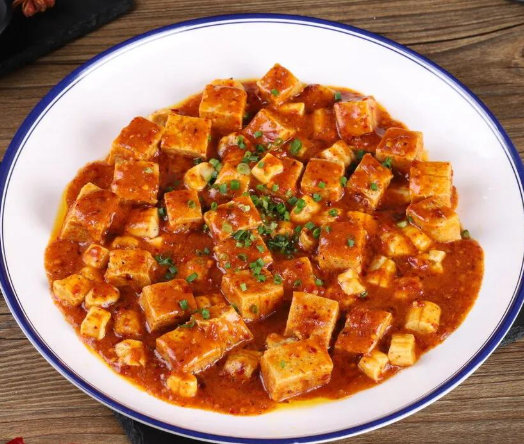
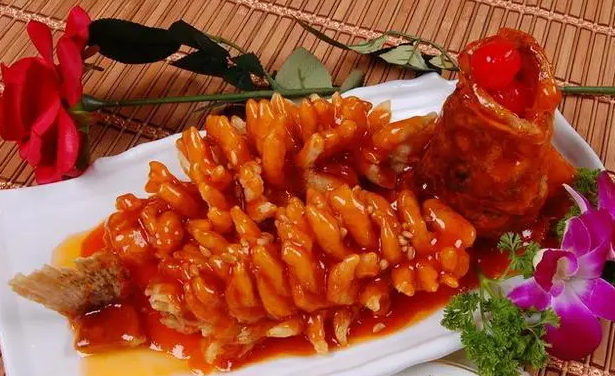
Squirrel Mandarin Fish, or Songshu Guiyu, represents the pinnacle of aesthetic presentation and technical skill in Jiangnan cuisine. Its name is derived from the fish’s appearance after frying, where the scored meat blossoms into a shape resembling a squirrel’s tail. This dish requires precision in knife work and temperature control to ensure the exterior is crispy while the interior remains succulent.
The Geometry of the Cut
The “squirrel” effect is not accidental; it is the result of a specific cross-hatch cutting technique. The chef slices the fish flesh into a diamond pattern, careful not to pierce the skin. When the fish hits the hot oil, the segments fan out, creating a textured surface that is ideal for catching the thick, glossy sweet-and-sour sauce.
The Balance of Sweet and Sour
Unlike the spicy profiles of the West, this Jiangnan classic focuses on a delicate harmony between sugar and vinegar. The sauce must be perfectly thickened to create a glaze that coats the fish evenly, providing a sharp, refreshing finish that cuts through the richness of the deep-fried protein.
Comparative Analysis of Regional Cooking Techniques
Understanding the fundamental differences between Sichuan and Jiangnan cooking allows home cooks to broaden their culinary repertoire. While both rely on fresh ingredients, their approaches to heat and flavor profiles vary significantly.
| Feature | Mapo Tofu (Sichuan) | Squirrel Mandarin Fish (Jiangnan) |
|---|---|---|
| Primary Flavor Profile | Mala (Spicy & Numbing) | Sweet & Sour |
| Texture Focus | Silken and Soft | Crispy and Succulent |
| Key Seasoning | Doubanjiang & Chili Oil | Sugar & Rice Vinegar |
Advanced Preparation Strategies for Home Chefs
Both dishes require meticulous preparation. For Mapo Tofu, the secret lies in the “Wok Hei” or the breath of the wok, achieved by high-heat stir-frying of the aromatics. For the Squirrel Mandarin Fish, the challenge is the double-fry method—a quick fry to set the shape, followed by a higher-heat fry to achieve the signature crunch.
Common Pitfalls to Avoid
- Over-stirring Tofu: Always slide the spatula along the edge of the wok to prevent breaking the cubes.
- Improper Oil Temperature: If the oil is not hot enough for the fish, it will become greasy rather than crispy. Use a thermometer to ensure the oil reaches 170-180°C.
Frequently Asked Questions (FAQ)
- Q1: How do I prevent silken tofu from breaking when cooking Mapo Tofu?
- Blanching the tofu in boiling salted water for 1-2 minutes before adding it to the sauce strengthens the outer layer of the tofu, making it more resilient to stirring.
- Q2: Can I substitute Mandarin fish for another type of fish?
- Yes, you can use any firm-fleshed white fish. The key is to ensure it is fresh and has a structure that allows for the cross-hatch scoring technique.
- Q3: Why is my Squirrel Mandarin Fish sauce not sticking to the fish?
- Ensure your sauce is thickened with a cornstarch slurry. The sauce should be cooked until it reaches a “nappe” consistency—thick enough to coat the back of a spoon.
- Q4: How do I control the numbing intensity of Mapo Tofu?
- Adjust the amount of ground Sichuan peppercorn powder added at the very end of the cooking process. Toasting whole peppercorns before grinding them significantly enhances the aroma.