The Ultimate Guide to Perfect Braised Spare Ribs
The Science of Braising Spare Ribs
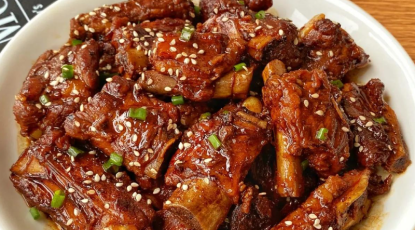
Braising is a combination cooking method that uses both moist and dry heat. For spare ribs, which contain significant amounts of collagen and connective tissue, this technique is essential. The slow, gentle heat of the braise allows the collagen to break down into gelatin, transforming tough cuts into succulent, melt-in-your-mouth masterpieces.
Why Braising Outperforms Grilling for Tenderness
While grilling provides a charred exterior, it often leaves the interior of the rib dry if not managed perfectly. Braising, by contrast, keeps the meat submerged in a flavorful liquid, ensuring a consistent internal temperature and preventing moisture loss throughout the long cooking process.
Essential Preparation and Ingredients
Achieving restaurant-quality results starts with selecting the right cut. Look for ribs with a good balance of meat and fat. Preparing the surface by removing the membrane (the silver skin) is a non-negotiable step for optimal flavor absorption.
The Braising Liquid Strategy
The liquid you choose is the foundation of your flavor profile. A classic braise typically includes an aromatic base, a liquid component (like broth, wine, or soy sauce), and a sweetener to balance the savory notes of the pork.
| Ingredient Category | Purpose | Recommended Examples |
|---|---|---|
| Aromatics | Flavor Base | Garlic, Ginger, Shallots, Star Anise |
| Liquid | Hydration | Chicken Stock, Shaoxing Wine, Dark Soy Sauce |
| Sweetener | Caramelization | Rock Sugar, Honey, Brown Sugar |
Step-by-Step Execution and Pro Tips
The process involves searing the ribs to lock in flavor, followed by a long, slow simmer. Patience is the primary ingredient here; rushing the process will result in chewy meat rather than tender ribs.
Common Pitfalls to Avoid
- Overcrowding the pot: Always sear ribs in batches to ensure proper browning.
- Boiling instead of simmering: Rapid boiling will toughen the proteins. Keep the liquid at a gentle bubble.
- Ignoring the resting phase: Allow the ribs to rest in the liquid for at least 15 minutes before serving to reabsorb juices.
Frequently Asked Questions (FAQ)
- How do I know when the spare ribs are fully cooked?
- The ribs are perfectly done when the meat has visibly shrunk back from the bone ends and is tender enough to be easily pulled away with a fork.
- Can I braise spare ribs in a slow cooker?
- Yes, a slow cooker is excellent for this. Simply follow the searing step in a pan, then transfer everything to the slow cooker on low for 6 to 8 hours.
- Should I remove the silver skin?
- Yes, removing the membrane allows the braising liquid to penetrate the meat from both sides, significantly improving texture and flavor.
- What is the best way to thicken the sauce at the end?
- Remove the ribs, then increase the heat to high to reduce the liquid, or whisk in a cornstarch slurry to achieve a glossy, coating consistency.