Innovative Fusion Cuisine: From Steamed Bun Pizza to Transparent Burgers
The Philosophy of Kitchen Creativity
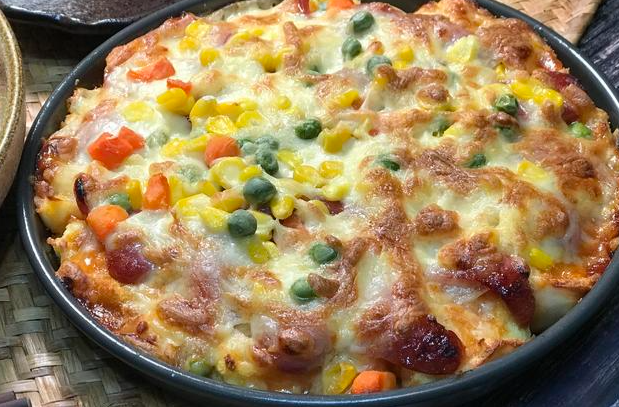
Culinary innovation is rarely about starting from scratch; it is about the recontextualization of existing elements. By merging disparate food cultures—such as the soft, pillowy texture of a Chinese steamed bun with the bold, savory profile of Italian pizza—home chefs can reduce food waste while elevating their technical repertoire. This approach encourages a mindset where leftovers are not seen as remnants, but as raw materials for experimentation.
Why Fusion Matters in Modern Cooking
Fusion cooking acts as a bridge between tradition and contemporary necessity. It allows for the integration of global flavors without requiring specialized equipment. When we analyze the success of hybrid dishes, we find that the core principles rely on balancing texture, acidity, and umami.
- Sustainability: Utilizing leftovers minimizes food waste and forces creative problem-solving.
- Cultural Exchange: Combining techniques like steaming and baking creates unique mouthfeels that single-origin dishes cannot replicate.
- Accessibility: Most fusion concepts require standard pantry staples, making them ideal for amateur chefs looking to expand their skills.
The Steamed Bun Pizza Method
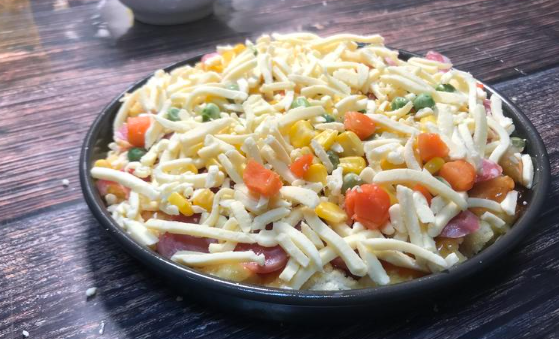
The steamed bun pizza is a masterclass in texture contrast. While traditional pizza relies on the Maillard reaction of a baked crust, the steamed bun provides a light, airy, and slightly sweet base that absorbs toppings differently. This method is particularly effective for utilizing leftover proteins like shredded chicken, braised beef, or roasted vegetables.
Step-by-Step Construction
To achieve the perfect result, one must manage the moisture content of the toppings carefully to prevent the dough from becoming soggy during the steaming process.
- Preparation: Use pre-made or frozen mantou (steamed buns). If using fresh dough, ensure it is proofed to optimal volume.
- Topping Selection: Opt for low-moisture ingredients. Sautéed mushrooms, caramelized onions, and pre-cooked proteins work best.
- The Steaming Process: Place the assembled buns in a bamboo steamer lined with parchment paper. Steam for 8-10 minutes over medium heat to ensure the dough is cooked through without collapsing.
Molecular Gastronomy and the Transparent Burger
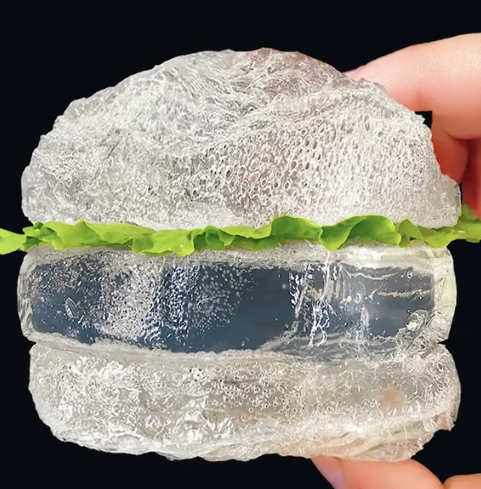
Moving from rustic leftovers to the cutting edge of science, the “Transparent Burger” represents the application of molecular gastronomy to everyday food. This concept is not about physical transparency, but about clarifying the essence of a burger—distilling the flavor profile into a visually minimalist format.
Techniques in Flavor Extraction
Molecular gastronomy provides tools to deconstruct and reconstruct familiar flavors. By using techniques like infusion, clarification, and gelification, chefs can create a dining experience that challenges the diner’s perception of what a “burger” is.
| Technique | Application | Result |
|---|---|---|
| Clarification | Meat stock extraction | Pure, intense flavor profile |
| Gelification | Agar-agar emulsions | Stable, textural flavor discs |
| Infusion | Smoke and spice layering | Deep, layered aromatics |
Bridging Tradition with Technical Precision
The common thread between a steamed bun pizza and a molecular burger is the intentional manipulation of ingredient states. Whether you are using a steamer basket to create a fluffy dough or using agar-agar to set a clarified broth, the goal remains the same: to surprise the palate by subverting expectations of form and function.
Advanced Strategies for Home Enthusiasts
To succeed at this level, one must document their experiments. Keep a log of ratios, particularly when working with gelling agents or dough hydration levels, as small variations can lead to significant differences in the final product.
Frequently Asked Questions (FAQ)
- Q1: Can I use any type of leftover for fusion dishes?
- While most leftovers are versatile, prioritize proteins and vegetables that retain their structural integrity when reheated. Avoid ingredients that release excessive water, as they can compromise the texture of steamed or delicate preparations.
- Q2: Is molecular gastronomy too expensive for a home kitchen?
- Not necessarily. While some professional tools are costly, ingredients like agar-agar, soy lecithin, and basic immersion blenders are affordable and available online. Start with simple clarification or gelification before investing in high-end lab equipment.
- Q3: How do I prevent steamed bun pizza from getting gummy?
- The key is to steam the bun only until it is set and to avoid overloading it with wet sauces. Use a concentrated tomato reduction or pesto instead of standard pizza sauce to keep the dough light and airy.
- Q4: What is the benefit of the “transparent” approach to food?
- The transparent approach forces the diner to focus entirely on the flavor profile rather than the visual clutter of a traditional burger. It highlights the quality of the ingredients and the precision of the preparation method.