The Ultimate Guide to Korean Soul Food: Mastering Budae Jjigae and Bibimbap
Korean cuisine is far more than just a collection of recipes; it is a profound reflection of the nation’s history, resilience, and philosophical outlook on health and harmony. Among the vast array of dishes that have gained international acclaim, two stand out for their distinct stories and sensory profiles: Budae Jjigae, often referred to as “Army Base Stew,” and Bibimbap, the quintessential mixed rice dish. While one was born out of necessity during times of hardship, the other is rooted in ancient royal traditions and nutritional philosophy. Together, they represent the spectrum of the Korean dining experience, from communal comfort to individualized wellness.
The Historical Evolution of Budae Jjigae (Army Base Stew)
Budae Jjigae is a dish that tells a story of survival and ingenuity. Its name literally translates to “army base stew,” reflecting its origins in the aftermath of the Korean War in the early 1950s. During this period, food was scarce, and many Koreans turned to surplus processed foods from U.S. military bases located in areas like Uijeongbu and Pyeongtaek to supplement their diets.
From Scarcity to Culinary Staple
The original Budae Jjigae was a makeshift creation. Local residents would take canned meats like Spam, hot dogs, and canned beans—items previously unknown in traditional Korean cooking—and boil them with spicy kimchi, gochugaru (chili flakes), and whatever vegetables were available. This fusion of Western processed proteins and traditional Korean seasonings created a unique, high-calorie, and deeply savory meal that provided comfort during a time of national recovery.
The Modern Cultural Context
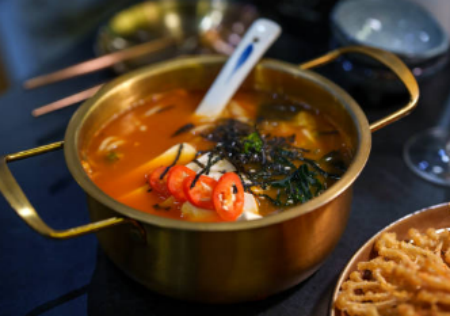
Today, Budae Jjigae has evolved from a survival food into a popular social meal. It is typically served in a large, shallow pot in the center of the table, kept simmering over a portable burner. This communal style of eating emphasizes the Korean value of Jeong (social bonding and affection). In modern Seoul, you will find specialized Budae Jjigae restaurants that offer dozens of toppings, ranging from artisanal sausages to premium cheeses, proving that this “fusion” dish has become a permanent and beloved fixture of the culinary landscape.

Anatomy of the Perfect Korean Army Pot: Essential Ingredients
The success of a Budae Jjigae lies in the layering of flavors. It requires a balance between the salty richness of processed meats and the sharp, fermented acidity of well-aged kimchi. Unlike many traditional stews that rely on a single protein, the Army Pot is a maximalist dish where variety is the goal.
The Protein Foundation
To achieve the authentic “base” flavor, you must use a variety of cured meats. Spam is non-negotiable; its high fat content and saltiness provide the essential umami that defines the broth. Sliced frankfurters or cocktail sausages add a different texture, while ground beef or bacon can be added for extra depth. Some modern variations even include sliced pepperoni or bologna.
The Aromatic and Spicy Base
The broth is seasoned with a potent paste made from Gochujang (Korean red chili paste), Gochugaru (red chili flakes), minced garlic, soy sauce, and a touch of sugar. This mixture is what transforms the water or stock into a vibrant, spicy elixir. Crucially, the kimchi used must be “sour” or over-fermented; fresh kimchi will not provide the necessary acidic punch to cut through the fat of the meats.
| Ingredient Category | Essential Items | Purpose in Dish |
|---|---|---|
| Canned/Processed | Spam, Hot Dogs, Baked Beans | Provides saltiness and fatty umami base. |
| Vegetables | Kimchi, Scallions, Onions, Mushrooms | Adds texture, acidity, and aromatic depth. |
| Starch | Ramen Noodles, Rice Cakes (Tteok) | Thickens the soup and provides satiety. |
| Flavor Enhancers | Gochujang, Garlic, Anchovy Broth | The spicy, savory core of the stew. |

Step-by-Step Preparation: Crafting Authentic Budae Jjigae
Cooking Budae Jjigae is as much about the arrangement of the pot as it is about the simmering process. Follow these steps to ensure a restaurant-quality result that looks as good as it tastes.
Step 1: Preparing the Base Broth
While plain water can be used, a traditional anchovy and kelp stock provides a much richer foundation. Simmer dried anchovies and a piece of dried kelp (dashima) for 15 minutes, then strain. For a modern twist, some chefs use a mixture of beef bone broth and water for a creamier mouthfeel.
Step 2: The “Jung-jeol” Arrangement
In a wide, shallow pot, arrange your ingredients in clusters. Place the sliced Spam in one section, the sausages in another, followed by tofu, mushrooms, onions, and the chopped kimchi in the center. This visual organization is key to the presentation. Add the spicy seasoning paste on top of the kimchi. Pour the broth gently around the edges so as not to disturb the arrangement.
Step 3: The Simmer and Finishing Touches
Bring the pot to a boil over medium-high heat. Once boiling, use a spoon to gently incorporate the seasoning paste into the liquid. This is the time to add ramen noodles and a slice of American cheese. The cheese might seem unusual, but it melts into the broth, adding a silky texture and mellowing the spice of the chili. Cook until the noodles are al dente and serve immediately.

Bibimbap: The Philosophical and Nutritional Heart of Korean Cuisine
If Budae Jjigae represents resilience, Bibimbap represents harmony. This dish, which literally means “mixed rice,” is perhaps the most recognizable symbol of Korean food. It consists of a bowl of warm white rice topped with namul (seasoned vegetables), gochujang, and often a fried egg or sliced meat, all intended to be stirred together thoroughly before eating.
The Symbolism of Obangsaek
Bibimbap is deeply rooted in the traditional Korean color theory known as Obangsaek. This philosophy dictates that five specific colors—white, black, green, red, and yellow—represent the five elements of the universe and the five major organs of the human body.
- Green: Represents the liver and the element of wood (usually spinach or zucchini).
- Red: Represents the heart and the element of fire (carrots or chili paste).
- Yellow: Represents the stomach and the element of earth (egg yolk or sprouts).
- White: Represents the lungs and the element of metal (rice or radish).
- Black/Dark: Represents the kidneys and the element of water (shiitake mushrooms or seaweed).
By consuming all these colors in one meal, the diner is believed to be achieving internal balance and holistic health.
Nutritional Excellence
From a modern nutritional standpoint, Bibimbap is a near-perfect meal. It is naturally high in fiber from the variety of vegetables, contains lean protein, and uses fermented gochujang which aids in digestion. It is a customizable dish that can easily be adapted for vegetarians or vegans without losing its cultural essence.

Regional Variations and Modern Adaptations of Bibimbap
While the basic concept of Bibimbap remains the same, different regions in Korea have developed their own prestigious versions, each emphasizing local ingredients and specific preparation methods.
Jeonju Bibimbap: The Gold Standard
Jeonju is considered the culinary capital of Korea, and its version of Bibimbap is legendary. What sets Jeonju Bibimbap apart is that the rice is cooked in beef brisket broth rather than plain water, and it is topped with high-quality ingredients like raw beef (yukhoe) and mung bean sprout jelly (hwangpomuk). It is served with a side of bean sprout soup, creating a luxurious and complex flavor profile.
Dolsot Bibimbap: The Sizzle of the Stone Pot
One of the most popular modern variations is Dolsot Bibimbap. In this version, the dish is served in a preheated stone bowl (dolsot) coated with sesame oil. As the rice sits against the hot stone, it forms a golden, crispy crust known as nurungji. This adds a delightful crunch and a smoky aroma to the dish, making it a favorite during the cold winter months.

The Art of Mixing: Why Technique Matters in Korean Dining
In Korean culture, the act of mixing is just as important as the ingredients themselves. For both Budae Jjigae and Bibimbap, the final flavor is achieved through the integration of disparate elements.
How to Mix Bibimbap Properly
To maintain the texture of the vegetables, Koreans often recommend mixing Bibimbap with chopsticks rather than a spoon. This keeps the rice grains fluffy and prevents the vegetables from becoming mushy. Only after the ingredients are thoroughly coated in the sesame oil and gochujang should you use a spoon to enjoy a large, balanced mouthful.
The Communal Experience of the Army Pot
With Budae Jjigae, the “mixing” happens as the stew boils down. The starch from the ramen noodles and the melting cheese thicken the broth, while the flavors of the various meats infuse into the tofu and vegetables. It is a dynamic dish that changes flavor from the first scoop to the last, often ending with a “fried rice” course where the remaining concentrated broth is mixed with rice and seaweed on the same pan.
Frequently Asked Questions (FAQ)
- Q1: Can I make Budae Jjigae without Spam?
- While Spam is the traditional ingredient that provides the signature salty umami, you can substitute it with other salty cured meats like ham or thick-cut bacon. However, the flavor profile will shift toward a more traditional stew. For a healthier version, look for low-sodium Spam alternatives.
- Q2: Is Bibimbap always served spicy?
- Not necessarily. While gochujang is the standard condiment, you can control the spice level by adding more or less. Some variations, especially those served to children or those who prefer mild flavors, use a seasoned soy sauce (ganjang) base instead of the red chili paste.
- Q3: Why is the stone pot (Dolsot) so important for Bibimbap?
- The stone pot retains heat throughout the entire meal, ensuring your food stays hot. More importantly, it creates the “nurungji” (crispy rice) at the bottom, which is considered a delicacy and adds a unique textural contrast to the soft toppings.
- Q4: What are the best side dishes (Banchan) to serve with these meals?
- For Budae Jjigae, simple sides like pickled radish (danmuji) or a light potato salad help balance the heat. For Bibimbap, a light soup like dried pollack soup or bean sprout soup is the traditional accompaniment to cleanse the palate between bites.
- Q5: Can Budae Jjigae be made vegetarian?
- Yes, though it requires significant substitutions. You can use plant-based sausages and “faked” meats, along with plenty of mushrooms (shiitake and oyster) to replicate the umami. Ensure the kimchi used is vegan (made without fish sauce) and use a vegetable-based kelp broth.