The Ultimate Guide to Wagyu Beef: Fat, Texture, Grading, and Culinary Mastery
Understanding Wagyu: More Than Just Beef
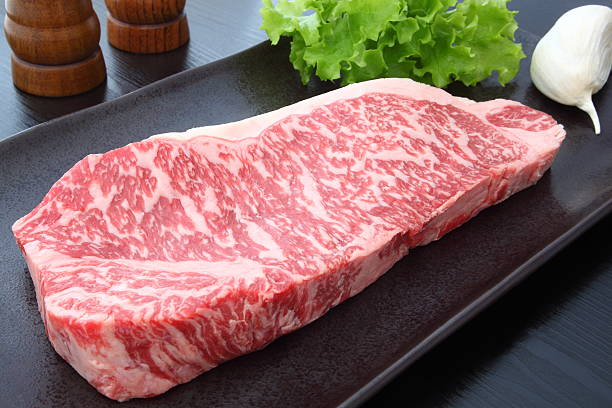
Wagyu, literally translating to “Japanese cow,” represents a pinnacle of culinary excellence, revered worldwide for its distinctive characteristics. It’s not just a type of beef; it’s a breed of cattle meticulously raised under specific conditions, primarily in Japan, to achieve a unique genetic predisposition for intense intramuscular fat marbling. This marbling, which appears as delicate white streaks woven through the red muscle, is the cornerstone of Wagyu’s legendary flavor and texture. Unlike conventional beef, where fat is typically external or in large pockets, Wagyu’s fat is evenly distributed, leading to an unparalleled sensory experience.
What Makes Wagyu Unique? Genetics and Rearing
The uniqueness of Wagyu stems from a combination of genetic factors and stringent rearing protocols. Four primary breeds constitute Wagyu: Japanese Black, Japanese Brown (Akaushi), Japanese Polled, and Japanese Shorthorn. Of these, Japanese Black is the most prevalent and highly regarded for its exceptional marbling. These cattle are often raised for extended periods, sometimes up to three years, compared to 18-24 months for conventional cattle. Their diet is carefully managed, typically consisting of rice straw, whole crop silage, and concentrated feed, sometimes supplemented with beer or sake to stimulate appetite, though this practice is more anecdotal than universal. The environment, including stress-free living conditions, also plays a crucial role in promoting healthy growth and optimal fat development, contributing to the beef’s tenderness and rich flavor profile.
History and Origins of Japanese Wagyu
The history of Wagyu is deeply intertwined with Japanese agricultural practices. Originally, these cattle were primarily used as draft animals in agriculture, valued for their physical endurance. Over centuries, specific regional strains developed, adapting to local conditions. It wasn’t until the late 19th and early 20th centuries that crossbreeding with European breeds occurred, leading to the establishment of the modern Wagyu breeds. However, Japan later closed its borders to foreign cattle genetics to protect the purity of its unique Wagyu lines. This strict genetic control, combined with generations of selective breeding, has preserved the distinctive characteristics that define Japanese Wagyu today, making it a national treasure and a globally sought-after delicacy.

The Science of Marbling: Wagyu’s Signature Fat
The defining characteristic of Wagyu beef is its extraordinary marbling, the intricate web of intramuscular fat (IMF) that permeates the muscle tissue. This isn’t just any fat; it’s a specific type of monounsaturated fat, rich in oleic acid, which is responsible for the beef’s low melting point and its distinctive “melt-in-your-mouth” sensation. The presence of this finely dispersed fat contributes significantly to the beef’s tenderness, juiciness, and complex flavor profile, elevating it far beyond what is typically found in other beef varieties. Understanding the science behind this marbling is key to appreciating Wagyu’s culinary allure.
Intramuscular Fat (IMF) and Oleic Acid
Intramuscular fat, or IMF, is the fat found within the muscle fibers themselves, rather than around them. Wagyu cattle are genetically predisposed to produce higher levels of IMF compared to other cattle breeds. This fat is particularly rich in monounsaturated fatty acids, especially oleic acid, which is also found in olive oil and avocados. Oleic acid has a significantly lower melting point than saturated fats, meaning Wagyu fat begins to melt at body temperature. This property is what creates the sensation of the beef dissolving on the tongue, releasing its intense flavors and aromas. The high oleic acid content also contributes to a healthier fat profile compared to saturated fats found in conventional beef, making it not only delicious but also potentially more beneficial.
The Role of Fat in Flavor and Aroma
Wagyu’s fat is not merely a textural component; it is a primary driver of its profound flavor and aroma. As the fat renders during cooking, it infuses the lean muscle with a buttery richness and a complex, subtly sweet, and nutty flavor often described as “umami.” This unique taste is a result of volatile compounds released by the melting fat, which interact with the meat’s proteins to create a symphony of sensory experiences. The aroma is equally captivating, often described as sweet and fragrant, a direct consequence of the specific fatty acid composition. Without this intricate marbling, Wagyu would lose its signature depth of flavor and aromatic complexity, becoming just another cut of beef.
The Melt-in-Your-Mouth Texture Explained
The “melt-in-your-mouth” texture of Wagyu is a direct consequence of its low-melting-point intramuscular fat. When cooked, even gently, the fat quickly liquefies and lubricates the muscle fibers, making the meat incredibly tender and succulent. This creates a sensation of effortless chewing, where the beef seems to disintegrate on the palate rather than requiring significant mastication. The finely dispersed nature of the fat ensures that every bite is infused with this tenderness and juiciness, preventing the meat from becoming dry or tough. This unique textural quality is a hallmark of high-grade Wagyu and a major factor in its global appeal, differentiating it from leaner, chewier cuts of beef.

Japanese Wagyu Grading System Explained
To ensure consistency and quality, Japanese Wagyu is subjected to a rigorous grading system administered by the Japan Meat Grading Association (JMGA). This system is far more detailed and precise than grading systems used in other countries, focusing on both yield and quality. Understanding this system is crucial for consumers and chefs alike to appreciate the value and characteristics of different Wagyu cuts. The grade assigned to a piece of Wagyu directly reflects its marbling, color, texture, and fat quality, providing a comprehensive assessment of its overall excellence.
Yield Grade (A, B, C)
The first component of the Japanese Wagyu grading system is the Yield Grade, which assesses the estimated proportion of edible meat obtained from the carcass. This is determined by a complex formula that considers the ribeye area, rib thickness, and subcutaneous fat thickness. The grades are:
- A: Above standard yield. This indicates a higher proportion of meat relative to the total carcass weight, signifying excellent yield.
- B: Standard yield. Represents an average yield.
- C: Below standard yield. Indicates a lower proportion of edible meat.
Most high-quality Wagyu typically receives an ‘A’ grade, as farmers aim for optimal carcass utilization.
Quality Grade (1-5)
The Quality Grade is a more critical indicator for the consumer, assessing four key factors, each graded from 1 to 5, with 5 being the highest. The lowest score among these four factors determines the overall Quality Grade. These factors are:
- Beef Marbling Standard (BMS): This is arguably the most important factor, assessing the quantity and fineness of intramuscular fat. BMS scores range from 1 to 12.
- Beef Color and Brightness (BCS): Evaluates the color and luster of the lean meat. An ideal color is bright cherry red.
- Beef Firmness and Texture (BFS): Assesses the firmness and fine texture of the meat. Good Wagyu should be firm yet tender.
- Fat Color, Luster, and Quality (FCLQ): Examines the color, luster, and stickiness of the fat. The ideal fat is white or cream-colored, with a shiny appearance.
For a piece of Wagyu to receive a Quality Grade of 5, all four components must individually score a 5.
Beef Marbling Standard (BMS) – The Key Factor
The Beef Marbling Standard (BMS) is the most significant determinant of Wagyu’s quality grade and is often what consumers refer to when discussing Wagyu’s superiority. BMS scores range from 1 to 12. A BMS score of 3 is the minimum for a Quality Grade of 1, while a BMS of 8-12 is required for a Quality Grade of 5. The higher the BMS, the more intricate and abundant the marbling, directly correlating to the melt-in-your-mouth texture and rich flavor. This granular scoring allows for a precise differentiation even within the highest quality grades, highlighting the subtle differences in marbling intensity.
Understanding the A5 Designation
The coveted “A5 Wagyu” designation represents the pinnacle of Japanese beef quality. It means the beef has achieved the highest possible Yield Grade (A) and the highest possible Quality Grade (5). To earn an A5 rating, the beef must meet the highest standards across all four quality factors: a BMS of 8-12, excellent beef color and brightness, superior firmness and texture, and pristine fat color, luster, and quality. This combination signifies an extraordinary culinary experience, characterized by extreme tenderness, intense marbling, and a rich, complex flavor that is truly unparalleled. A5 Wagyu is considered a rare delicacy, sought after by connoisseurs worldwide.

Mastering Wagyu Cooking Techniques for Optimal Flavor
Cooking Wagyu beef is an art that requires precision and respect for the meat’s unique properties, particularly its delicate marbling and low melting point fat. Unlike leaner cuts that benefit from prolonged cooking, Wagyu shines with quick, high-heat methods that allow the fat to render without drying out the muscle. The goal is to highlight its natural richness and tenderness, not overpower it. Proper preparation and technique are paramount to unlocking the full potential of this premium beef, ensuring a memorable dining experience.
Preparation: Bringing to Room Temperature
Before cooking, it is crucial to bring the Wagyu steak to room temperature. This typically takes 30-60 minutes, depending on the thickness of the cut. Allowing the meat to warm up evenly ensures that it cooks more consistently from edge to center, preventing a cold core or uneven rendering of the fat. Cooking a cold steak directly from the refrigerator can result in a seared exterior with an undercooked interior, or a tough texture as the muscle fibers seize up from the sudden temperature shock. Patting the steak dry with paper towels just before cooking is also essential to achieve a perfect sear, as moisture on the surface can steam the meat instead of browning it.
Pan-Searing and Grilling: High Heat, Short Time
The most popular methods for cooking Wagyu are pan-searing and grilling, both of which utilize high heat for a short duration. For pan-searing, a heavy-bottomed pan, such as cast iron, is ideal. Heat the pan until it’s smoking hot, then add a tiny amount of high smoke point oil (or simply let the Wagyu’s own fat render). Sear the steak for 1-2 minutes per side for rare to medium-rare, depending on thickness, to create a beautiful crust while keeping the interior juicy. When grilling, ensure the grates are clean and hot. Place the steak directly over the heat, flipping frequently to prevent burning and promote even cooking. Due to the high fat content, flare-ups can occur, so be vigilant. The intense heat allows the marbling to melt and baste the meat from within, resulting in an incredibly tender and flavorful bite.
Traditional Japanese Methods: Sukiyaki and Shabu-Shabu
Beyond searing, Wagyu is famously enjoyed in traditional Japanese hot pot dishes like Sukiyaki and Shabu-Shabu. These methods celebrate the beef’s delicate texture and rich flavor in a communal dining experience. In Sukiyaki, thinly sliced Wagyu is simmered in a shallow iron pot with a sweet and savory soy sauce-based broth, alongside vegetables and tofu. The meat cooks very quickly, absorbing the broth’s flavors while retaining its tenderness. For Shabu-Shabu, even thinner slices of Wagyu are briefly swished (“shabu-shabu”) in a simmering kombu (seaweed) broth, then dipped in various sauces like ponzu or sesame sauce. Both methods offer a lighter, yet equally profound, appreciation of Wagyu’s inherent qualities, emphasizing its exquisite texture and the subtle interplay of flavors.
Resting the Meat: A Crucial Step
After cooking, allowing the Wagyu steak to rest is a non-negotiable step. Transfer the cooked steak to a cutting board and let it sit for 5-10 minutes, loosely tented with foil. During cooking, the muscle fibers contract, pushing the juices towards the center of the meat. Resting allows these juices to redistribute throughout the steak, resulting in a more uniformly moist and tender cut. If you slice into the steak immediately after cooking, the precious juices will run out, leaving the meat dry and less flavorful. This brief period of rest is vital for maximizing the juiciness and overall enjoyment of your meticulously prepared Wagyu.

The Ultimate Wagyu Taste Experience: A Sensory Journey
Savoring Wagyu beef is much more than just eating; it’s a profound sensory journey that engages sight, smell, taste, and touch. From the moment the perfectly seared steak hits the plate, its aroma hints at the richness to come. The first bite reveals a texture that defies expectations, followed by an explosion of complex flavors that linger long after the meat has dissolved. This unique experience is a testament to the intricate balance of fat, muscle, and preparation that defines true Wagyu, making it a culinary benchmark for beef enthusiasts worldwide.
The Umami Factor
One of the most defining characteristics of Wagyu’s flavor profile is its pronounced umami, often described as the “fifth taste.” This savory depth is a result of the high concentration of glutamic acid and inosinic acid, naturally occurring amino acids found in the beef. The rich marbling amplifies this umami, creating a deeply satisfying and complex flavor that is both robust and subtle. Unlike the straightforward saltiness or sweetness of other foods, Wagyu’s umami provides a lingering, mouth-watering sensation that makes each bite incredibly fulfilling and leaves a desire for more, contributing significantly to its addictive quality.
Richness Without Heaviness
Despite its high fat content and intense marbling, high-quality Wagyu delivers a surprising richness without feeling heavy or greasy. This paradox is due to the unique composition of its intramuscular fat, particularly the high oleic acid content. The fat melts so readily and is so finely dispersed that it coats the palate smoothly, delivering a burst of flavor and a luxurious mouthfeel without the cloying sensation often associated with other fatty meats. This delicate balance allows for a profound indulgence that feels decadent yet remarkably light, enabling diners to appreciate the intricate flavors without being overwhelmed.
Pairing with Beverages and Sides
To fully enhance the Wagyu experience, thoughtful pairing with beverages and sides is essential. For drinks, a medium-bodied red wine with good acidity, such as a Pinot Noir or a lighter Cabernet Sauvignon, can cut through the richness without overpowering the delicate flavors of the beef. Sake, particularly a dry Junmai or Ginjo, also makes an excellent pairing, complementing the umami. As for sides, simplicity is key. Light, refreshing accompaniments like steamed asparagus, a crisp green salad with a citrus vinaigrette, or delicate sautéed mushrooms can provide a contrast that cleanses the palate and highlights the Wagyu’s exquisite taste. Avoid heavy, creamy, or overly spiced sides that might compete with or mask the beef’s nuanced flavors. The goal is to support and elevate, not detract from, the star of the plate.
Frequently Asked Questions (FAQ)
- Q1: What exactly is Wagyu beef?
- Wagyu beef refers to specific breeds of Japanese cattle (Japanese Black, Brown, Polled, Shorthorn) known for their genetic predisposition to intense intramuscular fat marbling. This unique marbling, rich in monounsaturated fats like oleic acid, gives Wagyu its distinct tenderness, buttery flavor, and melt-in-your-mouth texture, distinguishing it from conventional beef.
- Q2: Why is Wagyu beef so expensive?
- Wagyu’s high price is due to several factors: the cattle’s rare genetics, the meticulous and extended rearing processes (often 2-3 years), specialized diets, strict grading systems, and limited supply. The labor-intensive care, combined with the exceptional quality and demand, contributes to its premium cost.
- Q3: What does “A5 Wagyu” mean?
- “A5 Wagyu” is the highest possible grade awarded by the Japanese Meat Grading Association. ‘A’ indicates a superior yield grade (high proportion of edible meat), and ‘5’ signifies the highest quality grade, based on exceptional marbling (BMS 8-12), beef color and brightness, firmness and texture, and fat color and quality.
- Q4: What’s the best way to cook Wagyu to preserve its quality?
- The best methods involve quick, high-heat cooking to render the fat without overcooking the lean meat. Pan-searing in a hot cast-iron skillet or grilling for 1-2 minutes per side (for medium-rare) are ideal. Thinly sliced Wagyu is also excellent in traditional Japanese hot pots like Sukiyaki or Shabu-Shabu. Always remember to bring it to room temperature before cooking and let it rest afterward.
- Q5: How does Wagyu differ from other premium beef like Angus?
- The primary difference lies in the marbling. While Angus beef can have good marbling, Wagyu possesses significantly finer, more abundant, and evenly distributed intramuscular fat. This fat is also chemically different, with a higher oleic acid content, resulting in a lower melting point, superior tenderness, and a richer, more complex umami flavor that is unique to Wagyu.
- 0
- By finet52
- April 17, 2026 12:25 PM