The Ultimate Guide to Japanese Egg Culture: Safety Standards, Culinary Techniques, and Traditional Recipes
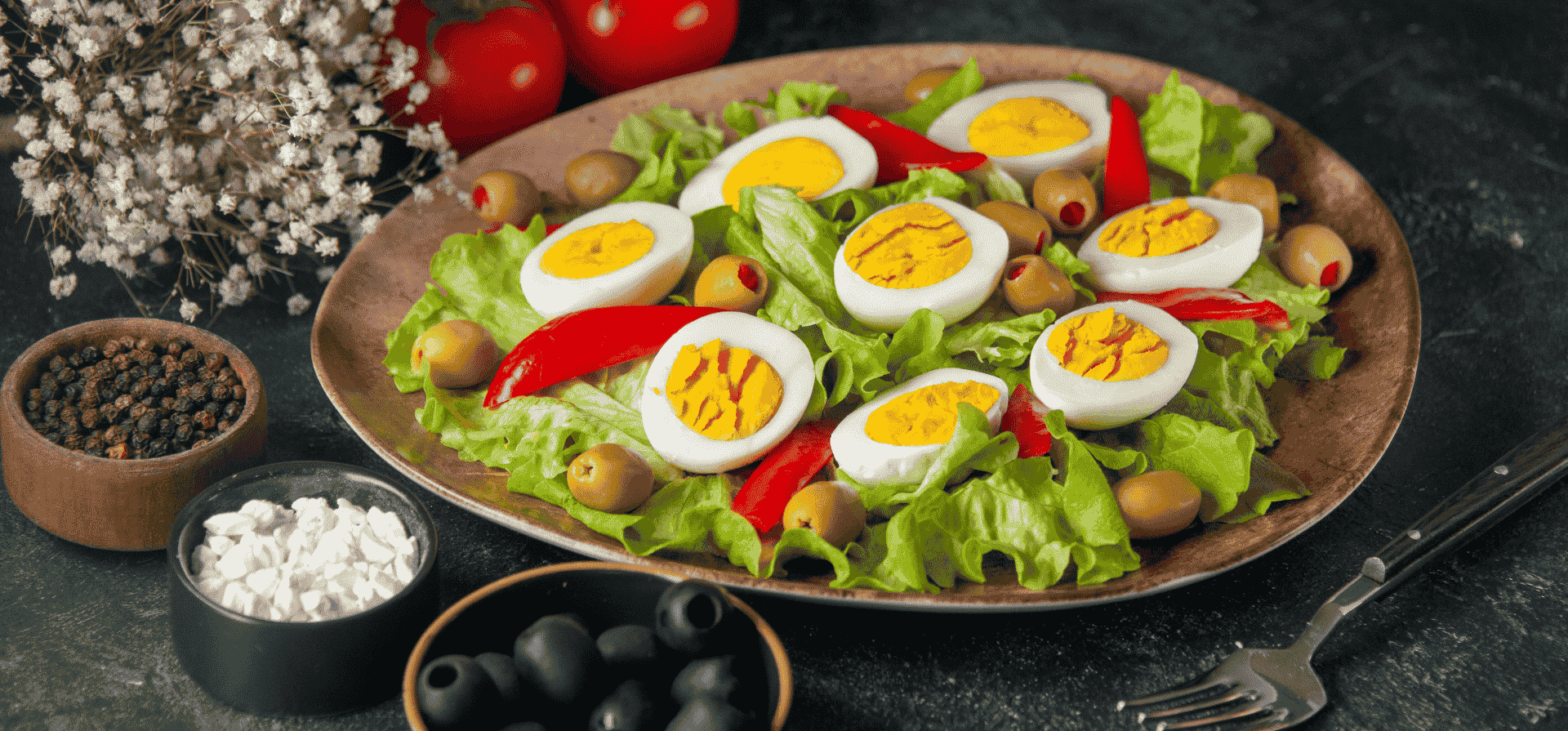
In the global culinary landscape, few ingredients are as revered or as scrutinized as the humble egg. In Japan, however, the egg is elevated to a status of near-perfection. Whether it is the vibrant orange yolk of a raw egg drizzled over steaming rice or the delicate, custard-like layers of a rolled omelet, the Japanese approach to egg production and preparation is defined by an obsession with safety, freshness, and precision. This guide explores the multifaceted world of Japanese eggs, providing deep insights into why they are considered the safest in the world and how to master the most iconic dishes associated with them.
The Science and Safety Protocols of Raw Egg Consumption in Japan
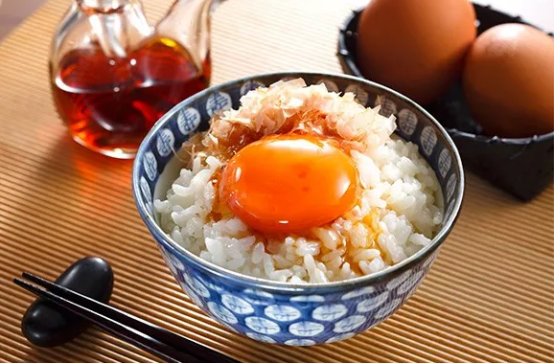
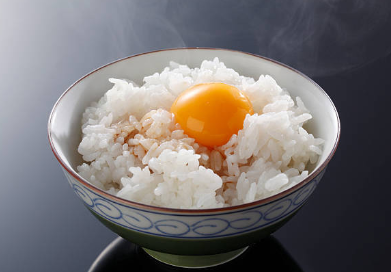
For many international visitors, the sight of a Japanese local cracking a raw egg over a bowl of rice (Tamago Kake Gohan) can be surprising. In most parts of the world, raw eggs are associated with the risk of Salmonella. However, Japan has developed a sophisticated infrastructure that virtually eliminates this risk, making raw egg consumption a staple of the national diet.
Rigorous Salmonella Prevention and Vaccination
The safety of Japanese eggs begins at the source. Japanese poultry farms adhere to some of the strictest hygiene standards globally. Chickens are often vaccinated against Salmonella Enteritidis, the primary strain responsible for foodborne illness in eggs. Furthermore, the environment is tightly controlled to prevent contact with wild birds or rodents that could carry pathogens. This proactive biological security is the first line of defense in ensuring that the egg is “born” clean.
Advanced Washing and Sterilization Processes
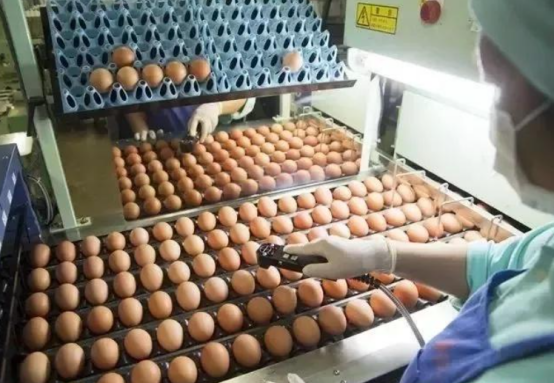
Once collected, eggs undergo a high-tech cleaning process. They are moved through automated systems where they are washed, sterilized, and inspected. This process typically involves ultraviolet (UV) light treatment and specialized brushes to remove any surface bacteria. Sophisticated sensors also check for cracks or internal abnormalities, such as blood spots, ensuring that only structurally perfect eggs reach the consumer.
The “Best Before” Date for Raw Consumption
In Japan, the expiration date printed on egg cartons is not for the egg’s total shelf life, but specifically for its raw consumption window. This period is usually very short—typically within two weeks of being laid. After this date, the eggs are still safe to eat, but the government recommends they be cooked thoroughly. This transparent labeling system provides consumers with the confidence to enjoy raw eggs without hesitation.
Mastering Tamagoyaki: The Art of the Japanese Rolled Omelet
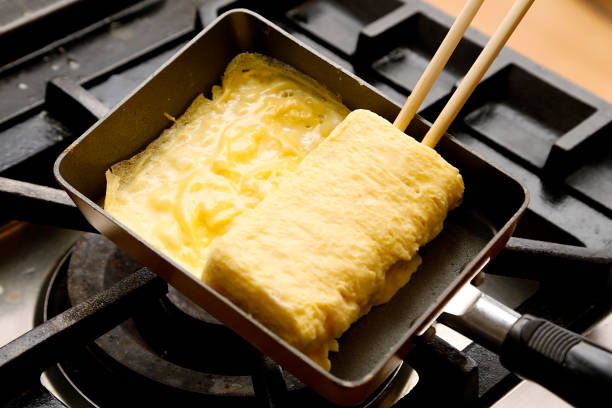
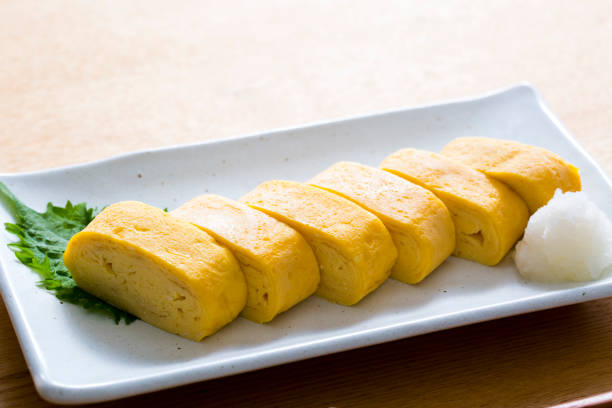
Tamagoyaki, which literally translates to “grilled egg,” is a cornerstone of Japanese home cooking and bento boxes. Unlike a French omelet, which is folded once or twice, Tamagoyaki is created by rolling together several thin layers of cooked egg in a specialized rectangular pan.
Essential Tools: The Makiyakinabe
To achieve the perfect rectangular shape and uniform thickness, Japanese chefs use a Makiyakinabe. This square or rectangular pan allows for easy rolling and ensures that the omelet has clean, sharp edges. While it is possible to make Tamagoyaki in a round pan by trimming the edges, the specialized pan is essential for those seeking authentic results. The pan is typically made of heavy-duty aluminum or copper to ensure even heat distribution.
Ingredients and Flavor Profiles
There are two main styles of Tamagoyaki: the sweeter version often found in Tokyo (Kanto style) and the more savory, dashi-heavy version known as Dashimaki Tamago (Kansai style). Common ingredients include:
- Dashi: A Japanese soup stock that adds umami and moisture.
- Soy Sauce: For saltiness and a hint of color.
- Sugar: To provide the characteristic sweetness that balances the savory notes.
- Mirin: A sweet rice wine that adds depth and a glossy finish.
The Layering and Rolling Technique
The process of making Tamagoyaki is rhythmic and requires patience. A small amount of egg mixture is poured into the oiled pan to create a thin crepe. Once the bottom is set but the top is still slightly wet, the egg is rolled to one side. More mixture is added, lifting the first roll to let the new liquid flow underneath. This process is repeated 4 to 6 times, creating a multi-layered cylinder that is both light and dense.
Onsen Tamago: The Science of the Perfect Low-Temperature Egg
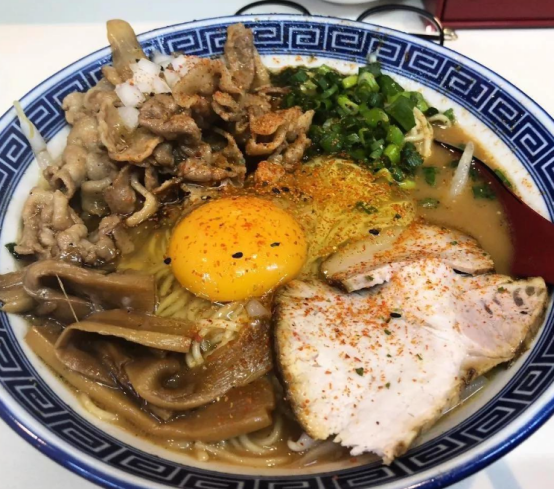
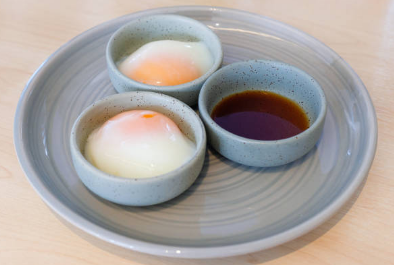
Onsen Tamago, or “Hot Spring Egg,” is a culinary marvel where the egg white remains soft and silky while the yolk sets to a creamy, custard-like consistency. This unique texture is achieved by exploiting the different coagulation temperatures of egg proteins.
The Physics of Coagulation
Egg whites and egg yolks solidify at different temperatures. Specifically, egg whites begin to thicken at around 62°C (144°F) but do not fully firm up until they reach 80°C (176°F). Conversely, egg yolks begin to set at 65°C (149°F) and become firm at 70°C (158°F). By maintaining a constant temperature of approximately 65°C to 68°C, the yolk achieves a beautiful fudge-like texture while the white remains semi-liquid.
Traditional vs. Modern Preparation
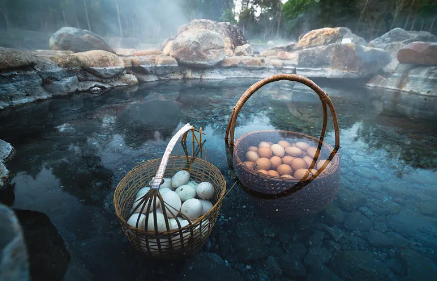
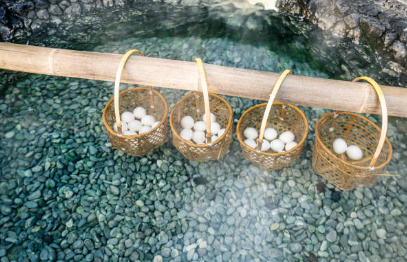
Historically, these eggs were cooked by suspending them in the naturally occurring hot springs (onsen) of Japan. The mineral-rich water would maintain a steady temperature, perfectly poaching the eggs in their shells. In modern kitchens, this is replicated using sous-vide machines or carefully monitored pots of water. The result is an egg that can be cracked directly into a bowl, usually served with a light dashi-based sauce, soy sauce, and a garnish of green onions or wasabi.
Nutritional Value and Dietary Benefits of Japanese Eggs
Beyond their culinary versatility, Japanese eggs are nutritional powerhouses. Because of the high-quality feed given to Japanese hens—which often includes ingredients like marigold petals, seaweed, and even premium grains—the eggs are rich in essential vitamins and minerals.
| Nutrient | Benefit for the Body | Abundance in Japanese Eggs |
|---|---|---|
| Lutein and Zeaxanthin | Promotes eye health and prevents macular degeneration. | High (due to fortified feed). |
| Omega-3 Fatty Acids | Supports heart health and reduces inflammation. | Significantly higher in “premium” brands. |
| Vitamin D | Crucial for bone health and immune function. | Naturally high in free-range variations. |
| Choline | Essential for brain development and liver function. | Abundant in all Japanese egg varieties. |
The deep orange color of the yolk, often preferred in Japan, is a direct result of the carotenoids in the chicken feed. While yolk color does not always correlate with protein content, it is often a sign of a diet rich in antioxidants, which translates to a more flavorful and nutrient-dense egg.
Healthy Family Meal Pairings with Egg Dishes
In Japanese culture, eggs are rarely eaten in isolation. They are part of a balanced “Ichigyu Sansai” (one soup, three sides) meal structure. Integrating egg dishes like Tamagoyaki or Onsen Tamago into a family meal provides a high-quality protein source that pairs perfectly with other healthy staples.
Traditional Breakfast Pairings
A classic Japanese breakfast might include a piece of grilled salmon, a bowl of miso soup, and a side of Tamagoyaki. This combination provides a balance of healthy fats, fermented probiotics, and lean protein. For a quicker meal, Onsen Tamago can be served over a bowl of brown rice with steamed spinach (Horenso no Ohitashi), creating a nutrient-dense “power bowl” that is easy on the digestive system.
Modern Fusion Ideas
The versatility of Japanese eggs allows them to cross cultural boundaries. Tamagoyaki can be sliced and used as a protein-rich addition to sandwiches or wraps. Onsen Tamago, with its silky texture, makes an excellent topping for avocado toast or pasta dishes, where the creamy yolk acts as a natural, rich sauce.
The Role of Eggs in Japanese Festivals and Traditions
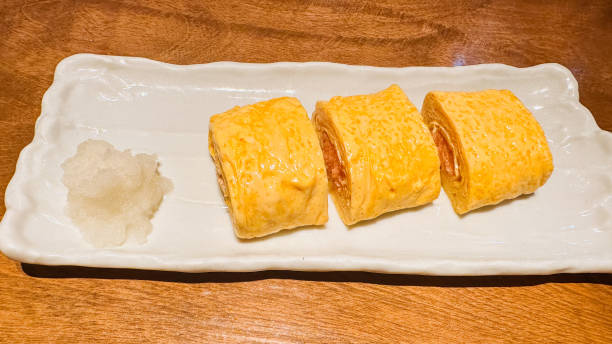
Eggs hold a symbolic place in Japanese culture, often representing fertility, new beginnings, and prosperity. During certain festivals, specifically those related to children or the harvest, egg dishes are prepared with extra care. For instance, in Osechi Ryori (Japanese New Year food), a dish called Datemaki is served. Datemaki is a sweet rolled omelet mixed with fish paste (hanpen), which is rolled using a bamboo mat to create a cog-like shape, symbolizing a wish for many auspicious days ahead.
Sustainable and Ethical Egg Farming in Japan
As global awareness of animal welfare grows, Japan has seen a rise in sustainable egg farming practices. While traditional battery cages are still used, there is a significant movement toward “Hiragai” (cage-free) and “Free-range” farming. These farms prioritize the psychological well-being of the hens, allowing them to forage and socialize. This ethical approach not only improves the life of the animal but is also believed by many Japanese consumers to produce a superior, more “energetic” egg with a cleaner taste profile.
Culinary Tips for Working with Japanese Eggs
To get the most out of these premium ingredients, certain culinary techniques should be followed. Whether you are cooking at home or in a professional setting, the handling of the egg determines the final quality of the dish.
Temperature Control
When making Tamagoyaki, it is crucial to maintain a medium-low heat. If the pan is too hot, the egg will brown too quickly and become tough. If it is too cool, the egg will stick. A good test is to drop a small amount of egg mixture onto the pan; if it sizzles gently without browning immediately, the temperature is perfect.
The Importance of Straining
For dishes like Onsen Tamago or Chawanmushi (savory egg custard), straining the beaten eggs through a fine-mesh sieve is a vital step. This removes the chalaza (the white stringy bit) and ensures a perfectly smooth, bubble-free texture. This attention to detail is what separates a standard home-cooked meal from a professional Japanese culinary experience.
Storage and Handling for Maximum Freshness
To maintain the safety standards that Japan is famous for, proper storage is essential. Eggs should always be kept in the refrigerator at a temperature below 10°C (50°F). It is also recommended to store them in their original carton to prevent them from absorbing odors from other foods through their porous shells. Furthermore, eggs should be stored with the pointed end facing down, which helps keep the yolk centered and the air cell at the top, extending the egg’s freshness.
The Global Influence of Japanese Egg Techniques
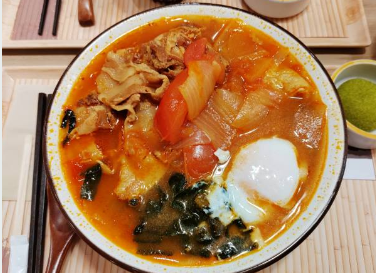
The techniques perfected in Japan are now influencing chefs worldwide. From high-end Michelin-starred restaurants in New York to street food stalls in London, the influence of Tamagoyaki and Onsen Tamago is evident. The “6x degree egg” (a variation of Onsen Tamago) has become a staple of modern gastronomy, praised for its ability to add a rich, sauce-like component to any dish without the need for heavy cream or butter.
Conclusion: The Future of Japanese Egg Excellence
The Japanese egg is more than just a food item; it is a testament to the country’s commitment to quality, safety, and culinary artistry. By combining centuries-old traditions with cutting-edge technology, Japan has created an egg culture that is both deeply rooted in the past and forward-looking. Whether you are enjoying a simple bowl of Tamago Kake Gohan or a complex Dashimaki Tamago, you are participating in a culinary tradition that values the integrity of the ingredient above all else.
Frequently Asked Questions (FAQ)
- Q1: Is it really safe to eat raw eggs in Japan?
- Yes, it is highly safe. Japan employs strict vaccination programs for hens, automated washing and sterilization processes, and a rigorous inspection system that checks for cracks and internal defects. The “best before” date on Japanese egg cartons specifically indicates the window for safe raw consumption.
- Q2: What is the difference between Tamagoyaki and Dashimaki Tamago?
- While both are rolled omelets, Tamagoyaki is a general term that often refers to a slightly firmer, sweeter version. Dashimaki Tamago includes a higher proportion of dashi (Japanese soup stock), resulting in a softer, juicier, and more savory omelet that is more difficult to roll but offers a more delicate texture.
- Q3: Can I make Onsen Tamago without a sous-vide machine?
- Yes. You can achieve similar results by bringing a pot of water to a boil, removing it from the heat, adding a small amount of cold water to bring the temperature down to about 70°C, and then letting the eggs sit in the covered pot for 15-20 minutes. However, a sous-vide machine is recommended for the most consistent results.
- Q4: Why are Japanese egg yolks so orange?
- The yolk color is determined by the chicken’s diet. Japanese farmers often supplement feed with natural ingredients like paprika, marigold petals, or specialized grains rich in carotenoids. This results in a deep orange hue which is culturally preferred and often associated with higher levels of antioxidants.
- Q5: How long do Japanese eggs stay fresh?
- For raw consumption, they are best within 14 days of being laid. For cooked dishes, they can stay fresh for up to 30 days if kept refrigerated properly at temperatures below 10°C.