The Essence of Japanese Culinary Art: Sukiyaki and Tempura
The Philosophy of Sukiyaki: Harmony and Elegance
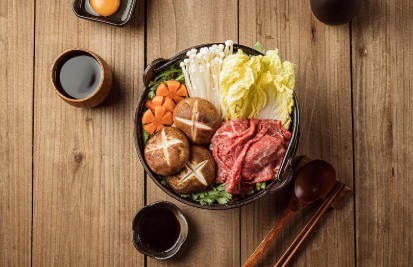
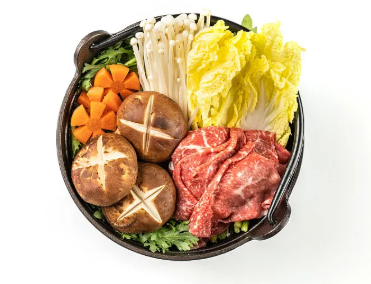
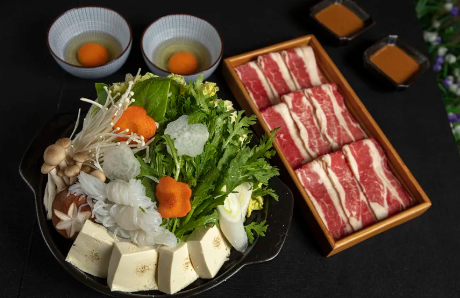
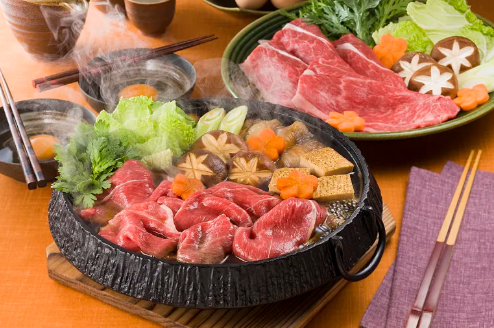
Sukiyaki is more than a meal; it is a profound expression of Japanese hospitality and the philosophy of “wa” or harmony. Originating from the Meiji era, this hot-pot dish combines thinly sliced beef with a variety of vegetables, tofu, and shirataki noodles, all simmered in a rich, sweet, and savory soy-based broth known as warishita.
The Essential Components of a Perfect Sukiyaki
- The Beef: Typically high-quality wagyu or marbled beef, sliced paper-thin to ensure rapid cooking and tenderness.
- The Broth (Warishita): A delicate balance of soy sauce, sugar, mirin, and sake, creating the signature caramelized flavor profile.
- The Vegetables: Negi (Japanese leeks), shiitake mushrooms, and shungiku (chrysanthemum greens) provide texture and nutritional balance.
Tempura: The Mastery of Light and Crisp Textures
While often misunderstood as simple fried food, Tempura is a sophisticated culinary craft that arrived in Japan via Portuguese missionaries in the 16th century. It emphasizes the preservation of the ingredient’s natural flavor through a precise, airy batter and meticulous frying temperatures.
The Science of the Perfect Tempura Batter
The secret to authentic Tempura lies in the thermal shock provided by ice-cold water mixed with low-gluten flour. This prevents the development of gluten, ensuring the coating remains light, crispy, and non-greasy.
- Temperature Control: Keeping oil between 170°C and 180°C is critical to achieving the “golden crunch” without overcooking the delicate interiors.
- Ingredient Selection: From seasonal vegetables like lotus root and sweet potato to fresh shrimp and seasonal white fish, the moisture content must be managed to ensure proper adhesion of the batter.
Comparing Cooking Techniques and Cultural Impact
Both Sukiyaki and Tempura represent the pinnacle of Japanese culinary refinement, yet they operate on entirely different mechanical principles of heat transfer.
| Feature | Sukiyaki | Tempura |
|---|---|---|
| Primary Method | Simmering/Braising | Deep-Frying |
| Flavor Profile | Sweet, Savory, Umami-rich | Clean, Light, Natural |
| Service Style | Interactive Table-side Cooking | Individual Plating (Freshly Fried) |
Advanced Preparation Strategies
To elevate these dishes at home, one must pay attention to the subtle nuances of ingredient sourcing and preparation. For Sukiyaki, the layering of ingredients is paramount to ensure the broth absorbs the essence of each item correctly. For Tempura, the “rest time” of the batter and the quality of the frying oil (often a blend of vegetable and sesame oil) are the defining factors between amateur and professional results.
Frequently Asked Questions (FAQ)
- Q1: Why is raw egg used as a dipping sauce for Sukiyaki?
- The raw, beaten egg acts as a cooling agent for the piping hot beef and balances the saltiness of the warishita broth, adding a rich, velvety texture to each bite.
- Q2: Can I substitute the ingredients in Tempura batter?
- While flour and water are the base, using sparkling water instead of still water can introduce carbon dioxide bubbles, resulting in an even lighter, fluffier texture.
- Q3: How do I prevent Tempura from becoming soggy?
- Ensure you do not overcrowd the frying pan, as this lowers the oil temperature. Additionally, always drain the fried items on a wire rack rather than paper towels to allow steam to escape.
- Q4: Is Sukiyaki considered a healthy meal?
- Sukiyaki is nutritionally dense, providing high-quality protein and a variety of fiber-rich vegetables. By moderating the sugar in the broth, it can be a balanced and wholesome dining option.