
The Ultimate Guide to Sushi: History, Types, & Culinary Artistry
Unveiling Sushi: More Than Just Food
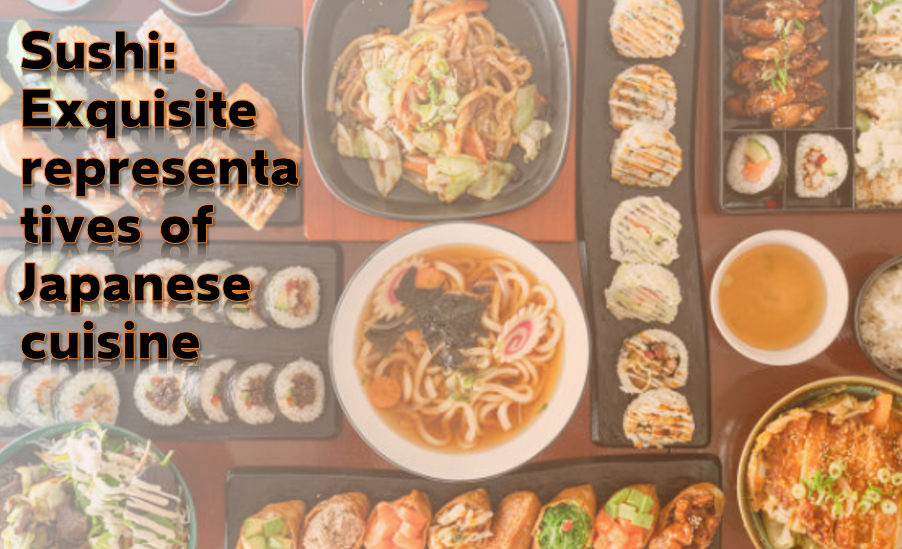
Sushi stands as one of Japan’s most iconic culinary contributions to the world, a dish that transcends mere sustenance to become an art form, a cultural ambassador, and a global obsession. At its core, sushi is about the harmonious combination of vinegared rice (sumeshi) with various ingredients, most commonly seafood, but also vegetables, egg, and other fillings. Its allure lies not only in its delicate flavors and fresh ingredients but also in the meticulous preparation, aesthetic presentation, and the deep cultural traditions that surround it.
The “why” behind sushi’s widespread appeal is multifaceted. It represents a commitment to freshness, precision, and balance—principles deeply ingrained in Japanese culinary philosophy. Each piece is a testament to the chef’s skill, from perfectly cooked and seasoned rice to expertly sliced fish. Beyond its taste, sushi offers a unique dining experience, often enjoyed communally, fostering a sense of connection and appreciation for intricate craftsmanship. This ultimate guide will delve into every facet of sushi, from its ancient origins to its modern global interpretations, ensuring you gain a comprehensive understanding of this exquisite representative of Japanese cuisine.

A Journey Through Time: The Rich History of Sushi
The story of sushi is a fascinating journey that spans centuries and continents, evolving from a practical method of food preservation into the refined delicacy we know today. Its origins are not in Japan, as many might assume, but rather in Southeast Asia, where fermented rice was used to preserve fish. This technique, known as “narezushi,” involved packing cleaned fish with salted rice, allowing the fermentation process to prevent spoilage. The rice was traditionally discarded before eating the fish.
This method arrived in Japan sometime around the 8th century, brought by Buddhist monks. Over time, the Japanese adapted and refined narezushi. By the Edo period (1603-1868), chefs began experimenting with vinegared rice, which shortened the fermentation time and allowed the rice to be eaten along with the fish. This innovation marked a pivotal shift towards modern sushi. The 19th century saw the birth of “nigiri sushi” in Edo (modern-day Tokyo), credited to Hanaya Yohei. He created a fast, convenient form of sushi that could be eaten by hand, perfectly suited for the bustling city life. This quick, fresh, and artfully prepared dish rapidly gained popularity and laid the foundation for the sushi culture that would eventually spread worldwide.

The Diverse World of Sushi: Types and Variations
The term “sushi” often conjures images of raw fish, but it encompasses a vast array of preparations, each with its own distinct characteristics and appeal. Understanding the different types is key to appreciating the breadth of this culinary art form.
Nigiri: The Art of Hand-Pressed Perfection
Nigiri sushi consists of a small, hand-pressed mound of vinegared rice, topped with a single slice of seafood or other ingredient. The topping, known as “neta,” is typically raw fish like tuna (maguro), salmon (sake), or yellowtail (hamachi), but can also include cooked shrimp (ebi), freshwater eel (unagi), octopus (tako), or sweet egg omelet (tamago). The beauty of nigiri lies in its simplicity, allowing the quality of the ingredients to shine. A skilled sushi chef (itamae) ensures the rice is perfectly formed—not too dense, not too loose—and the neta is sliced to complement the rice’s size and texture.
Maki: Rolled Delights and Their Forms
Maki sushi, or “rolled sushi,” involves ingredients rolled inside nori (seaweed) and vinegared rice, then sliced into bite-sized pieces. There are several popular variations:
- Hosomaki: Thin rolls, typically 1 inch in diameter, containing only one ingredient (e.g., cucumber, tuna, or pickled radish).
- Futomaki: Thick rolls, usually 2-3 inches in diameter, filled with multiple ingredients, offering a wider range of flavors and textures.
- Uramaki: “Inside-out” rolls, where the rice is on the outside and the nori wraps the ingredients within. The California roll is a famous example, often topped with sesame seeds or roe.
- Temaki: Hand rolls, shaped like a cone, meant to be eaten immediately after preparation to enjoy the crispness of the nori.
Sashimi: Pure Essence of the Ocean
While often served alongside sushi, sashimi is technically not sushi because it does not include rice. Sashimi consists of thinly sliced, high-quality raw fish or seafood, served typically with soy sauce, wasabi, and pickled ginger. It is considered by many connoisseurs to be the purest expression of a fish’s flavor and texture, demanding the freshest ingredients and exceptional knife skills from the chef.
Temaki & Chirashi: Beyond the Traditional Roll
Beyond the classic nigiri and maki, other forms of sushi offer unique experiences:
- Temaki: As mentioned, these are hand-rolled cones of nori filled with rice and various ingredients. They are casual and fun to eat.
- Chirashi: Meaning “scattered,” chirashi sushi features a bowl of vinegared rice topped with an artful arrangement of various sashimi, vegetables, and other garnishes. It’s a colorful and satisfying meal.

Essential Ingredients: The Building Blocks of Authentic Sushi
The magic of sushi lies in the quality and freshness of its individual components, each playing a crucial role in creating the perfect bite. Understanding these core ingredients is fundamental to appreciating authentic sushi.
The Foundation: Perfect Sushi Rice
Sushi rice (sumeshi or shari) is arguably the most critical component. It’s not just any rice; it’s short-grain Japanese rice that has been carefully seasoned with a mixture of rice vinegar, sugar, and salt. The “why” behind this meticulous preparation is to achieve a balance of sweet, sour, and savory flavors, along with a slightly sticky yet firm texture that holds its shape without being mushy. The seasoning also acts as a mild preservative and enhances the overall flavor profile of the sushi.
The Star: Freshness of Seafood
For most sushi, the quality of the seafood is paramount. “Neta,” the topping for nigiri or filling for maki, demands exceptional freshness and often specific cuts. Common choices include:
- Tuna (Maguro): Valued for its rich flavor and varying fat content (akami, chutoro, otoro).
- Salmon (Sake): Popular for its buttery texture and vibrant color.
- Yellowtail (Hamachi): Known for its firm texture and mild, rich flavor.
- Eel (Unagi – freshwater, Anago – saltwater): Often grilled with a sweet sauce.
- Shrimp (Ebi): Cooked and butterflied.
The sourcing and handling of sushi-grade fish are subject to strict standards to ensure safety and optimal taste.
Complementary Flavors: Nori, Wasabi, & Gari
These supporting actors complete the sushi experience:
- Nori: Dried seaweed sheets, typically dark green and slightly toasted, providing an earthy flavor and a crisp texture when fresh. It’s used to wrap maki rolls and temaki.
- Wasabi: A pungent green paste made from the Japanese horseradish plant. Authentic wasabi (hon-wasabi) offers a complex, spicy, and slightly sweet flavor that quickly dissipates, clearing the palate. Much of what is sold as wasabi, especially outside Japan, is a mixture of horseradish, mustard, and green food coloring. Its purpose is to enhance the fish’s flavor and provide a mild antibacterial effect.
- Gari: Thinly sliced pickled ginger, typically pale pink or yellow. Gari is served as a palate cleanser between different types of sushi, refreshing the taste buds and preparing them for the next flavor.

Crafting Sushi: A Guide to Preparation & Presentation
Preparing sushi is an art that requires patience, precision, and an understanding of key techniques. While mastering it takes years, understanding the basic steps can deepen your appreciation or even inspire your own culinary journey.
Rice Preparation: The Crucial First Step
The foundation of great sushi is perfectly prepared rice. This isn’t just about cooking; it’s about seasoning and cooling. Here’s a detailed procedure:
- Rinse the Rice: Wash short-grain sushi rice under cold running water until the water runs clear. This removes excess starch, preventing stickiness.
- Cook the Rice: Cook the rice in a rice cooker or pot with the appropriate water ratio (usually 1:1 or slightly less water than rice).
- Prepare the Sushi Vinegar (Awasezu): While the rice cooks, combine rice vinegar, sugar, and salt in a small saucepan. Heat gently until sugar and salt dissolve, then let it cool.
- Season the Rice: Transfer the hot, cooked rice to a wide, non-metallic bowl (a hangiri, or wooden sushi rice tub, is ideal). Slowly pour the awasezu over the rice while gently folding and cutting with a wooden spatula. Avoid mashing.
- Cool the Rice: Fan the rice while mixing to cool it quickly to body temperature. This gives it a glossy appearance and helps achieve the desired texture.
Tips: Don’t overmix or mash the rice; use a cutting motion. Ensure the rice is cooled to body temperature, not cold, for optimal texture and flavor when combined with fresh fish.
Common Pitfalls: Using regular long-grain rice, not rinsing enough, overcooking, or mashing the rice during seasoning.
Fish Preparation: Slicing Techniques
Slicing fish for sushi (sashimi or nigiri neta) requires a very sharp knife (yanagiba) and specific techniques to preserve texture and flavor:
- Select Fresh Fish: Always use sushi-grade fish from a reputable source.
- Clean and Debone: Ensure the fish is free of scales, bones, and any dark bloodline.
- Slice Against the Grain: For most fish, slices are made against the muscle grain to ensure tenderness. The angle and thickness of the slice vary depending on the type of fish and desired presentation.
- Single Motion Cut: Use a long, single pulling motion with the knife to achieve a clean, smooth cut, minimizing damage to the fish cells.
Rolling & Shaping: Mastering the Art
Whether it’s nigiri or maki, shaping requires practice:
For Nigiri:
- Moisten hands lightly with water (tezu) to prevent rice from sticking.
- Take a small amount of rice (about 15-20g) and gently form it into an oval shape with your palm and fingers.
- Place a dab of wasabi on the underside of the fish slice.
- Place the fish over the rice, gently pressing and shaping with your fingers to ensure it adheres.
For Maki:
- Place a sheet of nori on a bamboo rolling mat (makisu).
- Spread a thin, even layer of sushi rice over the nori, leaving a small border at the top.
- Arrange your chosen fillings in a line across the center of the rice.
- Using the makisu, carefully roll the sushi, applying gentle, even pressure to create a tight cylinder.
- Moisten the top edge of the nori with a little water to seal the roll.
- Slice the roll with a very sharp, damp knife into 6-8 pieces.
Common Pitfalls: Using too much rice, rolling too loosely (causing rolls to fall apart), or using a dull knife for slicing.

The Etiquette of Enjoying Sushi: A Cultural Deep Dive
Part of the sushi experience is understanding and respecting the traditions and etiquette surrounding its consumption. These customs enhance the dining experience and show appreciation for the chef’s craft.
Chopstick Mastery and Soy Sauce Dipping
While it’s perfectly acceptable to eat nigiri sushi with your hands, chopsticks are traditionally used for maki and sashimi. Here are some key points:
- Hold Properly: Hold chopsticks firmly but gently.
- Dipping Nigiri: For nigiri, dip the fish side into soy sauce, not the rice. This prevents the rice from soaking up too much sauce and falling apart, and allows the fish’s flavor to be primary.
- Use Sparingly: Use soy sauce sparingly; it’s meant to complement, not overpower. Never mix wasabi directly into your soy sauce; the chef has already balanced the flavors.
- Avoid Rubbing Chopsticks: Do not rub your chopsticks together after receiving them, as it implies they are cheap or poorly made.
The “why” behind these rules is respect for the ingredients and the chef. Over-soaking rice in soy sauce suggests a lack of appreciation for the rice’s delicate seasoning, and mixing wasabi implies distrust in the chef’s ability to perfectly season each piece.
Palate Cleansers and Order of Eating
- Gari (Pickled Ginger): Eat a small piece of gari between different types of sushi to cleanse your palate. This resets your taste buds, allowing you to fully appreciate the next flavor.
- Order of Eating: Traditionally, it’s recommended to start with lighter-flavored fish (e.g., white fish) and progress to richer, fattier fish (e.g., tuna belly). This allows for a gradual build-up of flavors without overwhelming the palate.
- Wasabi: The chef often adds the appropriate amount of wasabi to nigiri. If you desire more, you can ask for it on the side, but avoid adding too much.
- Soup and Tea: Miso soup is often served at the beginning or end of the meal. Green tea is a common accompaniment throughout, aiding digestion and cleansing the palate.
Expert Advice: Pro Tips for Sushi Enthusiasts
Elevate your sushi experience with these insider tips:
- Trust Your Itamae: If dining at a reputable sushi bar, consider ordering “Omakase” (chef’s choice). This allows the chef to showcase their freshest ingredients and best creations, providing a truly tailored experience.
- Eat Nigiri in One Bite: Nigiri is designed to be eaten in a single bite to experience the harmonious blend of rice and neta. If it’s too large, you may gently ask for a smaller piece.
- Temperature Matters: Pay attention to the temperature of the rice (body temperature) and the fish (slightly cooler than room temperature). This is crucial for flavor and texture.
- Don’t Over-Sauce: Use soy sauce sparingly. The goal is to enhance, not mask, the natural flavors of the fish and rice.
- Appreciate the Details: Notice the knife cuts, the balance of ingredients, and the presentation. Sushi is an art form, and appreciating these details enhances the experience.
- Ask Questions: If you’re unsure about a particular fish or preparation, don’t hesitate to politely ask your server or the chef. It’s a great way to learn more.
Sushi Variations Comparison
| Sushi Type | Description | Key Characteristics | Best For |
|---|---|---|---|
| Nigiri | Hand-pressed vinegared rice with a single topping (neta), usually fish. | Simplicity, focus on fish quality, eaten by hand. | Appreciating pure fish flavor, traditionalists. |
| Hosomaki | Thin rolls with nori on the outside, containing one ingredient. | Small, delicate, easy to eat, simple flavors. | Beginners, light snacks, specific ingredient focus. |
| Futomaki | Thick rolls with nori on the outside, containing multiple ingredients. | Larger, complex flavors and textures in one bite. | Heartier meal, exploring varied combinations. |
| Uramaki | “Inside-out” rolls with rice on the outside, often topped with roe or seeds. | Modern invention, less traditional, rice-forward texture. | Western palates, those new to nori texture. |
| Temaki | Hand-rolled cone of nori filled with rice and ingredients. | Casual, meant to be eaten immediately, crisp nori. | Informal dining, DIY sushi parties. |
| Chirashi | Bowl of sushi rice topped with an assortment of sashimi and garnishes. | “Scattered” sushi, colorful, satisfying meal. | Full meal, enjoying variety without rolling. |
| Sashimi | Thinly sliced raw fish or seafood without rice. | Pure fish flavor, emphasis on freshness and knife skills. | Connoisseurs, appreciating the essence of seafood. |
Frequently Asked Questions (FAQ)
- What is the difference between sushi and sashimi?
- Sushi refers to any dish made with vinegared rice, combined with various ingredients. Sashimi, on the other hand, is simply thinly sliced raw fish or seafood, served without rice. While often served together, sashimi is not technically sushi.
- Is all sushi raw fish?
- No, not all sushi contains raw fish. While raw fish is a popular ingredient, sushi can also include cooked seafood (like shrimp, eel, or crab), vegetables (cucumber, avocado), egg (tamago), or even meat. The defining element of sushi is the vinegared rice.
- How should I properly eat nigiri sushi?
- Nigiri sushi is traditionally eaten with your hands. When dipping in soy sauce, turn the piece over so only the fish (neta) touches the sauce, preventing the rice from absorbing too much and falling apart. It’s also customary to eat nigiri in a single bite.
- Why is pickled ginger (gari) served with sushi?
- Gari, or pickled ginger, serves as a palate cleanser. Eating a small piece between different types of sushi helps to neutralize your taste buds, allowing you to fully appreciate the distinct flavors of each subsequent piece without carryover from the previous one.
- Can I mix wasabi into my soy sauce?
- While a common practice in Western sushi restaurants, mixing wasabi directly into your soy sauce is generally considered impolite in traditional Japanese settings. The sushi chef typically applies the appropriate amount of wasabi to each piece of nigiri to balance the flavors. If you desire more, it’s best to ask for extra wasabi on the side and apply a tiny amount directly to the fish.