The Ultimate Guide to Japanese Seafood: From Premium Sashimi to Iconic Street Food Skewers
Japanese cuisine, or Washoku, is inseparable from the bounty of the sea. As an island nation, Japan has developed a sophisticated culinary culture centered around the freshness, seasonality, and preparation of seafood. This guide serves as a comprehensive resource for understanding the primary pillars of this tradition: the refined art of sashimi, the most beloved fish species consumed across the archipelago, and the irresistible allure of coastal street food.
The Art and Tradition of Japanese Sashimi
Sashimi is often regarded as the pinnacle of Japanese culinary expression. Unlike sushi, which incorporates vinegared rice, sashimi focuses entirely on the purity of the raw ingredient. The “soul” of sashimi lies in the harmony between the quality of the catch and the technical skill of the chef. Every slice is a testament to the chef’s ability to preserve the natural texture and flavor profile of the fish.
Understanding Slicing Techniques and Freshness
The preparation of sashimi involves more than just cutting fish; it requires a deep understanding of muscle structure and fat distribution. Chefs use specialized knives, such as the Yanagiba (willow blade), to make long, singular pulling strokes that prevent the tearing of the delicate flesh. Common slicing styles include:
- Hira-zukuri: The most common rectangular slice, ideal for most medium-to-large fish.
- Susu-zukuri: Paper-thin slices often used for firm white fish like flounder or sea bream.
- Koma-giri: Small cubical cuts frequently used for fattier sections or smaller portions.
Freshness is maintained through rigorous standards, including the Ikejime method—a humane and rapid brain-spiking technique that stops nerve impulses. This process preserves the ATP in the fish’s muscles, preventing the buildup of lactic acid and ensuring a cleaner, sweeter taste and a firmer texture that is essential for high-grade sashimi.

Top 10 Most Popular Fish Varieties in Japanese Cuisine
While the variety of seafood in Japan is vast, certain species have attained legendary status due to their availability, flavor, and cultural importance. Understanding these varieties is key to navigating any Japanese menu or fish market like a professional.
The Icons: Tuna and Salmon
Tuna (Maguro) is the undisputed king of Japanese seafood. It is categorized by its fat content: Akami (lean red meat), Chutoro (medium fatty), and Otoro (fatty belly). Each part offers a different mouthfeel, from the meaty bite of Akami to the melt-in-your-mouth richness of Otoro. Salmon (Sake), while once controversial for raw consumption, has become a global favorite in Japan, prized for its vibrant orange color and high omega-3 content.
Seasonal and Culinary Favorites
Beyond the big two, several other species define the Japanese dining experience:
| Fish Name (English/Japanese) | Typical Preparation | Flavor Profile |
|---|---|---|
| Sea Bream (Tai) | Sashimi, Grilled | Mild, sweet, and elegant. Often served at celebrations. |
| Yellowtail (Buri) | Sashimi, Simmered | Rich, oily, and savory; best during winter months. |
| Eel (Unagi) | Grilled with Tare | Sweet, smoky, and incredibly tender. |
| Mackerel (Saba) | Vinegar-cured, Grilled | Strong, bold, and distinctively “fishy” in a pleasant way. |
| Bonito (Katsuo) | Seared (Tataki) | Meaty and smoky, often served with ginger and garlic. |

Exploring the Textures of Japanese Octopus Skewers
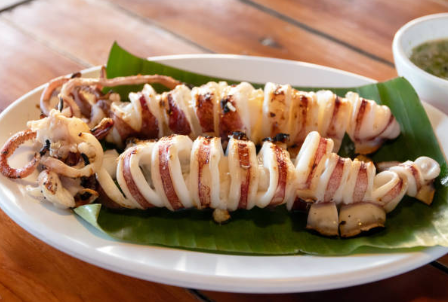
Moving from the high-end sashimi counters to the bustling streets, Octopus Skewers (Tako Kushi) represent the “soul food” of Japanese coastal towns and festival stalls. Octopus is a staple in Japanese street food, famous for its unique chewy-yet-tender texture and its ability to absorb savory glazes.
The Secret to Perfect Grilled Octopus
Preparing octopus for skewers is a labor-intensive process. To avoid a rubbery texture, the octopus must be tenderized, often through a process of massage with salt or a quick blanching in a broth seasoned with soy sauce and ginger. Once prepared, the tentacles are cut into bite-sized pieces and threaded onto bamboo skewers.
The grilling process typically involves Bincho-tan (white charcoal), which provides high, steady heat without excessive smoke. This allows the exterior to caramelize and become slightly crispy while the interior remains moist. A common glaze used is a thick, sweet soy-based Tare, though many purists prefer a simple dusting of sea salt to highlight the octopus’s natural sweetness.

The Seasonal Philosophy of “Shun” in Seafood Selection
A critical concept in Japanese seafood is Shun, which refers to the peak season of a particular ingredient. Eating seafood during its “Shun” ensures the highest fat content, the best texture, and the most concentrated flavor. This philosophy drives the menus of the top restaurants in Tokyo and Osaka.
Spring and Summer Highlights
In the spring, Sawara (Spanish Mackerel) and Sayori (Halfbeak) are highly sought after for their light, refreshing qualities. As the heat of summer arrives, Ayu (Sweetfish) becomes the star, often grilled whole with salt to mimic the motion of swimming. Summer is also the peak time for Unagi, believed to provide the stamina needed to endure the Japanese humidity.
Autumn and Winter Delicacies
Autumn brings Sanma (Pacific Saury), a fish so iconic to the season that its name includes the kanji for “autumn.” In winter, the focus shifts to fatty, cold-water species like Buri (Yellowtail) and the prized Fugu (Pufferfish). The fat accumulation in these fish during the cold months provides a rich, buttery flavor that is absent during other times of the year.

Regional Specialties: From Tokyo Streets to Coastal Villages
Japan’s geography leads to significant regional variations in seafood preparation. While Tokyo is famous for Edomae-zushi (Edo-style), other regions offer unique takes on marine life.
Hokkaido: The Northern Treasure Trove
Hokkaido is world-renowned for its cold-water seafood. Here, Uni (Sea Urchin) and Ikura (Salmon Roe) are of unparalleled quality. The region is also famous for its various crab species, including King Crab and Snow Crab, often enjoyed in simple hot pots or steamed to preserve their delicate sweetness.
Osaka and the Kansai Influence
Osaka, known as “Japan’s Kitchen,” has a more casual and hearty approach to seafood. Beyond the famous Takoyaki (octopus balls), the region is known for its Oshizushi (pressed sushi) and a deep love for octopus in all forms. The street food culture here is vibrant, with markets like Kuromon Ichiba offering a dizzying array of grilled skewers and fresh-shucked shellfish.

Technical Mastery: The Precision of Japanese Fish Preparation
The transition from a whole fish to a perfect plate of sashimi or a grilled skewer involves several technical stages that require years of apprenticeship to master. These steps are designed to maximize flavor and ensure food safety.
The Cleaning and Curing Process
Before any slicing occurs, the fish must be properly cleaned. This includes Uroko-tori (descaling) and Mizu-arai (washing with water). For certain fish like Mackerel, a curing process called Shime is employed. By coating the fish in salt and then rinsing it with rice vinegar, the chef firms up the flesh and tempers the strong oils, creating a balanced flavor profile that lasts longer than completely raw preparation.

Nutritional Benefits and Health Profiles of Sea-to-Table Dining
The Japanese diet is frequently cited as a reason for the nation’s high life expectancy, and seafood is the primary driver of this health profile. The consumption of fresh fish provides high-quality protein with significantly lower saturated fat compared to red meat.
Omega-3 Fatty Acids and Micronutrients
Deep-sea fish like Tuna and Mackerel are rich in DHA and EPA, essential omega-3 fatty acids that support heart health and cognitive function. Furthermore, seafood like octopus and squid are excellent sources of Taurine, which helps regulate blood pressure and cholesterol. The minimal processing involved in sashimi and simple grilling ensures that these nutrients are not lost during cooking.

A Comprehensive Guide to Condiments and Pairings
In Japanese cuisine, condiments are not meant to mask the flavor of the seafood but to enhance and balance it. The selection of the right pairing is as important as the fish itself.
Wasabi, Shoyu, and Gari
Wasabi provides a sharp, nasal heat that cuts through the fat of the fish, while also acting as a natural antimicrobial. High-end restaurants use freshly grated Hon-wasabi, which is sweeter and more aromatic than the paste found in tubes. Shoyu (soy sauce) provides the necessary salt and umami, but it should be used sparingly—only the fish, not the rice or the entire skewer, should be dipped. Gari (pickled ginger) serves as a palate cleanser between different types of fish.
Beverage Pairings
To complement the delicate flavors of seafood, Sake (rice wine) is the traditional choice. A dry (Karakuchi) sake pairs well with white fish, while a richer, more floral sake can stand up to the bold flavors of tuna or grilled octopus. For street food, a cold Japanese lager or a highball provides a refreshing contrast to the smoky, savory glazes of grilled skewers.
Frequently Asked Questions (FAQ)
- Q1: What is the difference between Sushi and Sashimi?
- Sashimi refers specifically to thin slices of raw meat or fish served without rice. Sushi, on the other hand, always includes vinegared rice (shari), which may be topped with raw fish (Nigiri) or rolled in seaweed (Maki).
- Q2: Is it safe to eat raw fish in Japan?
- Yes, it is extremely safe. Japan has some of the world’s strictest regulations regarding fish handling, storage, and transport. The use of techniques like flash-freezing and the Ikejime method ensures that parasites are eliminated and freshness is preserved.
- Q3: Why is octopus often chewy in street food?
- Octopus has a high collagen content. If it is undercooked or not properly tenderized, it can be rubbery. However, in Japanese street food, a slight “chew” is often desired as it indicates freshness and a good “bite” (hagotatsu), provided it isn’t difficult to swallow.
- Q4: Which fish is best for beginners trying sashimi for the first time?
- Salmon (Sake) or Sea Bream (Tai) are excellent choices for beginners. Salmon is familiar and buttery, while Sea Bream is very mild and light, making them less intimidating than the stronger-tasting oily fish like Mackerel.
- Q5: What does “Ototro” mean on a menu?
- Otoro is the fattiest part of the tuna belly. It is the most expensive and prized cut, known for its pink color and intense marbling, which allows it to literally melt on the tongue.