The Ultimate Guide to Japanese Gastronomy: Mastering Umeshu and Dorayaki
Japanese cuisine is often celebrated for its balance of simplicity and depth, a philosophy that extends beyond main courses into the realms of traditional liqueurs and street confections. Among the most revered of these are Umeshu, a fragrant plum wine, and Dorayaki, a beloved pancake-based dessert. Both represent a unique intersection of history, craftsmanship, and the meticulous use of seasonal ingredients. This guide provides an in-depth analysis of these two pillars of Japanese gastronomy, exploring their origins, the science behind their creation, and their enduring place in modern global food culture.
The Craft of Umeshu: Japan’s Iconic Plum Wine
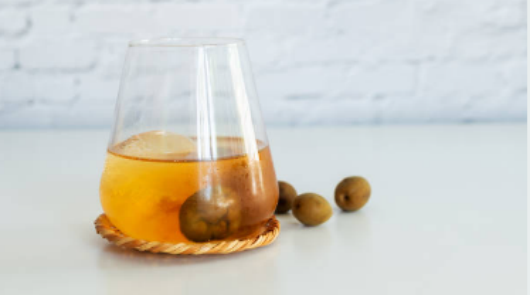
Umeshu is a traditional Japanese liqueur made by steeping fresh Japanese plums (ume) in liquor and sugar. Unlike many fruit wines that are produced through fermentation, Umeshu is a product of infusion, allowing the essence of the fruit to be extracted over an extended period. The result is a complex beverage that balances sweetness, acidity, and the deep, nutty notes derived from the plum pits.
Historical Roots and Cultural Significance
The history of Umeshu dates back centuries, with its origins rooted in medicinal use. Historically, the ume fruit was prized for its high citric acid content, which was believed to aid digestion and combat fatigue. By the Edo period, the practice of preserving these seasonal fruits in alcohol became a common household tradition. Today, Umeshu is not just a drink but a symbol of the Japanese home, with many families maintaining their own “secret” recipes passed down through generations.
Essential Ingredients for Authentic Umeshu
The quality of Umeshu is dictated by the purity of its components. To understand the depth of this beverage, one must examine the specific role of each ingredient:
- Ume (Japanese Plum): Typically harvested in June when they are green and firm (Ao-ume). These fruits are high in organic acids, providing the signature tartness.
- Sugar (Rock Sugar): Large crystals of rock sugar (Kori-zato) are preferred because they dissolve slowly. This slow dissolution is critical as it maintains a consistent osmotic pressure, ensuring the plum juice is drawn out gradually without causing the fruit to shrivel too quickly.
- Base Alcohol: While “White Liquor” (a neutral distilled spirit) is the standard, premium varieties utilize Shochu, Sake, or even Brandy to add layers of complexity and different ABV profiles.

A Guide to Serving and Enjoying Japanese Umeshu
The versatility of Umeshu is one of its most appealing traits. Its robust flavor profile allows it to be served in various ways, each highlighting different aspects of the plum’s character. Whether enjoyed as an aperitif or a dessert wine, the serving temperature and dilution significantly alter the tasting experience.
Popular Serving Methods and Pairings
To fully appreciate the nuances of Umeshu, enthusiasts recommend several distinct preparation styles:
- On the Rocks: The most traditional way to enjoy premium Umeshu. As the ice melts, it slowly releases the concentrated fruit sugars, making for a refreshing yet potent drink.
- Umeshu Soda: A popular choice in Japanese Izakayas. Mixing Umeshu with sparkling water creates a light, effervescent cocktail that pairs exceptionally well with salty or fried foods.
- Hot Umeshu (Oyu-wari): During winter months, mixing Umeshu with hot water enhances its aromatic qualities, creating a soothing, tea-like experience.
Technical Comparison: Umeshu vs. Other Japanese Spirits
| Feature | Umeshu | Sake (Nihonshu) | Shochu |
|---|---|---|---|
| Production Method | Infusion/Maceration | Fermentation | Distillation |
| Primary Ingredient | Ume Plum & Sugar | Rice & Koji | Sweet Potato, Barley, or Rice |
| Average ABV | 10% – 15% | 15% – 20% | 25% – 40% |
| Flavor Profile | Sweet & Tart | Umami & Floral | Clean & Earthy |

Dorayaki: The Timeless King of Japanese Street Desserts
If Umeshu is the quintessential Japanese liqueur, then Dorayaki is undoubtedly the king of its street confections. This dessert consists of two golden, pancake-like patties made from “Castella” sponge cake, sandwiched around a generous filling of sweet Anko (red bean paste). Its popularity stems from the perfect textural contrast between the soft, airy cake and the dense, slightly grainy bean filling.
The Evolution of a Classic Confectionery
The name “Dorayaki” is derived from the Japanese word “Dora,” meaning gong. Legend has it that a samurai named Benkei once hid in a farmer’s home and accidentally left his gong behind. The farmer used the gong to fry pancakes, creating the prototype for the modern dessert. However, the contemporary version—two layers of cake instead of one folded layer—was popularized in 1914 by the famous Tokyo confectionery shop, Usagiya.
Anatomy of a Perfect Dorayaki
Creating an authentic Dorayaki requires precision in both the batter and the filling. The cakes are not standard American pancakes; they are enriched with honey and mirin, which gives them a distinct fragrance and a deep mahogany color known as “Kitsune-iro” (fox color). The filling is traditionally Tsubuan, a coarse red bean paste made from Azuki beans, which provides a rich, earthy sweetness that balances the sugar in the cake.

The Cultural Heritage and Folklore of Dorayaki
Beyond its culinary merits, Dorayaki holds a significant place in Japanese pop culture. It is famously known as the favorite food of Doraemon, the robotic cat from the future in the world-renowned manga and anime series. This association has cemented Dorayaki’s status as a nostalgic comfort food for multiple generations, both in Japan and internationally.
Regional Variations and Traditional Fillings
While the classic Azuki bean filling remains the most popular, different regions of Japan have developed their own unique interpretations of Dorayaki:
- Matcha Cream: Incorporating high-grade green tea powder into the cream or the batter for a bitter-sweet profile.
- Kuri Dorayaki: Featuring whole or chopped chestnuts embedded within the red bean paste for added texture.
- Fresh Cream and Fruit: Modern variations often include whipped cream, strawberries, or even butter (An-butter) to cater to contemporary tastes.

Modern Variations and Gourmet Interpretations
In recent years, both Umeshu and Dorayaki have undergone a transformation, moving from traditional staples to gourmet delicacies. High-end patisseries in Tokyo and Osaka are now experimenting with molecular gastronomy techniques to reinvent these classics. For instance, “Sparkling Umeshu” has become a trendy alternative to Champagne, while “Raw Dorayaki” (Nama-Dorayaki) featuring unbaked or chilled fillings has gained a cult following.
The Science of the Perfect Sponge
The secret to a superior Dorayaki lies in the aeration of the batter. Unlike Western pancakes that rely heavily on baking powder, Dorayaki utilizes a combination of eggs, honey, and a specific resting period to allow the gluten to relax. This results in a “closed-pore” sponge that is moist and resilient, preventing the moisture from the bean paste from making the cake soggy. This structural integrity is what allows Dorayaki to be a portable, hand-held snack.

A Connoisseur’s Guide to Pairing and Selection
To experience the pinnacle of Japanese flavors, one should consider pairing Umeshu and Dorayaki together. The acidity of the plum wine cuts through the density of the red bean paste, while the honey notes in the Dorayaki cake complement the stone-fruit aromatics of the liqueur. This combination exemplifies the Japanese concept of Washoku, where different elements work in harmony to create a balanced sensory experience.
Selection Tips for Consumers
When purchasing these items, look for the following indicators of quality:
- For Umeshu: Check the label for “Honkaku Umeshu.” This designation ensures the product is made only from plums, sugar, and alcohol, without artificial colors, flavors, or acidulants.
- For Dorayaki: Freshness is paramount. A high-quality Dorayaki should have a moist, slightly tacky surface and a filling that is not overly processed, allowing the texture of the beans to be felt.
Frequently Asked Questions (FAQ)
- Q1: Is Umeshu considered a wine or a liqueur?
- Technically, Umeshu is a liqueur because it is made by infusing fruit in a distilled spirit with added sugar, rather than fermenting the fruit juice itself. However, it is colloquially referred to as “plum wine” due to its similar alcohol content and usage.
- Q2: Can I eat the plums found at the bottom of the Umeshu bottle?
- Yes, the steeped plums (Ume-no-mi) are edible and highly concentrated with flavor. They can be eaten plain, used in desserts, or even incorporated into savory sauces for meat dishes.
- Q3: Why is honey used in Dorayaki batter instead of just sugar?
- Honey is a humectant, meaning it helps retain moisture. This gives Dorayaki its signature soft, springy texture and contributes to the characteristic golden-brown color through the Maillard reaction.
- Q4: How long does homemade Umeshu need to age?
- While Umeshu can be consumed after 6 months, it is generally recommended to wait at least 12 months. Aging allows the harshness of the alcohol to mellow and the flavors of the plum and sugar to fully integrate.
- Q5: Are there gluten-free versions of Dorayaki?
- Traditional Dorayaki uses wheat flour. However, modern variations using rice flour (Mochiko) are becoming more common, offering a chewier “mochi-mochi” texture that is naturally gluten-free.