The Ultimate Guide to Fermentation: A Cross-Cultural Journey from Miso, Kimchi to Cheese
The Ancient Art of Fermentation: A Global Culinary Revolution
Fermentation is an age-old transformative process that has shaped human civilization and culinary traditions across every continent. Far from being a modern trend, it is a fundamental pillar of food preservation, flavor enhancement, and nutritional enrichment, dating back thousands of years. From the earliest discoveries of naturally fermented fruits and grains to sophisticated modern techniques, humanity has harnessed the power of microorganisms to create an astounding array of foods and beverages. This intricate biochemical dance, primarily driven by bacteria, yeasts, and molds, converts complex organic compounds into simpler ones, yielding distinct flavors, textures, and aromas while often increasing the bioavailability of nutrients and extending shelf life.
Historical Context: Tracing Fermentation’s Roots
The origins of fermentation are deeply intertwined with the dawn of agriculture and the human need for food preservation. Evidence suggests that fermented beverages like beer and wine were produced as early as 7000 BCE in Mesopotamia and China. The fermentation of milk into yogurt and cheese likely began with nomadic pastoralists in the Middle East and Europe, offering a practical solution to preserve dairy. In Asia, the development of fermented soy products like miso and soy sauce, alongside lactic-acid fermented vegetables such as kimchi, reflects ingenious methods for nutritional security and culinary diversity. These ancient practices were not merely about survival; they were cultural cornerstones, passed down through generations, each region developing its unique fermented specialties that reflected local ingredients and environmental conditions.
The “why” behind fermentation is multifaceted. It provided a means to store seasonal harvests for year-round consumption, convert otherwise indigestible or toxic foods into edible forms, and, crucially, enhance flavor profiles, turning bland staples into gourmet delights. This global culinary revolution laid the groundwork for countless traditional cuisines, making fermentation an indispensable part of our shared human heritage.

The Science of Fermentation: Unlocking Flavor and Nutrition
At its heart, fermentation is a metabolic process where microorganisms convert carbohydrates (sugars) into alcohol, acids, or gases in the absence of oxygen (anaerobic conditions). This seemingly simple process is a complex interplay of microbiology, biochemistry, and environmental factors, leading to profound changes in food. The primary actors are beneficial bacteria (like lactic acid bacteria), yeasts, and molds, each contributing distinct characteristics to the final product.
Key Microorganisms and Their Roles
- Lactic Acid Bacteria (LAB): Predominant in vegetable ferments (kimchi, sauerkraut), dairy ferments (yogurt, cheese), and sourdough. They convert sugars into lactic acid, which lowers pH, inhibits spoilage organisms, and creates a tangy flavor.
- Yeasts: Essential for alcoholic fermentation (beer, wine, kombucha) and bread making. They convert sugars into ethanol and carbon dioxide.
- Molds: Crucial for specific ferments like tempeh, some cheeses (e.g., blue cheese, Brie), and soy sauce. They produce enzymes that break down proteins and fats, contributing unique textures and pungent flavors.
Biochemical Transformations and Nutritional Benefits
The scientific “magic” of fermentation extends beyond mere preservation. As microorganisms break down food components, they achieve several critical transformations:
- Enhanced Digestibility:
- Fermentation predigests complex carbohydrates and proteins, making foods easier for the human digestive system to process. For example, the phytic acid in grains and legumes, an anti-nutrient, is often reduced during fermentation, improving mineral absorption.
- Increased Nutrient Bioavailability:
- Microorganisms can synthesize new vitamins (especially B vitamins and vitamin K) and increase the availability of existing nutrients. The fermentation process can unlock nutrients that were previously bound and inaccessible.
- Development of Unique Flavors and Aromas:
- The production of various organic acids, aldehydes, esters, and alcohols creates complex flavor profiles not present in the original ingredients. This is why a simple cabbage can transform into the nuanced, spicy depth of kimchi, or milk into hundreds of distinct cheese varieties.
- Probiotic Properties:
- Many fermented foods contain live beneficial bacteria, known as probiotics, which can contribute to a healthy gut microbiome, supporting digestion, immunity, and even mental well-being.
- Detoxification:
- Certain fermentation processes can break down undesirable compounds or toxins naturally present in raw ingredients, making them safer for consumption.

East Meets West: Iconic Fermented Foods from Miso & Kimchi to Cheese
The global tapestry of fermentation is perhaps best illustrated by contrasting the distinct traditions of East Asian and Western cuisines. While the underlying scientific principles remain the same, the ingredients, methods, and cultural significance of these fermented foods showcase incredible diversity.
Miso: The Umami Heart of Japanese Cuisine
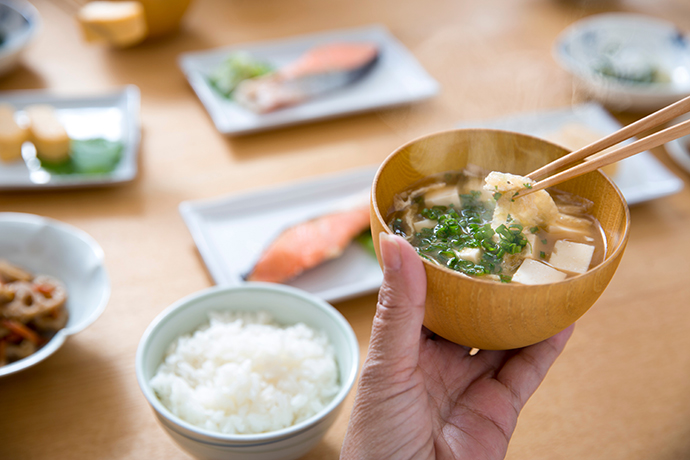
Miso is a traditional Japanese seasoning produced by fermenting soybeans with salt and kōji (a fungus, Aspergillus oryzae). Often, grains like rice or barley are also incorporated. The fermentation period can range from a few weeks to several years, yielding a thick paste with a rich, savory, and complex umami flavor. Miso is a staple in Japanese cooking, most famously used in miso soup, but also as a glaze, marinade, dressing, and pickling agent.
Types of Miso:
- Shiro (White) Miso: Light in color and taste, shorter fermentation, higher rice kōji content. Sweet and mild.
- Aka (Red) Miso: Longer fermentation, higher soybean content, darker color, saltier, and more pungent flavor.
- Awase (Mixed) Miso: A blend of red and white miso, offering a balanced flavor profile.
The “how” of miso production involves steaming soybeans, mixing them with kōji and salt, and then allowing the mixture to ferment and age in large barrels. The kōji enzymes break down the proteins and starches in the soybeans and grains into amino acids and simple sugars, creating its characteristic umami depth. Nutritionally, miso is a good source of protein, essential minerals, and beneficial bacteria.
Kimchi: The Spicy Soul of Korean Gastronomy
Kimchi is a traditional Korean side dish made from salted and fermented vegetables, most commonly napa cabbage and Korean radish, with a wide array of seasonings including gochugaru (chili powder), garlic, ginger, scallions, and jeotgal (fermented seafood). It is arguably the most recognizable symbol of Korean cuisine, served with almost every meal.
The Kimchi Fermentation Process:
- Salting: Vegetables are brined to draw out water and start the osmotic process, creating a firm texture.
- Rinsing and Draining: Excess salt is removed, and vegetables are prepared for seasoning.
- Seasoning: A paste made from the aforementioned spices and aromatics is thoroughly mixed with the vegetables.
- Fermentation: The seasoned kimchi is packed into airtight containers and allowed to ferment at cool temperatures. Lactic acid bacteria naturally present on the vegetables initiate the fermentation, producing lactic acid that gives kimchi its characteristic sour, tangy flavor and preserves it.
The “why” of kimchi is deeply rooted in Korean history, providing a vital source of nutrients during harsh winters when fresh vegetables were scarce. Today, it is celebrated for its probiotic benefits, rich flavor, and versatility in various dishes beyond a simple side, from kimchi jjigae (stew) to kimchi fried rice.
The World of Cheese: A Symphony of Western Fermentation
Cheese, a dairy product derived from milk, is perhaps the most diverse category of fermented foods in the Western world, with thousands of varieties. Its creation involves the coagulation of the milk protein casein, followed by pressing, salting, and aging the resulting curd. Microorganisms, primarily bacteria and molds, play a pivotal role at every stage, from acidifying the milk to developing complex flavors and textures during ripening.
Basic Cheese Making Steps:
- Milk Selection: Cow, goat, sheep, or buffalo milk.
- Acidification: Starter cultures (lactic acid bacteria) are added to convert lactose into lactic acid, lowering the pH. This prepares the milk for coagulation and contributes to flavor.
- Coagulation: Rennet (an enzyme) is added to curdle the milk, separating solids (curds) from liquids (whey).
- Cutting, Heating, and Stirring: Curds are cut to release more whey, then gently heated and stirred to develop texture.
- Pressing and Salting: Curds are pressed into molds to form wheels or blocks, then salted for flavor, preservation, and moisture control.
- Aging/Ripening: Cheeses are aged in controlled environments, where specific molds and bacteria continue to develop their unique characteristics, from soft Brie to crumbly Parmesan.
The “why” of cheese is similar to other ferments: preservation of a perishable food (milk) into a more stable, nutrient-dense form. Its cultural significance in Europe, in particular, is immense, with regional cheeses often defining local culinary identities and traditions.
Comparison of Fermentation Types
While Miso, Kimchi, and Cheese all rely on microbial activity, their methods and outcomes differ significantly:
| Feature | Miso | Kimchi | Cheese |
|---|---|---|---|
| Primary Ingredient | Soybeans, Kōji, Salt | Napa Cabbage, Radish, Spices | Milk (Cow, Goat, Sheep) |
| Key Microorganisms | Aspergillus oryzae (Kōji), Yeasts, Lactic Acid Bacteria | Lactic Acid Bacteria (e.g., Leuconostoc, Lactobacillus) | Lactic Acid Bacteria (Starter cultures), Rennet, Molds |
| Primary Flavor Profile | Umami, Salty, Earthy, Sweet | Spicy, Sour, Tangy, Umami | Creamy, Salty, Pungent, Nutty (varies greatly) |
| Cultural Origin | Japan | Korea | Europe, Middle East |
| Typical Usage | Soup, Marinades, Dressings | Side dish, Stews, Fried Rice | Standalone, Sandwiches, Cooking |
| Texture | Thick paste | Crisp, crunchy vegetables | Solid to creamy, varied |
Beyond the Basics: Advanced Fermentation Techniques and Pro Tips
While the fundamentals of fermentation are accessible, mastering the art involves understanding nuances, controlling variables, and embracing experimentation. For both home fermenters and culinary professionals, delving deeper into techniques can yield extraordinary results.
Advanced Techniques for Home Fermenters
- Starter Cultures: Move beyond wild fermentation by using specific starter cultures for consistent and predictable results, especially for yogurt, kombucha, and sourdough.
- Temperature Control: Invest in temperature-controlled environments (e.g., fermentation chambers, specialized heating mats) to optimize microbial activity and steer flavors.
- Anaerobic Fermentation: Utilize airlocks or vacuum sealing to maintain strict anaerobic conditions, crucial for preventing undesirable mold growth and encouraging specific bacterial strains.
- Secondary Fermentation: For beverages like kombucha or keffir, a secondary fermentation with added fruits or spices can introduce new flavors and carbonation.
- Ingredient Sourcing: Experiment with heirloom varieties of vegetables, artisanal salts, and different types of grains or milks to observe their impact on the final product.
Expert Advice for Successful Fermentation
Achieving consistently delicious and safe ferments requires attention to detail. Here are some pro tips:
- Sanitation is Paramount:
- Always use clean, sterilized jars, utensils, and hands. Undesirable microbes can easily spoil a batch.
- Use Good Quality Ingredients:
- Organic, fresh, and pesticide-free produce is ideal as it often harbors a healthier natural microbial community.
- Mind the Salt:
- Salt plays a crucial role in drawing out moisture and inhibiting spoilage bacteria while allowing beneficial lactic acid bacteria to thrive. Use non-iodized salt (like sea salt or kosher salt) as iodine can inhibit fermentation.
- Maintain an Anaerobic Environment:
- Keep your ferment submerged under brine or use an airlock to prevent oxygen exposure, which can lead to mold or spoilage.
- Patience is a Virtue:
- Fermentation takes time. Don’t rush the process. Taste regularly to monitor progress and determine when it reaches your desired flavor profile.
- Document Your Experiments:
- Keep notes on ingredients, ratios, temperatures, and fermentation times. This helps replicate successful batches and learn from less successful ones.
The Future of Fermented Foods: Health, Sustainability, and Innovation
The ancient art of fermentation is experiencing a modern renaissance, driven by increasing consumer awareness of gut health, demand for sustainable food systems, and a renewed appreciation for traditional flavors. The future of fermented foods promises exciting developments across various sectors.
Health and Wellness Trends
With growing scientific understanding of the human microbiome, fermented foods are increasingly recognized for their potential to support gut health, boost immunity, and even influence mood. This has led to a surge in probiotic-rich products and a focus on “functional foods” that offer health benefits beyond basic nutrition. Expect more research into specific microbial strains and their therapeutic applications, leading to personalized fermented food recommendations.
Sustainability and Food Waste Reduction
Fermentation is inherently sustainable. It extends the shelf life of perishable goods, reduces food waste, and can transform agricultural byproducts into valuable food items. Future innovations will likely see fermentation being used to create novel protein sources (e.g., fungal and algal ferments), develop plant-based alternatives to traditional animal products, and upcycle food waste into nutritious ingredients, aligning with global efforts to build more resilient and eco-friendly food systems.
Culinary Innovation and Global Fusion
Chefs and food scientists are continually pushing the boundaries of fermentation, experimenting with new ingredients, techniques, and flavor combinations. We can anticipate more fusion ferments that blend cultural traditions, innovative applications of fermentation in fine dining, and the development of new fermented condiments, beverages, and snacks that cater to diverse palates. The exploration of neglected or indigenous fermented foods from around the world will also contribute to a richer, more diverse culinary landscape.
Frequently Asked Questions (FAQ)
- What exactly is the difference between pickling and fermenting?
- While both methods preserve food and can involve a sour taste, pickling typically refers to preserving food in an acidic solution, such as vinegar, which is a quick chemical process. Fermentation, on the other hand, is a biological process where microorganisms (like bacteria or yeast) convert sugars into acids, alcohol, or gases, creating its own preserving environment and unique flavors. Some pickles are fermented (e.g., traditional dill pickles, kimchi), while others are not (e.g., vinegar-based cucumber pickles).
- Are all fermented foods probiotic?
- No, not all fermented foods contain live and active probiotic cultures by the time they are consumed. While fermentation introduces beneficial bacteria, some processes, like baking (sourdough bread) or pasteurization (some commercial yogurts or sauerkraut), can kill these microorganisms. To gain probiotic benefits, look for labels that specify “live and active cultures” or “unpasteurized.”
- Is it safe to ferment foods at home? What are the main risks?
- Yes, home fermentation is generally safe when proper hygiene and techniques are followed. The main risks include contamination by undesirable molds or bacteria, which can lead to spoilage or, rarely, foodborne illness. Key safety measures include using clean equipment, maintaining anaerobic conditions, ensuring adequate salt concentration, and trusting your senses – if a ferment smells or looks off (e.g., fuzzy mold), it’s best to discard it.
- Can I use any type of salt for fermentation?
- It’s best to use non-iodized salt, such as sea salt, kosher salt, or pickling salt. Iodized salt contains anti-caking agents and iodine, which can inhibit the beneficial bacteria crucial for fermentation and sometimes lead to off-flavors or discoloration. Fine-grain salts dissolve more easily, but coarse salts work equally well.
- What is kōji and why is it important in some Asian ferments?
- Kōji is a specific mold, Aspergillus oryzae, cultivated on grains like rice, barley, or soybeans. It is a cornerstone of many East Asian ferments, including miso, soy sauce, sake, and mirin. Kōji produces powerful enzymes (amylase, protease, lipase) that break down complex carbohydrates into simple sugars and proteins into amino acids. This enzymatic activity is crucial for developing the characteristic umami flavors, sweetness, and digestibility of these fermented products.