The Art of Turkish Slow Cooking: A Guide to Kidney Beans & Stuffed Eggplant
In the heart of Turkish cuisine lies a profound respect for time and transformation. It is a culinary philosophy where patience is not just a virtue but a key ingredient, where the slow, gentle application of heat coaxes humble ingredients into dishes of extraordinary depth and complexity. This is the world of Turkish slow cooking, a tradition that values the gradual melding of flavors over the rush of modern meal preparation. From the light, olive oil-based dishes known as “Zeytinyağlılar” to hearty, simmered main courses, the principle remains the same: to allow each component to fully express itself, resulting in a harmonious and deeply satisfying whole. This guide delves into the art of this tradition through two iconic recipes that embody its spirit: the delicate, slow-cooked kidney beans of Istanbul’s spring and the ritualistic, transformative stuffed eggplant.
Understanding this approach is to understand the soul of Turkish home cooking. It’s about more than just a set of instructions; it’s about the sensory journey—the aroma of onions softening in olive oil, the gentle burble of a pot simmering for hours, and the final presentation of a dish that has been nurtured into existence. We will explore the core principles, essential ingredients, and detailed techniques that will empower you to recreate these timeless classics in your own kitchen.
The Foundation of Flavor: Mastering Turkish Slow-Cooking Principles
Before diving into specific recipes, it is crucial to grasp the foundational concepts that govern Turkish slow cooking. These principles are the bedrock upon which countless dishes are built, ensuring a consistent depth of flavor and a signature texture that cannot be rushed. Mastering them is the first step toward authentic results.
The Holy Trinity: Olive Oil, Onions, and Tomatoes
At the core of many Turkish slow-cooked dishes is a trio of ingredients that create an aromatic and flavorful base. High-quality extra virgin olive oil is paramount, used not just for frying but as a primary flavor component, especially in Zeytinyağlı dishes where it lends a fruity, peppery richness. Onions are cooked slowly and patiently in this oil until they are soft, translucent, and sweet, releasing their sugars to form a complex foundation. Finally, ripe tomatoes—fresh in the summer or as a rich paste (salça) in the winter—are introduced. This combination, when simmered gently, creates a savory, slightly sweet, and umami-rich sauce that serves as the perfect medium for cooking vegetables, legumes, or meats.
The Importance of Seasonal Ingredients
True Turkish cooking is intrinsically linked to the seasons. The choice of ingredients is dictated by what is fresh, ripe, and at the peak of its flavor. Spring might bring tender fresh kidney beans (barbunya) and artichokes, while the height of summer offers the best eggplants, peppers, and tomatoes for stuffing and simmering. This reliance on seasonality ensures that the dishes are not only vibrant and flavorful but also connected to the natural rhythm of the land. The slow-cooking process is perfectly suited to highlight the inherent qualities of these peak-season ingredients without overpowering them.
The Virtue of Patience: Low and Slow Heat
The most critical technique is the management of heat. Turkish slow cooking relies on a gentle, consistent, low heat that allows ingredients to cook evenly and thoroughly without scorching. This “low and slow” method is what facilitates the transformation. It breaks down the tough fibers in beans until they are creamy, it renders eggplants meltingly tender, and it gives flavors from herbs, spices, and aromatics the necessary time to infuse the entire dish. A heavy-bottomed pot or Dutch oven is an invaluable tool, as it distributes heat evenly and maintains a steady temperature, preventing hot spots and ensuring a perfect, gentle simmer.

A Taste of Spring: Crafting Slow-Cooked Turkish Kidney Beans (Barbunya Pilaki)
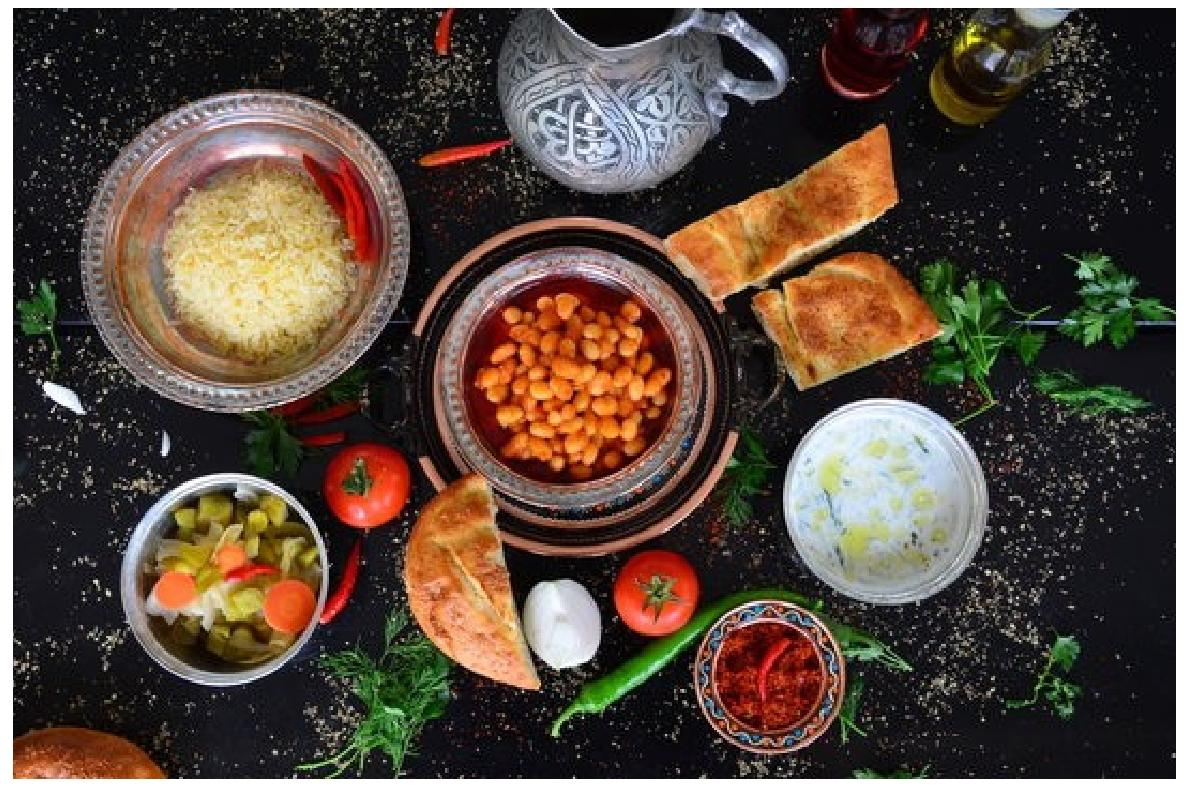
Barbunya Pilaki is a quintessential Istanbul dish, especially popular in the spring and summer when fresh borlotti beans (a type of cranberry or kidney bean) are available. It is a perfect example of a Zeytinyağlı dish, where the ingredients are simmered in olive oil and served at room temperature, allowing the flavors to settle and deepen. It is a celebration of simplicity and the pure taste of fresh produce.
Understanding Barbunya Pilaki: More Than Just Beans
This dish is not merely boiled beans; it is a carefully constructed medley of flavors and textures. The beans are the star, but they are supported by a cast of aromatic vegetables. Carrots add a touch of sweetness, onions and garlic provide a savory backbone, and tomatoes lend a gentle acidity. The slow simmer in a generous amount of olive oil is what transforms the beans into a creamy, velvety delight, while the vegetables soften without losing their essential character. The final dish should be luscious, with the beans perfectly tender but intact, all coated in a rich, flavorful, olive oil-based sauce.
Step-by-Step Recipe: From Soaking to Simmering
While fresh beans are traditional, high-quality dried kidney beans, soaked overnight, are an excellent substitute. Here is a detailed breakdown of the process:
- Preparation: If using dried beans, soak them overnight in plenty of water. The next day, drain and rinse them. Finely chop one large onion and two cloves of garlic. Dice one large carrot and one large, ripe tomato.
- Building the Base: In a wide, heavy-bottomed pot, heat a generous amount of olive oil (about 1/2 cup) over medium-low heat. Add the chopped onion and sauté gently until very soft and translucent, about 10-15 minutes. Add the garlic and carrots and cook for another 5 minutes.
- The Slow Simmer: Add the diced tomato and a tablespoon of tomato paste to the pot. Stir and cook until the tomato breaks down. Add the drained beans to the pot, along with a teaspoon of sugar (a traditional touch to balance the acidity of the tomatoes). Pour in just enough hot water to barely cover the beans.
- Patience is Key: Bring the mixture to a gentle boil, then immediately reduce the heat to the lowest possible setting. Cover the pot and let it simmer very slowly. This can take anywhere from 1 to 2 hours, depending on the beans. Check periodically, stirring gently, and add a splash of hot water only if necessary. The goal is a thick, saucy consistency, not a soup. The beans are ready when they are completely tender and creamy. Season with salt and pepper in the last 15 minutes of cooking.
Key Techniques for a Creamy, Flavorful Result
To achieve perfection in Barbunya Pilaki, focus on two things. First, do not rush the sautéing of the onions. This step builds the foundational sweetness of the dish. Second, maintain the gentlest simmer possible. A vigorous boil will break the beans apart and make the sauce cloudy. The slow, patient cooking is what allows the beans to absorb all the surrounding flavors while developing their signature creamy texture.

The Ritual of Transformation: Perfecting Turkish Stuffed Eggplant
If Barbunya Pilaki is a gentle poem, Turkish Stuffed Eggplant (Karnıyarık or İmam Bayıldı) is a rich, dramatic epic. The name “Karnıyarık” translates to “split belly,” describing how the eggplant is split to hold a savory filling. This dish is a true labor of love, a multi-step process that transforms the humble eggplant into a meltingly tender vessel for a symphony of flavors. It is a ritual of preparation that yields a truly spectacular main course.
The Eggplant’s Journey: Taming Bitterness and Building Texture
The success of this dish hinges on the proper preparation of the eggplant. The goal is to remove any potential bitterness and create a soft, creamy texture that absorbs the flavors of the filling and sauce.
- Salting: After peeling the eggplants in stripes (to help them hold their shape), they are slit lengthwise and soaked in heavily salted water for at least 30 minutes. This process draws out bitter juices.
- Drying: After soaking, the eggplants must be rinsed and patted thoroughly dry. Any excess water will cause them to sputter violently in the hot oil.
- Frying or Roasting: Traditionally, the eggplants are shallow-fried in oil until they are golden brown and softened. This step is crucial for developing a deep flavor and a luscious texture. For a lighter version, they can be brushed generously with olive oil and roasted in a hot oven until tender.
Creating the Rich and Aromatic Filling
The classic Karnıyarık filling consists of ground lamb or beef, sautéed with finely chopped onions, garlic, peppers, and tomatoes. It is generously seasoned with black pepper, and fresh parsley is often stirred in at the end for freshness. For the vegetarian version, İmam Bayıldı (“the Imam fainted,” supposedly from its deliciousness), the filling is a rich mixture of sautéed onions, garlic, and tomatoes, cooked down in olive oil until jammy and intensely flavorful.
The Final Simmer: Marrying Flavors in the Pot
Once the eggplants are prepared and filled, the final stage of transformation begins. The stuffed eggplants are arranged snugly in a wide pan. A simple sauce, often just a bit of water mixed with tomato paste, is poured into the bottom of the pan (not over the eggplants). The pan is then covered and placed over low heat to simmer gently for 30-45 minutes. This final, slow cook allows the eggplant to become completely tender and to absorb the flavors of the filling, while the filling itself melds with the delicate tomato sauce, creating a dish that is rich, complex, and utterly irresistible.

Serving Traditions: How to Enjoy Your Slow-Cooked Masterpieces
The preparation is only half the story; how these slow-cooked dishes are served is integral to the Turkish culinary experience. The traditions surrounding their presentation are designed to maximize flavor and enjoyment, turning a simple meal into a communal event.
The Room Temperature Rule: Why Waiting Enhances Flavor
One of the most distinctive aspects of serving Zeytinyağlı dishes like Barbunya Pilaki is the temperature. They are almost never served hot. Instead, they are left to cool to room temperature before being brought to the table. This resting period is crucial, as it allows the flavors to settle, meld, and deepen. The taste of the olive oil, in particular, becomes more pronounced and luxurious as it cools. For heartier dishes like Karnıyarık, serving it warm rather than piping hot allows the complex flavors to be appreciated more fully.
Perfect Pairings: Rice, Bread, and Yogurt
These dishes are rarely served alone. Plain Turkish rice (Sade Pilav) is the classic accompaniment for Karnıyarık, its simple, buttery flavor providing the perfect canvas for the rich eggplant and filling. A generous dollop of thick, creamy yogurt is also essential, its cool tanginess cutting through the richness of the main dish. For Barbunya Pilaki, a crusty loaf of fresh bread is all that’s needed to soak up the delicious, olive oil-rich sauce. A simple shepherd’s salad (Çoban Salata) with cucumber, tomato, and onion can provide a fresh, crisp contrast.
Integrating Slow-Cooked Dishes into a Turkish Mezze or Main Course
Barbunya Pilaki shines as part of a “mezze” spread—a collection of small dishes that start a meal. Its refreshing, savory character makes it a perfect counterpoint to other mezze like hummus, baba ghanoush, and cheese. Karnıyarık, on the other hand, is a commanding main course, often the centerpiece of a family dinner, showcasing the cook’s skill and patience.
Frequently Asked Questions (FAQ)
- Q1: Can I use canned beans for the Barbunya Pilaki recipe?
- While dried beans that you soak yourself will yield the best creamy texture and flavor, you can use high-quality canned cannellini or kidney beans in a pinch. If you do, be sure to rinse them thoroughly and reduce the simmering time significantly, to about 20-30 minutes, as your goal is simply to heat them through and allow them to absorb the flavors of the sauce without turning to mush.
- Q2: What is the main difference between Karnıyarık and İmam Bayıldı?
- The primary difference is the filling. Karnıyarık is made with a savory ground meat filling, typically lamb or beef, making it a rich main course. İmam Bayıldı is its vegetarian counterpart, where the filling is a generous mixture of onions, garlic, and tomatoes slowly cooked in olive oil. Both use the same technique for preparing the eggplant and are considered classics of Turkish cuisine.
- Q3: Why is sugar added to many savory Turkish tomato dishes?
- A small amount of sugar, typically just a pinch or a teaspoon, is a traditional addition to many Turkish dishes that feature tomatoes, including Barbunya Pilaki. It is not meant to make the dish sweet. Instead, its purpose is to balance the natural acidity of the tomatoes, creating a rounder, more harmonious, and deeper flavor profile.
- Q4: How can I prevent my stuffed eggplant from becoming too oily?
- The key is in the preparation. After soaking the eggplants in salt water, you must squeeze them gently and pat them completely dry with paper towels. This prevents them from absorbing excess oil during frying. Alternatively, opting to roast the eggplants in the oven with a generous brushing of oil, rather than deep-frying, gives you more control over the amount of oil used and results in a lighter, yet still delicious, final dish.