The Ultimate Guide to 15-Minute Vegan Thai Red Curry
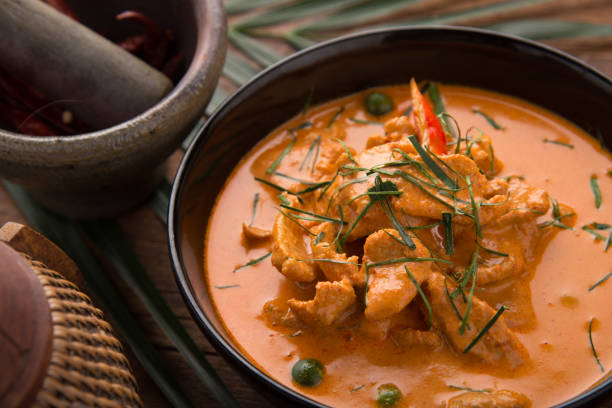
Thai Red Curry, known locally as “Kaeng Phet,” is a cornerstone of Southeast Asian cuisine, celebrated for its vibrant color and complex flavor profile. While traditional recipes can take hours of simmering, modern culinary techniques allow us to condense this experience into a 15-minute power-meal without sacrificing the authentic depth of the dish.
The Foundations of Thai Red Curry Flavor
The soul of a red curry lies in its paste. A traditional Thai red curry paste is a pounded mixture of dried red chili peppers, garlic, shallots, galangal, shrimp paste (omitted in vegan versions), kaffir lime peel, coriander root, coriander seeds, and cumin seeds.
The Vegan Substitution Strategy
In a vegan context, the primary challenge is replacing the umami depth typically provided by shrimp paste. High-quality vegan red curry pastes often utilize fermented soybean paste or additional salt and mushroom powder to achieve that savory “fifth taste.” When selecting a store-bought paste, always ensure it is labeled “vegan” or “vegetarian” to avoid hidden fish or shrimp ingredients.
- Galangal vs. Ginger: While ginger is a common substitute, galangal provides a sharper, citrusy, and more pine-like flavor essential for authenticity.
- Lemongrass: Only the tender inner white core should be used and finely minced to avoid a woody texture in a quick-cook curry.
- Kaffir Lime Leaves: These provide a floral, high-note citrus aroma that cannot be replicated by lime juice alone.

Essential Ingredients for the Perfect Vegan Base
To achieve a creamy, luscious texture in 15 minutes, the quality and fat content of your coconut milk are paramount. Coconut milk serves as the carrier for all the spice and heat, acting as a buffer that rounds out the sharp edges of the chili.
The Science of Coconut Milk Selection
Not all coconut milks are created equal. For a pillar-page quality curry, you must understand the difference between coconut milk, coconut cream, and “light” versions.
| Type of Coconut Product | Fat Content | Best Use Case |
|---|---|---|
| Full-Fat Coconut Milk | 17-24% | Standard curries; provides the classic “mouthfeel.” |
| Coconut Cream | 24% + | Extra-rich, thick sauces or desserts. |
| Light Coconut Milk | 5-10% | Low-calorie options; requires thickeners like cornstarch. |
Pro Tip: For the most authentic result, “crack” the coconut cream. Heat a small amount of the thick cream from the top of the can until the oil separates, then fry your curry paste in that oil to release the fat-soluble aromatics.

Step-by-Step 15-Minute Cooking Strategy
Efficiency is the key to a 15-minute curry. The secret is in the “mise en place”—having all ingredients prepped before the heat touches the pan. Because the cooking time is short, vegetables must be cut into uniform, bite-sized pieces to ensure they cook through simultaneously.
The Workflow Checklist
- The Sizzle (Minutes 1-3): Sauté the curry paste in coconut oil or cracked coconut cream. This “blooms” the spices.
- The Liquid (Minutes 4-5): Stir in the remaining coconut milk and a splash of vegetable broth to adjust consistency.
- The Bulk (Minutes 6-12): Add hardy vegetables (carrots, bell peppers) first, followed by protein (tofu or tempeh), and finally delicate greens (spinach or snap peas).
- The Balance (Minutes 13-15): Season with tamari (for salt), coconut sugar (for sweetness), and lime juice (for acidity).
Expert Advice: Balancing the Four Pillars
Thai cuisine is built on four pillars: Spicy, Sour, Sweet, and Salty. If your curry tastes “flat,” it likely needs more lime (sour) or a pinch of sugar (sweet) to bridge the gap between the heat of the chili and the salt of the tamari.
Nutritional Profile and Pairing Suggestions
A vegan Thai red curry is a nutritional powerhouse, offering healthy fats from coconut, high protein from tofu, and a spectrum of vitamins from varied vegetables. It is naturally gluten-free (provided the curry paste and tamari are certified) and fits perfectly into a whole-food, plant-based diet.
Optimal Grain Pairings
While Jasmine rice is the traditional choice for its floral aroma and soft texture, you can upgrade the nutritional density of your meal by considering these alternatives:
- Brown Jasmine Rice: Adds fiber and a nuttier flavor profile.
- Black Rice (Forbidden Rice): High in antioxidants and provides a stunning visual contrast.
- Quinoa: A high-protein alternative that soaks up the curry sauce exceptionally well.
Frequently Asked Questions (FAQ)
- Is Thai red curry paste always vegan?
- No. Many commercial brands include shrimp paste or fish sauce. Always read the label carefully for “shrimp paste” or “shrimp extract.” Brands like Maesri or Thai Kitchen often offer vegan-friendly options.
- How can I make my curry thicker without adding flour?
- The best way to thicken a Thai curry is to simmer it uncovered to allow for evaporation, or to use a higher ratio of coconut cream to coconut milk. You can also mash a few pieces of cooked potato or tofu into the sauce.
- Can I freeze leftover vegan Thai curry?
- Yes, but be aware that coconut milk can sometimes grain or separate when thawed. Reheat slowly over low heat while stirring constantly to re-emulsify the sauce. Vegetables may also become softer after freezing.
- What is the best tofu to use for this 15-minute recipe?
- Extra-firm tofu is ideal. For the best texture in a short timeframe, press the tofu for 5 minutes to remove excess water, then sear it in a separate pan before adding it to the curry sauce.
- How do I reduce the spice level if it is too hot?
- Add more coconut milk or a teaspoon of nut butter (like cashew or peanut butter). The fats help neutralize the capsaicin in the chilies. Increasing the sugar content can also help mask excessive heat.