A Culinary Journey Through Vegan Middle Eastern & North African Cuisine
The Aromatic World of Moroccan Vegan Tagines
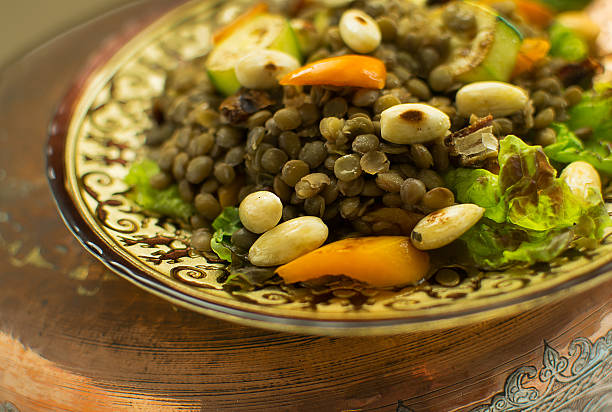
Moroccan tagines are a cornerstone of North African cuisine, renowned for their complex flavors, rich textures, and communal dining experience. Traditionally slow-cooked in a conical clay pot called a tagine, these stews are a testament to the region’s abundant produce and mastery of spice blending. A vegan lentil and vegetable tagine exemplifies this culinary art, offering a hearty, nutritious, and deeply satisfying plant-based meal that celebrates the vibrant bounty of Moroccan gardens.
Unveiling the Spice Palette: The Heart of Moroccan Flavor
The soul of any Moroccan tagine lies in its unique blend of spices, which are meticulously combined to create a symphony of flavors. Understanding these spices is crucial to replicating authentic Moroccan taste. These are not merely additions but foundational elements that define the dish’s character.
- Cumin: Earthy and warm, cumin provides a foundational savory note. It’s often toasted before grinding to enhance its aromatic qualities.
- Coriander: Both the seeds (ground) and fresh cilantro leaves are vital. Ground coriander offers a citrusy, slightly sweet flavor, while fresh cilantro adds a bright, herbaceous finish.
- Turmeric: Beyond its vibrant golden hue, turmeric imparts a subtle earthy bitterness and is celebrated for its health benefits. It’s a key component in most Moroccan stews.
- Ginger: Freshly grated ginger adds a pungent, spicy warmth that balances the other spices, providing a refreshing kick.
- Paprika: Sweet paprika contributes a mild, fruity flavor and a beautiful red color, while smoked paprika can add a deeper, more complex undertone.
- Cinnamon: A surprising but essential addition, cinnamon provides a warm, sweet aroma that beautifully complements savory dishes, especially those with dried fruits.
- Ras el Hanout: Meaning “head of the shop,” this is a proprietary blend of numerous spices (often 10-30 or more) that varies from region to region and even from spice merchant to spice merchant. It typically includes cardamom, nutmeg, mace, allspice, and many others, offering an unparalleled depth of flavor.
These spices are often bloomed in olive oil at the start of cooking, releasing their essential oils and infusing the entire dish with their intoxicating aromas.
Crafting Your Perfect Lentil & Vegetable Tagine
Preparing a vegan lentil and vegetable tagine is a rewarding process that allows for creativity and adaptation. The key is to build layers of flavor and ensure the vegetables retain some texture while the lentils become tender.
- Preparation of Aromatics: Begin by sautéing finely chopped onions, garlic, and fresh ginger in olive oil until softened and fragrant. This forms the aromatic base.
- Blooming the Spices: Introduce your chosen blend of spices (cumin, coriander, turmeric, paprika, cinnamon, and a generous pinch of Ras el Hanout) to the pan, stirring constantly for about a minute until fragrant. This step is critical for developing deep flavor.
- Adding Vegetables and Lentils: Incorporate hearty vegetables such as carrots, zucchini, bell peppers, and butternut squash, along with soaked brown or green lentils. Tomatoes (fresh or canned diced) and vegetable broth or water are then added to create the stewing liquid.
- Sweet and Tangy Notes: For a classic Moroccan touch, consider adding dried apricots or dates for sweetness, and a squeeze of lemon juice or a few preserved lemons for a bright, tangy counterpoint. Chickpeas can also be added for extra protein and texture.
- Slow Simmering: Cover the tagine pot or Dutch oven and allow the stew to simmer gently for at least 45-60 minutes, or until the lentils are tender and the vegetables are cooked through but not mushy. The slow cooking allows flavors to meld beautifully.
Monitoring the liquid levels is important; add more broth if the tagine becomes too dry, ensuring a rich, saucy consistency.
Beyond the Pot: Serving Suggestions and Cultural Context
A tagine is more than just a meal; it’s an experience. Its presentation and accompanying elements are integral to the Moroccan dining tradition.
- Traditional Serving: Tagines are traditionally served directly from the cooking vessel, placed at the center of the table for everyone to share. This communal aspect fosters connection and conversation.
- Accompaniments: Typically served with crusty bread (khobz) for scooping up the rich sauce and tender vegetables. Couscous is another popular accompaniment, often steamed to fluffy perfection.
- Fresh Herbs: A final garnish of fresh cilantro and parsley brightens the dish and adds a burst of freshness.
- Mint Tea: Concluding the meal with traditional Moroccan mint tea is a customary practice, aiding digestion and rounding off the culinary journey.
The vegan lentil and vegetable tagine is a celebration of plant-based eating that doesn’t compromise on flavor or cultural authenticity, making it a perfect example of global vegan delights.

Crispy Perfection: Mastering Lebanese Falafel in the Air Fryer
Falafel, those delightful deep-fried patties made from ground chickpeas and herbs, are a staple of Middle Eastern cuisine, particularly beloved in Lebanon. Traditionally, they are fried in hot oil, resulting in a wonderfully crispy exterior and a soft, flavorful interior. However, with the rise of healthier cooking methods, mastering falafel in an air fryer has become a game-changer, offering a guilt-free way to enjoy this iconic street food without sacrificing its signature crunch.
Traditional Roots vs. Modern Air Frying Techniques
The essence of falafel lies in its simple yet potent ingredients and the textural contrast achieved through cooking. Understanding the traditional method helps appreciate the innovation of air frying.
- Traditional Deep Frying: In the classic approach, falafel balls are submerged in a vat of hot oil. This method creates a thick, golden-brown crust and ensures rapid, even cooking. The high temperature seals the exterior, preventing oil from soaking into the center, resulting in a surprisingly light texture despite being fried.
- Air Frying Innovation: Air fryers work by circulating hot air around the food, mimicking the effects of deep frying with significantly less oil. For falafel, this means a much healthier option with fewer calories and less fat. While the texture might be slightly different – perhaps a bit less uniformly crisp than deep-fried – an air fryer can still produce incredibly satisfyingly crunchy falafel with a tender interior, provided the right techniques are applied.
The air fryer offers convenience and health benefits, making falafel more accessible for everyday home cooking without the mess and oil consumption of traditional frying.
Essential Ingredients for Authentic Falafel
The quality of your falafel largely depends on the freshness and authenticity of its ingredients. It’s a common misconception that canned chickpeas work for falafel; for true texture and flavor, dried chickpeas are essential.
- Dried Chickpeas (Soaked): This is the most crucial ingredient. Dried chickpeas must be soaked in cold water for at least 12-24 hours (or overnight) until they are plump and soft. They are NEVER cooked before grinding for falafel; cooking them will result in a mushy texture rather than the desired crumbly, airy consistency.
- Fresh Herbs: A generous amount of fresh parsley and cilantro (coriander) are indispensable. They contribute to the vibrant green color and fresh, aromatic flavor. Some recipes also include dill.
- Onion and Garlic: These provide a pungent, savory base. White or yellow onions are typically used, along with several cloves of fresh garlic.
- Spices: Cumin and ground coriander are the primary spices, offering earthy warmth. A pinch of cayenne pepper or chili flakes can add a subtle heat. Salt and black pepper are also essential for seasoning.
- Baking Soda (Optional): A small amount of baking soda can be added to the mixture to help the falafel puff up slightly and achieve a lighter texture.
The combination of these fresh ingredients, ground together, forms the characteristic texture and unforgettable taste of Lebanese falafel.
Step-by-Step Air Frying for Optimal Crispiness
Achieving perfectly crispy air-fried falafel requires attention to detail. Follow these steps for the best results:
- Grind the Mixture: After soaking, drain the chickpeas thoroughly. Combine them with fresh parsley, cilantro, onion, garlic, and spices in a food processor. Pulse until the mixture is finely ground but not pureed into a paste. It should resemble coarse sand and hold together when pressed. Avoid over-processing, as this can lead to dense falafel.
- Chill the Mixture: Transfer the falafel mixture to a bowl, cover, and refrigerate for at least 30 minutes. This helps the mixture firm up, making it easier to shape and preventing it from falling apart during cooking.
- Shape the Falafel: Using a falafel scoop or your hands, form the mixture into small, uniform patties or balls. Ensure they are not too thick, as this can hinder even cooking in the air fryer.
- Lightly Oil: Lightly brush or spray the falafel patties with a small amount of olive oil or cooking spray. This is key to achieving that desirable crispy exterior in the air fryer.
- Preheat and Arrange: Preheat your air fryer to 375-400°F (190-200°C). Arrange the falafel in a single layer in the air fryer basket, ensuring not to overcrowd it. Cook in batches if necessary to allow for proper air circulation.
- Air Fry to Perfection: Air fry for 15-20 minutes, flipping halfway through, until they are golden brown and crispy on all sides. The exact time may vary depending on your air fryer model and the size of your falafel.
The result will be beautifully golden, crunchy falafel that are tender and flavorful on the inside, ready to be enjoyed.
The Ultimate Falafel Experience: Sides and Sauces
Falafel is rarely eaten alone. Its true potential is unleashed when paired with traditional accompaniments that complement its flavors and textures.
- Pita Bread: Warm pita bread is the classic vessel for falafel, creating a delicious sandwich or wrap.
- Tahini Sauce: A creamy, tangy tahini sauce (made from tahini, lemon juice, garlic, and water) is absolutely essential. Its nutty flavor and smooth texture perfectly balance the crispy falafel.
- Fresh Vegetables: Sliced tomatoes, cucumbers, and lettuce add freshness and crunch.
- Pickled Turnips: These vibrant pink pickles offer a sharp, tangy contrast that cuts through the richness.
- Hummus: While falafel often comes with tahini, a dollop of creamy hummus can also be a delightful addition.
- Hot Sauce: For those who enjoy a kick, a drizzle of shatta (Middle Eastern hot sauce) or sriracha can elevate the experience.
Building a falafel sandwich or plate with these components creates a complete and satisfying meal that is both nutritious and incredibly delicious.

Beirut’s Bounty: A Deep Dive into Vegan Lebanese Eggplant Stew
Lebanese cuisine is celebrated for its fresh ingredients, vibrant flavors, and an abundance of plant-based dishes. Among these, the eggplant stew, often referred to as ‘Batenjan Makli’ (fried eggplant) or ‘Maghmour’ (eggplant and chickpea stew), stands out as a comforting, hearty, and deeply satisfying meal. While traditionally it can be prepared with meat, its vegan adaptation is incredibly popular and truly shines, highlighting the natural sweetness of eggplant combined with aromatic spices and a rich tomato base. This stew is a testament to Lebanese culinary ingenuity in transforming simple vegetables into extraordinary dishes.
The Rich History and Flavor Profile of Lebanese Stews
Stews hold a significant place in Lebanese home cooking, often prepared in large batches to feed families and guests. They embody the principle of slow cooking, allowing flavors to meld and deepen over time. Lebanese eggplant stew, in particular, showcases a balance of sweet, savory, and tangy notes, characteristic of the region’s culinary philosophy.
- Cultural Significance: Stuffed vegetables and hearty stews are a cornerstone of Lebanese ‘mezze’ (small dishes) and main courses, representing hospitality and the richness of the land.
- Flavor Harmony: The stew achieves its depth through a careful combination of sweet eggplant, tangy tomatoes, pungent garlic, and a warm spice blend. The slow simmering process allows the eggplant to tenderize and absorb all the surrounding flavors, creating a melt-in-your-mouth experience.
This stew is not just food; it’s a reflection of Lebanese culture, passed down through generations.
Key Ingredients and Their Role in the Stew
Each ingredient in a Lebanese eggplant stew plays a crucial role in building its complex flavor profile and satisfying texture.
- Eggplant: The star of the dish. Medium-sized eggplants are typically used, often peeled and cut into cubes or slices. Frying or roasting the eggplant before adding it to the stew is a common technique that enhances its flavor and prevents it from becoming too watery during simmering.
- Tomatoes: Fresh ripe tomatoes or high-quality canned crushed tomatoes form the rich, acidic base of the stew. They provide moisture and a vital tangy counterpoint to the eggplant’s sweetness.
- Chickpeas: Adding a significant protein boost and a delightful texture, chickpeas make the stew more substantial and satisfying, perfectly complementing the soft eggplant.
- Onions and Garlic: These aromatics are fundamental. Sautéed onions provide a sweet foundation, while generous amounts of garlic infuse the stew with its characteristic pungent flavor.
- Bell Peppers: Often included for color, sweetness, and a subtle crispness, bell peppers (green or red) add another layer of vegetable goodness.
- Spices: The spice blend typically includes a combination of cinnamon, allspice, and sometimes a Lebanese seven-spice blend (which includes black pepper, paprika, cumin, coriander, cloves, nutmeg, and cinnamon). These warm spices provide the distinctive Middle Eastern aroma and taste.
- Fresh Herbs: A garnish of fresh parsley or mint brightens the dish and adds a final flourish of freshness.
The interplay of these ingredients creates a harmonious and deeply flavorful stew that is both nutritious and comforting.
Preparing Your Hearty Eggplant Stew: A Culinary Journey
The preparation of vegan Lebanese eggplant stew is straightforward, but attention to detail, especially in preparing the eggplant, yields the best results.
- Eggplant Preparation: Wash and peel the eggplants (optional, but recommended for a smoother texture). Cut them into 1-inch cubes. Traditionally, they are lightly fried until golden brown and tender. Alternatively, for a healthier approach, you can roast them in the oven with a drizzle of olive oil until soft and slightly caramelized. This step is crucial as it removes excess moisture and concentrates their flavor.
- Building the Base: In a large pot or Dutch oven, sauté chopped onions in olive oil until translucent. Add minced garlic and bell peppers, cooking until fragrant.
- Adding Tomatoes and Spices: Pour in the crushed or diced tomatoes, along with the spices (cinnamon, allspice, seven-spice blend, salt, and pepper). Stir well and bring to a gentle simmer.
- Combining Ingredients: Add the pre-cooked eggplant cubes and drained chickpeas to the tomato base. Stir gently to combine all ingredients, ensuring the eggplant is well coated with the sauce.
- Simmering to Perfection: Reduce the heat to low, cover the pot, and let the stew simmer for at least 30-40 minutes, or even longer. This slow simmering allows the flavors to deepen and the eggplant to become incredibly tender, almost melting into the sauce. If the stew becomes too thick, a little vegetable broth or water can be added.
- Final Touches: Before serving, taste and adjust seasonings. A squeeze of fresh lemon juice can brighten the flavors. Garnish with fresh parsley or mint.
This process results in a robust and aromatic stew, perfect for a satisfying meal.

The Art of Vegan Middle Eastern & North African Spices
The culinary landscapes of the Middle East and North Africa are defined by their masterful use of spices. For vegan cuisine in these regions, spices are not just flavor enhancers; they are the architects of taste, transforming humble plant-based ingredients into exquisite dishes. From the warming notes of cumin and coriander to the complex layers of Ras el Hanout and seven-spice blends, understanding and utilizing these spices is paramount to authentic and flavorful vegan cooking.
The Foundation: Earthy and Aromatic Spices
Certain spices form the backbone of nearly all Middle Eastern and North African dishes, providing a deep, resonant base for other flavors to build upon. Their robust profiles are essential for creating the characteristic warmth and richness without relying on animal products.
- Cumin: A staple across both regions, cumin’s earthy, slightly bitter, and warm notes are indispensable. It pairs exceptionally well with legumes like lentils and chickpeas, making it crucial for falafel and tagines.
- Coriander: Used both as ground seeds and fresh leaves (cilantro), coriander offers a bright, citrusy, and slightly sweet flavor. It contributes significantly to the aromatic complexity of stews and salads.
- Turmeric: Valued for its golden color and subtle earthy flavor, turmeric adds warmth and depth. It’s also celebrated for its health benefits, making it a popular addition to many dishes.
- Paprika: Available in sweet, hot, and smoked varieties, paprika provides a fruity, peppery, and often smoky dimension. It’s key for adding color and a foundational flavor to many stews and spiced vegetable dishes.
These foundational spices are often the first to hit the hot oil or pan, allowing their flavors to bloom and permeate the entire dish from the outset.
Complex Blends: Ras el Hanout and Seven-Spice
Beyond individual spices, the art of blending is where the true magic happens. Two prominent blends, Ras el Hanout and Lebanese Seven-Spice, showcase the intricate knowledge of regional spice masters.
- Ras el Hanout: Hailing from North Africa (especially Morocco), this blend translates to “head of the shop” and can contain dozens of different spices, often including ginger, cardamom, mace, nutmeg, allspice, and even dried flowers. Each merchant has their unique recipe, making it a truly signature blend. It imparts a deeply aromatic, slightly sweet, and incredibly complex flavor to tagines and couscous dishes, elevating them to gourmet status.
- Lebanese Seven-Spice Blend: A cornerstone of Lebanese cooking, this blend typically consists of black pepper, paprika, cumin, coriander, cloves, nutmeg, and cinnamon. It’s a versatile blend used in everything from stews and rice dishes to marinades. It offers a balanced warmth with a hint of sweetness and pungency, providing a distinctly Lebanese flavor profile.
These blends are not just mixtures; they are carefully crafted compositions that bring historical and cultural depth to every vegan dish they touch.
Aromatic Enhancers: Cinnamon, Ginger, and Garlic
While often considered individual ingredients, cinnamon, ginger, and garlic play such pivotal roles in defining the character of vegan Middle Eastern and North African cuisine that they warrant special mention as aromatic enhancers.
- Cinnamon: Surprisingly versatile, cinnamon is not confined to sweet dishes in these cuisines. Its warm, sweet, and woody notes are crucial in savory tagines and stews, especially those incorporating dried fruits or lentils, providing a unique depth that balances other spices.
- Ginger: Fresh ginger adds a bright, pungent, and spicy kick that cuts through richness and adds a refreshing zest. It’s particularly prominent in Moroccan cuisine, often paired with turmeric and saffron.
- Garlic: Ubiquitous in both regions, garlic provides a pungent, savory foundation. Used generously, it forms the aromatic bedrock for almost every stew, sauce, and dip, contributing essential umami and depth.
The thoughtful application of these spices is what transforms simple vegetables and legumes into incredibly rich, flavorful, and unforgettable vegan meals that transport you to the bustling souks and vibrant kitchens of the Middle East and North Africa.

Embracing Plant-Based Culinary Traditions Globally
The global culinary landscape is rich with plant-based traditions that offer not only incredible flavors but also a wealth of nutritional benefits and sustainable practices. The vegan dishes of Morocco and Lebanon—such as the aromatic lentil tagine, crispy falafel, and hearty eggplant stew—are prime examples of how plant-based ingredients can be transformed into satisfying, culturally significant meals. Embracing these traditions means discovering new ingredients, mastering diverse cooking techniques, and appreciating the deep history embedded in every bite.
Nutritional Powerhouses: Why These Dishes Thrive
Many traditional vegan dishes from the Middle East and North Africa are inherently nutrient-dense, relying on wholesome ingredients that provide sustained energy and vital nutrients.
- Legume-Rich: Dishes like falafel and lentil tagine are built around chickpeas and lentils, which are excellent sources of plant-based protein, dietary fiber, and complex carbohydrates. This combination promotes satiety and aids in digestive health.
- Vegetable-Forward: Eggplant stews and vegetable tagines are packed with a variety of fresh vegetables, offering an abundance of vitamins, minerals, and antioxidants. The diverse range of colors in these dishes often indicates a broad spectrum of beneficial phytochemicals.
- Healthy Fats: Olive oil, a staple in both cuisines, provides monounsaturated fats, which are known for their heart-healthy benefits. Tahini, a key ingredient in falafel accompaniments, is rich in healthy fats, protein, and minerals like calcium.
- Spice Benefits: Beyond flavor, many of the spices used, such as turmeric, ginger, and cinnamon, possess anti-inflammatory and antioxidant properties, contributing to overall well-being.
These dishes demonstrate that a plant-based diet can be incredibly nourishing and satisfying, offering a complete nutritional profile.
Sustainable Choices and Culinary Innovation
Adopting global vegan culinary traditions goes hand-in-hand with making more sustainable food choices and fostering culinary innovation in our own kitchens.
- Environmental Impact: Plant-based diets generally have a lower environmental footprint compared to meat-heavy diets, requiring less land, water, and producing fewer greenhouse gas emissions. Focusing on legumes and vegetables from these cuisines aligns with sustainable eating practices.
- Resourcefulness: Traditional recipes often emphasize seasonal, locally sourced ingredients, promoting a connection to the land and reducing reliance on imported or processed foods. This resourcefulness is a valuable lesson for modern cooking.
- Culinary Creativity: Exploring these diverse dishes encourages home cooks to experiment with new spices, cooking methods (like air frying for falafel or slow simmering for tagines), and flavor combinations. It expands one’s culinary repertoire and builds confidence in preparing international cuisine.
- Global Connection: Learning about and cooking dishes from different cultures fosters a deeper understanding and appreciation of global diversity, connecting us to people and traditions across the world through the universal language of food.
By embracing these plant-based culinary traditions, we not only enrich our palates and improve our health but also contribute to a more sustainable and interconnected global food system.
Frequently Asked Questions (FAQ)
- Q1: What is the main difference between a tagine and a regular stew?
- A tagine specifically refers to both the North African earthenware pot with a conical lid used for cooking and the slow-cooked stew prepared within it. The unique design of the pot allows steam to condense and return to the dish, keeping ingredients moist and tender, and deeply infusing flavors. While a regular stew can be made in any pot, a tagine’s distinct cooking vessel significantly influences the texture and aromatic intensity of the dish.
- Q2: Can I use canned chickpeas for falafel if I’m short on time?
- While technically possible, using canned chickpeas for falafel is generally not recommended for authentic texture and flavor. Traditional falafel uses dried, soaked (but uncooked) chickpeas, which, when ground, create a coarse, crumbly mixture that becomes light and airy when cooked
- 0
- By finet52
- April 17, 2026 12:19 PM