Ultimate Guide to Dal Palak: Kitchen Wisdom from the Ganges
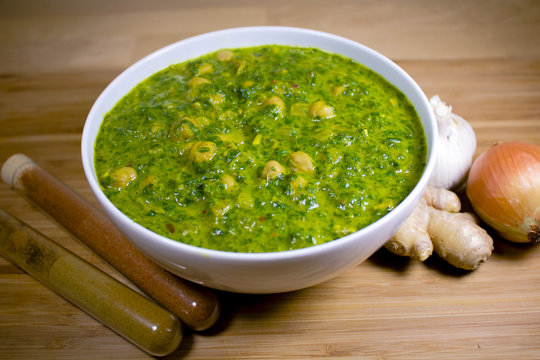
Dal Palak, a quintessential dish in Indian cuisine, transcends mere sustenance to embody a blend of tradition, nutrition, and comforting flavors. Originating from the rich culinary heritage of the Indian subcontinent, this wholesome preparation combines nutrient-dense lentils (dal) with vibrant, iron-rich spinach (palak), creating a dish that is both profoundly satisfying and incredibly healthy. Often associated with home-cooked meals and the wisdom passed down through generations, Dal Palak is more than just a recipe; it’s a testament to the simplicity and power of plant-based eating. This ultimate guide delves into the historical roots, nutritional prowess, and the art of crafting the perfect Dal Palak, ensuring you master every nuance from selecting the right ingredients to perfecting the signature tempering (tadka).
From the bustling streets of Delhi to the tranquil banks of the Ganges, the aroma of Dal Palak simmering with aromatic spices is a familiar and cherished scent. This guide will not only provide you with a comprehensive step-by-step methodology but also imbue you with the “why” behind each technique, offering insights into the underlying principles that make this dish a timeless classic. Prepare to embark on a culinary journey that celebrates health, flavor, and the enduring legacy of Indian kitchen wisdom.
The Nutritional Powerhouse: Why Dal Palak is a Staple
Dal Palak stands out as a nutritional champion, embodying the perfect synergy of two superfoods: lentils and spinach. This dish isn’t just delicious; it’s a complete meal packed with essential vitamins, minerals, and macronutrients, making it a cornerstone of a healthy diet, particularly in vegetarian and vegan lifestyles.
Lentils: Protein, Fiber, and Beyond
Lentils, or ‘dal’ in Hindi, are a cornerstone of Indian cuisine, celebrated for their affordability, versatility, and remarkable nutritional profile. They are an excellent source of plant-based protein, crucial for muscle repair and growth, making Dal Palak an ideal protein alternative to meat. Beyond protein, lentils are extraordinarily rich in dietary fiber, both soluble and insoluble. This fiber content aids in digestive health, helps regulate blood sugar levels, and contributes to a feeling of fullness, which can assist in weight management. Furthermore, lentils provide a significant amount of folate, iron, magnesium, potassium, and B vitamins, all vital for energy production, red blood cell formation, and overall cellular function.
Spinach: Vitamins, Minerals, and Antioxidants
Spinach, or ‘palak,’ is a leafy green vegetable renowned for its dense nutritional value. It’s an outstanding source of Vitamin K, essential for blood clotting and bone health, and Vitamin A, critical for vision and immune function. Spinach also provides a substantial amount of Vitamin C, a powerful antioxidant, and folate, which works synergistically with the B vitamins from lentils. Its high iron content is particularly beneficial, especially when combined with Vitamin C (often found in tomatoes or lemon juice added to Dal Palak), which enhances iron absorption. Moreover, spinach is packed with antioxidants like lutein and zeaxanthin, which protect eye health, and various flavonoids that possess anti-inflammatory properties.
Ayurvedic Perspective and Holistic Health Benefits
From an Ayurvedic perspective, Dal Palak is considered a balancing and nourishing dish. Lentils, particularly split yellow moong dal, are often recommended for their ease of digestion. The combination with spinach, rich in ‘prana’ (life force), creates a meal that is grounding and vitalizing. The spices typically used in the tadka—like cumin, turmeric, ginger, and garlic—are not just for flavor; they are potent digestive aids and anti-inflammatory agents, further enhancing the therapeutic qualities of the dish. Together, these ingredients contribute to improved digestion, enhanced immunity, detoxification, and sustained energy levels, making Dal Palak a truly holistic meal that nourishes both body and mind.

A Culinary Journey: The Origins and Evolution of Dal Palak
The story of Dal Palak is deeply woven into the fabric of Indian history, reflecting centuries of agricultural practices, cultural exchange, and culinary innovation. Its evolution mirrors the broader narrative of Indian cuisine, adapting to regional tastes and available ingredients while retaining its fundamental essence.
Historical Roots of Lentil Consumption in India
Lentils have been cultivated and consumed in the Indian subcontinent for thousands of years, with archaeological evidence dating back to the Indus Valley Civilization. They were, and still are, a primary source of protein for a largely vegetarian population. The simplicity of preparing lentils—requiring minimal processing and being easy to store—made them an indispensable staple. Early references in ancient texts and scriptures highlight the importance of pulses in the Indian diet, often linked to their nutritional value and their ability to sustain large populations. The technique of cooking lentils into a ‘dal’ (a thick stew) became a fundamental culinary practice, with countless variations emerging across different regions.
Regional Variations and Influences
While the core concept of Dal Palak remains consistent, its execution varies subtly from region to region, showcasing the diversity of Indian culinary traditions. In North India, particularly in states bordering the Ganges like Uttar Pradesh and Bihar, Dal Palak often features robust spices, a generous tadka (tempering) of ghee, cumin, and dried red chilies, and sometimes a hint of garam masala for warmth. The choice of dal can also vary, with toor (pigeon pea) or chana (split chickpea) dal being popular alongside moong (split yellow lentil).
Towards the West, in Gujarat and Rajasthan, the dish might incorporate a touch of sweetness (jaggery) or tanginess (kokum/tamarind), reflecting the regional palate. In South India, while ‘dal’ preparations are equally vital, spinach might be combined with other greens or prepared with a different set of spices, often featuring curry leaves, mustard seeds, and a lighter tempering with coconut oil. These variations are a testament to the adaptability of the dish, allowing it to resonate with diverse local preferences while maintaining its wholesome character.
Modern Adaptations and Global Appeal
In contemporary times, Dal Palak has transcended its traditional boundaries. With increased awareness of plant-based diets and global culinary exchange, it has found a place on menus worldwide, from authentic Indian restaurants to fusion eateries. Modern adaptations might include using different types of greens (kale, collard greens), incorporating non-traditional spices, or even being served as a side dish in Western-style meals. The growing appreciation for its nutritional benefits and comforting flavors has cemented Dal Palak’s status as a globally recognized and cherished dish, proving that ancient kitchen wisdom continues to inspire and nourish in the modern world.

Mastering the Art of Dal Palak: A Step-by-Step Ultimate Guide
Creating an authentic and flavorful Dal Palak is an art that combines precise ingredient selection with thoughtful cooking techniques. This guide breaks down the process into manageable steps, ensuring even a novice can achieve a dish worthy of any Indian kitchen.
Essential Ingredients and Their Roles
- Dal (Lentils): Typically moong dal (split yellow lentils) or masoor dal (red lentils) for quick cooking and creamy texture. Toor dal (split pigeon peas) can also be used for a heartier dish.
- Palak (Spinach): Fresh spinach is preferred for its vibrant flavor and texture, but frozen can be used in a pinch.
- Aromatics: Onion, ginger, garlic, green chilies form the base of flavor.
- Tomatoes: Add tanginess and body to the gravy.
- Spices: Cumin seeds, turmeric powder, coriander powder, red chili powder, garam masala. These are the soul of the dish.
- Ghee/Oil: For cooking and tempering. Ghee adds a distinctive rich flavor.
- Water/Vegetable Broth: For cooking the dal and adjusting consistency.
- Salt: To taste.
Prepping Your Dal: Soaking and Cooking Techniques
The first crucial step is preparing the lentils. While some dals like masoor (red lentils) don’t strictly require soaking, soaking moong dal or toor dal for at least 30 minutes (or even an hour) significantly reduces cooking time and makes them easier to digest. Rinse the dal thoroughly under cold water until the water runs clear. This removes any impurities and excess starch.
Cooking Procedure:
- Combine the rinsed dal with 2-3 cups of water (ratio of 1:2 or 1:3 dal to water) in a pressure cooker or a heavy-bottomed pot.
- Add a pinch of turmeric powder and a drop of oil/ghee to prevent frothing and aid cooking.
- If using a pressure cooker, cook for 2-3 whistles (about 5-7 minutes) after the first whistle, then let the pressure release naturally.
- If using a pot, bring to a boil, then reduce heat to low, cover, and simmer for 20-30 minutes, or until the dal is soft and easily mashed. Stir occasionally to prevent sticking.
- Once cooked, gently mash the dal with the back of a spoon or a whisk to achieve a creamy consistency, leaving some whole for texture.
The Spinach Factor: Fresh vs. Frozen, Chopping Methods
The quality of spinach profoundly impacts the final dish. Fresh spinach offers a brighter flavor and better texture. Thoroughly wash fresh spinach leaves to remove any dirt or sand. Roughly chop the spinach into medium pieces; avoid mincing it too finely as it will disappear into the dal. If using frozen spinach, thaw it completely and squeeze out any excess water before adding it to the dal to prevent it from watering down the dish.
Crafting the Perfect Tadka: Spices, Aromatics, and Timing
The ‘tadka’ or tempering is the heart and soul of Dal Palak, infusing it with layers of aromatic flavor. This technique involves frying spices and aromatics in hot oil or ghee until fragrant.
Tadka Procedure:
- Heat ghee or oil in a separate pan over medium heat.
- Add cumin seeds. Once they splutter and turn golden (about 15-20 seconds), add finely chopped garlic and ginger. Sauté until fragrant (30-60 seconds), being careful not to burn the garlic.
- Add chopped green chilies (adjust to your spice preference) and finely chopped onions. Sauté until onions turn translucent and light golden brown.
- Stir in chopped tomatoes. Cook until they soften and the oil starts to separate from the mixture, indicating they are well cooked.
- Add dry spices: turmeric powder, coriander powder, and red chili powder. Sauté for another minute until the raw smell of the spices disappears.
Assembly and Simmering for Flavor Fusion
Once the tadka is ready, it’s time to bring everything together:
- Add the chopped spinach to the tadka mixture. Cook for 2-3 minutes until the spinach wilts down.
- Pour the cooked and mashed dal into the tadka-spinach mixture. Mix well.
- Add salt to taste and adjust the consistency by adding a little hot water if the dal is too thick.
- Bring the Dal Palak to a gentle simmer. Let it simmer for 5-10 minutes on low heat, allowing all the flavors to meld together. This simmering time is crucial for the spinach and spices to fully integrate with the dal.
- Just before serving, stir in a pinch of garam masala (optional) and a squeeze of fresh lemon juice for brightness.

Elevating Your Dal Palak: Pro Tips and Expert Advice
While the basic steps ensure a delicious Dal Palak, these expert tips and insights can transform your dish from good to extraordinary, helping you navigate common challenges and enhance flavor profiles.
Choosing the Right Dal for Your Palate
The choice of dal significantly influences the texture and flavor of your Dal Palak. While moong dal is popular for its creamy texture and easy digestibility, masoor dal offers a quicker cooking time and a slightly different flavor profile. Toor dal results in a heartier, more robust dish. Experiment with different dals or even a combination of two (e.g., moong and masoor) to find your preferred balance of texture and taste. Always ensure your dal is fresh; old lentils can take longer to cook and may not soften properly.
Achieving the Perfect Consistency
The ideal Dal Palak has a creamy, luscious consistency that is neither too watery nor too thick. The key is to add water gradually while simmering. If your dal is too thick after cooking, add a little hot water and stir well, allowing it to simmer for a few more minutes. If it’s too thin, let it simmer uncovered for a longer period to reduce. Mashing a portion of the cooked dal helps create that desirable creamy texture while leaving some whole lentils provides a pleasant bite.
Garnish and Serving Suggestions
Garnish is not just for aesthetics; it adds fresh flavors and aromas. A final swirl of ghee or a sprinkle of freshly chopped coriander leaves (cilantro) can elevate the dish significantly. A squeeze of fresh lemon or lime juice just before serving brightens the flavors and aids in iron absorption from the spinach. Dal Palak is traditionally served hot with steamed basmati rice, roti, naan, or paratha. It also pairs wonderfully with a simple cucumber raita or a side of pickled onions.
Common Pitfalls and How to Avoid Them
- Undercooked Dal: Ensure lentils are completely soft and easily mashable. Undercooked dal is hard to digest and has a gritty texture. Soaking helps, as does proper pressure cooking or simmering time.
- Overcooked Spinach: Spinach cooks very quickly. Add it towards the end and simmer just until wilted to retain its vibrant color, nutrients, and texture. Overcooking can make it mushy and dull.
- Burnt Tadka: The tempering (tadka) is delicate. Keep the heat medium and watch your spices carefully, especially cumin seeds, garlic, and ginger, as they can burn quickly and impart a bitter taste.
- Lack of Flavor Depth: Don’t rush the simmering process after combining the dal and tadka. This is when the flavors truly meld. Also, ensure your spices are fresh and fragrant.
- Excess Water: Add water incrementally. It’s easier to add more water than to reduce a watery dal.
By paying attention to these details, you can consistently create a Dal Palak that is rich in flavor, perfect in texture, and deeply satisfying.
Comparison of Dal Types for Dal Palak
Choosing the right lentil is key to the desired texture and flavor profile of your Dal Palak. Here’s a comparison of commonly used dals:
| Dal Type | Characteristics | Cooking Time (Soaked) | Texture in Dal Palak |
|---|---|---|---|
| Moong Dal (Split Yellow Lentil) | Mild flavor, highly digestible, quick cooking. | 15-20 min (pressure cooker), 25-30 min (pot) | Creamy, smooth, easily mashed. |
| Masoor Dal (Red Lentil) | Earthier flavor, very quick cooking, no soaking required. | 5-7 min (pressure cooker), 15-20 min (pot) | Soft, slightly grainy, blends well. |
| Toor Dal (Split Pigeon Pea) | Nutty flavor, heartier texture, takes longer to cook. | 10-12 min (pressure cooker), 30-40 min (pot) | Chunky, holds shape well, robust. |
| Chana Dal (Split Chickpea) | Firm texture, nutty, takes longest to cook. | 15-20 min (pressure cooker), 45-60 min (pot) | Chewy, distinct bite, less creamy. |
Frequently Asked Questions (FAQ)
- What is the best type of dal to use for Dal Palak?
- While personal preference plays a role, Moong Dal (split yellow lentils) or Masoor Dal (red lentils) are generally recommended for Dal Palak due to their quick cooking time and ability to break down into a creamy consistency, which is characteristic of the dish. Toor Dal (split pigeon peas) can also be used for a heartier texture.
- Can I use frozen spinach instead of fresh?
- Yes, you can absolutely use frozen spinach. Thaw it completely and squeeze out any excess water before adding it to the dal. Be mindful that frozen spinach tends to release more water during cooking, so you might need to adjust the consistency of your dal accordingly.
- What is ‘tadka’ and why is it important for Dal Palak?
- ‘Tadka’ (also known as tempering or chaunk) is a crucial Indian cooking technique where whole or ground spices are fried in hot oil or ghee to release their essential oils and infuse the dish with aromatic flavors. For Dal Palak, the tadka is typically made with cumin seeds, garlic, ginger, green chilies, onions, and tomatoes, forming the flavorful base that elevates the entire dish.
- How can I make my Dal Palak thicker or thinner?
- To make your Dal Palak thicker, you can either mash more of the cooked lentils with the back of a spoon or simmer the dal uncovered for a few extra minutes to allow some liquid to evaporate. To make it thinner, simply add a small amount of hot water or vegetable broth until you reach your desired consistency, then let it simmer for a minute to combine flavors.
- Is Dal Palak healthy? What are its main benefits?
- Yes, Dal Palak is incredibly healthy! It’s a powerhouse of nutrition, rich in plant-based protein and dietary fiber from lentils, and packed with vitamins (A, C, K) and minerals (iron, folate, magnesium) from spinach. It supports digestive health, provides sustained energy, aids in muscle repair, and is an excellent source of antioxidants, making it a wholesome and balanced meal.