Mastering Brazilian Cuisine: From Savory Churrasco to Iconic Cheese Bread
Brazilian cuisine is a vibrant tapestry of flavors, deeply rooted in history, geography, and a passion for communal dining. At its core lie two pillars that have achieved global acclaim: the smoky, succulent art of Churrasco (barbecue) and the addictive, chewy delight of Pão de Queijo (cheese bread). These dishes are more than just food; they represent the social fabric of Brazil, from the rolling plains of the south to the bustling bakeries of Minas Gerais. This guide provides an in-depth exploration of how to replicate these authentic experiences in your own kitchen or backyard.
The Cultural Significance of Brazilian Churrasco
The tradition of Churrasco originated in the 17th century with the Gauchos—South American cowboys inhabiting the Rio Grande do Sul region. These cattle herders developed a method of slow-roasting meat over open fire pits, seasoned only with coarse salt to preserve the natural integrity of the beef. Today, this tradition has evolved into the “Rodízio” style of dining, where various cuts of meat are brought to the table on large skewers and carved directly onto the diner’s plate.
The Gaucho Legacy and Modern Evolution
Understanding the Gaucho legacy is essential for mastering the barbecue. The original method involved digging a pit in the ground, filling it with glowing embers, and skewering large portions of meat on wooden stakes. Modern Brazilian barbecue maintains this focus on simplicity and quality. While the equipment has modernized to include rotisserie grills and stainless steel skewers, the philosophy remains: the fire must be hot, the salt must be coarse, and the meat must be the star of the show.
The Rodízio Experience: A Social Ritual
In Brazil, a Churrasco is rarely a solitary meal. It is a social event that can last for hours. The “Rodízio” system emphasizes variety and pace. It allows diners to sample a wide array of meats, from beef and lamb to pork and poultry, each cooked to a specific level of doneness. This communal aspect is vital; the “Churrasqueiro” (the person in charge of the grill) is often the center of the gathering, skillfully managing the fire and the skewers to ensure a constant flow of perfectly cooked meat.

Essential Meat Cuts for an Authentic Barbecue
The success of a Brazilian barbecue depends heavily on the selection of meat. Unlike American BBQ, which often relies on heavy rubs and sauces, Brazilian Churrasco highlights the natural flavor of the beef. This requires high-quality cuts with specific fat content to ensure tenderness and juiciness under high heat.
Picanha: The Queen of the Grill
Picanha, or the top sirloin cap, is the most prized cut in Brazil. Characterized by a thick layer of fat (the “fat cap”), it is typically folded into a C-shape on a skewer with the fat facing outward. As the meat roasts, the fat melts and bastes the beef, creating an incredibly flavorful and tender result. When purchasing Picanha, look for a cut that weighs no more than 2.5 to 3 pounds; anything larger likely includes part of the tougher outer thigh.
Fraldinha and Costela
Fraldinha (flank steak or skirt steak) is another favorite, known for its long fibers and intense beefy flavor. It should be grilled quickly over high heat to prevent it from becoming tough. Costela (beef ribs), on the other hand, requires patience. These are often slow-roasted for several hours until the meat literally falls off the bone. The contrast between the quick-seared Fraldinha and the slow-cooked Costela provides a dynamic range of textures for the palate.

Traditional Grilling Techniques and Seasoning
The technical execution of Churrasco involves a delicate balance of heat management and minimal seasoning. The goal is to achieve a charred, savory exterior while maintaining a succulent, pink interior.
The Power of Coarse Salt (Sal Grosso)
In authentic Brazilian BBQ, Sal Grosso (coarse sea salt) is often the only seasoning used. The large crystals do not dissolve immediately, allowing the salt to draw out just enough moisture to form a flavorful crust without curing the meat. Before skewering, the meat is generously coated in salt. Just before serving, the excess salt is tapped off with the back of a knife, leaving behind a perfectly seasoned surface.
Managing the Fire: Charcoal vs. Wood
While many home cooks use gas, a true Churrasco requires lump charcoal or wood. Hardwoods like oak or mesquite provide a subtle smokiness that complements the beef. The fire should be managed to create different heat zones: a high-heat zone for searing and a medium-heat zone for larger cuts that need more time. The height of the skewer above the embers is the primary method of temperature control in a traditional Brazilian grill setup.

Unlocking the Secrets of Pão de Queijo
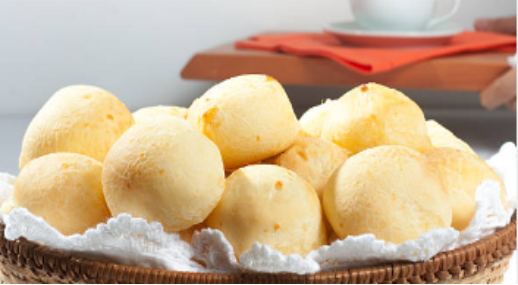
While the meat roasts, no Brazilian meal is complete without Pão de Queijo. These small, golden cheese puffs are crispy on the outside and delightfully chewy (almost gooey) on the inside. Originating from the state of Minas Gerais, they are a staple of Brazilian breakfast and snack culture.
The Role of Sour Tapioca Starch (Polvilho Azedo)
The unique “stretch” and chewiness of Pão de Queijo come from tapioca starch (cassava flour), which is naturally gluten-free. There are two types: Polvilho Doce (sweet) and Polvilho Azedo (sour). Authentic recipes often use a combination of both. The sour starch is fermented before being dried, providing the bread with its characteristic airy structure and slightly tangy flavor profile.
Selecting the Right Cheese
In Brazil, the traditional choice is Queijo Minas, a firm, salty cheese. Outside of Brazil, finding Minas cheese can be difficult. Expert chefs recommend using a blend of Parmesan for saltiness and sharp flavor, combined with Mozzarella or Monterey Jack for melting capability and elasticity. The ratio of cheese to flour is high, often nearly 1:1 by weight, ensuring every bite is packed with savory richness.

Step-by-Step Guide to Perfect Brazilian Cheese Bread
Achieving the perfect texture requires a specific technique called “scalding” the flour, which gelatinizes the starch and creates the necessary dough consistency.
Preparing and Scalding the Dough
The process begins by heating a mixture of milk, water, and oil (or butter) to a rolling boil. This boiling liquid is then poured directly over the tapioca starch. This step is crucial; it partially cooks the starch, creating a thick, sticky paste. Once the mixture has cooled slightly, eggs are added one by one to provide structure and leavening, followed by the finely grated cheese.
Baking for Texture and Color
The dough is rolled into small balls, approximately the size of a golf ball. They are baked in a preheated oven at 375°F (190°C) for about 15-20 minutes. The high heat causes the moisture in the dough to turn to steam, puffing up the bread, while the cheese caramelizes on the surface to create a golden-brown crust. They are best served warm, straight from the oven, when the centers are at their softest.

Pairing Savory Meats with Iconic Brazilian Sides
A Brazilian feast is a holistic experience where the heavy, fatty meats are balanced by bright, acidic, and textured side dishes.
Farofa and Vinagrete
Farofa is a toasted cassava flour mixture, often sautéed with butter, onions, and sometimes bacon or eggs. It provides a crunchy texture that contrasts beautifully with the tender meat. Vinagrete (not to be confused with a liquid vinaigrette) is a fresh salsa made of finely diced tomatoes, onions, bell peppers, vinegar, and oil. Its acidity cuts through the richness of the beef, cleansing the palate between bites.
The Refreshing Caipirinha
To drink, nothing accompanies a Churrasco better than a Caipirinha, Brazil’s national cocktail. Made with Cachaça (sugarcane spirit), muddled lime, and sugar, it is the ultimate refreshing beverage. The sharp citrus and the bite of the Cachaça are the perfect foils for the smoky, salty flavors of the grill.

Advanced Strategies for Hosting a Brazilian Feast
Hosting a successful Brazilian-style event requires meticulous planning and a focus on “active” service. Unlike a standard dinner party where everything is served at once, a Brazilian feast is a continuous flow of food.
Timing and Temperature Management
Start by baking the Pão de Queijo so they are ready as guests arrive. For the grill, start with quicker-cooking items like Linguica (Brazilian sausage) and chicken hearts (a local delicacy). This keeps guests satisfied while the larger cuts like Picanha and Costela reach their peak. Use a high-quality meat thermometer to ensure the Picanha stays at medium-rare (around 130°F to 135°F internal temperature) for maximum juiciness.
Below is a comparison table for common Brazilian meat cuts and their cooking requirements:
| Meat Cut | Recommended Doneness | Seasoning Type | Grilling Time |
|---|---|---|---|
| Picanha | Medium-Rare | Coarse Salt | 15-20 mins (skewered) |
| Fraldinha | Medium | Coarse Salt | 10-12 mins (direct heat) |
| Costela | Well-Done (Tender) | Coarse Salt / Foil Wrap | 3-5 hours (slow roast) |
| Linguica | Fully Cooked | None (Pre-seasoned) | 15-20 mins |
Frequently Asked Questions (FAQ)
- Q1: Can I make Pão de Queijo ahead of time?
- Yes! You can roll the dough into balls and freeze them on a baking sheet. Once frozen, transfer them to a freezer bag. You can bake them directly from the freezer; just add 5-10 minutes to the baking time. This is actually the preferred method for many Brazilian bakeries to ensure a consistent rise.
- Q2: What is the best substitute for Cachaça in a Caipirinha?
- While Cachaça has a unique grassy flavor because it is made from fresh sugarcane juice, the best substitute is a high-quality silver rum or even vodka (which technically makes it a Caipiroska). However, for an authentic taste, searching for a bottle of Leblon or Novo Fogo Cachaça is highly recommended.
- Q3: How do I prevent the cheese bread from collapsing after baking?
- Collapsing usually happens if the bread is removed from the oven too early. The steam inside needs enough time to set the starch structure. Ensure the crust is a deep golden brown. Also, avoid opening the oven door frequently during the first 15 minutes of baking.
- Q4: Why is my Picanha tough?
- Toughness in Picanha is usually caused by two things: buying a cut that is too large (meaning it includes the “coxão duro” or outer thigh) or cutting it incorrectly. Always slice Picanha against the grain. If you are skewering it, slice it into thick steaks first, then fold them onto the skewer.
- Q5: Is Brazilian cheese bread naturally gluten-free?
- Yes, traditionally Pão de Queijo is 100% gluten-free because it uses tapioca starch derived from the cassava root rather than wheat flour. However, always check the packaging of your specific starch and cheese to ensure no cross-contamination if you have a severe allergy.