An Ultimate Guide to Authentic Mexican Cuisine: From Guacamole to Mole
Mexican cuisine is a vibrant tapestry of history, culture, and flavor, recognized by UNESCO as an Intangible Cultural Heritage of Humanity. It’s a culinary tradition built on fresh ingredients, complex techniques, and a perfect balance of spicy, savory, and fresh notes. This guide delves into the heart of Mexican cooking by exploring three distinct yet equally iconic dishes. We will guide you through crafting the creamiest, most flavorful guacamole, unraveling the mysteries of the legendary Mexican chocolate sauce (Mole), and creating a uniquely refreshing cactus fruit salad. Prepare to transform your kitchen into a gateway to the authentic tastes of Mexico.
The Heart of Mexican Cuisine: Authentic Guacamole
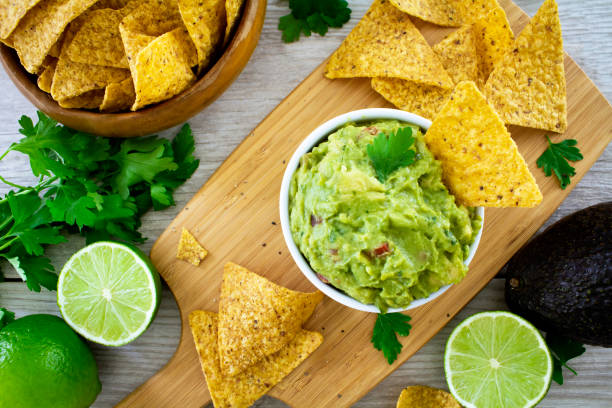
Guacamole is more than just a dip; it’s a cornerstone of Mexican culinary identity. Its origins trace back to the Aztec Empire, where the avocado was revered for its rich flavor and nutritional properties. The name itself comes from the Nahuatl word āhuacamōlli, which translates to “avocado sauce.” Today, it remains a beloved staple, celebrated for its simplicity and the perfect harmony of its ingredients. The key to exceptional guacamole lies in using ripe, high-quality ingredients and understanding how they interact.
The Rich History and Cultural Significance
The Aztecs were the first to create this simple yet profound dish, mashing avocados and combining them with local ingredients. When the Spanish conquistadors arrived, they fell in love with guacamole but were unable to transplant avocados back to Europe successfully. This ensured that guacamole remained a uniquely Mexican creation for centuries. It represents a direct link to Mexico’s pre-Hispanic past and has evolved from a simple Aztec sauce to a globally recognized symbol of Mexican food culture.
Essential Ingredients for the Perfect Guacamole
The beauty of traditional guacamole is its reliance on a few fresh, high-quality components. While many variations exist, the classic recipe is a masterclass in flavor balance. Each ingredient plays a crucial role in creating the final product’s texture and taste profile.
- Ripe Avocados: The star of the show. Hass avocados are preferred for their creamy texture and rich, nutty flavor. A ripe avocado will yield to gentle pressure without being mushy.
- White Onion: Finely chopped white onion provides a sharp, pungent crunch that cuts through the richness of the avocado.
- Tomatoes: Diced Roma tomatoes add a touch of sweetness, acidity, and color. It’s important to remove the seeds to prevent the guacamole from becoming watery.
- Cilantro: Fresh, chopped cilantro lends a bright, herbaceous, and slightly citrusy note that is quintessentially Mexican.
- Lime Juice: Freshly squeezed lime juice is non-negotiable. It adds essential acidity that brightens all the other flavors and, crucially, its citric acid slows the oxidation process, keeping the guacamole green for longer.
- Jalapeño or Serrano Peppers: For that signature kick, finely minced peppers are added. The amount can be adjusted based on your tolerance for heat.
- Salt: Coarse sea salt is used to season and enhance all the individual flavors, bringing them together in harmony.
Step-by-Step Guide to Crafting Traditional Guacamole
Preparing guacamole is an art of texture and taste. The goal is a dip that is chunky yet creamy. Using a traditional molcajete (lava rock mortar and pestle) can enhance the texture, but a simple bowl and fork work perfectly well.
- Prepare the Base: Start by mincing the onion, chili pepper, and cilantro. If using a molcajete, grind these ingredients with the salt to release their essential oils and create a flavorful paste.
- Mash the Avocados: Halve the avocados, remove the pits, and scoop the flesh into your bowl. Use a fork to mash them to your desired consistency—some prefer it smoother, while others enjoy a chunkier texture. Be careful not to over-mash, as it can become pasty.
- Combine and Season: Add the onion, chili, and cilantro mixture to the mashed avocado. Squeeze in the fresh lime juice and gently fold everything together.
- Fold in Tomatoes: Gently stir in the diced tomatoes last. This prevents them from becoming mushy and helps them retain their texture.
- Taste and Adjust: The final and most important step. Taste the guacamole and adjust the seasoning as needed. It may need more salt to bring out the flavors, more lime juice for brightness, or more chili for heat.

Unveiling Mexico’s Legendary Chocolate Sauce (Mole)
Often referred to as the national dish of Mexico, mole (pronounced moh-lay) is a rich, complex, and deeply historic sauce. The term “mole” comes from the Nahuatl word mōlli, meaning “sauce.” Contrary to the simple idea of a “chocolate sauce,” mole is a sophisticated blend of chili peppers, fruits, nuts, seeds, and spices, where chocolate is often just one of many ingredients used to add depth and balance. It is a celebratory dish, often reserved for special occasions like weddings and holidays, and its preparation is a labor of love.
The Complex Origins of Mole: A Culinary Legend
The exact origin of mole is debated, with several legends surrounding its creation. The most popular stories trace it back to the colonial period in the city of Puebla or the state of Oaxaca. One legend tells of nuns from the Convent of Santa Rosa in Puebla who, in a panic to prepare a meal for a visiting archbishop, combined all the disparate ingredients they had on hand, creating the first mole poblano. Regardless of its true origin, mole represents the fusion of indigenous ingredients (like chiles and chocolate) with European additions (like nuts and spices) brought by the Spanish.
A Symphony of Flavors: Key Ingredients in Mexican Chocolate Sauce
There are countless variations of mole, with some recipes boasting over 30 ingredients. The core components, however, create its signature complexity, balancing sweet, spicy, smoky, and earthy notes.
- Chili Peppers: The foundation of any mole. A blend of dried chiles like Ancho, Pasilla, Mulato, and Chipotle are used to provide layers of flavor—from mild and fruity to hot and smoky.
- Chocolate: Unsweetened or dark Mexican chocolate is used not to make the sauce sweet, but to add richness, color, and a bitter counterpoint to the other flavors.
- Nuts and Seeds: Almonds, peanuts, and sesame seeds are often toasted and ground to thicken the sauce and add a nutty, earthy depth.
- Fruits: Raisins or prunes are included for a subtle sweetness and acidity that balances the heat of the chiles.
- Spices: A host of spices, including cinnamon, cloves, and allspice, contribute warm, aromatic notes that are characteristic of the sauce.
- Tomatillos and Tomatoes: These provide a tangy, acidic base that cuts through the richness of the other ingredients.
Mastering the Art of Mole: A Simplified Preparation Process
While traditional mole can take days to prepare, the process involves several key stages that can be adapted for the home kitchen.
- Preparing the Chiles: The dried chiles are rehydrated in hot water after being stemmed and seeded. This step softens them and tames some of their raw heat.
- Toasting and Frying: The nuts, seeds, and spices are toasted to release their aromatic oils. Separately, other ingredients like onions and garlic are fried.
- Grinding and Blending: All the prepared ingredients—chiles, nuts, fruits, spices, and aromatics—are blended with broth into a smooth, thick paste. This is the heart of the mole.
- Simmering: The mole paste is fried in a bit of lard or oil to cook the raw flavors, then simmered with broth for several hours. This long, slow cooking process is essential for melding the complex flavors into a cohesive, velvety sauce. The chocolate is typically added near the end of the simmering stage.

A Refreshing Taste of the Desert: Mexican Cactus Fruit Salad
Moving from the rich and complex to the bright and refreshing, the Mexican Cactus Fruit Salad showcases another facet of the country’s diverse culinary landscape. This vibrant salad is centered around the prickly pear, known in Mexico as tuna. It’s a testament to the ingenuity of Mexican cuisine, which transforms the fruits of the arid desert into a delicious and hydrating dish. This salad is a perfect balance of sweet, tart, and spicy, offering a unique taste experience that is both exotic and incredibly satisfying.
Introducing the Prickly Pear: A Unique Mexican Delicacy
The prickly pear is the fruit of the Nopal cactus and has been a food source in Mexico for thousands of years. Its vibrant magenta or green flesh is studded with edible seeds and has a flavor often compared to a cross between watermelon and a floral-scented pear. The fruit is not only delicious but also packed with water, making it a naturally hydrating food in a hot climate. The main challenge in its preparation is navigating the tiny, hair-like spines (glochids) on its skin, which must be carefully removed before consumption.
Core Components of a Vibrant Cactus Fruit Salad
This salad combines textures and flavors to create a refreshing counterpoint to heavier Mexican dishes. The ingredients are chosen to complement the unique taste of the prickly pear.
- Prickly Pear (Tuna): The sweet, juicy star of the salad, peeled and diced.
- Jicama: A crunchy, mildly sweet root vegetable that adds a wonderful textural contrast.
- Cucumber: Provides a cool, crisp, and hydrating element.
- Lime Juice: Adds a bright, citrusy acidity that ties all the flavors together.
- Chili Powder: A sprinkle of a mild chili powder like Tajín or a mix of chili and salt adds a gentle, savory heat.
- Orange Slices or Juice: Often included to add another layer of sweetness and citrus.
- Fresh Mint or Cilantro: Chopped fresh herbs can be added for an extra burst of freshness.
How to Prepare Prickly Pears and Assemble the Salad
Handling prickly pears requires care, but the process is straightforward once you know the technique.
- Clean the Prickly Pears: Wearing thick gloves, hold the fruit with tongs and carefully scrub it under running water to remove the visible spines and glochids. Alternatively, you can use a small torch to quickly burn them off.
- Peel the Fruit: Slice off the top and bottom ends of the prickly pear. Make a shallow vertical slit down the side of the fruit through the thick skin. From there, you can easily slide your thumb under the skin and peel it away from the flesh in one piece.
- Chop the Ingredients: Dice the peeled prickly pear, jicama, and cucumber into uniform, bite-sized pieces.
- Combine and Dress: In a large bowl, combine the chopped fruit and vegetables. Squeeze fresh lime juice over the top and sprinkle generously with chili powder and a pinch of salt.
- Toss and Serve: Gently toss all the ingredients until they are evenly coated. For the best flavor, let the salad chill in the refrigerator for about 15-20 minutes before serving to allow the flavors to meld.

Elevating Your Mexican Culinary Experience
Mastering these recipes is just the beginning of a deeper appreciation for Mexican cooking. To truly elevate your dishes, it’s important to focus on the quality of your ingredients and the fundamental techniques of balancing flavors. Sourcing authentic components and understanding how to pair your creations can transform a good meal into an unforgettable culinary experience.
Tips for Sourcing Authentic Ingredients
The authenticity of your final dish often comes down to the ingredients you use. While modern supermarkets are increasingly well-stocked, some items may require a trip to a local Latin American market or an online specialty store.
- For Guacamole: Always choose avocados that are ripe but still firm. Never use bottled lime juice; the flavor of freshly squeezed limes is essential.
- For Mole: Sourcing the correct varieties of dried chiles is the most critical step. Look for chiles that are pliable and have a rich aroma, not brittle and dusty. Mexican chocolate, which has a grainier texture and often contains cinnamon, is also key.
- For Cactus Fruit Salad: Prickly pears can often be found in Latin American or specialty grocery stores, especially during their peak season in the late summer and fall. Look for fruits that are brightly colored and free of blemishes.
Perfecting the Balance of Flavors
Mexican cuisine is defined by its masterful balance of contrasting flavors. The “holy trinity” of sweet, sour, and spicy is present in many dishes. When making these recipes, constantly taste and adjust. Does your guacamole need more salt to enhance the avocado’s flavor? Is your mole too bitter, requiring a little more fruit or a touch of sugar to balance the chiles and chocolate? Does your salad need more lime to cut the sweetness of the prickly pear? Trust your palate and adjust until you achieve a harmonious result.
Frequently Asked Questions (FAQ)
- Q1: Is authentic guacamole supposed to be spicy?
- The level of spiciness in authentic guacamole is a matter of personal and regional preference. A traditional recipe includes finely minced chili peppers, such as jalapeño or serrano, to provide a warm kick that complements the creamy avocado. However, the amount is always adjustable. You can control the heat by removing the seeds and veins from the peppers or by using a milder variety.
- Q2: What is the main difference between Mexican mole and a typical chocolate sauce?
- The primary difference is that mole is a complex, savory sauce, whereas a typical chocolate sauce is a sweet dessert topping. In mole, chocolate is just one of dozens of ingredients, including a variety of chili peppers, nuts, seeds, fruits, and spices. The chocolate adds richness and depth to balance the other flavors, but the final taste profile is predominantly savory, spicy, and smoky, not sweet. It is traditionally served over poultry or in enchiladas.
- Q3: Where can I find prickly pear cactus fruit, and how do I know if it’s ripe?
- Prickly pear fruit, or tuna, can typically be found in Latin American grocery stores, specialty food markets, or even some larger supermarkets, particularly in the southwestern United States. They are in season from late summer to early fall. A ripe prickly pear will have a vibrant, deep color (from bright green to deep magenta) and will yield slightly to gentle pressure, similar to a ripe peach.
- Q4: Can these recipes be made vegan?
- Yes, two of the three recipes are naturally vegan, and the third can be easily adapted. The guacamole and cactus fruit salad are inherently vegan, consisting entirely of plant-based ingredients. Traditional mole is often made with chicken broth and cooked in lard. To make it vegan, simply substitute a high-quality vegetable broth and use a neutral vegetable oil instead of lard for frying the mole paste.