Global Roasting Guide: From Campfire Marshmallows to Andean Guinea Pig
A Culinary Explorer’s Guide to Global Roasting Traditions
Food is a universal language, but its dialects are incredibly diverse. The simple act of cooking over an open flame can reveal profound cultural differences and shared human experiences. From the sweet, nostalgic comfort of a toasted marshmallow at an American campfire to the savory, adventurous bite of a roasted guinea pig in the Andean highlands, roasting traditions offer a unique window into history, community, and what it means to share a meal. This guide explores two such contrasting, yet equally significant, culinary practices, providing a deep dive into their methods, cultural context, and the experiences they offer.
The All-American Campfire Ritual: Roasting Marshmallows
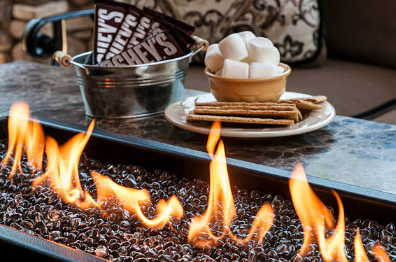
In the United States, the image of roasting marshmallows is deeply ingrained in the culture of outdoor recreation, childhood nostalgia, and social bonding. It’s more than just a dessert; it’s an activity, a ritual that signifies summer camps, backyard gatherings, and cozy nights under the stars. The entire process is a hands-on experience that brings people together around the warmth of a fire.
The Cultural Significance of the Campfire Treat
The tradition of roasting marshmallows is a relatively modern one, gaining popularity in the late 19th and early 20th centuries as marshmallows became commercially available. It quickly became associated with scouting and camping, promoted as a wholesome and simple group activity. The act itself—finding a stick, carefully toasting the marshmallow, and sharing the results—fosters a sense of community and simple pleasure that transcends generations.
The Essential Tool: Why a Stick is Non-Negotiable
The humble stick is the centerpiece of the marshmallow roasting experience. Its length is crucial for safety, keeping the roaster a comfortable distance from the open flames and intense heat. While any long, relatively straight stick found in the woods can work, connoisseurs have preferences.
- Natural Sticks: Foraging for the perfect roasting stick is part of the fun. It’s important to choose a green, hardwood stick, as dry, dead wood can easily catch fire. Peeling the bark off the end is also recommended to ensure a clean surface for the marshmallow. Avoid sticks from poisonous plants like oleander or hemlock.
- Metal Skewers: For a more modern and reusable option, long-handled metal skewers or specially designed roasting forks are popular. They offer better heat conduction, which can cook the inside of the marshmallow more thoroughly, but they can also become extremely hot and require careful handling.
The Art of the Perfect Roast: Techniques and Variations
Achieving the perfect roasted marshmallow is a matter of intense personal preference and a frequent topic of campfire debate. The two primary schools of thought are the “golden-brown” and the “charred-and-burned.”
The golden-brown technique requires patience. The marshmallow is held above the hot embers, not directly in the flames, and rotated slowly and consistently. This method gently caramelizes the sugars on the outside, creating a delicate, crispy shell while melting the inside into a gooey, liquid center. The charred approach is for those who prefer speed and a more intense, slightly bitter flavor. The marshmallow is thrust directly into the flames until it ignites, then quickly blown out, leaving a blackened, crunchy exterior and a molten interior.
Beyond the Marshmallow: The Invention of S’mores
The ultimate evolution of the roasted marshmallow is the S’more. The name is a contraction of “some more,” reflecting their irresistible nature. The first official recipe appeared in a Girl Scout handbook in the 1920s. The construction is simple but iconic: a freshly roasted marshmallow is placed on a square of chocolate, which is then sandwiched between two graham crackers. The heat from the marshmallow melts the chocolate, creating a perfect fusion of textures and flavors—gooey, melted, and crunchy.

An Andean Delicacy: The Surprising Truth About Roasted Guinea Pig (Cuy)
Traveling from the North American campfire to the highlands of South America presents a dramatically different roasting tradition. In countries like Peru, Ecuador, and Bolivia, the guinea pig, known as cuy, is not a pet but a significant source of protein and a celebrated delicacy with deep historical roots. For many Western travelers, the idea can be challenging, but understanding its context is key to appreciating this important part of Andean cuisine.
From Pet to Plate: Understanding the Cultural Context
Guinea pigs were domesticated in the Andes over 5,000 years ago, not as companions, but as livestock. They are a sustainable and efficient protein source, requiring less space and resources than cattle or pigs. Historically, cuy was reserved for ceremonial meals and special occasions, and it continues to be a festive dish served at weddings, birthdays, and religious holidays. In many rural Andean communities, raising cuy is an important economic activity for families. The animal is so culturally significant that a cathedral in Cusco, Peru, features a famous painting of the Last Supper where Jesus and his disciples are depicted dining on a platter of roasted cuy.
The Preparation and Roasting Process of Cuy
The preparation of cuy is a meticulous process. The whole animal is typically used, often roasted on a spit over an open fire or in a wood-fired oven. The preparation involves several key steps:
- Seasoning: The cuy is first rubbed inside and out with a flavorful mixture of salt, pepper, cumin, and garlic.
- Roasting: It is then mounted on a spit and slowly rotated over hot coals for an hour or more. The goal is to achieve an incredibly crispy, golden-brown skin while keeping the meat inside tender and moist.
- Presentation: Cuy is traditionally served whole—head, teeth, and claws included. This presentation can be startling to foreigners but is a sign of respect, showing that the entire animal has been honored and utilized. It is often served with potatoes, corn, and a spicy salsa called ají.
A Traveler’s First Impression: Taste, Texture, and Experience
For those brave enough to try it, the experience of eating cuy is often surprisingly positive. The taste is most frequently compared to dark-meat chicken or rabbit—rich, slightly gamy, and very flavorful. The most prized part is the skin, which becomes cracker-crisp and brittle after roasting, similar to a well-cooked pork crackling. The meat itself is lean, with a small amount on the bones, making it a dish that is meant to be eaten with your hands. The initial visual shock gives way to a unique and memorable culinary adventure that offers a direct taste of Andean history.

Comparing Culinary Perspectives: Sweet Comfort vs. Savory Tradition
At first glance, roasting marshmallows and roasting guinea pigs could not be more different. One is a simple, sugary confection associated with leisure and fun, while the other is a complex, savory meal steeped in ancient tradition. However, a closer look reveals shared themes that highlight the universal roles of food in human society.
The Role of Social Gathering
Both traditions are fundamentally social. Roasting marshmallows is an activity that centers a group around a campfire, encouraging conversation and shared experience. Similarly, a meal of cuy is rarely eaten alone; it is a celebratory dish meant to be shared with family and friends during important life events. In both cases, the food acts as a catalyst for community bonding.
Perceptions of “Normal” Food Across Cultures
The stark contrast between these two foods powerfully illustrates how culture defines what is considered edible, a pet, or a delicacy. To an American child, a guinea pig is a furry friend. To an Andean farmer, it is a practical and delicious source of nourishment. This comparison challenges us to look beyond our own cultural biases and approach global cuisines with an open and respectful mind. What is strange or “daring” in one culture is a cherished tradition in another.
A Comparative Overview
To better understand their distinct roles, here is a breakdown of the two roasting traditions:
| Feature | Roasting Marshmallows (USA) | Roasting Cuy (Andean Region) |
|---|---|---|
| Primary Purpose | Dessert, recreational activity | Main course, celebratory meal |
| Flavor Profile | Sweet, caramelized, smoky | Savory, gamy, rich |
| Cultural Context | Nostalgia, camping, social fun | Ancient tradition, festive occasions |
| Key Tools | Stick or metal skewer | Spit, wood-fired oven |
| Social Setting | Informal gatherings, campfires | Formal celebrations, family meals |

Embracing Global Culinary Diversity
Exploring food traditions like roasting marshmallows and cuy is about more than just tasting new things; it’s about understanding the world from a different perspective. Culinary diversity is a reflection of human history, agriculture, and ingenuity. By stepping outside our comfort zones, we can gain a deeper appreciation for the cultures that create these unique dishes.
The Importance of an Open Mind in Food Tourism
Food tourism is a powerful way to connect with a new place. When traveling, an open mind is the most important tool you can have. Trying a local specialty, even one that seems unusual, is a sign of respect for the local culture. It opens the door to conversations, shared experiences, and a more authentic understanding of the destination. Rather than judging a food by its appearance or origin, focusing on its history and role in society can transform a meal into a meaningful cultural lesson.
How Food Connects Us to History and Place
Every traditional dish tells a story. The S’more tells a story of American leisure and the rise of convenience foods in the 20th century. Cuy tells a much older story of Andean survival, agriculture, and ceremony dating back millennia. By eating these foods in their places of origin, we are, in a small way, participating in that history. It is a tangible connection to the past and to the people whose lives have been shaped by these culinary traditions.
Frequently Asked Questions (FAQ)
- Q1: What is the best type of stick to use for roasting marshmallows?
- The best stick is a long one made from a non-toxic hardwood. Look for a “green” or live stick, as it’s less likely to catch fire. Peel the bark from the tip for a cleaner roast. If using metal skewers, be aware that the handle can get very hot.
- Q2: What does roasted guinea pig (cuy) taste like?
- Most people describe the taste of cuy as being similar to the dark meat of a chicken or rabbit. It is rich, slightly gamy, and very flavorful due to the seasonings used in its preparation. The skin, when roasted properly, becomes exceptionally crispy and is considered a delicacy.
- Q3: Where is eating guinea pig most common?
- Eating guinea pig is most common in the Andean regions of South America, particularly in Peru, Ecuador, Colombia, and Bolivia. In Peru, it is considered a national dish and is deeply integrated into the culture and cuisine, especially in the highlands.
- Q4: What is the origin of S’mores?
- The first known published recipe for “Some Mores” appeared in the 1927 Girl Scouts of the USA handbook “Tramping and Trailing with the Girl Scouts.” The combination of roasted marshmallow, chocolate, and graham crackers quickly became a staple of American campfire culture.
- Q5: How can a traveler respectfully try a dish like roasted cuy?
- To try a culturally significant dish like cuy respectfully, it’s best to do so with an open mind and genuine curiosity. Understand that it is a cherished food, not a novelty. Eat it at a reputable restaurant or as part of a local festival. Show appreciation for the preparation and don’t be afraid to eat with your hands, as locals often do. Expressing interest in its history is also a great way to show respect.