The Ultimate Guide to Iconic American Cuisine: From Comfort Classics to Sweet Traditions
American cuisine is often described as a “melting pot,” a reflection of the diverse immigrant cultures that have shaped the nation over centuries. It is a culinary landscape where traditional European techniques meet indigenous ingredients, and where global influences are reimagined into something uniquely American. This guide explores the foundational pillars of American food, from the savory depth of Southern comfort food to the sugary allure of its world-famous desserts.
The Foundations of American Breakfast Culture
In the United States, breakfast is often considered the most important meal of the day, characterized by its diversity and regional variations. While the modern American breakfast is frequently associated with speed and convenience, its roots are deeply embedded in agricultural traditions and the industrial revolution, which necessitated high-calorie meals to fuel a hard day’s work.
The Continental vs. Hearty American Breakfast
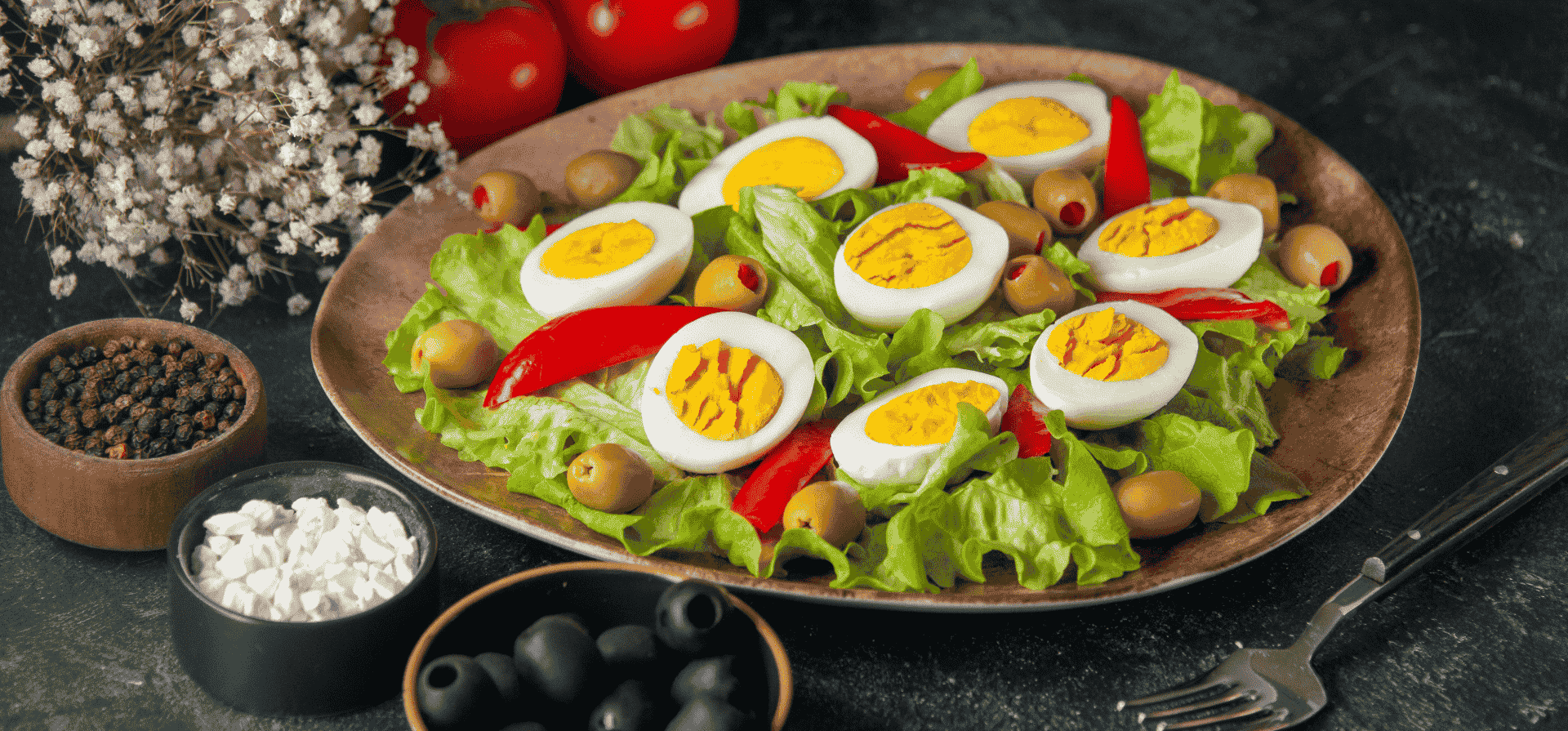
American breakfast choices typically fall into two categories: the quick “continental” style and the full “cooked” breakfast. The former often includes cereal—a staple born from the health reform movements of the late 19th century—served with cold milk. In contrast, the hearty breakfast features eggs (scrambled, fried, or poached), crispy bacon or sausage links, and golden-brown hash browns.
Griddle Favorites: Pancakes and Waffles
No exploration of American breakfast is complete without mentioning the griddle. Pancakes, often stacked high and drizzled with maple syrup, are a weekend tradition. Unlike European crepes, American pancakes use leavening agents like baking powder to achieve a fluffy, thick texture. Waffles, with their deep pockets designed to hold butter and syrup, offer a crispy alternative that remains a favorite in diners across the country.

The Holy Trinity of American Fast Food: Burgers, Pizza, and Hot Dogs
While often labeled as “fast food,” the hamburger, the hot dog, and the pizza slice are the quintessential symbols of American culinary identity. These items represent the successful adaptation of international concepts—German sausages and patties, and Italian flatbreads—into a format that fits the fast-paced American lifestyle.
The Hamburger: The Soul of the American Diner
The burger is more than just a patty in a bun; it is a canvas for regional expression. From the classic cheeseburger with lettuce, tomato, and onion to gourmet versions featuring brioche buns and artisanal cheeses, the burger remains the ultimate comfort food. The key to a perfect burger lies in the fat-to-lean ratio of the beef (typically 80/20) and the “smash” technique that creates a Maillard reaction, resulting in a savory, caramelized crust.
New York Pizza: The Art of the Thin Crust
New York City pizza is defined by its large, wide slices and thin, foldable crust. Unlike the thick deep-dish style of Chicago, New York pizza focuses on the balance between a tangy tomato sauce and high-moisture mozzarella. Legend has it that the unique minerals in New York’s tap water are the secret to the dough’s specific elasticity and flavor, making it nearly impossible to replicate perfectly elsewhere.
The Hot Dog: A Multicultural Puzzle
The hot dog is a descendant of the German frankfurter, brought to the U.S. by immigrants in the 1800s. It became a staple of American sports culture and street food. Whether it’s a Chicago-style dog “dragged through the garden” (with mustard, onions, relish, and peppers) or a simple New York dog with sauerkraut, this humble sausage represents the fusion of Old World butchery and New World convenience.

Southern Fried Chicken: A Global Obsession with Deep Roots
Southern fried chicken is perhaps America’s most successful culinary export. Its perfection lies in the contrast between the shattering, seasoned skin and the succulent, tender meat within. Achieving this balance requires a deep understanding of temperature control and batter chemistry.
The Secret of the Brine and Dredge
Authentic Southern fried chicken often begins with a buttermilk brine. The acidity in the buttermilk tenderizes the meat, while the moisture ensures the chicken remains juicy during the high-heat frying process. The “dredge”—the flour coating—is where the flavor lives. A blend of salt, black pepper, paprika, and garlic powder is standard, though many families guard secret spice blends with fierce loyalty.
The Frying Technique
Traditionally, Southern fried chicken was made in a heavy cast-iron skillet. This method allows for “shallow frying,” where the chicken is turned manually, creating a rustic and unevenly delicious crust. Modern commercial methods use pressure fryers to ensure consistency, but the heart of the dish remains the careful seasoning and the patient rendering of fat.

The Sweet Obsession: Understanding the American Palate
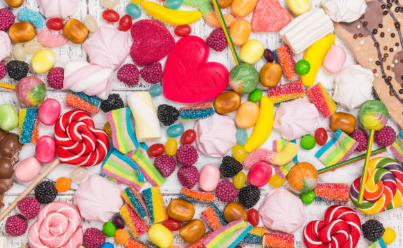
It is no secret that Americans have a profound love for sweets. This is not merely a matter of taste but a complex intersection of history, economics, and culture. From the sugar plantations of the colonial era to the industrialization of corn syrup, sweetness has been integrated into the American way of life.
The Cultural Role of Sugar
Sugar in America is often associated with celebration and reward. From birthday cakes to holiday cookies, sweets are the “social glue” of American gatherings. Furthermore, the abundance of inexpensive sweeteners like High Fructose Corn Syrup (HFCS) in the late 20th century led to an expansion of sweetness in non-dessert items, including bread, pasta sauce, and salad dressings, further conditioning the national palate.

The Dessert Hall of Fame: Apple Pie and Cheesecake
If the burger is the soul of American dinner, then apple pie and cheesecake are the crown jewels of the dessert menu. These two dishes represent different facets of the American experience: the pastoral, symbolic heritage and the indulgent, urban sophistication.
Apple Pie: “As American As…”
While the apple tree is not native to North America, the apple pie has become the ultimate symbol of American patriotism. The American style focuses on a “flaky” crust—achieved by keeping pea-sized chunks of cold butter in the dough—and a filling of tart apples like Granny Smith, seasoned heavily with cinnamon and nutmeg. It is traditionally served “a la mode,” topped with a scoop of vanilla ice cream.
American Cheesecake: A Rich Legacy
The American cheesecake, specifically the New York style, is famous for its dense, smooth, and creamy texture. Unlike Italian versions that use ricotta, the American version relies on cream cheese, which was popularized in the late 19th century. A classic Graham cracker crust provides a crunchy, honey-sweet base that offsets the richness of the cheese filling.
| Food Item | Regional Origin | Key Characteristic | Common Accompaniments |
|---|---|---|---|
| New York Pizza | New York City | Thin, foldable crust | Red pepper flakes, garlic powder |
| Fried Chicken | Southern U.S. | Crispy, seasoned breading | Mashed potatoes, coleslaw, biscuits |
| Hamburger | Midwest / National | Grilled beef patty | French fries, milkshakes |
| Apple Pie | New England / National | Flaky pastry, spiced fruit | Vanilla ice cream (A la mode) |
Frequently Asked Questions (FAQ)
- Q1: Why is New York pizza different from other styles?
- New York pizza is unique due to its thin, hand-tossed crust that is crispy on the edge yet soft enough to fold. Many enthusiasts believe the local water supply, which contains specific minerals, affects the dough’s gluten structure, creating a texture that is difficult to replicate in other regions.
- Q2: What makes Southern fried chicken so crispy?
- The crispiness comes from the double-dredging process and the use of buttermilk. The buttermilk helps the flour adhere to the chicken, creating a thick, craggy surface. When fried, this coating undergoes the Maillard reaction, resulting in a deep golden color and a shattering crunch.
- Q3: Is apple pie actually from America?
- Technically, no. Apple pie recipes were brought to the U.S. by English, Dutch, and Swedish settlers. However, it became so integrated into American culture and symbolism during the 19th and 20th centuries that it is now considered the quintessential American dessert.
- Q4: Why do Americans eat so much sugar?
- The high consumption of sugar is attributed to historical abundance, agricultural subsidies for corn (leading to cheap corn syrup), and a cultural tendency to use sweets as a primary form of reward and celebration in social settings.
- Q5: What is the “secret” to a great American burger?
- The secret is high-quality beef with a 20% fat content. This fat renders during cooking, keeping the meat juicy. Additionally, seasoning only the outside of the patty just before cooking prevents the meat from becoming tough.