Mastering South American Flavors: Ceviche and Chimichurri
The Art of Peruvian Ceviche: A Cultural Icon
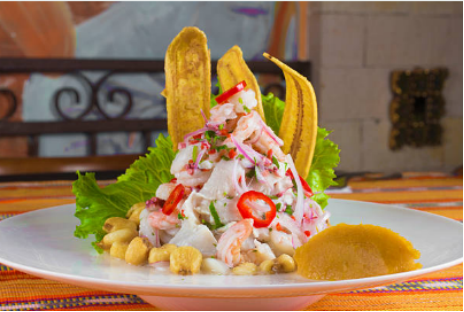
Ceviche is not merely a dish in Peru; it is a profound cultural heritage. Recognized for its simplicity and reliance on high-quality, fresh ingredients, the dish centers on the chemical process of “denaturing” proteins using citrus acid. Unlike cooking with heat, the acidity of leche de tigre (tiger’s milk) transforms the texture of raw fish, creating a firm yet delicate mouthfeel.
Essential Components for Authentic Ceviche
- Fresh White Fish: Use firm, white-fleshed fish such as sea bass, flounder, or sole. Freshness is non-negotiable for both safety and flavor profile.
- The Acid Base: Freshly squeezed lime juice is the gold standard. It provides the necessary citric acid to cure the fish while balancing the natural sweetness of the seafood.
- Aromatic Balance: Red onions, cilantro, and chili peppers (specifically Aji Limo or Rocoto) provide the signature sharpness and heat that define the Peruvian palate.

The Science of Leche de Tigre
The term Leche de Tigre refers to the potent, milky marinade left at the bottom of the bowl after the fish has cured. It is considered an elixir of life in Peruvian cuisine, often served as a refreshing beverage or a side accompaniment. The liquid is a complex emulsion of lime juice, fish stock, chili, and aromatics.
Techniques for Perfect Curing
The timing of the cure is critical. If left too long, the fish will lose its texture and become mushy. Generally, a cure time of 5 to 10 minutes is sufficient to achieve the perfect balance between raw freshness and firm, opaque protein.

Argentine Chimichurri: The Essential Steak Companion
While Peru excels in seafood, Argentina is globally renowned for its grilled meats, known as asado. The perfect accompaniment to these savory cuts is Chimichurri, an uncooked sauce that relies on an emulsified base of oil, vinegar, and fresh herbs. It acts as a bright, acidic contrast to the rich, fatty profiles of grilled beef.
Core Ingredients of Traditional Chimichurri
| Ingredient | Purpose |
|---|---|
| Fresh Parsley | Provides the herbaceous, green base. |
| Garlic | Adds pungent, spicy depth. |
| Red Wine Vinegar | Offers the necessary acidity to cut through fat. |
| Olive Oil | Binds the ingredients and adds a silky mouthfeel. |

Operational Steps for Homemade Chimichurri
Creating the perfect Chimichurri requires attention to detail regarding the texture of the herbs. Finely chopping, rather than blending, is recommended to ensure the sauce maintains a rustic, vibrant appearance and distinct texture.
Best Practices for Preparation
- Resting Time: Allow the sauce to sit for at least 2 hours before serving. This resting period allows the garlic and dried spices to rehydrate and infuse the oil with deep, complex flavors.
- Storage: While it is best served fresh, Chimichurri can be refrigerated for up to a week. The flavors often improve over the first 24 hours.
Frequently Asked Questions (FAQ)
- Q1: Can I use frozen fish for Peruvian Ceviche?
- It is highly discouraged. The integrity of Ceviche relies entirely on the freshness of the fish. Frozen fish often loses moisture, leading to a subpar texture that does not cure correctly in lime juice.
- Q2: What is the difference between Aji Limo and regular chili peppers?
- Aji Limo is a Peruvian pepper known for its citrusy undertones and high heat level. If unavailable, you can substitute with habanero or serrano, though the specific floral aroma will differ.
- Q3: Should Chimichurri be made with dried or fresh herbs?
- Traditional recipes often use a mix of both. Fresh parsley provides the primary bulk and color, while dried oregano is preferred for its concentrated, earthy flavor that stands up well to grilled meats.
- Q4: Why does my Chimichurri taste too acidic?
- If the sauce is too acidic, adjust the ratio by increasing the olive oil. The oil serves as the fat component that mellows out the sharpness of the vinegar and garlic.