The Ultimate Guide to Noodle and Rice Noodle Mastery: From Tradition to Innovation
The world of noodles is a vast, steaming landscape of cultural identity, regional pride, and culinary ingenuity. Whether it is the rhythmic pull of hand-stretched dough or the delicate steaming of rice flour slurry, noodles represent more than just sustenance; they are a “fireworks romance” of daily life. This guide delves deep into the most iconic noodle traditions and modern adaptations, offering a roadmap for anyone looking to master the art of the bowl.
The Ritual of Yunnan: Crossing the Bridge Rice Noodles
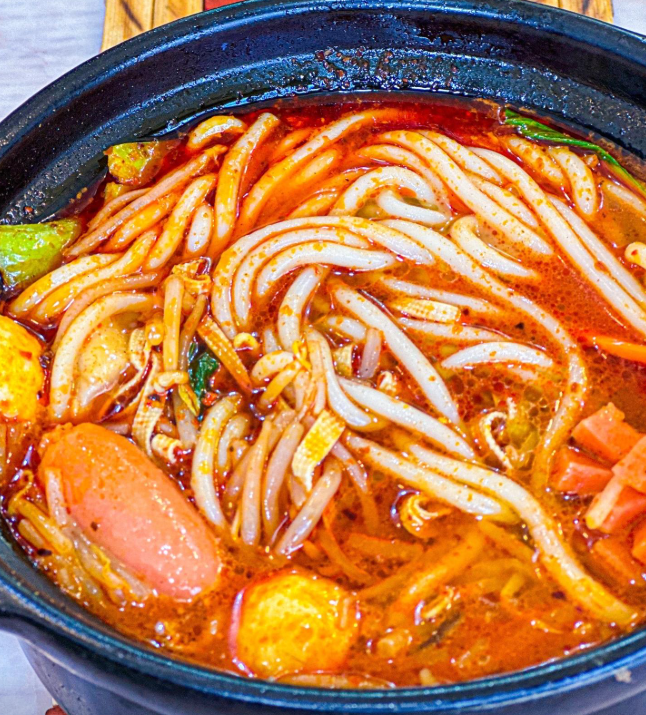
Originating from the southern Chinese province of Yunnan, Crossing the Bridge Rice Noodles (Guoqiao Mixian) is perhaps the most sophisticated expression of rice noodle culture. It is not merely a meal but a performance of temperature and timing. The dish is characterized by a massive bowl of boiling hot soup, a layer of insulating oil, and a dozen or more side ingredients served on small plates.
The Legend and Cultural Heritage
The name stems from a scholar’s wife who crossed a bridge daily to bring her husband lunch. To keep the soup hot, she discovered that a thick layer of chicken oil on top acted as a thermal insulator, keeping the liquid underneath at a rolling boil. Today, this tradition is preserved in the meticulous presentation found in specialized noodle houses across the globe.
The Anatomy of the Perfect Broth
The soul of the dish lies in its broth. A premium Crossing the Bridge broth is typically simmered for over six to eight hours using a combination of old hen, duck, and pork marrow bones. The goal is a liquid that is rich in collagen and clear yet deeply savory. The surface oil is critical; it must be thick enough to prevent steam from escaping, ensuring the broth remains at approximately 95-100 degrees Celsius when it hits the table.
The Sequence of Ingredients
Eating these noodles requires adherence to a strict logical order to ensure everything is cooked perfectly by the residual heat of the soup:
- Step 1: Raw Proteins. Thinly sliced pork, chicken, or fish must go in first. The high temperature of the broth “poaches” them instantly.
- Step 2: Vegetables and Aromatics. Pea shoots, chives, and mushrooms follow, providing crunch and freshness.
- Step 3: The Noodles. Pre-cooked, silky rice noodles are added last to soak up the integrated flavors.

The Sizzle of Tradition: Hot Oil and Biang Biang Noodles
If Yunnan noodles are about elegance, the hot oil noodles of Shaanxi are about raw, visceral energy. Often referred to as Youpo Mian, this dish relies on the transformative power of high-temperature oil to “wake up” dried spices and aromatics.
The Art of the Sizzling Pour
The defining moment of this dish occurs when smoking-hot vegetable oil is poured directly over a pile of chili flakes, minced garlic, and chopped scallions sitting atop a bed of thick, wide noodles. The resulting sizzle—the “fireworks romance”—releases a complex aroma that defines the street food experience in Xi’an. The oil must be heated to the point of shimmering but not smoking excessively to avoid burning the delicate chili powder.
Balancing Spices and Aromatics
To achieve the perfect balance, one must use a specific ratio of Shaanxi red chili (which is fragrant rather than just hot) and high-quality black vinegar. The acidity of the vinegar cuts through the richness of the oil, while the garlic provides a sharp, pungent backbone that lingers on the palate.

Wuhan’s Culinary Soul: The Mastery of Hot Dry Noodles
In Wuhan, breakfast is not just a meal; it is an institution known as “Guo Zao.” At the heart of this culture is Reganmian, or Hot Dry Noodles. Unlike soup noodles, these are defined by their thick, nutty coating and chewy texture.
The Role of Alkaline Noodles
The secret to Hot Dry Noodles is the use of alkaline water (kansui) in the dough. This gives the noodles a distinct yellow hue and a springy, “al dente” texture that can withstand being pre-cooked and then quickly blanched again before serving. The alkaline nature also helps the sauce adhere to every strand.
Crafting the Perfect Sesame Sauce
The sauce is a masterclass in texture. It is not just sesame paste; it is a blend of toasted sesame oil, soy sauce, and fermented bean curd. A truly authentic Wuhan sauce is thick enough to coat the noodles but fluid enough to mix easily. It is often topped with pickled radish (mianwo) and chopped long beans to provide a sour, crunchy contrast to the creamy sauce.

Cantonese Comfort: The Soft Elegance of Rice Noodle Rolls
Cheung Fun, or rice noodle rolls, represent the pinnacle of Cantonese dim sum craftsmanship. They are the embodiment of “steaming softness,” offering a textural experience that is both light and satisfying.
Steaming Techniques for Transparency
The hallmark of a high-quality rice noodle roll is its transparency and elasticity. This is achieved by using a high-quality rice slurry—often a blend of aged rice flour and water—spread thinly over a specialized cloth or a flat metal drawer. The steam must be intense and consistent to cook the batter in under two minutes, ensuring the roll remains tender rather than mushy.
Filling Variations and Sweet Soy Glaze
The versatility of the rice noodle roll is found in its fillings. Popular options include:
| Filling Type | Flavor Profile | Common Accompaniments |
|---|---|---|
| Shrimp (Har Cheong) | Sweet and briny | Fresh chives |
| BBQ Pork (Char Siu) | Savory and smoky | Coriander |
| Fried Dough (Zhaliang) | Crunchy and soft contrast | Hoisin sauce |
The final touch is always a drizzle of sweetened soy sauce, which is boiled with sugar, ginger, and scallions to create a glaze that enhances the natural sweetness of the rice.

Seafood Innovation: Modern Shrimp Noodle Techniques
Shrimp noodles have evolved from simple stir-fries to complex, multi-layered dishes that utilize the entire crustacean to maximize flavor. This modern approach focuses on the “umami” found in the shells and heads.
Extracting Maximum Flavor from Shrimp Heads
Professional chefs often start by sautéing shrimp heads in oil until the orange roe and oils are released. This “shrimp oil” serves as the base for the entire dish. When combined with a splash of Shaoxing wine and a touch of cream or stock, it creates a sauce that is intensely flavorful and coats the noodles with a vibrant coral color.
Texture Contrasts in Seafood Pasta
In creative shrimp noodle dishes, texture is key. This might involve using shrimp paste to create bouncy, handmade noodles or topping a soft pasta with crispy, flash-fried shrimp skins. The interplay between the soft noodle and the snap of fresh seafood is what elevates the dish from a home meal to a gourmet experience.

Creative Fusion: The Future of Rice Noodle Dishes
As culinary boundaries blur, rice noodles are being reimagined through the lens of global fusion. These innovations respect the traditional rice base while introducing unexpected flavor profiles from Western and Southeast Asian cuisines.
Global Flavors Meeting Traditional Bases
Imagine a cold rice noodle salad dressed in a truffle-infused vinaigrette or rice noodles tossed in a spicy Malaysian Laksa reduction but served with Italian-style braised short ribs. These creative pairings prove that the neutral, absorbent nature of rice noodles makes them the perfect canvas for flavor experimentation. Chefs are also experimenting with colored rice noodles, using natural ingredients like beetroot or butterfly pea flower to add visual flair without compromising the structural integrity of the noodle.

Efficiency in the Kitchen: 15-Minute Pasta Mastery
While some noodle dishes require hours of simmering, the modern kitchen often demands speed. 15-minute pasta mastery is about understanding the chemistry of pasta water and the efficiency of “pantry sauces.”
Essential Pantry Staples for Quick Success
To master quick pasta, one must keep a high-quality inventory of aromatics. Garlic, anchovies, capers, and chili flakes are the “holy quaternary” of fast Italian cooking. When sautéed in olive oil, they create a flavor base in the time it takes for the pasta to boil. Anchovies, in particular, melt into the oil, providing a deep savory background without a fishy taste.
One-Pot Methods and Time-Saving Hacks
The “one-pot” method, where pasta is cooked in a minimal amount of water along with the sauce ingredients, is a game-changer for flavor density. The starch released from the pasta stays in the pan, creating a creamy, emulsified sauce naturally. Additionally, using “thin-cut” pastas like angel hair or linguine can shave minutes off the cooking time compared to thicker shapes like rigatoni.
Frequently Asked Questions (FAQ)
- Q1: What is the main difference between rice noodles and wheat noodles?
- Rice noodles are gluten-free and made primarily from rice flour and water, resulting in a slippery, translucent texture. Wheat noodles contain gluten, which provides more elasticity and chewiness (the “Q” texture). Wheat noodles are better for heavy sauces, while rice noodles excel in light soups and delicate stir-fries.
- Q2: Why is the oil layer so important in Crossing the Bridge Rice Noodles?
- The oil layer acts as a thermal barrier. Because it has a higher boiling point than water and low thermal conductivity, it prevents the heat of the soup from escaping through evaporation. This allows the soup to remain hot enough to cook raw meat and vegetables instantly at the table.
- Q3: How can I prevent my rice noodle rolls from sticking together?
- The key is a light coating of oil. Immediately after steaming and rolling, brush the surface with a neutral vegetable oil or toasted sesame oil. Additionally, ensure the rolls are not overcrowded on the serving plate while they are still steaming hot.
- Q4: Can I make Hot Dry Noodles if I can’t find alkaline noodles?
- You can simulate alkaline noodles by adding a small amount of baking soda to the boiling water when cooking standard spaghetti. This will change the pH level of the water, giving the wheat pasta a more springy texture and a slight yellow tint, similar to traditional Reganmian.
- Q5: What is the best way to store leftover cooked noodles?
- For best results, rinse cooked noodles in cold water to remove excess starch, toss them with a teaspoon of oil, and store them in an airtight container. When reheating, a quick 30-second blanch in boiling water is better than microwaving, as it restores the noodle’s original moisture and texture.