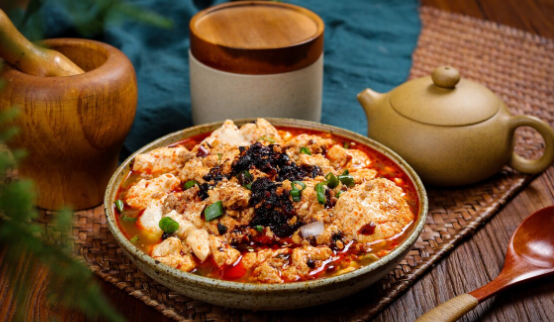
Silken Tofu with Chili Oil: The Ultimate Sichuan Guide
Understanding the Essence of Silken Tofu
Silken tofu, known in Chinese as ‘nèn dòufu’ (嫩豆腐), is a staple of Sichuan cuisine, prized for its delicate, custard-like texture. Unlike firm or extra-firm tofu, silken tofu is unpressed and retains a high water content, making it incredibly fragile yet perfect for absorbing bold, aromatic sauces.
The Science of Texture
The velvety mouthfeel of silken tofu is achieved through a specific coagulation process using glucono delta-lactone (GDL). This creates a fine-pored protein matrix that is soft enough to melt on the tongue. When handling it, precision is key—even slight agitation can cause the block to break apart.

Mastering the Sichuan Chili Oil Sauce
The soul of this dish lies in the ‘Hong You’ (red oil). A truly authentic Sichuan chili oil is not just spicy; it is a complex infusion of aromatics, spices, and high-quality toasted chili flakes.
Essential Components of the Sauce
- High-Quality Chili Flakes: Use a mix of coarse and fine flakes for color and heat.
- Aromatic Infusion: Star anise, cinnamon sticks, and bay leaves steeped in neutral oil.
- Sichuan Peppercorns: These provide the signature ‘ma’ (numbing) sensation that balances the ‘la’ (heat).
- Black Vinegar: Adds a necessary acidity to cut through the richness of the oil.
| Ingredient | Purpose | Pro Tip |
|---|---|---|
| Sichuan Peppercorn | Numbing Effect | Toast lightly before grinding for maximum aroma. |
| Chinkiang Vinegar | Acidity | Choose aged vinegar for a deeper, malt-like profile. |
| Garlic | Pungency | Mince extremely finely to create a paste-like consistency. |
Pro Tips for the Perfect Presentation
Because silken tofu is so delicate, plating requires a gentle touch. To elevate your dish to restaurant quality, consider the following:
Temperature Control
While often served cold, warming the tofu slightly by steaming it for 2-3 minutes can enhance its creaminess. If steaming, ensure you drain the excess water released during the process to avoid diluting the chili oil.
Garnish Strategy
Contrast is essential. Use fresh scallions, toasted sesame seeds, and crushed peanuts to provide a crunch that offsets the smooth tofu. For an extra layer of depth, add a drizzle of toasted sesame oil just before serving.
Frequently Asked Questions (FAQ)
- Can I use regular firm tofu instead of silken?
- While technically possible, firm tofu lacks the delicate, melt-in-the-mouth texture that defines this dish. If you must use firm tofu, slice it very thinly to help it absorb the sauce.
- Is the numbing sensation necessary?
- Yes, the ‘mala’ flavor profile (numbing and spicy) is the cornerstone of Sichuan cuisine. The numbing effect of the peppercorns actually helps to heighten the perception of the chili heat.
- How long can I store the homemade chili oil?
- Stored in an airtight glass jar in a cool, dark place, homemade chili oil can last for up to 3 months. The flavor often improves after the first week as the spices continue to infuse.
- Is this dish considered a main course or a side?
- In traditional Sichuan dining, this is typically served as a ‘cold appetizer’ or a light side dish to accompany heavier, oil-rich main courses.