The Ultimate Guide to Beef Noodle Soup: Rich Broth, Tender Beef, and Soul-Stirring Comfort
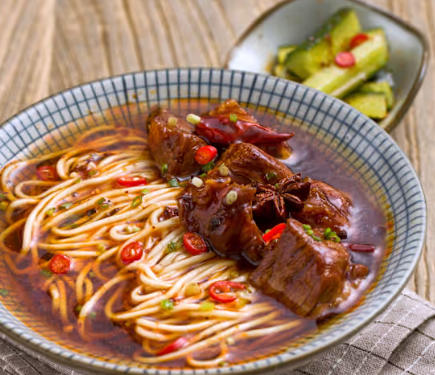
Few dishes evoke a sense of warmth and soul-stirring satisfaction quite like a steaming bowl of beef noodle soup. Especially during the harsh winter months, this dish transcends being a mere meal; it becomes a culinary embrace. Achieving the perfect balance between a rich, multi-layered broth, tender chunks of beef, and resilient, chewy noodles requires more than just a recipe—it requires an understanding of the harmony between ingredients and patience in the cooking process. This guide dissects every element of this homemade delight to ensure your next bowl is nothing short of legendary.
The Foundation of Flavor: Crafting the Perfect Rich Beef Broth
The broth is the undisputed soul of beef noodle soup. It acts as the medium that carries the essence of the beef and the aromatic profile of the spices. A truly rich broth is characterized by its deep amber color, a slight viscosity from dissolved collagen, and a complex flavor profile that hits sweet, savory, and umami notes simultaneously.
Selecting the Right Bones and Aromatics
To build a broth with significant body, you must start with the right foundation. Using only meat will result in a thin liquid; you need bones. Specifically, marrow bones and knuckle bones are essential because they provide the gelatin and fat necessary for a “lip-smacking” quality. Before simmering, these bones should be blanched in boiling water for ten minutes to remove impurities, ensuring the final broth remains clear and vibrant rather than cloudy and gray.
Aromatics are the secondary layer of the broth’s architecture. A traditional profile includes:
- Ginger and Scallions: These provide a sharp, fresh counterpoint to the heavy fat of the beef.
- Star Anise and Cinnamon: These “warm” spices add a subtle sweetness and a classic aromatic depth that defines the dish’s identity.
- Sichuan Peppercorns: Even in non-spicy versions, a few peppercorns add a floral dimension and a very slight numbing quality that enhances the overall sensory experience.
The Art of the Slow Simmer
Time is an ingredient that cannot be rushed. A premium beef broth requires a minimum of four to six hours of gentle simmering. This slow process allows the connective tissues in the bones and meat to break down into gelatin, which gives the soup its signature richness. It is vital to maintain a “lazy bubble” rather than a rolling boil; high heat will emulsify the fat into the water, resulting in an oily, opaque liquid rather than the clear, deep-flavored elixir desired by connoisseurs.

Selecting and Preparing the Beef: Tenderness and Texture
The beef in a flagship noodle soup should be “soul-stirring”—tender enough to yield to a pair of chopsticks but structured enough to hold its shape. Selecting the wrong cut can lead to dry, stringy meat that detracts from the overall experience.
Best Cuts of Beef for Long Braising
For the ultimate result, look for cuts with high amounts of connective tissue (collagen). As the beef cooks, this collagen transforms into soft, silky gelatin. The following table compares the most popular choices:
| Beef Cut | Texture Profile | Cooking Requirement |
|---|---|---|
| Beef Shank | Highly gelatinous, distinct layers of meat and tendon. | Long braise (3+ hours) for maximum tenderness. |
| Beef Brisket | Rich fat cap, traditional “beefy” flavor, slightly more fibrous. | Needs slow cooking to prevent toughness. |
| Short Ribs | Extremely tender and fatty, falls off the bone. | Higher cost, but provides an ultra-luxurious mouthfeel. |
Searing and Marinating Techniques
Before the beef enters the broth, it must undergo the Maillard reaction. Searing the beef chunks in a hot pan with a small amount of oil creates a caramelized crust that adds a deep, savory dimension to the entire pot. Once seared, many chefs recommend a brief marination or “dry rub” with a mixture of dark soy sauce and brown sugar. This ensures that the color of the meat is a rich, dark brown and that the seasoning penetrates deep into the muscle fibers, rather than just coating the exterior.

The Secret to Chewy, Soul-Stirring Noodles
While the broth provides the flavor and the beef provides the heart, the noodles provide the physical satisfaction. In the world of high-end SEO-optimized culinary guides, “chewiness” (often referred to as “QQ” texture) is the gold standard for a successful noodle dish.
Fresh vs. Dried Noodles
Whenever possible, opt for fresh wheat noodles. Fresh noodles have a higher moisture content and a more elastic protein structure, which translates to a superior bite. If you are using dried noodles, look for varieties labeled as “hand-pulled style” or “knife-cut,” as these often have varying thicknesses that help the broth cling to the surface of the noodle more effectively.
Achieving the Perfect Al Dente Texture
Noodles should always be cooked in a separate pot of plain water, never directly in the soup broth. Cooking them in the broth releases excess starch, which thickens the soup and ruins the clarity of the flavor. To achieve the perfect texture:
- Under-cook slightly: Drain the noodles when they are about 90% done. They will finish cooking in the residual heat of the hot soup.
- The Cold Shock: Immediately after draining, rinse the noodles in cold water. This stops the cooking process and removes surface starch, ensuring each strand remains distinct and slippery.

Assembling the Ultimate Warm and Comforting Bowl
The final assembly is where the individual components unite into a masterpiece. The order of operations matters to ensure that the temperature remains piping hot and the textures are preserved until the very last bite.
Essential Garnishes and Toppings
Garnishes are not just for aesthetics; they provide essential acidity and freshness to cut through the richness of the beef and broth. No bowl is complete without:
- Pickled Mustard Greens: Their sour and salty profile provides a necessary “zing” that cleanses the palate between bites of fatty beef.
- Fresh Cilantro and Scallions: Added at the very last second to provide a burst of herbal aroma.
- Chili Oil: A drizzle of high-quality chili oil (preferably with toasted flakes) adds heat and a smoky complexity.
Serving Suggestions for Winter Comfort
To maintain the “warm and comforting” aspect, always pre-warm your serving bowls with hot water before adding the noodles and broth. This prevents the ceramic from sapping the heat from the soup. Serve immediately, encouraging the diner to inhale the aromatics before taking the first sip of the broth. This multi-sensory approach is what makes beef noodle soup the ultimate homemade delight for the winter season.
Frequently Asked Questions (FAQ)
- Q1: Why is my beef noodle soup broth cloudy instead of clear?
- Cloudiness usually occurs for two reasons: failing to blanch the bones/meat before the main simmer, or boiling the broth too vigorously. To keep it clear, always start with a clean blanch and maintain a very low, gentle simmer throughout the cooking process.
- Q2: Can I use a pressure cooker to speed up the process?
- While a pressure cooker can tenderize beef in 45 minutes, it often fails to develop the same depth of flavor and gelatinous body as a traditional 6-hour simmer. If you use one, consider it a shortcut for the meat, but try to let the broth simmer uncovered for a while afterward to reduce and intensify.
- Q3: What is the best way to store and reheat leftovers?
- Always store the noodles and the soup separately. If stored together, the noodles will soak up all the broth and become mushy. Reheat the broth on the stove until boiling, then pour it over fresh or cold noodles to revive them.
- Q4: How do I make the broth taste more “authentic”?
- Authenticity often comes from the balance of “Rock Sugar” and “Dark Soy Sauce.” Rock sugar provides a mellow sweetness and a glossy sheen to the broth that regular granulated sugar cannot replicate. Dark soy sauce provides the deep mahogany color without making the soup overly salty.
- Q5: Are there gluten-free options for this dish?
- Yes, you can substitute the wheat noodles with thick rice noodles (often used in Pho) or sweet potato starch noodles. Ensure you also use a gluten-free tamari in place of standard soy sauce for the broth and marinade.