The Ultimate Guide to Health Benefits of Japanese Potato Salad
The Culinary & Nutritional Foundation of Japanese Potato Salad
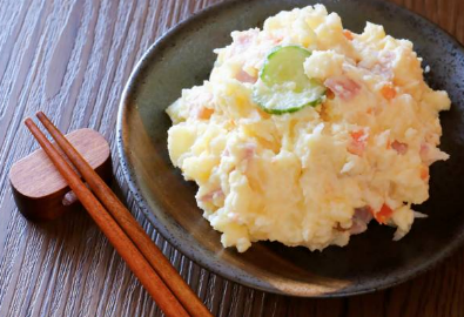
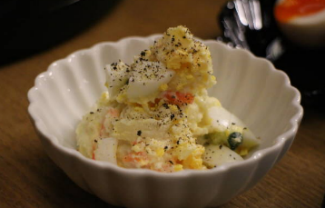
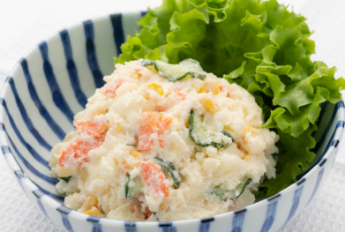
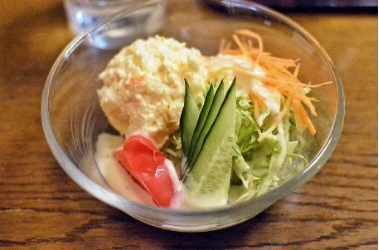
Japanese potato salad, known as “Potesara” (ポテサラ) in Japan, is a beloved staple often found in bentos, izakayas, and home kitchens. Far from being just another side dish, it embodies a unique balance of flavors and textures that distinguishes it from its Western counterparts. This dish typically features mashed or roughly chopped potatoes, combined with crisp vegetables like cucumber and carrots, sometimes hard-boiled eggs, and a distinct mayonnaise-based dressing. Its appeal lies not only in its creamy texture and savory taste but also in its potential to offer a range of health benefits when prepared mindfully. Understanding its foundational ingredients and their roles is key to appreciating its nutritional value.
A Brief History and Cultural Significance
The concept of potato salad made its way to Japan during the Meiji era (1868-1912), influenced by Western culinary traditions. However, over time, it evolved to suit Japanese palates, incorporating local ingredients and preparation styles. The use of Kewpie mayonnaise, known for its richer, eggier, and slightly tangier profile compared to most Western mayonnaises, became a defining characteristic. Potesara is more than just food; it’s comfort food, a symbol of home cooking, and a versatile accompaniment that complements a wide array of Japanese dishes, from grilled fish to fried chicken. Its presence in daily meals underscores its deep integration into Japanese food culture.
Core Ingredients and Their Individual Health Contributions
The health profile of Japanese potato salad is largely determined by its primary components. Each ingredient brings its own set of nutritional advantages to the table, contributing to a surprisingly nutrient-dense side dish.
- Potatoes: Often unfairly maligned, potatoes are a powerhouse of nutrition. They are an excellent source of complex carbohydrates, providing sustained energy. Furthermore, they are rich in potassium, an essential electrolyte vital for heart health and blood pressure regulation, and a good source of Vitamin C, which supports immune function and acts as an antioxidant. When cooked and cooled, potatoes also develop resistant starch, which can act as a prebiotic, feeding beneficial gut bacteria.
- Vegetables (Cucumber, Carrots, Onions): These crisp additions not only provide texture and freshness but also boost the dish’s vitamin and fiber content. Cucumbers are hydrating and low in calories, offering vitamins K and C. Carrots are packed with beta-carotene, a precursor to Vitamin A, crucial for vision and immune health, along with dietary fiber. Onions contribute antioxidants and compounds that may have anti-inflammatory properties.
- Eggs: Hard-boiled eggs are a common addition, providing a significant source of high-quality protein, essential for muscle repair and satiety. They also offer choline, a vital nutrient for brain health, and various vitamins and minerals, including Vitamin D and B vitamins.
- Kewpie Mayonnaise: While mayonnaise is calorie-dense, Kewpie mayonnaise typically uses egg yolks and has a distinct umami flavor. Used in moderation, it contributes to the dish’s creamy texture and flavor depth. The umami can enhance satiety, potentially leading to smaller portion sizes of the overall meal.
Unpacking the Health Benefits: Why Japanese Potato Salad Stands Out
Beyond its individual ingredients, the synergy within Japanese potato salad creates a dish with unique health advantages that distinguish it from many other comfort foods. Its thoughtful combination of textures and flavors also contributes to a more satisfying eating experience.
Digestive Health and Fiber Content
The generous inclusion of potatoes, cucumbers, and carrots ensures a respectable fiber content in Japanese potato salad. Dietary fiber is crucial for maintaining a healthy digestive system, preventing constipation, and promoting regular bowel movements. As mentioned, the resistant starch formed in cooked and cooled potatoes acts as a prebiotic, nourishing the beneficial bacteria in the gut microbiome. A healthy gut microbiome is linked to improved immunity, mood, and overall well-being.
Nutrient Density and Micronutrient Profile
Compared to many highly processed snack foods or heavier side dishes, Japanese potato salad offers a good array of essential vitamins and minerals. The combination of Vitamin C from potatoes, Vitamin A from carrots, Vitamin K from cucumbers, and B vitamins from eggs creates a micronutrient-rich profile. These nutrients play critical roles in energy metabolism, immune defense, bone health, and cellular function, making the dish a valuable contributor to daily nutritional intake.
Glycemic Index Considerations and Satiety
While potatoes have a relatively high glycemic index when hot, cooling them after cooking increases their resistant starch content, which can slightly lower their glycemic impact. The fiber from vegetables and protein from eggs further help to moderate blood sugar responses, making the dish more balanced. Moreover, the combination of complex carbohydrates, fiber, and protein contributes significantly to satiety, helping you feel fuller for longer and potentially reducing overall calorie intake at a meal. The umami flavor from Kewpie mayo also plays a subtle role in enhancing satisfaction.
The Role of Umami in Satiety and Flavor
Umami, often described as the fifth basic taste, is a cornerstone of Japanese cuisine. Kewpie mayonnaise, with its higher egg yolk content and specific vinegar blend, delivers a pronounced umami kick. This savory depth not only makes the dish incredibly flavorful but also has a physiological effect on satiety. Studies suggest that umami-rich foods can enhance feelings of fullness and satisfaction, potentially leading to reduced consumption of other, less nutritious foods. This makes Japanese potato salad a satisfying and mindful choice for a side dish.
Crafting the Perfect, Healthy Japanese Potato Salad: Pro Tips & Techniques
While inherently healthier than many alternatives, Japanese potato salad can be optimized further for maximum nutritional benefit and flavor. Mastering a few key techniques and understanding ingredient choices can elevate your homemade version to a true pillar of healthy eating.
Selecting the Right Potatoes and Preparation Methods
The type of potato you choose significantly impacts the texture and overall health profile. Waxy potatoes like Yukon Gold or new potatoes hold their shape better and offer a creamier texture when mashed, reducing the need for excessive mayonnaise. For preparation, boiling or steaming potatoes with their skins on helps retain more nutrients. After cooking, allow the potatoes to cool completely before mashing and mixing. This cooling process is crucial for increasing resistant starch, which benefits gut health and helps moderate blood sugar levels.
Enhancing Flavor and Nutrition: Beyond the Basics
To boost the nutritional value and complexity of flavors, consider these additions:
- Add more vegetables: Finely chopped bell peppers, corn, green peas, or even a small amount of blanched broccoli florets can add extra vitamins, minerals, and fiber.
- Lean protein: While eggs are common, shredded chicken breast or edamame can be added for an extra protein punch, making the salad more substantial.
- Umami boosters (low sodium): A tiny dash of dashi powder (Japanese soup stock) or a spoonful of miso paste (dissolved in a bit of warm water) can deepen the umami flavor without relying solely on mayonnaise.
- Herbs: Fresh parsley or chives can add a refreshing note and additional antioxidants.
Common Pitfalls to Avoid for Optimal Health
Even a healthy dish can become less so with common missteps. Be mindful of these:
- Over-relying on mayonnaise: While delicious, mayonnaise is calorie-dense. Use it judiciously. Consider cutting it with a little plain Greek yogurt or a splash of rice vinegar for tang without the added fat.
- Too much sugar: Some recipes call for a significant amount of sugar. Opt for a minimal amount or natural sweeteners like mirin, which also adds depth.
- Excessive salt: Be mindful of added salt, especially if using ingredients like ham or dashi powder. Taste as you go.
- Over-mashing potatoes: Over-mashing can release too much starch, leading to a gummy texture. Aim for a slightly chunky consistency.
Japanese vs. Western Potato Salad: A Nutritional Comparison
While both Japanese and Western potato salads share a common foundation of potatoes and a creamy dressing, their preparation, ingredients, and nutritional profiles can differ significantly. Understanding these distinctions highlights why the Japanese version often presents a healthier option.
| Feature | Japanese Potato Salad | Western Potato Salad (Typical) |
|---|---|---|
| Core Ingredients | Potatoes, cucumber, carrots, onion, eggs, Kewpie mayo | Potatoes, celery, onion, mustard, mayo, sometimes bacon bits |
| Mayonnaise Type | Kewpie (egg yolk heavy, umami-rich, often less oil per serving) | Various brands (whole egg, more oil, less distinct umami) |
| Flavor Profile | Creamy, savory (umami), slightly sweet, tangy | Creamy, tangy, sometimes more mustardy or dill-heavy |
| Vegetable Content | Often higher proportion of fresh, crisp vegetables | Varies, sometimes less emphasis on varied vegetables |
| Additions | Sometimes ham, corn, green peas | Bacon, cheese, various herbs |
| Texture | Softer, creamier, often with some chunky vegetable bits | Can range from very smooth to chunky, depending on style |
| Nutritional Tendency | Potentially lower in saturated fat (if mayo is moderated), higher fiber, good micronutrient diversity | Can be higher in saturated fat and calories due to larger mayo portions, less varied vegetable additions |
Expert Advice: Integrating Japanese Potato Salad into a Balanced Diet
Japanese potato salad, when prepared thoughtfully, can be a fantastic component of a balanced and healthy diet. Here’s how expert nutritionists and chefs recommend incorporating it for optimal benefits:
- Mind Your Portions:
- While healthy, it’s still calorie-dense due to the potatoes and mayonnaise. Treat it as a substantial side dish, not an unlimited main course. A serving size of about 1/2 to 3/4 cup is generally appropriate.
- Pair with Lean Proteins:
- Complement your Japanese potato salad with lean protein sources like grilled fish, baked chicken breast, or tofu. This creates a well-rounded meal, ensuring you get adequate protein for satiety and muscle health.
- Balance with Fresh Greens:
- Serve it alongside a simple green salad with a light vinaigrette. This adds even more fiber, vitamins, and a refreshing contrast to the creamy potato salad, enhancing overall nutrient intake.
- Homemade is Best:
- Preparing it at home gives you complete control over ingredients. You can reduce the amount of mayonnaise, choose low-sodium options, and pack in extra vegetables, tailoring it to your specific dietary needs.
- Experiment with Healthy Swaps:
- Don’t be afraid to experiment. Substitute half the mayonnaise with Greek yogurt or silken tofu for a protein boost and reduced fat content. A splash of rice vinegar or lemon juice can add brightness.
Frequently Asked Questions (FAQ)
- Can Japanese potato salad be part of a weight-loss diet?
- Yes, when made with mindful preparation. Focus on reducing mayonnaise, increasing vegetable content, and controlling portion sizes. The fiber and protein can help with satiety, which is beneficial for weight management.
- Is Kewpie mayonnaise healthier than regular mayonnaise?
- Kewpie mayonnaise is distinct in flavor (more umami, egg-yolk heavy) but similar in calorie and fat content to many regular mayonnaises. Its unique flavor might allow you to use less for the same taste impact. For a healthier option, consider mixing it with Greek yogurt.
- What are the best types of potatoes to use for Japanese potato salad?
- Waxy or all-purpose potatoes like Yukon Gold, Red Bliss, or even new potatoes are ideal. They hold their shape well after cooking and provide a creamy texture without becoming gluey, which is common with starchy potatoes like Russets.
- How can I make Japanese potato salad vegan or vegetarian?
- For a vegan version, use a plant-based mayonnaise and omit eggs. You can add nutritional yeast for an umami boost. For vegetarian, simply omit any meat products (like ham) and ensure your mayonnaise is egg-free if desired, though most standard versions already align with vegetarianism.
- How long does Japanese potato salad last in the refrigerator?
- Properly stored in an airtight container, Japanese potato salad typically lasts 3-4 days in the refrigerator. Due to the mayonnaise and fresh ingredients, it’s best consumed within this timeframe to ensure freshness and safety.
- 0
- April 17, 2026 12:24 PM