
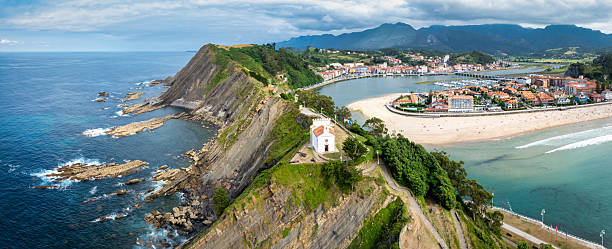
The Ultimate Guide to Getting Around Cantabria: Car, Train & Car-Free Travel
Cantabria, a gem on Spain’s northern coast, offers a breathtaking tapestry of landscapes, from rugged coastlines and pristine beaches to the dramatic peaks of the Picos de Europa and lush valleys. Its rich cultural heritage, vibrant cities like Santander, and charming medieval villages beckon travelers seeking an authentic Spanish experience. However, effectively navigating this diverse region requires careful consideration of transport options. This comprehensive guide delves into every facet of getting around Cantabria, whether you prioritize the independence of a car, the scenic charm of rail travel, or the sustainable immersion of car-free exploration. We’ll provide detailed insights into public transport networks, essential driving tips, picturesque train routes, and strategies for combining different modes to unlock the full potential of your Cantabrian adventure.
Exploring Cantabria Without a Car: A Slow Travel Perspective
Embracing a car-free journey in Cantabria allows for a deeper, more intentional connection with its local rhythms and natural beauty. This approach, often termed “slow travel,” encourages travelers to linger longer, observe more keenly, and engage with communities on a more personal level. While it requires a different kind of planning, the rewards are immense, offering unique perspectives often missed from behind a car windshield. Understanding the region’s public transport infrastructure is paramount for a successful car-free expedition.
Utilizing Cantabria’s Public Bus Network
The bus system is the backbone of car-free travel in Cantabria, connecting major cities, towns, and even some rural areas. While not as extensive as in larger, more densely populated regions, it provides vital links for exploring the coast and interior. Knowing the key operators and their routes is essential for planning your itinerary.
- TUS (Transportes Urbanos de Santander): For navigating within the capital city of Santander, TUS buses are indispensable. They cover all major attractions, from El Sardinero beach to the Botín Centre and the ferry terminal. Tickets are affordable and can often be purchased directly from the driver. Services are frequent, especially during peak hours, making it easy to hop between different parts of the city.
- ALSA: As Spain’s largest bus company, ALSA operates regional and national routes connecting Cantabria to other parts of Spain and linking many Cantabrian towns. For instance, you can take an ALSA bus from Santander to charming coastal towns like San Vicente de la Barquera or inland to destinations like Potes, gateway to the Picos de Europa. It’s advisable to check schedules and book tickets online in advance, especially for longer journeys or during high season, as some routes may have limited daily services.
- Regional and Local Buses: Beyond ALSA, several smaller regional companies fill in the gaps, serving more localized routes. These can be particularly useful for reaching smaller villages or specific natural parks. Information on these services can sometimes be found at local tourist offices or bus stations. Be prepared for less frequent services on these routes, often requiring careful timetable planning.
Walking and Cycling: Immersive Exploration
For those who truly wish to embrace slow travel, walking and cycling offer unparalleled intimacy with Cantabria’s landscapes. The region is a paradise for hikers and cyclists, boasting a variety of trails suitable for all fitness levels.
- Coastal Paths (Senda Costera): Many sections of Cantabria’s coastline feature dedicated walking paths, offering stunning sea views and access to secluded coves. The path around Santander’s bay, for example, provides picturesque strolls. Similarly, sections of the Camino de Santiago (Coastal Route) traverse Cantabria, offering both spiritual journey and scenic beauty.
- Picos de Europa Trails: For more adventurous hikers, the Picos de Europa National Park, accessible from areas like Potes, offers a vast network of trails ranging from easy walks to challenging multi-day treks. Popular routes include the Cares Gorge (though partially in Asturias, it’s a key regional draw) and trails around Fuente Dé. Ensure you have appropriate gear, maps, and inform someone of your plans, especially for remote areas.
- Cycling Routes: Cantabria is increasingly developing cycling infrastructure. The “Vía Verde del Pas” is a notable example, repurposing an old railway line into a scenic cycling and walking path through rural landscapes. Bicycle rentals are available in major towns, particularly Santander and tourist hotspots. Consider electric bikes for tackling some of Cantabria’s hillier terrain.
Taxis, Ride-Sharing, and Organized Tours
While the focus is car-free, sometimes a taxi, ride-share service (if available in the area), or an organized tour can bridge gaps in public transport or provide access to hard-to-reach locations.
- Taxis: Readily available in cities and larger towns. They offer convenience for short distances, late-night travel, or when carrying luggage. Fares can be higher for longer distances, so agree on a price or ensure the meter is running.
- Ride-Sharing: Services like Uber or Cabify might be present in Santander but are generally not widespread in smaller Cantabrian towns. Check app availability upon arrival.
- Organized Tours: Many local tour operators offer day trips to popular attractions like the Altamira Caves, Picos de Europa, or specific villages from Santander. These are an excellent option for seeing multiple sights efficiently without worrying about transport logistics.

Rail Travel in Cantabria: Scenic Routes and Practical Tips
Rail travel in Cantabria offers a distinct charm, providing travelers with a relaxed way to soak in the region’s diverse landscapes. Unlike the high-speed AVE network in other parts of Spain, Cantabria’s rail lines, primarily operated by Renfe Cercanías (formerly FEVE), are characterized by their scenic routes, often winding along the coastline or through verdant valleys. This slower pace allows for appreciation of the natural beauty and provides a unique perspective on the region’s geography and culture.
Understanding Cantabria’s Rail Network: Renfe Cercanías (FEVE)
The narrow-gauge railway lines, historically known as FEVE, are now integrated into Renfe’s Cercanías (commuter/regional) network. These lines are distinct from Spain’s standard-gauge network and primarily serve the northern coast. They are an integral part of life for many locals and a delightful option for tourists.
- Coastal Lines: The most popular routes run along the Cantabrian coast, connecting Santander with towns to the east (towards Bilbao, Basque Country) and west (towards Oviedo, Asturias). These lines offer spectacular views of the Bay of Biscay, passing through small fishing villages, lush green fields, and dramatic cliffs.
- Key Routes and Destinations:
- Santander – Bilbao (Line C3): This route is particularly scenic, offering glimpses of the coastline and charming towns like Laredo and Castro Urdiales (though Castro Urdiales requires a bus connection from a nearby train station). It’s a popular choice for day trips between the two major cities.
- Santander – Oviedo (Line C2): Traveling west, this line takes you through picturesque landscapes towards Asturias, passing through towns such as Torrelavega and Cabezón de la Sal. It’s ideal for exploring the western part of Cantabria and connecting to Asturias.
- Santander – Liérganes (Line C3f): A shorter, more localized route that takes you to the charming spa town of Liérganes, known for its historic architecture and tranquil atmosphere. This is an excellent option for a half-day excursion from Santander.
- Historical Routes: Some sections of the network have a rich industrial history, offering a glimpse into Cantabria’s past as you travel through areas that were once vital for mining and industry, now reclaimed by nature.
Benefits of Choosing Train Travel
Opting for the train in Cantabria comes with several advantages that enhance the travel experience:
- Spectacular Scenery: The narrow-gauge lines often traverse areas inaccessible by road, providing unique vantage points of the coast, mountains, and rural countryside. It’s a journey where the views are as much a destination as the arrival point.
- Relaxation and Comfort: Unlike driving, train travel allows passengers to sit back, relax, read, or simply enjoy the landscape without the stress of navigation or traffic. The slower pace is conducive to unwinding.
- Environmental Sustainability: Train travel is generally a more environmentally friendly option compared to driving, reducing your carbon footprint as you explore.
- Accessibility: Train stations are often centrally located in towns, making it easy to access local attractions upon arrival without needing to find parking.
Practical Tips for Train Journeys in Cantabria
To make your rail travel as smooth as possible, consider these practical tips:
- Checking Schedules: Train schedules can be found on the Renfe website (look for Cercanías Santander or FEVE routes) or at local train stations. Services are less frequent than in major metropolitan areas, so planning is crucial, especially on weekends or public holidays.
- Ticket Purchase: Tickets are typically inexpensive and can be purchased at station ticket counters or from ticket machines. For longer regional routes, it’s advisable to purchase in advance, though for local commuter lines, same-day purchase is usually fine.
- Passes and Discounts: If you plan extensive train travel, investigate any regional passes or tourist cards that might offer discounts, although these are less common for the specific FEVE network compared to national Renfe passes.
- Station Access: While many stations are central, some smaller stops might be a short walk from the town center. Check maps in advance. Be aware that some smaller stations may not have staffed ticket offices, requiring ticket purchase on board or from machines.
- On-board Facilities: Trains are generally comfortable but basic, offering standard seating. Don’t expect dining cars or extensive amenities on these regional lines.

Navigating Cantabria by Car: Tips for Road Trips
For many travelers, exploring Cantabria by car offers unparalleled freedom and flexibility, allowing access to remote natural parks, hidden beaches, and charming inland villages that are often inaccessible by public transport. A road trip through Cantabria unveils a tapestry of landscapes at your own pace, from the dramatic coastal roads to the winding mountain passes of the Picos de Europa. However, navigating this diverse terrain requires specific knowledge of local driving conditions and regulations to ensure a safe and enjoyable journey.
Why Choose to Drive in Cantabria?
The advantages of having your own vehicle in Cantabria are compelling, especially for those who wish to delve deeper into the region’s less-traveled paths:
- Unmatched Flexibility: A car allows for spontaneous detours, extended stays in picturesque spots, and the ability to adjust your itinerary on the fly. You’re not bound by public transport schedules, which can be limited in rural areas.
- Access to Remote Areas: Many of Cantabria’s most stunning natural attractions, such as certain viewpoints in the Picos de Europa, secluded coves, or specific trailheads, are best reached by car. Public transport often doesn’t extend to these locations.
- Convenience with Luggage: Traveling with luggage becomes significantly easier, as you can store it securely in your vehicle without the hassle of carrying it on buses or trains. This is particularly beneficial for families or those on longer trips.
- Scenic Drives: Cantabria boasts numerous incredibly scenic roads, particularly along the coast and through mountain ranges, offering breathtaking panoramas that are part of the journey’s experience.
Road Conditions and Driving Regulations in Cantabria
While driving in Cantabria is generally safe, understanding the specific conditions and adhering to Spanish traffic laws are crucial:
- Road Network: Cantabria has a well-maintained road network, including the A-8 (Autovía del Cantábrico), a major highway running along the coast, connecting major towns like Santander, Torrelavega, and Laredo. Inland, you’ll find a mix of national (N-roads) and regional (CA-roads) routes, which are generally two-lane and well-paved.
- Mountain Roads: When venturing into the Picos de Europa or other mountainous areas, expect winding, narrow roads with steep gradients. These roads often feature sharp bends and can sometimes be challenging, especially for inexperienced drivers or those unfamiliar with mountain driving. Always drive cautiously, reduce speed, and be prepared for sudden changes in weather or visibility (e.g., fog).
- Speed Limits: Standard Spanish speed limits apply:
- Motorways (Autopistas/Autovías): 120 km/h (approx. 75 mph)
- National Roads: 90 km/h (approx. 56 mph)
- Urban Areas: 50 km/h (approx. 31 mph), often reduced to 30 km/h (approx. 19 mph) on single-lane roads.
Pay attention to signage, as limits can vary. Speed cameras are common.
- Parking: In cities like Santander, finding parking can be challenging and expensive. Look for underground public car parks (aparcamientos subterráneos) or designated blue zones (zona azul) where payment is required via parking meters. White lines indicate free parking, yellow lines mean no parking. In smaller towns, parking is generally easier to find.
- Fuel Stations: Fuel stations are plentiful along major routes and in towns. In more remote areas, they might be scarcer, so plan accordingly on longer drives.
- Documentation: Always carry your valid driving license (an International Driving Permit is recommended for non-EU licenses), vehicle registration, and insurance documents.
Car Rental Essentials and Recommended Road Trip Routes
Renting a car in Cantabria is straightforward, with several options available, but planning ahead is key.
- Car Rental Agencies: Major international rental companies (Hertz, Avis, Europcar, Sixt, Enterprise) operate at Santander Airport (SDR) and in the city center. Local agencies may offer competitive rates.
- Booking and Insurance: Book your car in advance, especially during peak season, to secure better rates and vehicle availability. Consider comprehensive insurance (often called “full coverage” or seguro a todo riesgo) for peace of mind, particularly if you plan to navigate challenging mountain roads.
- GPS/Navigation: While many rental cars come with GPS, using a smartphone app like Google Maps or Waze is also highly effective. Download offline maps for areas with potentially spotty mobile signal, especially in mountainous regions.
- Recommended Road Trip Routes:
- Coastal Marvels: Start in Santander, head east along the A-8 to visit charming towns like Santoña (famous for anchovies), Laredo, and Castro Urdiales. Alternatively, head west to Santillana del Mar (medieval village), Comillas (Gaudi’s El Capricho), and San Vicente de la Barquera (picturesque fishing village).
- Picos de Europa Adventure: From the coast, drive inland towards Potes, the gateway to the Liébana Valley and the eastern Picos de Europa. Explore Fuente Dé with its cable car, hike various trails, and discover the monasteries of Santo Toribio de Liébana. This route offers dramatic mountain scenery and cultural immersion.
- Valleys and Vistas: Explore the Pasiegos Valleys (Valles Pasiegos), characterized by lush green hills, traditional stone cabins (cabañas pasiegas), and unique gastronomy. Destinations like Vega de Pas and San Roque de Riomiera offer a glimpse into rural Cantabrian life.

Combining Transport Modes for the Ultimate Cantabrian Adventure
The true magic of exploring Cantabria often lies in strategically combining different modes of transport. While a single approach (car-only or car-free) has its merits, integrating various options allows you to leverage the strengths of each, creating a more dynamic, efficient, and deeply immersive travel experience. This multi-modal strategy enables you to reach remote natural wonders while also enjoying the charm of urban centers without parking woes, and to embrace slow travel where it makes the most sense.
Car-Free Base with Strategic Day Trips
One effective strategy is to establish a central car-free base, typically in a well-connected city like Santander, and then use a combination of public transport, organized tours, or even short-term car rentals for specific excursions.
- Establish a Hub: Santander offers excellent public transport links (TUS city buses, ALSA regional buses, Renfe Cercanías trains) and a wide array of accommodation and dining options. It’s also a vibrant city with plenty to explore on foot.
- Public Transport Day Trips: From Santander, utilize ALSA buses to visit coastal towns such as San Vicente de la Barquera, Laredo, or even Potes for the Picos de Europa (though the journey to Potes is longer). Use Renfe trains for scenic coastal rides to other Cantabrian towns or into Asturias/Basque Country. This allows you to relax and enjoy the scenery without driving stress.
- Organized Excursions: For destinations that are challenging to reach by public transport or involve multiple stops, consider booking an organized day tour. Many operators in Santander offer trips to Altamira, the Picos de Europa, or charming villages, handling all the logistics.
- Short-Term Car Rental: If there’s a specific remote area you desperately want to explore, such as a particular hiking trail or a secluded beach, consider renting a car for just one or two days. This provides the flexibility needed for that specific segment of your trip without committing to a full rental period. Pick up the car from Santander Airport or a city agency and return it after your specific excursion.
Rent a Car for Specific Regions, Supplement with Public Transport
Conversely, you might decide to rent a car for a specific part of your itinerary where driving is essential, and then switch to public transport for other segments.
- Mountain Exploration by Car: For an in-depth exploration of the Picos de Europa, having a car is almost indispensable. Rent a car upon arrival at Santander Airport, drive inland to Potes, and spend several days exploring the Liébana Valley and surrounding mountains. This allows you to reach trailheads, viewpoints, and remote villages at your leisure.
- Transition to Public Transport: After your mountain adventure, you could return the car in Santander. From there, you can enjoy the city on foot and use buses or trains for coastal excursions, benefiting from the relaxed pace of car-free travel for the remainder of your trip. This avoids parking issues in urban areas and allows for a different travel rhythm.
- Coastal Drives and City Stays: Another approach could be to rent a car for a few days to drive along the stunning Cantabrian coast, stopping at various beaches and fishing villages. Once you reach a major city like Santander or Bilbao, return the car and use public transport for urban exploration.
Strategic Planning and Resource Integration
Successful multi-modal travel hinges on meticulous planning and leveraging available resources:
- Research and Timetables: Always check bus and train timetables well in advance, especially for regional routes and during off-peak seasons. Websites like ALSA and Renfe are your primary resources. Local tourist offices can also provide up-to-date information.
- Accommodation Choices: Select accommodations that align with your transport strategy. If relying on public transport, choose hotels or guesthouses near bus or train stations. If driving, ensure your accommodation offers parking.
- Flexibility: While planning is important, maintain a degree of flexibility. Weather conditions, particularly in mountainous areas, can influence travel plans. Having alternative options in mind can save the day.
- Luggage Management: Consider the amount of luggage you’re carrying. If frequently switching between modes, lighter luggage is always preferable. For car-free segments, ensure your bags are manageable on public transport.

Practical Travel Tips for Cantabria
Beyond the specifics of transportation, a successful and enjoyable trip to Cantabria benefits from a broader understanding of local customs, seasonal considerations, and essential resources. These practical tips are designed to enhance your overall experience, ensuring you’re well-prepared for the nuances of travel in this beautiful region, regardless of your chosen mode of getting around.
Accommodation Choices and Their Impact on Transport
Your choice of accommodation can significantly influence your daily transport needs and options. Strategic booking can save time, money, and stress.
- City Centers vs. Rural Stays:
- City Centers (e.g., Santander, Torrelavega): Ideal if you plan to rely heavily on public transport. Hotels are often within walking distance of bus/train stations and urban attractions. Parking can be expensive or difficult to find if you have a car.
- Coastal Towns (e.g., San Vicente de la Barquera, Comillas): Many offer good bus connections to larger cities. If driving, ensure your accommodation provides parking, especially during peak summer months when street parking is scarce.
- Rural Areas (e.g., Liébana Valley, Pasiegos Valleys): Almost always require a car for accessibility. Accommodation often includes free parking, and you’ll appreciate the tranquility and direct access to nature. Public transport is minimal or non-existent in these areas.
- Booking in Advance: Especially during the high season (July and August) and during local festivals, popular accommodations can book up quickly. Booking well in advance is highly recommended to secure your preferred location and price.
Local Etiquette and Language
A little effort to understand and respect local customs can greatly enrich your interactions with Cantabrians.
- Language: Spanish is the official language. While English is spoken in major tourist centers and by younger generations, especially in Santander, venturing into smaller towns will require some basic Spanish phrases. Learning greetings, “please,” “thank you,” and how to order food will be greatly appreciated.
- Meal Times: Spanish meal times are later than in many other countries. Lunch (comida) is typically from 2 PM to 4 PM, and dinner (cena) from 9 PM to 11 PM. Many restaurants close between lunch and dinner.
- Siesta: While not as prevalent as it once was, some smaller shops and businesses in traditional towns may close in the early afternoon for a few hours, especially outside of major cities.
- Greetings: A simple “Hola” or “Buenos días” (good morning) and “Gracias” (thank you) go a long way. When entering a small shop or café, it’s customary to greet the staff.
Best Time to Visit Cantabria
The ideal time to visit depends on your priorities and preferred activities.
- Summer (June to August): The most popular time, with warm temperatures (though rarely excessively hot like southern Spain), plenty of sunshine, and vibrant coastal life. Ideal for beaches, water sports, and festivals. However, it’s also the busiest and most expensive, with crowded attractions and accommodations.
- Spring (April to May) and Autumn (September to October): These shoulder seasons offer pleasant temperatures, fewer crowds, and often better value. Spring brings lush green landscapes and blooming wildflowers, while autumn showcases stunning fall foliage, particularly in the interior and mountains. Ideal for hiking, cultural exploration, and enjoying a more relaxed pace.
- Winter (November to March): Cooler temperatures, more rainfall, and some areas (like higher elevations in the Picos de Europa) may experience snow. Many coastal towns quiet down. However, it can be a beautiful time for cozy stays, experiencing local culture without tourists, and winter sports in specific mountain resorts.
Essential Apps and Resources
Leveraging technology and local information sources can greatly simplify your travels.
- Google Maps/Waze: Indispensable for navigation, whether driving or using public transport (for routes and estimated times). Download offline maps for areas with limited signal.
- ALSA App/Website: For checking bus schedules and booking tickets.
- Renfe Website: For train schedules, particularly the Cercanías (FEVE) lines.
- Weather Apps: Essential, especially if planning outdoor activities or mountain excursions, as weather can change rapidly.
- Tourist Information Offices: