The Complete Guide to Cantabria’s Rich Culture, Traditions, and Towns
The Soul of Cantabria: Embracing Deep-Rooted Traditions
Cantabria, a verdant region nestled between the Cantabrian Sea and the Picos de Europa mountains, boasts a cultural tapestry woven from centuries of history, unique geographical influences, and a strong sense of community. Its traditions are not mere relics of the past but living practices that continue to shape the daily lives and collective identity of its people. Understanding Cantabria means looking beyond its stunning landscapes to the heart of its enduring customs, which are often passed down through generations, reflecting a profound connection to the land and sea.
Historical Foundations and Cultural Identity
The cultural identity of Cantabria is deeply rooted in its diverse historical past, from prehistoric cave art at Altamira to Roman settlements, medieval kingdoms, and later maritime prowess. This long lineage has forged a resilient and distinctive character, often described as “Montañés,” referring to the people of the mountains, yet encompassing the coastal communities as well. The region’s isolation, historically protected by its mountainous terrain, allowed many unique traditions to flourish and persist, creating a cultural fabric distinct from other parts of Spain. This identity is often expressed through local dialects, traditional attire, and a reverence for historical sites that punctuate the landscape.
Everyday Life and Enduring Customs
Beyond grand historical narratives, Cantabrian traditions manifest in the everyday rhythms of life. From the way local farmers tend their herds using ancient methods to the communal gatherings in village squares, these customs reflect a strong sense of belonging and mutual support. The importance of family and community is paramount, often highlighted during local fiestas and daily interactions. Even simple acts like a morning coffee at a local bar or an evening stroll along a promenade are imbued with a sense of place and tradition, where generations interact and stories are shared, offering visitors a genuine window into the local way of life.

A Symphony of Flavors: Cantabrian Gastronomy and Culinary Heritage
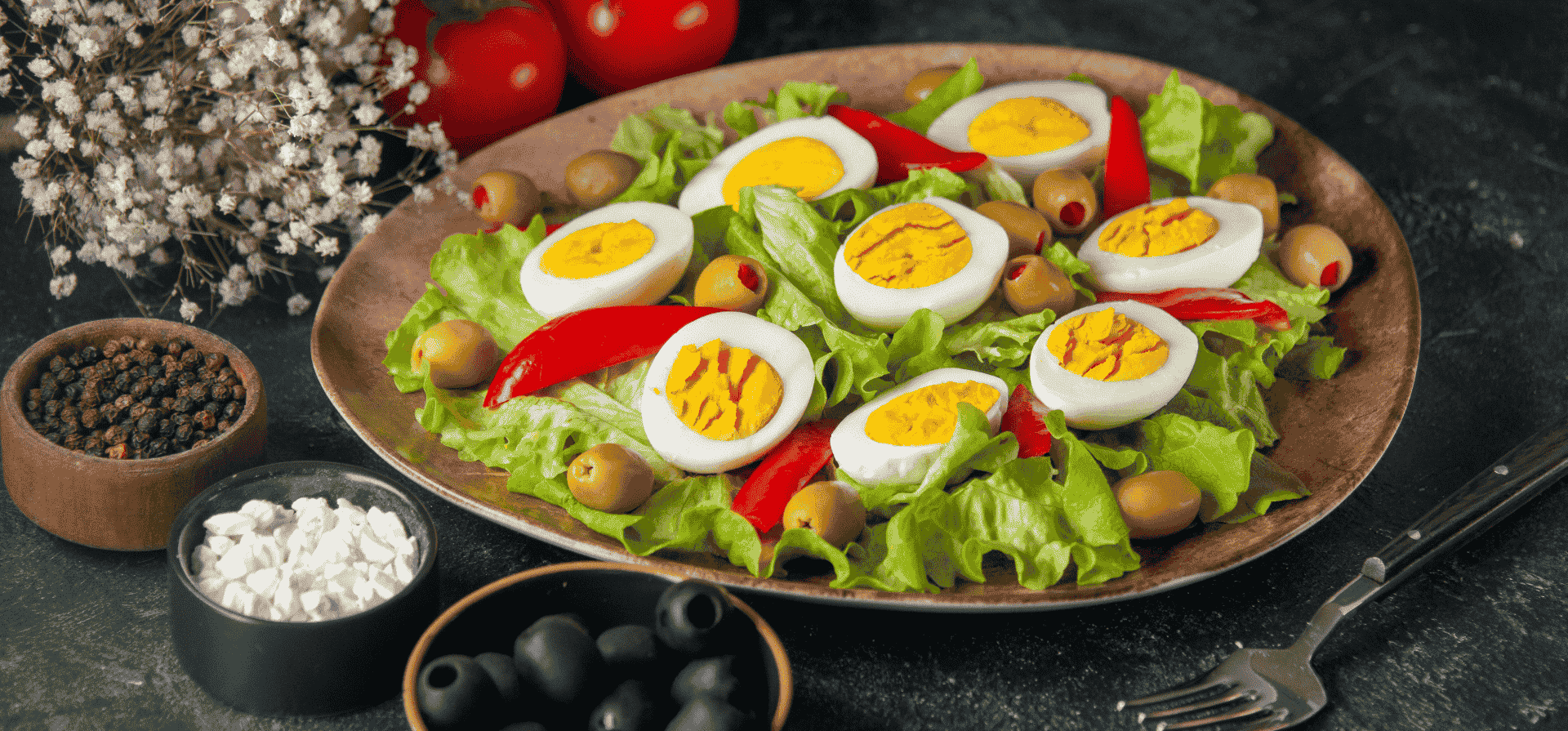
Cantabrian cuisine is a robust and flavorful reflection of its geography, blending fresh seafood from the Bay of Biscay with hearty mountain dishes and exquisite dairy products. Food is more than sustenance here; it is a fundamental aspect of cultural belonging, a way to share stories, celebrate life, and connect with the region’s rich heritage. A journey through Cantabria’s culinary landscape is an exploration of authentic flavors, traditional cooking methods, and the passionate dedication of local producers.
Iconic Dishes and Local Delicacies
The region boasts a plethora of dishes that are emblematic of its culinary identity. These are often prepared with fresh, seasonal ingredients, showcasing the quality of local produce. Some of the must-try dishes include:
- Rabas: These fried calamari rings are a staple, particularly along the coast. Unlike typical calamari, Cantabrian rabas are often cut into longer strips and lightly battered, offering a tender texture and subtle flavor. They are a popular tapa, especially when enjoyed with a squeeze of lemon and a cold drink, embodying the relaxed coastal lifestyle.
- Cocido Montañés: A hearty mountain stew, this dish is the epitome of comfort food. It typically features white beans, collard greens, chorizo, black pudding (morcilla), and various cuts of pork. It’s a rich, warming meal, perfect for the cooler mountain climate, and a testament to the region’s agricultural bounty.
- Anchovies from Santoña: Renowned globally, the anchovies cured in Santoña are a delicacy. These aren’t your average salty anchovies; they are meticulously prepared, hand-filleted, and packed in olive oil, offering a rich, umami flavor that is both intense and delicate. They are often served simply on toast or as part of a more elaborate tapa.
- Mariscada: Given its extensive coastline, seafood platters are a highlight. A mariscada typically includes a generous assortment of freshly caught shellfish such as king prawns, langoustines, spider crabs, mussels, and clams, often simply steamed or grilled to highlight their natural sweetness.
Exploring Local Markets and Food Tours
To truly appreciate Cantabrian gastronomy, visiting local markets is essential. These vibrant hubs are where farmers, fishermen, and artisans converge, offering everything from fresh produce and artisanal cheeses to cured meats and baked goods. Markets like those in Santander, Torrelavega, or smaller weekend markets in towns like Potes provide a sensory feast and an opportunity to interact directly with producers. Many towns also offer organized food tours, guiding visitors through tasting experiences that highlight regional specialties, from traditional taverns serving tapas to gourmet restaurants showcasing modern Cantabrian cuisine. These tours often delve into the history behind the dishes and the cultural significance of local ingredients, enriching the culinary experience.
Sweet Treats and Artisanal Products
Cantabria’s sweet offerings are equally compelling, often featuring dairy products from its lush pastures. Two iconic desserts stand out:
- Quesada Pasiega: A rich, baked cheesecake-like dessert made with fresh cheese, eggs, sugar, and lemon zest. It has a unique texture and a subtly tangy flavor, often enjoyed as a traditional breakfast or dessert.
- Sobaos Pasiegos: These buttery, sponge-like cakes are another specialty from the Pasiego valleys. Made with butter, eggs, sugar, and flour, they are moist and flavorful, perfect with a cup of coffee or hot chocolate. Originally baked in paper molds, their distinctive shape and rich taste make them a beloved regional treat.
Beyond these, artisanal cheeses, such as Picón Bejes-Tresviso (a blue cheese) and various cow and sheep milk cheeses, are widely available, reflecting the region’s strong dairy farming tradition. These products not only tantalize the taste buds but also tell a story of the land and its people.

Vibrant Celebrations: Festivals, Fairs, and Community Spirit
Cantabria comes alive with an array of vibrant festivals and traditional fairs throughout the year, each a testament to the region’s deep-seated community spirit and rich cultural heritage. These celebrations are not merely events but vital expressions of local identity, bringing people together through music, dance, food, and shared rituals. They offer a unique opportunity for both locals and visitors to experience the authentic joy and passion that define Cantabrian life.
Major Annual Festivals
The festival calendar in Cantabria is packed with significant events that draw crowds from across Spain and beyond. These festivals often have historical or religious roots, evolving over centuries to become grand spectacles of culture and tradition:
- Batalla de Flores (Battle of Flowers) in Laredo: Held in August, this festival is one of Cantabria’s most visually stunning events. Elaborately decorated floats, adorned with thousands of fresh flowers, parade through the streets, culminating in a “battle” where flowers are thrown among participants. It’s a vibrant explosion of color, creativity, and community effort.
- Coso Blanco in Castro Urdiales: Also in August, this festival is a dazzling nocturnal parade featuring floats illuminated with countless lights and adorned with white flowers. The entire town participates, dressing in white, creating a magical atmosphere as the floats move through the streets accompanied by music and fireworks.
- Día de Cantabria in Cabezón de la Sal: Celebrated on the second Sunday of August, this regional holiday is a profound display of Cantabrian identity. It features traditional sports, folk music and dance, craft markets, and gastronomic events, all aimed at preserving and showcasing the region’s unique customs and heritage.
- La Vijanera in Silió (Molledo): Recognized as a Festival of National Tourist Interest, this ancient winter carnival, held on the first Sunday of the year, is a spectacular display of traditional masks and costumes. The “Zarramacos” (bear-like figures) symbolize the expulsion of evil spirits and the welcoming of the new year, making it a powerful and symbolic cultural event.
Traditional Fairs and Their Significance
Beyond the grand festivals, numerous traditional fairs dot the Cantabrian calendar, often centered around livestock, agriculture, or artisanal crafts. These fairs are crucial for the local economy and serve as important social gatherings. They are places where generations meet, traditional knowledge is exchanged, and local products are celebrated. Examples include cattle fairs in towns like Torrelavega or Reinosa, where centuries-old traditions of trade and animal husbandry continue to thrive, and craft fairs showcasing the skills of local artisans in pottery, woodworking, and textiles.
Music and Folk Dances: The Sounds of Cantabria
The aural landscape of Cantabria is as rich and diverse as its visual one. Traditional music and folk dances are integral to its celebrations, embodying the region’s spirit. Instruments like the pito montañés (a type of flute) and the rabel (a traditional bowed string instrument) are often heard, accompanying lively folk dances that tell stories of rural life, love, and heroism. The “Danza de las Lanzas” (Dance of the Spears) in Ruiloba or the “Danza de los Picayos” are examples of these captivating performances, where intricate footwork and colorful costumes combine to create a powerful cultural spectacle. Choirs singing traditional “tonadas” (folk songs) also play a significant role, preserving the musical heritage and transmitting it across generations, making the “voices of Cantabria” a harmonious and integral part of its identity.

Beyond the Coast: Exploring Cantabria’s Charming Towns
Cantabria’s diverse landscape is dotted with towns and villages, each possessing its own unique charm, history, and character. From bustling coastal resorts to tranquil medieval hamlets nestled in the valleys, these towns offer travelers a multifaceted view of the region’s rich heritage. Exploring them provides an intimate understanding of local life, architecture, and the historical narratives that have shaped this corner of northern Spain.
Coastal Gems: Laredo, Noja, and Castro Urdiales
The Cantabrian coastline is home to picturesque towns that combine stunning beaches with historical significance and vibrant local life:
- Laredo: Famous for its expansive “La Salvé” beach, Laredo is a popular summer destination. Beyond its sandy shores, the town boasts a beautiful old quarter, known as “La Puebla Vieja,” with narrow streets, historic mansions, and the impressive Church of Santa María de la Asunción. The town’s maritime heritage is evident in its port and its annual “Batalla de Flores” festival.
- Noja: A charming coastal town known for its beautiful natural setting, including the beaches of Ris and Trengandín, and the Marismas de Santoña, Victoria y Joyel Natural Park. Noja is ideal for nature lovers and those seeking a relaxed beach holiday, offering opportunities for birdwatching and exploring diverse ecosystems.
- Castro Urdiales: This historic fishing port is dominated by its iconic Gothic Church of Santa María de la Asunción and the medieval lighthouse-castle overlooking the harbor. Its vibrant old town, bustling port, and stunning coastal promenade make it a captivating destination, especially during its “Coso Blanco” festival.
Medieval Wonders: Santillana del Mar and Potes
Inland, Cantabria reveals a different facet of its charm, with towns that transport visitors back in time:
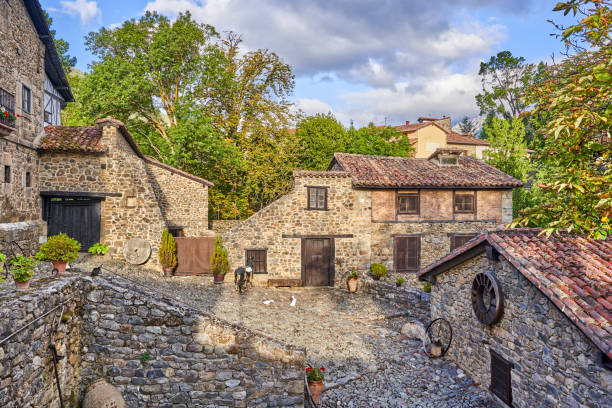
- Santillana del Mar: Often called the “town of three lies” (not holy, not flat, not by the sea), Santillana del Mar is arguably one of Spain’s most beautiful medieval villages. Its cobbled streets, stone houses, and Renaissance palaces are impeccably preserved, creating an atmosphere of timeless elegance. The Collegiate Church of Santa Juliana is a Romanesque masterpiece, and the town is also a gateway to the Altamira Caves Museum.
- Potes: Nestled in the heart of the Liébana valley, surrounded by the dramatic peaks of the Picos de Europa, Potes is a captivating mountain town. Its medieval bridge, narrow streets, and the iconic Torre del Infantado (a medieval tower) evoke a sense of ancient history. Potes is famous for its “orujo” (a strong pomace brandy) and serves as an excellent base for exploring the surrounding natural park, offering breathtaking hiking trails and stunning vistas.
Santander: The Regional Capital and Its Cultural Hub
As the capital of Cantabria, Santander offers a sophisticated blend of urban elegance and coastal beauty. Situated on a magnificent bay, the city boasts grand architecture, expansive parks, and cultural institutions. Highlights include the Magdalena Palace, the bustling Mercado de la Esperanza, and the Centro Botín, a modern art and cultural center designed by Renzo Piano. Santander serves as the region’s primary cultural and economic hub, providing a contrast to the smaller, more traditional towns while still retaining a strong Cantabrian identity. Its proximity to other attractions makes it a convenient and engaging starting point for any Cantabrian adventure.

Experiencing Cantabria: Sounds, Sights, and Sensations
A true immersion into Cantabria’s culture goes beyond merely observing; it involves engaging all senses. It’s about listening to the distinct melodies of traditional music, absorbing the visual richness of its landscapes and architecture, and feeling the vibrant energy of its people. The region offers a multi-sensory journey, where every sound, sight, and sensation contributes to a deeper understanding of its unique character.
Listening to the Heartbeat of Cantabria
The sounds of Cantabria are as integral to its identity as its visual splendor. From the rhythmic crash of waves against its rugged coastline to the gentle lowing of cattle in mountain pastures, the region has a distinct auditory tapestry. Traditional music, often featuring instruments like the rabel and pito montañés, provides a soundtrack to many festivals and local gatherings. The intricate harmonies of “tonadas” (folk songs) sung by local choirs echo through valleys and villages, preserving ancient stories and emotions. Even the lively chatter in a bustling market or the distant peal of church bells contributes to the unique soundscape, offering a “journey told by sound” that connects listeners to the soul of the region.
Visual Splendor: Landscapes, Architecture, and Art
Visually, Cantabria is a feast for the eyes. Its diverse landscapes range from the dramatic cliffs and golden beaches of the coast to the lush green valleys and towering peaks of the Picos de Europa. Each town presents its own architectural marvels, from the medieval charm of Santillana del Mar to the Belle Époque elegance of Santander. Beyond natural and architectural beauty, Cantabria is also home to significant prehistoric art, most notably the Altamira Cave, often referred to as the “Sistine Chapel of Paleolithic Art.” While the original cave is closed to the public, the Altamira Museum and Neocave provide an incredible replica, allowing visitors to experience the awe-inspiring bison and deer paintings, connecting them to humanity’s earliest artistic expressions.
Engaging with Local Life: Markets and Cultural Stops
To truly feel the pulse of Cantabrian life, engaging directly with its local communities is paramount. Weekend markets and local fairs are not just places for commerce but vital social hubs where traditions are upheld and community bonds are strengthened. Planning a cultural stop at one of these markets allows visitors to sample fresh local produce, discover artisanal crafts, and observe the lively interactions between residents. Participating in a local food tour, beyond just tasting, offers insights into the cultural significance of food and the stories behind each dish. These direct engagements provide a tangible sense of belonging, making the experience of Cantabria deeply personal and unforgettable.

Conclusion: The Enduring Allure of Cantabria
Cantabria stands as a captivating region where ancient traditions seamlessly blend with vibrant contemporary life, creating a destination of profound cultural depth and breathtaking natural beauty. From the echoing calls of traditional music to the rich flavors of its gastronomy, and from the storied streets of its medieval towns to the lively spirit of its festivals, Cantabria offers an immersive experience that resonates long after the journey ends. It is a place where every interaction, every dish, and every landscape tells a story of resilience, community, and an unwavering connection to heritage. For those seeking an authentic encounter with Spanish culture, Cantabria promises a journey filled with discovery, warmth, and unforgettable memories, inviting travelers to not just visit, but to truly belong.
Frequently Asked Questions (FAQ)
- Q1: What are the most famous traditional dishes to try in Cantabria?
- Cantabria is renowned for its hearty and flavorful cuisine. Must-try dishes include Cocido Montañés, a rich mountain stew with beans and greens; Rabas, perfectly fried calamari; and the globally acclaimed Anchovies from Santoña. For desserts, the Quesada Pasiega (cheesecake) and Sobaos Pasiegos (butter cakes) are iconic sweet treats that reflect the region’s strong dairy traditions.
- Q2: What is the best time of year to experience Cantabria’s festivals?
- While festivals occur throughout the year, the summer months, particularly August, are exceptionally vibrant. This period hosts some of Cantabria’s most famous celebrations, including the Batalla de Flores in Laredo and the Coso Blanco in Castro Urdiales. However, for a unique winter experience, La Vijanera in Silió on the first Sunday of January offers a fascinating glimpse into ancient carnival traditions.
- Q3: Which Cantabrian towns are essential for a cultural visit?
- For a deep dive into Cantabrian culture, several towns are indispensable. Santillana del Mar is a perfectly preserved medieval village renowned for its historical architecture and the Collegiate Church. Potes, nestled in the Liébana valley, offers mountain charm and traditional spirits. Coastal towns like Laredo and Castro Urdiales blend maritime history with vibrant local life, while the capital, Santander, provides a sophisticated urban cultural experience.
- Q4: How important are local markets to Cantabrian culture?
- Local markets are incredibly important, serving as much more than just shopping venues. They are vital social hubs where communities gather, traditions are maintained, and local economies thrive. These markets, such as the weekend fairs in various towns, offer fresh produce, artisanal crafts, and an authentic opportunity to engage with local life, fostering a sense of belonging and preserving regional heritage.
- Q5: What unique musical traditions can be found in Cantabria?
- Cantabria boasts a rich musical heritage, characterized by traditional folk music often played on unique instruments like the rabel (a bowed string instrument) and the pito montañés (a type of flute). Folk dances, such as the “Danza de las Lanzas,” are integral to festivals, while traditional “tonadas” (folk songs) are sung by choirs, preserving centuries-old melodies and stories. These musical expressions are a vibrant part of the region’s cultural identity.