
The Ultimate Guide to Cantabria: Spain’s Green Coast, Hidden Gems & Adventure
Cantabria, a jewel nestled on Spain’s northern coast, offers a captivating blend of lush green landscapes, dramatic mountain ranges, and a wild, untamed Atlantic coastline. Often overshadowed by its southern counterparts, this autonomous community presents an authentic Spanish experience, rich in culture, history, and unparalleled natural beauty. From the soaring peaks of the Picos de Europa to the serene coves of its lesser-known beaches, Cantabria beckons travelers seeking both exhilarating adventure and peaceful retreat. This pillar page serves as your definitive guide, meticulously compiling insights into every facet of this enchanting region, ensuring you uncover its deepest secrets and plan an unforgettable journey.
Unveiling Cantabria’s Authentic Charm and Diverse Landscapes
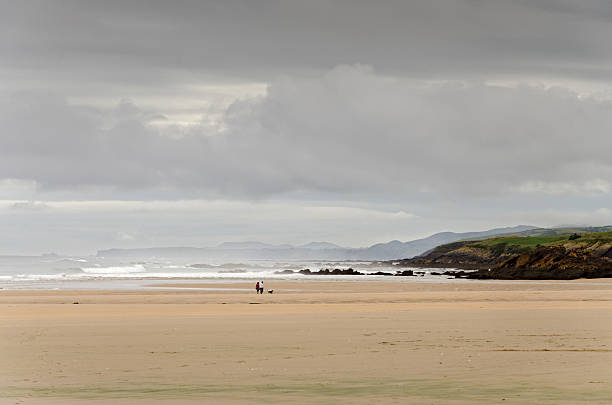
Cantabria’s allure lies in its striking contrasts and unwavering authenticity. It’s a region where ancient traditions thrive amidst breathtaking natural backdrops, offering a deeply immersive experience for those willing to look beyond the typical tourist trails. The climate, often characterized by its verdant hues, ensures a landscape that remains vibrant year-round, even when the clouds gather, revealing a different, equally captivating character of the region.
The Green Coast: Where Mountains Meet the Sea
Known as part of “Green Spain,” Cantabria boasts a unique geographical profile where the Cantabrian Mountains, including the western massifs of the Picos de Europa, dramatically descend to meet the Bay of Biscay. This convergence creates an astonishing diversity of ecosystems within a relatively small area. One can spend the morning hiking alpine trails and the afternoon surfing Atlantic waves. This geographical specificity not only defines its climate but also shapes its culture, cuisine, and the resilient spirit of its people.
- Geographical Marvel: The abrupt transition from high mountain ranges to the coastline results in spectacular cliffs, deep river valleys, and fertile plains. This geological richness supports a wide array of flora and fauna, making it a prime destination for nature enthusiasts.
- Microclimates: The proximity of mountains to the sea creates distinct microclimates, influencing local agriculture and offering varied landscapes within short distances. For example, the milder coastal areas contrast sharply with the cooler, often snow-capped peaks inland.
- Cultural Impact: This natural setting has historically fostered a strong connection to the land and sea, evident in traditional fishing villages, mountain communities, and a cuisine rich in fresh seafood and hearty stews.
Embracing Cantabria’s Character: Even on Gray Days
While often associated with sunny Spanish beaches, Cantabria’s true essence is perhaps best appreciated when the skies are overcast or a gentle rain falls. These “gray days” do not diminish its beauty but rather enhance it, revealing a mystical, lush landscape reminiscent of Celtic lands. The region’s resilience and the warmth of its people shine through, offering cozy refuges and opportunities for introspection.
- Atmospheric Beauty: Misty mornings over valleys, dramatic skies above the coast, and the vibrant green of the pastures intensified by rain create unparalleled photographic opportunities and a sense of serene beauty.
- Indoor Charms: Rainy days are perfect for exploring Cantabria’s rich cultural heritage. Visit the Centro Botín in Santander, delve into the prehistoric art of the Altamira Caves (Neocave), or simply enjoy a long lunch in a traditional sidrería (cider house).
- Authentic Experience: Experiencing Cantabria in all weather conditions provides a more complete and authentic understanding of its character, moving beyond superficial tourism to a deeper appreciation of its natural rhythms and local life.
Why Cantabria is Your Next Adventure Destination
For the intrepid traveler, Cantabria is an undiscovered playground. Its diverse terrain offers an unparalleled range of outdoor activities, catering to all levels of thrill-seekers. From the adrenaline rush of surfing world-class waves to the peaceful challenge of hiking ancient trails, the region is perfectly equipped for an adventure-filled escape.
| Adventure Type | Key Locations/Experiences | Why Cantabria Excels |
|---|---|---|
| Hiking & Trekking | Picos de Europa, Saja-Besaya Natural Park, Coastal Trails | Diverse landscapes from alpine to coastal, well-marked routes, stunning vistas. |
| Surfing | Playa de Somo, El Sardinero, Langre, Liencres | Consistent Atlantic swells, surf schools for all levels, vibrant surf culture. |
| Climbing & Canyoning | Picos de Europa (various sectors), Nansa River Gorge | Challenging limestone cliffs, guided tours available, breathtaking natural settings. |
| Cycling | Vía Verde del Pas, Coastal roads, Mountain passes | Varied terrain for road and mountain biking, scenic routes, cycling-friendly infrastructure. |
| Kayaking & SUP | Estuaries (Santoña, Suances), Calm coastal waters | Explore hidden coves, observe wildlife, enjoy serene paddles. |
Each activity is supported by local guides and operators, ensuring safety and an enriched experience. The region’s commitment to sustainable tourism also means that these adventures can be enjoyed with minimal environmental impact, preserving Cantabria’s natural beauty for future generations.

A Journey Along Cantabria’s Breathtaking Coastline
Cantabria’s coastline, stretching over 220 kilometers, is a tapestry of golden sands, dramatic cliffs, and azure waters. It’s a region where every turn of the road reveals a new vista, from expansive family-friendly beaches to secluded coves accessible only by foot. Exploring this diverse shoreline is a highlight of any visit, offering opportunities for relaxation, watersports, and stunning photography.
Famous Beaches: From Laredo to Langre
The Cantabrian coast is dotted with numerous iconic beaches, each with its own character and appeal. These well-known spots offer excellent facilities and vibrant atmospheres, making them perfect for a classic beach holiday.
- Playa de Laredo (La Salvé): This crescent-shaped beach is one of Cantabria’s longest, offering vast stretches of fine sand ideal for families and watersports. Its promenade is bustling with activity, and the town of Laredo itself boasts historical charm.
- El Sardinero (Santander): Comprising two urban beaches, El Sardinero is synonymous with Santander’s elegance. With its grand hotels and proximity to the city’s cultural attractions, it’s a sophisticated choice for sunbathing and swimming.
- Playa de Langre: A truly spectacular natural beach, Langre is famous for its impressive cliffs and golden sand. It’s often frequented by surfers and those seeking a more natural, less developed environment, though it requires a descent via stairs.
- Comillas Beach: Nestled beside the charming town of Comillas, this beach offers a picturesque setting with views of the Palacio de Sobrellano. It’s a popular spot for both locals and tourists, combining natural beauty with cultural proximity.
These beaches are well-maintained and typically offer services such as lifeguards, showers, and nearby dining options, ensuring a comfortable and enjoyable visit for all.
Discovering Hidden Beaches and Secluded Coves
Beyond the popular resorts, Cantabria harbors a wealth of hidden beaches and secluded coves that promise tranquility and unspoiled beauty. These gems often require a short hike or a bit of local knowledge to find, but the reward is an intimate connection with nature.
- Playa de Covachos (Soto de la Marina): Famous for its distinctive islet, El Castro, which is accessible at low tide, Covachos is a stunning natural beach. Its dramatic cliffs and clear waters make it a favorite for those seeking peace away from crowds.
- Playa de Arnía (Liencres): Characterized by its unique rock formations and powerful waves, Arnía is a geological wonder. It’s a popular spot for geology enthusiasts and photographers, offering breathtaking views, especially at sunset.
- Playa de Valdearenas (Liencres): Part of the Dunas de Liencres Natural Park, this vast sandy beach is backed by dunes and pine forests. It’s ideal for long walks, birdwatching, and experiencing the raw power of the Atlantic.
- Playa de Sonabia (Oriñón): Tucked away near Monte Candina, Sonabia is a wild, beautiful beach known for its crystal-clear waters and the impressive “Ballena de Oriñón” rock formation. It’s a haven for those looking to escape and connect with nature.
Access to these hidden spots can sometimes be challenging, involving steep paths or narrow roads, but the journey adds to the sense of discovery and the pristine nature of the destinations.
Coastal Hikes and Scenic Photography Spots
The Cantabrian coastline is a paradise for hikers and photographers, offering a myriad of trails that wind along cliffs, through forests, and past charming fishing villages. The interplay of light, land, and sea provides endless opportunities for capturing stunning images.
- The Lighthouse Route (Camino de los Faros): This long-distance trail connects various lighthouses along the coast, offering continuous panoramic views. Shorter segments can be enjoyed, such as the path around the Faro de Cabo Mayor in Santander.
- Liencres Dunes Natural Park Trails: Explore the trails through the extensive dune system and pine forests, leading to spectacular viewpoints over the beaches of Valdearenas and Arnía. Sunrise and golden hour are particularly magical here.
- Santoña, Victoria y Joyel Marshes Natural Park: While not strictly coastal hiking, the trails around Monte Buciero offer stunning views of the Santoña Bay and its lighthouse, combining forest walks with dramatic cliffside vistas.
- Coastal Path of Suances: A relatively easy walk offering beautiful views of the town, its beaches, and the rugged coastline, perfect for a leisurely stroll with photographic opportunities.
For photographers, sunrise and sunset provide the most dramatic lighting, casting warm hues over the rugged cliffs and serene waters. Key spots for capturing these moments include the viewpoints near Playa de Langre, the cliffs of Arnía, and the various lighthouses that punctuate the coast.

Thrilling Adventures in Cantabria’s Natural Playground
Cantabria truly lives up to its reputation as an adventure seeker’s paradise. Its diverse topography—from the towering peaks of the Picos de Europa to the powerful waves of the Atlantic—provides a natural arena for a wide array of outdoor activities. Whether you’re seeking high-octane thrills or a challenging communion with nature, Cantabria delivers an unforgettable experience.
Surfing, Climbing, and Mountain Trails in Picos de Europa
The region offers a dynamic blend of coastal and mountain sports, making it unique among Spanish destinations. The Picos de Europa, in particular, serve as a majestic backdrop and a formidable challenge for mountaineers and hikers, while the coast draws surfers globally.
- Surfing Hotspots:
- Playa de Somo: Renowned for its consistent waves and numerous surf schools, it’s perfect for beginners and intermediate surfers. Accessible by a scenic ferry from Santander.
- Playa de Liencres: Offers powerful waves, making it a favorite for experienced surfers, especially during autumn and winter swells.
- Playa de Langre: Known for its dramatic setting and often less crowded waves, ideal for those seeking a more wild surf experience.
- Climbing in the Picos de Europa: The limestone karsts of the Picos de Europa provide world-class climbing routes, from multi-pitch ascents to sport climbing. Areas like La Hermida Gorge offer accessible crags, while deeper within the park, more challenging expeditions await. Specialized guides are recommended for safety and local expertise.
- Mountain Trails and Trekking: The Picos de Europa boasts an extensive network of trails.
- Fuente Dé Cable Car: Provides instant access to high-altitude trails, offering spectacular views and a starting point for hikes to Refugio Áliva or challenging climbs like the ascent to Horcados Rojos.
- Ruta del Cares (partially in Cantabria): While largely in Asturias, the Cantabrian access points offer equally stunning, though perhaps less crowded, routes into the heart of the massif, revealing dramatic gorges and alpine meadows.
- Saja-Besaya Natural Park: Offers gentler, forested trails ideal for family hikes and wildlife spotting, showcasing Cantabria’s lush interior.
Preparation is key for mountain activities; always check weather conditions, carry appropriate gear, and inform someone of your route. Local adventure companies offer guided tours for all these activities, catering to various skill levels.
Cycling Through Picturesque Routes
Cantabria’s diverse topography makes it a fantastic destination for cyclists, from leisurely rides along converted railway lines to challenging ascents through mountain passes. The region offers a network of routes suitable for road cyclists, mountain bikers, and casual riders alike.
- Vías Verdes (Greenways): These converted railway lines offer flat, traffic-free paths perfect for families and relaxed cycling. The Vía Verde del Pas is a prime example, winding through rural landscapes and charming villages.
- Coastal Cycling: Routes like the EuroVelo 1 (Atlantic Coast Route) pass through Cantabria, offering breathtaking sea views and connecting picturesque towns. These can range from flat stretches to rolling hills.
- Mountain Biking (MTB): The Picos de Europa and other inland areas provide extensive MTB trails, from forest tracks to technical descents. Specific routes around Cabárceno Nature Park or the Valderredible region offer varied terrain and scenic challenges.
- Road Cycling Challenges: For serious road cyclists, the mountain passes (e.g., Portillo de Lunada, Puerto de Alisas) offer demanding climbs and exhilarating descents, often featured in major cycling races like the Vuelta a España.
Route Planning and Places to Rest:
When planning a cycling trip, consider the following:
- Difficulty Level: Choose routes appropriate for your fitness and experience. Vías Verdes are easy, coastal roads intermediate, and mountain passes advanced.
- Bike Rental: Numerous shops in major towns like Santander and Torrelavega offer bike rentals, including e-bikes.
- Accommodation: Look for “Bike Friendly” accommodations that offer secure storage, washing facilities, and sometimes even repair services. Rural guesthouses (casas rurales) are often excellent choices.
- Rest Stops: Cantabria is dotted with charming villages and towns where you can refuel with local cuisine, coffee, or a refreshing drink. Don’t miss trying a ‘pincho’ or ‘ración’ in a local bar.
Exploring Cantabria’s Unexplored Villages and Rural Life
To truly experience the soul of Cantabria, venture inland to its hidden villages and scenic routes that wind through untouched rural landscapes. These off-the-beaten-path destinations offer a glimpse into traditional Cantabrian life, far removed from the bustling coastal resorts.
- Bárcena Mayor: Often cited as one of Spain’s most beautiful villages, Bárcena Mayor is a perfectly preserved example of traditional Cantabrian mountain architecture. Its stone houses, wooden balconies, and cobbled streets transport visitors back in time. It’s a fantastic base for exploring the Saja-Besaya Natural Park.
- Carmona: Another architectural gem, Carmona is famous for its stately homes and traditional cattle farming. Its tranquil atmosphere and stunning surroundings make it ideal for a peaceful escape and understanding rural heritage.
- Potes: While more known, Potes serves as the vibrant capital of the Liébana region, nestled at the foot of the Picos de Europa. Its medieval bridge, charming old quarter, and weekly market offer a lively insight into mountain life.
- Liérganes: Famous for its legend of the “Fish-Man” and its beautiful Baroque architecture, Liérganes is a picturesque village that combines history with natural beauty, including thermal baths.
These villages are not just pretty facades; they are living communities where local crafts, gastronomy, and customs are fiercely preserved. Engage with local artisans, sample regional specialties like Cocido Montañés (mountain stew) or Queso de Nata (creamy cheese), and immerse yourself in the unhurried pace of rural Cantabrian life.

Experiencing Cantabria’s Night Sky and Cultural Rhythms
Cantabria’s charm extends beyond its daylight hours. As the sun sets, a different kind of magic unfolds, from the celestial spectacle of its dark night skies to the vibrant rhythms of its cultural events. The region offers unique opportunities for both serene contemplation and lively engagement with local traditions.
Stargazing: Practical Tips and Prime Locations
With its relatively low light pollution in many inland areas, Cantabria provides exceptional opportunities for stargazing. Escaping the city lights reveals a celestial canvas rarely seen in urban environments.
- Prime Stargazing Locations:
- Picos de Europa National Park: Areas within the park, particularly at higher altitudes away from villages, offer some of the darkest skies. The vicinity of Fuente Dé or the high mountain passes are excellent choices.
- Saja-Besaya Natural Park: Its vast forests and sparse population contribute to very dark skies, perfect for viewing constellations and the Milky Way.
- Rural Areas of Campoo-Los Valles: The south of Cantabria, away from the coast, is generally less populated and offers expansive, dark skies.
- Practical Tips for Stargazing:
- Check the Moon Phase: A new moon phase offers the darkest skies and best visibility for faint objects like the Milky Way.
- Weather Conditions: Clear, cloudless nights are essential. Check local forecasts for cloud cover.
- Equipment: While binoculars enhance the experience, much can be seen with the naked eye. A red-light flashlight helps preserve night vision.
- Layer Up: Even on clear nights, mountain and rural areas can get very cold, so dress warmly.
- Safety: Choose easily accessible locations, and inform someone of your plans if venturing into remote areas at night.
Several rural observatories and astrotourism initiatives are emerging in Cantabria, offering guided stargazing sessions and educational programs that delve into the wonders of the universe.
Local Festivals and Gastronomy
Cantabria’s cultural calendar is packed with vibrant festivals that celebrate its history, traditions, and culinary prowess. Participating in these events offers a profound insight into the local way of life.
- Fiestas de Santiago (Santander): The capital city’s main festival in July, featuring concerts, parades, and bullfights, culminating in the feast day of Saint James.
- Día de Cantabria (Cabezón de la Sal): Held on the second Sunday of August, this festival is a celebration of Cantabrian identity, showcasing traditional costumes, folk music, rural sports, and gastronomy.
- Folklore Festival of the International Races (Santander): In early August, this festival brings together folk groups from around the world, celebrating diversity through music and dance.
- Gastronomic Delights:
- Cocido Montañés: A hearty mountain stew made with beans, collard greens, and various pork products.
- Rabas: Fried calamari, a popular snack found in almost every coastal bar.
- Sobaos Pasiegos and Quesadas: Traditional pastries from the Pas region, perfect with coffee or for breakfast.
- Fresh Seafood: From anchovies (anchoas de Santoña) to grilled turbot (rodaballo), the coastal towns offer an abundance of fresh catches.
Exploring the local markets, particularly in towns like Potes or Santillana del Mar, provides an opportunity to sample regional products and interact with local producers, further enriching your Cantabrian experience.
Planning Your Cantabrian Escape: Essential Tips
To make the most of your journey through Cantabria, consider these practical tips for planning and navigating the region.
- Best Time to Visit:
- Summer (June-August): Ideal for beaches and outdoor activities, but also the busiest and warmest.
- Spring (April-May) & Autumn (September-October): Offer pleasant temperatures, fewer crowds, and lush landscapes, perfect for hiking and cultural exploration.
- Winter (November-March): Cooler and wetter, but ideal for cozy rural getaways, enjoying regional gastronomy, and winter sports in the higher mountains.
- Transportation:
- Car Rental: Highly recommended for exploring the diverse landscapes, hidden villages, and remote beaches. Roads are generally well-maintained.
- Public Transport: Buses connect major towns and cities, but access to rural areas and natural parks can be limited. The FEVE narrow-gauge railway also connects coastal towns.
- Airports: Santander (SDR) is the main airport, with connections to several European cities. Bilbao (BIO) is another major international airport, about an hour’s drive away.
- Accommodation:
- Hotels & Resorts: Available in cities like Santander and coastal towns.
- Casas Rurales (Rural Houses): Excellent for an authentic experience, especially in inland villages, often offering local meals.
- Camping: Numerous campsites are available, particularly along the coast and in natural parks.
- Language: Spanish is the official language. While English may be spoken in major tourist areas, learning a few basic Spanish phrases will greatly enhance your experience, especially in rural settings.
- Local Etiquette: Meal times are typically later than in other European countries (lunch around 2-3 PM, dinner around 9-10 PM). Tipping is customary but not mandatory, usually a small amount for good service.
By keeping these tips in mind, you can ensure a smooth, enjoyable, and deeply rewarding exploration of Cantabria’s many wonders.
Frequently Asked Questions (FAQ)
- Q1: Is Cantabria suitable for family holidays?
- Absolutely! Cantabria offers a wide range of family-friendly activities, from safe, sandy beaches like Laredo and El Sardinero, to engaging nature experiences at Cabárceno Nature Park, where animals roam in semi-freedom. Many villages also host cultural events suitable for all ages, and the Vías Verdes offer easy cycling routes perfect for families.
- Q2: What are the must-try dishes in Cantabria?
- Cantabrian cuisine is a highlight. You must try Cocido Montañés (a hearty bean and meat stew), fresh Rabas (fried calamari) by the coast, and the famous Anchoas de Santoña (Cantabrian anchovies). For dessert, indulge in Sobaos Pasiegos (sponge cakes) and Quesadas Pasiegas (cheesecakes) from the Pas region. Don’t forget to sample local cheeses like Queso de Nata.
- Q3: How accessible are the Picos de Europa from Cantabria?
- The Picos de Europa are highly accessible from Cantabria, particularly the eastern massifs. The most popular entry point is Fuente Dé, where a spectacular cable car whisks you up to 1,823 meters in just minutes
- 0
- By finet52
- April 17, 2026 12:31 PM