The Ultimate Guide to Crafting Perfect Soups: A Global Recipe Collection
Soup is more than just a meal; it’s a universal symbol of comfort, a vessel for cultural history, and a canvas for culinary creativity. From the simplest vegetable broth to the most complex, multi-layered international classic, a bowl of soup has the power to heal, nourish, and bring people together. This comprehensive guide will take you on a journey through the world of soups, providing you with the foundational knowledge and advanced techniques needed to create spectacular dishes in your own kitchen. We will explore the art of building flavor from the ground up, delve into the secrets of creamy and hearty textures, and celebrate iconic recipes from across the globe.
The Foundation of Flavor: Mastering Broths and Stocks
The soul of any great soup is its liquid base. A well-made broth or stock provides a deep, nuanced flavor that cannot be replicated by water or bouillon cubes alone. Understanding how to extract flavor from bones, vegetables, and aromatics is the first and most crucial step in elevating your soup-making. This process is not about complexity, but about patience and quality ingredients.
Building a Rich Beef Broth
A deep, savory beef broth is the heart of classics like French Onion Soup. The key to its profound flavor lies in the initial roasting of the bones. Using beef marrow bones is essential for a gelatinous, rich result.
- Roasting is Non-Negotiable: Spread the beef bones on a baking sheet and roast at a high temperature (around 400°F/200°C) until they are deeply browned. This caramelization process, known as the Maillard reaction, is what creates the foundational savory notes.
- Aromatics are Key: Add classic aromatics like onions, carrots, and celery (mirepoix) to the roasting pan partway through. This allows them to caramelize as well, adding another layer of sweetness and depth.
- Slow Simmering: Transfer the roasted bones and vegetables to a large stockpot, cover with cold water, and bring to a very gentle simmer. Never boil your stock, as this can make it cloudy. Skim any foam that rises to the surface and let it simmer for at least 6-8 hours, or even longer, to extract every bit of flavor and collagen.
Zero-Waste Chicken Stock
A flavorful chicken stock is a kitchen staple, perfect for everything from Chicken Tortilla Soup to Creamy Chicken and Dumplings. The most economical and flavorful approach is to use the carcass of a roasted chicken, embracing a zero-waste philosophy.
- Use the Whole Carcass: After enjoying a roast chicken, save the entire carcass, including any skin and leftover bits of meat. These elements contribute significantly to the flavor.
- Simmer with Scraps: Combine the carcass in a pot with vegetable scraps you’ve saved, such as onion peels, carrot ends, celery leaves, and herb stems. This is a fantastic way to reduce food waste while building a complex flavor profile.
- Add Bay Leaves and Peppercorns: For a classic flavor, add a few bay leaves and whole black peppercorns to the pot. Simmer gently for 4-6 hours, skimming as needed. Strain thoroughly for a clean, golden stock.

Creating Creamy & Comforting Soups: Techniques for Richness
Creamy soups offer a luxurious and satisfying experience, coating the palate with rich, velvety textures. Achieving this consistency can be done through various methods, from using dairy and plant-based milks to mastering classic culinary techniques like puréeing and creating a roux. The key is to build texture without masking the soup’s primary flavors.
Dairy, Coconut, and Yogurt-Based Soups
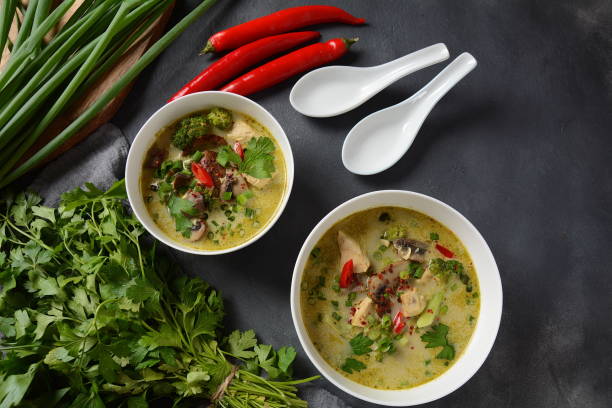
The addition of dairy or rich plant-based milks is a straightforward way to achieve creaminess. Thai Coconut Chicken Soup (Tom Kha Gai) gets its signature richness from full-fat coconut milk, which is balanced by the acidity of lime and the fragrance of galangal and lemongrass. For traditional chowders like New England Clam Chowder, heavy cream and milk create the classic thick body. However, introducing these ingredients requires care to prevent separation or curdling.
The Art of Tempering
A critical technique, especially for yogurt-based soups like Turkish Yayla Çorbası, is tempering. This process prevents the dairy from curdling when introduced to the hot soup. To temper, you slowly introduce a small amount of the hot broth into the yogurt (or egg-yolk mixture) while whisking constantly. This gradually raises the temperature of the dairy, allowing it to be incorporated smoothly into the main pot without shocking it and causing lumps.
Puréeing for a Velvety Texture
For vegetable-focused soups, puréeing is an excellent way to create a creamy texture without adding significant fat. Roasting vegetables like cauliflower, celery root, tomatoes, and red peppers before simmering them in broth intensifies their natural sugars and adds a smoky depth. Once the vegetables are tender, they can be blended until perfectly smooth using an immersion blender or a high-powered countertop blender. For an extra-silky finish, you can pass the puréed soup through a fine-mesh sieve.

Hearty & Wholesome Soups: Legumes, Grains, and Vegetables
Hearty soups are complete meals in a bowl, packed with nutritious ingredients like legumes, grains, and a bounty of vegetables. These soups are not only filling but also incredibly flavorful, drawing their substance and texture from the ingredients themselves. They are the cornerstones of many traditional cuisines, designed to provide sustenance and comfort.
Cooking with Lentils and Chickpeas
Legumes are powerhouses of nutrition and form the base of many robust soups. Moroccan Harira is a prime example, combining lamb with both lentils and chickpeas for a thick, stew-like consistency. When making lentil soup, using brown or green lentils will ensure they hold their shape, while red lentils will break down and naturally thicken the soup. A key tip for enhancing the flavor of any legume-based soup is to add a splash of acid, like lemon juice or vinegar, at the end of cooking. This brightens the earthy flavors of the beans.
Incorporating Grains for Body
Grains like rice, barley, and farro can add a wonderful chewy texture and substance to soups. Turkish Rice Grain Soup is a simple yet profoundly comforting dish that can be made in minutes. The starch from the rice helps to slightly thicken the broth, creating a satisfying consistency. When adding grains to soup, be mindful that they will absorb a significant amount of liquid. You may need to add more broth than the recipe initially calls for, especially if you plan on having leftovers, as the grains will continue to swell upon sitting.
Maximizing Vegetable Flavor
To create a truly memorable vegetable soup, like a Hearty Turkey and Vegetable Soup, the goal is to build layers of flavor. Instead of simply boiling vegetables in broth, take the time to sauté the aromatics—onions, carrots, celery, and garlic—until they are soft and fragrant. For vegetables like tomatoes, peppers, and cauliflower, roasting them beforehand will concentrate their flavors and add a delicious caramelized note. Don’t be afraid to use a wide variety of vegetables and fresh herbs to create a complex and vibrant final dish.

A Taste of Tradition: Exploring Global Soup Classics
Soup is a universal language, with each culture offering its own unique and cherished recipes. Exploring these global classics is like taking a culinary tour of the world, revealing time-honored techniques and flavor combinations that have been perfected over generations. These soups are often tied to tradition, celebration, and the comfort of home.
French Onion Soup: The Art of Caramelization
The magic of a true French Onion Soup lies in one core technique: the slow, patient caramelization of onions. This process cannot be rushed. Sliced onions are cooked over low heat for up to an hour, allowing their natural sugars to release and develop a deep, rich, sweet, and savory flavor. This onion base, deglazed with wine and simmered in a robust beef broth, is what makes the soup iconic. The final step of topping it with a crusty piece of bread and melted Gruyère cheese under a broiler creates an unforgettable textural contrast.
Moroccan Harira: A Symphony of Spices
Harira is a staple during the holy month of Ramadan in Morocco, known for its ability to warm and nourish after a day of fasting. It is a true symphony of flavors and textures, featuring a tomato base enriched with lamb, lentils, and chickpeas. What sets it apart is its unique spice blend, which often includes turmeric, cinnamon, ginger, and cumin. The soup is traditionally thickened with a “tadwira,” a slurry of flour and water, and finished with fresh cilantro and parsley, adding a final burst of freshness.
Turkish Tarhana: A Fermented Wonder
Tarhana is one of the world’s first instant soups, a testament to ancient food preservation techniques. It’s a dried, fermented mixture of grain (or flour) and yogurt, often combined with vegetables like tomatoes and peppers. This mixture is sun-dried and crumbled into a powder. To make the soup, the Tarhana powder is simply rehydrated with hot water or broth, creating a tangy, savory, and incredibly comforting soup in minutes. It’s a taste of history and a beloved staple in Turkish households.

Advanced Techniques and Finishing Touches
Once you’ve mastered the basics, it’s the final flourishes and advanced techniques that can transform a good soup into an exceptional one. These details involve balancing flavors, adding textural contrast, and ensuring a beautiful presentation. They are the small efforts that show a true understanding of culinary composition.
The Power of Toppings and Garnishes
A garnish is more than just decoration; it’s an integral part of the soup experience. For a dish like Chicken Tortilla Soup, the toppings are essential. Crispy tortilla strips, creamy avocado, fresh cilantro, a dollop of sour cream, and a squeeze of lime all contribute contrasting textures and flavors that complete the dish. Other powerful garnishes include:
- Herbed Oils: A drizzle of basil or chili oil can add a vibrant look and a concentrated burst of flavor.
- Toasted Nuts and Seeds: Toasted pumpkin seeds or slivered almonds can provide a welcome crunch to puréed soups.
- Croutons and Crisps: Homemade garlic croutons or crispy fried shallots add a savory, crunchy element.
- Fresh Herbs: A simple sprinkle of fresh parsley, dill, or chives right before serving can awaken the entire bowl with fresh, aromatic notes.
Balancing Flavors with Acidity
If your soup tastes flat or one-dimensional, it likely needs a touch of acid. Acidity cuts through richness, brightens earthy tones, and makes all the other flavors pop. A squeeze of fresh lemon or lime juice added at the very end of cooking can dramatically improve a soup. A small splash of vinegar—such as sherry, red wine, or apple cider vinegar—can also achieve this effect. This is a professional chef’s secret for creating a well-rounded and dynamic flavor profile.
Frequently Asked Questions (FAQ)
- Q1: How can I make my soups more flavorful without just adding more salt?
- Building flavor is about layering. Start by sautéing your aromatics (onions, garlic, celery, carrots) until they are soft and fragrant. Use a high-quality homemade stock instead of water. Incorporate umami-rich ingredients like tomato paste, mushrooms, or a dash of soy sauce. Finally, finish with fresh herbs and a squeeze of lemon juice or a splash of vinegar to brighten all the flavors.
- Q2: What is the best way to store and reheat leftover soup?
- Allow the soup to cool to room temperature before transferring it to airtight containers. Refrigerate for up to 3-4 days. For longer storage, most soups (except those with a lot of cream or potatoes, which can become grainy) freeze beautifully for up to 3 months. Reheat gently on the stovetop over medium-low heat, stirring occasionally. Avoid boiling, especially for creamy soups, as it can cause them to separate.
- Q3: How do I prevent my yogurt or dairy-based soup from curdling?
- The key is to temper the dairy. Whisk the yogurt, cream, or egg mixture in a separate bowl. Slowly ladle about a cup of the hot soup broth into the bowl while whisking continuously. This gently raises the temperature of the dairy. Once it’s warmed, you can slowly pour the tempered mixture back into the main pot of soup. Also, avoid boiling the soup after the dairy has been added.
- Q4: Can I make creamy soups without using any dairy?
- Absolutely. Full-fat coconut milk is an excellent substitute for heavy cream, providing richness and a silky texture. You can also create creaminess by blending in cooked potatoes, cashews (soaked in hot water first), or white beans. Another method is to simply purée a portion of the soup’s own vegetables and stir it back in to act as a natural thickener.
- Q5: What is the secret to a perfectly clear, beautiful broth?
- To achieve a clear broth or consommé, you must never let it come to a rolling boil. A vigorous boil emulsifies fats and proteins into the liquid, making it cloudy. Maintain a very gentle simmer and periodically skim any foam or impurities that rise to the surface with a fine-mesh skimmer or a large spoon. Straining the final stock through a cheesecloth-lined sieve will remove any remaining small particles.