A Culinary Journey: The Ultimate Guide to Global Soup Recipes
Soup is a universal language of comfort, a culinary tradition that spans every culture and continent. From rustic, hearty stews simmered for hours to light, refreshing broths that awaken the palate, a bowl of soup can nourish the body and soothe the soul. This comprehensive guide will take you on a journey across the globe, exploring the history, ingredients, and techniques behind some of the world’s most iconic and delicious soups. Whether you are a novice cook or an experienced chef, you will find inspiration and detailed instructions to recreate these timeless classics in your own kitchen.
We will delve into the rich, beefy depths of Eastern European Borscht, the elegant simplicity of French Onion soup, the vibrant and healthy flavors of the Mediterranean, and the creamy, comforting classics of America. Prepare to unlock the secrets of building complex flavors, mastering essential techniques, and understanding the cultural significance of each spoonful.
Hearty Classics: Meaty and Robust Soups
For many, the ultimate comfort food is a soup that is both a meal in itself and a warming embrace. These meaty, robust soups are packed with flavor, protein, and history, often serving as the centerpiece of a family meal. They are defined by their rich broths, tender meats, and hearty vegetables, simmered to perfection.
Eastern European Tomato Beef Borscht
Borscht is a quintessential Eastern European soup, most famously associated with Ukraine and Russia. Its most striking feature is its deep, vibrant red color, derived from its star ingredient: beets. Far from being a simple beet soup, authentic Borscht is a complex and savory dish, often containing tender chunks of beef, potatoes, carrots, and cabbage, all balanced by a touch of acidity from tomatoes or vinegar and often finished with a dollop of rich sour cream (smetana).
- Core Ingredients: Beef chuck (for stewing), beets, yellow onions, carrots, potatoes, cabbage, beef broth, canned tomatoes, and a touch of vinegar for brightness.
- The Technique: The process begins by searing the beef to develop a deep, caramelized flavor. Vegetables are then sautéed, with the beets often being pre-cooked or grated raw into the pot. The key is a long, slow simmer—at least 1.5 to 2 hours—which allows the beef to become fork-tender and the flavors to meld into a harmonious whole.
- Serving Suggestion: Serve hot, garnished with fresh dill and a generous spoonful of full-fat sour cream, which cuts through the richness and complements the earthy sweetness of the beets.
Turkish Meatball Soup (Sulu Köfte)
A beloved comfort food in Turkey, Sulu Köfte, or “juicy meatballs,” is a satisfying soup that features small, tender meatballs made from ground beef or lamb, simmered in a light tomato and red pepper broth. Often bulked up with rice or bulgur mixed into the meatballs and potatoes in the soup, it’s a complete and nourishing one-pot meal. The broth is typically flavored with dried mint and paprika, giving it a distinctively warm and aromatic profile.

European Comfort in a Bowl: Timeless Vegetable-Forward Soups
Europe is home to a vast repertoire of soups that celebrate the humble vegetable, transforming simple ingredients into dishes of incredible depth and elegance. These recipes have been passed down through generations, each telling a story of regional agriculture and culinary ingenuity.
Classic French Onion Soup
The epitome of bistro cooking, French Onion Soup is a masterclass in developing flavor. Its magic lies in the slow, patient caramelization of onions, a process that can take up to an hour but is absolutely essential for achieving the soup’s signature deep, sweet, and savory taste. This rich onion base is then deglazed with wine or brandy and simmered in a robust beef broth.
The Art of Caramelization
To achieve perfectly caramelized onions, you must cook them over low to medium-low heat, stirring occasionally. Do not rush this process. The onions will slowly release their sugars, turning from pungent and sharp to sweet and golden brown. This transformation is the foundational flavor of the entire dish. Once caramelized, the soup is ladled into oven-safe bowls, topped with a thick slice of crusty bread (a “crouton”), and generously covered with grated Gruyère or Comté cheese before being broiled until bubbly and golden.
Italian Vegetable Minestrone
Minestrone is not so much a strict recipe as it is a celebration of seasonal, fresh vegetables. This classic Italian soup is hearty, healthy, and endlessly adaptable. A true Minestrone starts with a soffritto—a gently cooked base of diced onion, carrot, and celery in olive oil. From there, you can add a wide variety of vegetables like potatoes, green beans, zucchini, and leafy greens. Canned tomatoes form the broth base, often enriched with beans (like cannellini or borlotti) and a small pasta shape, such as ditalini or small shells. For an extra layer of flavor, a Parmesan rind is often simmered in the broth and removed before serving.

Sun-Kissed Flavors: Vibrant Mediterranean Soups
The Mediterranean diet is renowned for its fresh ingredients and health benefits, and its soups are no exception. These dishes are often bright, zesty, and packed with nutrients from legumes, vegetables, and lean proteins, all tied together with the signature flavors of lemon, herbs, and quality olive oil.
Greek Chicken Lemon Soup (Avgolemono)
Avgolemono is a classic Greek soup with a unique and luxurious texture. Its name translates to “egg-lemon,” which describes the signature sauce used to thicken and flavor a simple chicken and rice (or orzo) soup. The process involves tempering a mixture of whisked eggs and fresh lemon juice with hot broth before stirring it back into the pot. This must be done carefully off the heat to prevent the eggs from scrambling. The result is a silky, creamy, and tangy soup that is both comforting and wonderfully refreshing. It’s a perfect remedy for a cold day or when you need a light yet satisfying meal.
Hearty Mediterranean Lentil Soup
Lentil soup is a staple across the Mediterranean and the Middle East. It’s an incredibly nutritious, affordable, and flavorful dish. Typically made with brown or green lentils, the soup builds its flavor on a base of sautéed onions, carrots, and celery. Spices like cumin and coriander add warmth and depth, while a vegetable or chicken broth serves as the cooking liquid. The key to a great lentil soup is to simmer it until the lentils are tender and have started to break down, naturally thickening the soup. A final squeeze of fresh lemon juice or a drizzle of olive oil just before serving brightens all the flavors.
Andalusian Tomato Gazpacho
Not all soups are served hot. Gazpacho, hailing from the Andalusia region of Spain, is a refreshing cold soup perfect for sweltering summer days. It’s a pure blend of raw vegetables, highlighting the peak-season flavors of ripe tomatoes, cucumbers, bell peppers, onions, and garlic. These ingredients are blended with good-quality olive oil, a splash of sherry vinegar, and a piece of stale bread to give it body. The result is a vibrant, zesty, and healthy soup that requires no cooking at all.

American Treasures: Creamy Chowders and Delights
American culinary history is rich with hearty, creamy soups known as chowders. Originally simple, one-pot meals made by fishermen, they have evolved into beloved regional specialties. These soups are characterized by their milk or cream base, chunky ingredients, and deeply comforting nature.
New England Clam Chowder
Perhaps the most famous American chowder, New England Clam Chowder is a thick, rich, and creamy soup from the northeastern coast. Its essential components are tender clams, salt pork or bacon, potatoes, and onions, all suspended in a milk or cream base. The process starts by rendering the fat from the salt pork, then sautéing the onions in it. Flour is often added to create a roux, which thickens the broth. The clam juice, milk, and diced potatoes are simmered until the potatoes are tender, with the chopped clams and cream added near the end to prevent them from becoming tough. It is traditionally served with oyster crackers.
Cream of Chicken and Corn Chowder
A heartland classic, this chowder combines the comforting flavors of chicken and sweet corn in a creamy, satisfying base. It often includes potatoes and celery to add substance and texture. The soup can be made with a rich chicken stock, thickened with a roux, and finished with heavy cream or milk for a velvety consistency. The sweetness of the corn kernels, which can be fresh, frozen, or canned, provides a beautiful contrast to the savory chicken and smoky bacon, which is often used as a flavor base and a garnish. This chowder is a perfect example of simple, wholesome ingredients coming together to create something truly delicious.

A Taste of Asia: The Art of Balanced Flavors
Asian soups are renowned for their intricate balance of flavors—salty, sweet, sour, spicy, and umami. They often feature complex broths, fresh herbs, and a wide array of textures. These soups are not just food; they are a complete sensory experience.
Chinese Hot and Sour Chicken Soup
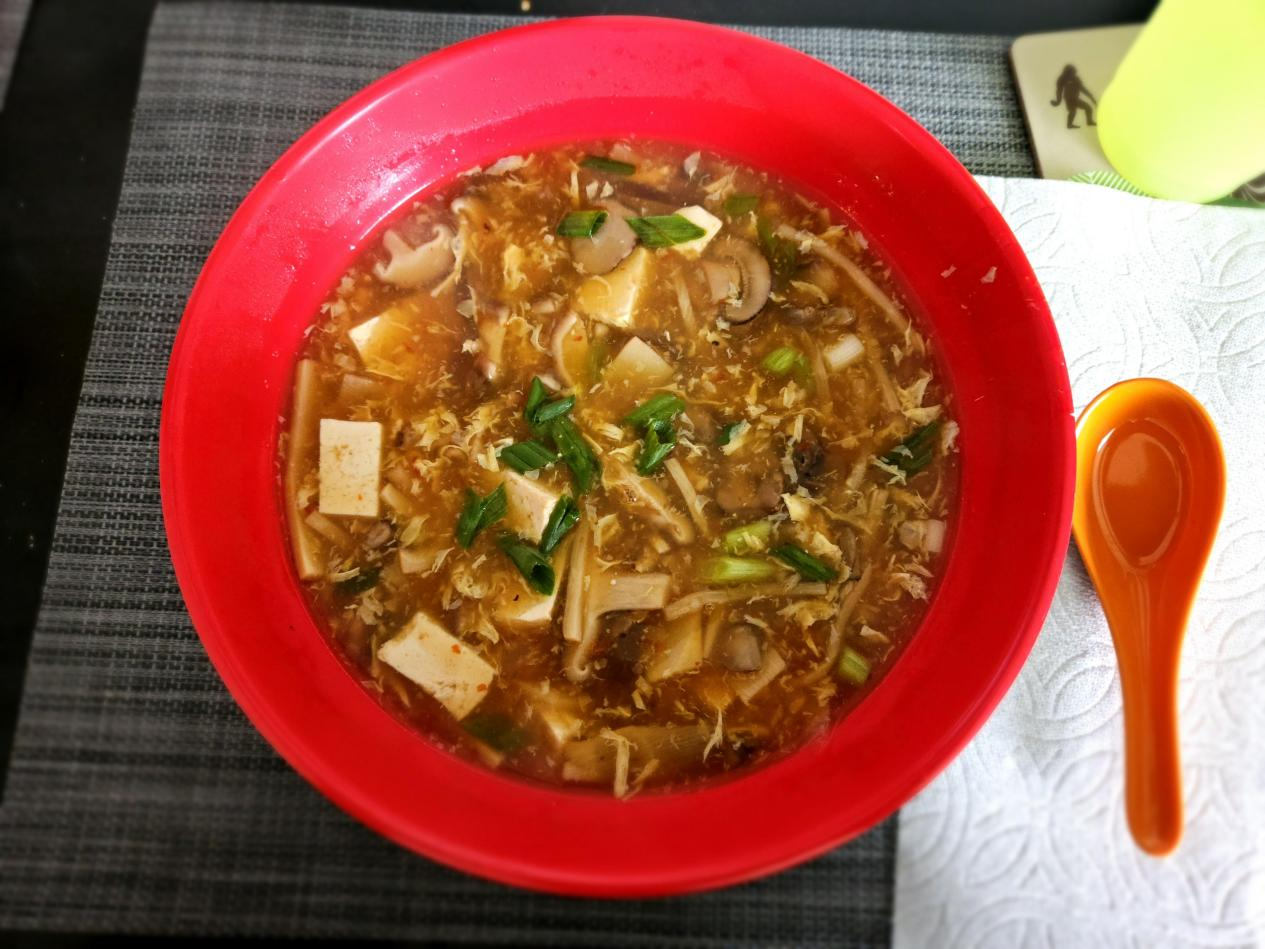
Hot and Sour Soup is a beloved staple of Sichuan and Beijing cuisine, known for its unique flavor profile that stimulates the entire palate. The “hot” comes from white pepper, which provides a lingering, aromatic heat, while the “sour” comes from black vinegar, which offers a deep, malty tang. The broth is typically a chicken or pork stock, filled with ingredients that provide contrasting textures, such as bamboo shoots, shiitake mushrooms, wood ear mushrooms, and firm tofu.
Creating the Signature Texture
One of the defining characteristics of this soup is its consistency. It is thickened with a cornstarch slurry to give it a satisfying body. Near the end of cooking, thin streams of beaten egg are slowly drizzled into the simmering soup, creating delicate “egg ribbons” or “egg flowers.” The addition of tender shredded chicken makes it a more substantial meal. This soup is a masterful exercise in balancing bold flavors and varied textures in a single, harmonious bowl.

Mastering the Fundamentals: Pro Tips for Any Soup
While every soup recipe is unique, certain fundamental techniques can elevate any soup you make from good to exceptional. Mastering these basics will give you the confidence to not only follow recipes but also to create your own signature soups.
Building a Flavorful Base
The foundation of almost any great soup is its aromatic base. This usually involves sweating or sautéing vegetables in fat to release their flavors before adding liquid.
- Mirepoix: The classic French base of diced onions, carrots, and celery (typically a 2:1:1 ratio) is the starting point for countless Western soups and stocks.
- Soffritto: The Italian version is similar but often cooked for longer in olive oil until the vegetables are very soft and sweet. It may also include garlic or parsley.
- Searing Meat: For meat-based soups like Borscht, always sear the meat in the pot first. The browned bits left on the bottom of the pot, known as fond, are packed with flavor that can be released by deglazing with a liquid like wine or broth.
The Importance of Good Stock
While water can be used, a high-quality stock or broth will make a world of difference. Homemade stock is always best, but quality store-bought options are a great time-saver. Always choose low-sodium versions to better control the final seasoning of your soup.
Seasoning in Layers
Do not wait until the end to season your soup. Add salt and other seasonings in stages throughout the cooking process. This allows the flavors to penetrate the ingredients more deeply. Taste the soup as you go and adjust. Remember that as soup simmers and reduces, the flavors will concentrate, so be cautious not to over-salt early on. A final touch of an acidic ingredient like lemon juice or vinegar right before serving can brighten and balance the entire dish.
Frequently Asked Questions (FAQ)
- Q1: How can I make my soups thicker without using flour or cornstarch?
- There are several natural ways to thicken a soup. You can add potatoes or other starchy vegetables, as they will release starches as they cook. For bean or lentil soups, simply simmering them longer will cause them to break down and thicken the soup naturally. Another great method is to remove a portion of the soup (about a cup or two), blend it until smooth, and then stir it back into the pot. This works wonderfully for vegetable and bean soups.
- Q2: What is the best way to store leftover soup?
- Allow the soup to cool down partially at room temperature before transferring it to airtight containers. Store it in the refrigerator for up to 3-4 days. For longer storage, most soups freeze very well. Pour cooled soup into freezer-safe containers or bags, leaving some space at the top for expansion. Soups with a broth or tomato base freeze better than cream- or milk-based soups, as dairy can sometimes separate upon reheating.
- Q3: My soup tastes bland. What can I do to fix it?
- If your soup is lacking flavor, there are several things you can add. First, check the seasoning and add more salt and pepper if needed. A squeeze of fresh lemon juice or a splash of vinegar can awaken dull flavors. Umami-rich ingredients like a dash of soy sauce, Worcestershire sauce, or a Parmesan rind can add savory depth. Finally, fresh herbs like parsley, dill, or cilantro stirred in at the very end can add a burst of freshness and aroma.
- Q4: Can I substitute dried herbs for fresh herbs in a soup recipe?
- Yes, you can, but you need to adjust the quantity. The general rule of thumb is to use one-third the amount of dried herbs as fresh herbs (e.g., 1 teaspoon dried for 1 tablespoon fresh). This is because dried herbs are more concentrated. It’s also best to add dried herbs earlier in the cooking process to give them time to rehydrate and release their flavor, while fresh herbs are often best added near the end for maximum aroma and brightness.