The Ultimate Guide to Crafting Perfect Homemade Bisque
Bisque is the epitome of luxurious, creamy soups, a culinary creation celebrated for its intense flavor and incredibly smooth, velvety texture. Traditionally a French soup based on a strained broth of crustaceans, the term has evolved to encompass a wide range of thick, creamy soups, often featuring puréed vegetables or fungi. This comprehensive guide will walk you through the fundamental principles and detailed steps required to master the art of bisque, whether you’re crafting a classic seafood version or a hearty vegetable-based delight. We will synthesize techniques from various recipes to provide a universal framework for creating restaurant-quality bisque in your own kitchen.
The core of any great bisque lies in its concentrated flavor profile and flawless consistency. This is achieved through a meticulous process of building an aromatic base, slowly simmering ingredients to extract maximum flavor, and careful blending and straining. Unlike a simple cream soup, a true bisque often involves a richer base, sometimes thickened with rice or a roux, and is always finished with a generous amount of heavy cream to achieve its signature richness. From selecting your core ingredients to the final garnish, every step is an opportunity to build depth and elegance.
The Foundational Elements of an Unforgettable Bisque
Before beginning the cooking process, it’s crucial to understand the key components that form the backbone of every great bisque. The quality and combination of these elements will directly impact the final taste and texture of your soup. A successful bisque is a symphony of well-balanced flavors and textures, starting with a carefully chosen foundation.
Choosing Your Main Ingredient: Vegetable vs. Seafood
The star of your bisque dictates its primary flavor profile. The preparation method will vary depending on your choice.
- Seafood: Traditionally, bisques are made with crustaceans like lobster, crab, shrimp, or crayfish. The shells are often used to create a deeply flavorful stock, which serves as the soup’s liquid base. The delicate meat is typically cooked separately and added towards the end to prevent it from becoming tough.
- Vegetables: Hearty vegetables with a naturally creamy texture when cooked are excellent choices. Pumpkin, butternut squash, tomatoes, and mushrooms are popular options. Roasting vegetables like pumpkin beforehand can caramelize their natural sugars and add an incredible depth of flavor that simple simmering cannot achieve. For mushrooms, a thorough sauté is key to developing their earthy, umami notes.
Building the Aromatic Base
The aromatic base, or mirepoix, is the first layer of flavor. This is a non-negotiable step for a complex and savory soup. While a classic mirepoix consists of diced onions, carrots, and celery, bisques often feature a more tailored selection of aromatics to complement the main ingredient.
- Shallots and Garlic: These provide a milder, more refined flavor than onions and are perfect for delicate bisques. Sauté them in butter until they are soft and translucent, but not browned.
- Fennel: With its subtle anise flavor, fennel pairs exceptionally well with seafood and tomato-based bisques, adding a layer of fresh complexity.
- Leeks: The white and light green parts of leeks offer a gentle, sweet onion flavor that enhances both vegetable and seafood varieties.
The Importance of High-Quality Liquid
The liquid you use for simmering is just as important as the main ingredient. It should be rich and flavorful on its own. Generic, watered-down broths will result in a bland final product.
- Seafood Stock: For any crustacean-based bisque, using a homemade or high-quality store-bought seafood stock is essential. This is often made by simmering the shells with aromatics.
- Vegetable Broth: A robust vegetable broth is the perfect choice for pumpkin, mushroom, or tomato bisques.
- Deglazing Liquids: Using a splash of dry white wine, brandy, or dry sherry to deglaze the pan after sautéing the aromatics adds a significant boost of flavor and acidity, cutting through the richness of the cream.
Achieving Silky Smoothness: The Role of Cream and Fat
The hallmark of a bisque is its luxurious, velvety mouthfeel. This is achieved through the careful incorporation of fat, primarily heavy cream. The cream is almost always stirred in at the very end of the cooking process, off the heat, to prevent it from curdling. The fat in the cream not only adds richness but also smooths out the texture and melds the flavors together.

Mastering the Bisque-Making Process: A Step-by-Step Guide
While recipes may vary, the fundamental technique for making bisque follows a consistent and logical progression. By mastering these core steps, you can adapt the process to a wide variety of ingredients and create your own signature bisques.
Step 1: Preparing and Cooking Your Core Ingredients
The initial preparation of your main ingredient is key to unlocking its full flavor potential. For a Spicy Pumpkin Bisque, this involves roasting. Cut a small sugar pumpkin in half, scoop out the seeds, and roast it cut-side down at 400°F (200°C) for 45-60 minutes until tender. This caramelizes the flesh, creating a much deeper flavor than boiling. For a Mushroom Bisque, you would start by sautéing sliced cremini and shiitake mushrooms in butter until they have released their moisture and are well-browned, a process that can take 10-15 minutes but builds an essential umami foundation.
Step 2: Sautéing Aromatics and Deglazing
In a heavy-bottomed pot or Dutch oven, melt butter over medium heat. Add your chosen aromatics—such as diced shallots, garlic, and fennel—and cook until softened, typically for 5-7 minutes. Be careful not to let them brown, as this can introduce bitter notes. Once the aromatics are fragrant, pour in a deglazing liquid like dry sherry or white wine. Scrape the bottom of the pot with a wooden spoon to lift all the flavorful browned bits (the “fond”) into the liquid. Let it simmer until the liquid has reduced by about half.
Step 3: Simmering for Flavor Infusion
Add your cooked main ingredient (the roasted pumpkin flesh or sautéed mushrooms) to the pot along with your primary liquid, such as vegetable or seafood stock. Add any herbs, like fresh thyme sprigs or a bay leaf, and seasonings like salt, pepper, and a pinch of cayenne or nutmeg. Bring the mixture to a gentle boil, then reduce the heat to low, cover, and let it simmer for at least 20-30 minutes. This step allows all the flavors to meld together into a cohesive and complex base.
Step 4: The Art of Blending for a Velvety Texture
This is the most critical step for achieving the signature bisque texture. You must purée the soup until it is perfectly smooth. An immersion blender can be used directly in the pot for convenience. For the absolute smoothest result, however, a high-powered countertop blender is superior. Work in batches, filling the blender no more than halfway to prevent hot liquid from expanding and causing injury. Blend each batch for 1-2 minutes until completely silky. For an even more refined texture, you can pass the puréed soup through a fine-mesh sieve to remove any remaining fibrous bits.
Step 5: Finishing with Cream and Final Seasoning
Return the puréed soup to the clean pot over low heat. Slowly stir in the heavy cream. It’s crucial not to let the soup boil after adding the cream, as this can cause it to separate or curdle. Gently heat the bisque until it is warmed through. Now is the time for final tasting and seasoning adjustments. Add salt and pepper as needed. For seafood bisques, this is also when you would gently fold in the cooked crabmeat or shrimp, warming it for just a minute or two before serving.

Recipe Variations: From Classic Seafood to Earthy Vegetable
The universal bisque method can be adapted to showcase a variety of star ingredients. By swapping out the main component, aromatics, and liquids, you can create an endless array of delicious, creamy soups. Here are a few detailed examples based on the core technique.
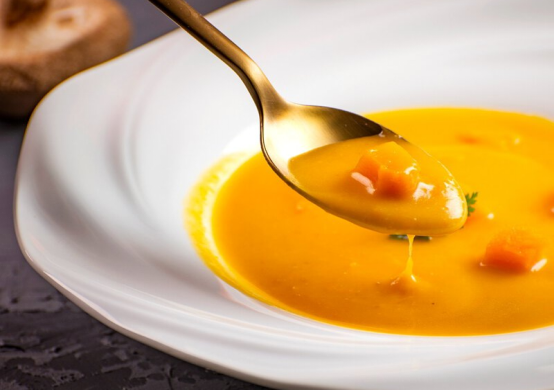
Example 1: Rich and Spicy Pumpkin Bisque
This variation is perfect for autumn and highlights the sweet, earthy flavor of roasted pumpkin with a gentle, warming spice. It’s a vegetarian-friendly option that is both comforting and elegant.
- Main Ingredient: 1 small (2-3 lb) sugar pumpkin, roasted and flesh scooped out.
- Aromatics: 1 large shallot, chopped; 2 cloves garlic, minced.
- Liquid: 4 cups high-quality vegetable broth.
- Spices: 1/4 teaspoon freshly grated nutmeg, 1/8 teaspoon cayenne pepper (or to taste).
- Finishing Touches: 3/4 cup heavy cream, salt, and black pepper. Garnish with toasted pumpkin seeds and a drizzle of olive oil.
Example 2: Elegant Tomato, Fennel, and Crab Bisque
This bisque is a sophisticated seafood delight, combining the bright acidity of tomatoes with the unique flavor of fennel and the sweetness of fresh crab meat. It’s a perfect starter for a special occasion dinner.
- Main Ingredient: 8 oz fresh lump crabmeat, picked over for shells.
- Aromatics: 1 small fennel bulb, chopped; 1 yellow onion, chopped; 2 cloves garlic, minced.
- Liquid: 1 (28 oz) can of San Marzano tomatoes, undrained; 4 cups seafood stock.
- Deglazing Liquid: 1/4 cup brandy or dry white wine.
- Finishing Touches: 1 cup heavy cream, 2 tablespoons chopped fresh tarragon. The crabmeat is gently folded in at the very end.
Example 3: Hearty and Creamy Mushroom Bisque
This recipe transforms the humble mushroom into a deeply savory and satisfying soup. The key is to develop a deep brown color on the mushrooms to build a rich, umami-packed base.
- Main Ingredient: 1.5 lbs mixed mushrooms (cremini, shiitake, oyster), sliced.
- Aromatics: 2 large shallots, minced; 3 cloves garlic, minced.
- Liquid: 4 cups vegetable or chicken broth.
- Deglazing Liquid: 1/2 cup dry sherry.
- Finishing Touches: 1 cup heavy cream, 1 tablespoon fresh thyme leaves. Garnish with sautéed mushrooms and fresh parsley.

Advanced Techniques and Pro Tips for a Flawless Finish
Once you’ve mastered the basic process, a few professional tips can elevate your bisque from great to truly exceptional. These details focus on texture, flavor balance, and presentation, ensuring a perfect result every time.
Garnishing Like a Pro
A garnish is not just for decoration; it should add a complementary texture and flavor. Think beyond a simple sprig of parsley. A well-chosen garnish can complete the soup.
- For Texture: Add a contrasting crunch with homemade croutons, toasted nuts (like pumpkin seeds or almonds), or crispy fried shallots.
- For Richness: A drizzle of high-quality extra virgin olive oil, chili oil, or herb-infused oil adds a final layer of flavor and visual appeal. A dollop of crème fraîche can also add a pleasant tang.
- For Freshness: Finely chopped fresh herbs like chives, tarragon, or dill can brighten up the rich soup.
Adjusting Consistency and Richness
The perfect consistency is a matter of personal preference. If your bisque is too thick after blending, you can thin it out with a little extra broth or cream until it reaches your desired texture. If it’s too thin, you can let it simmer gently (before adding the cream) to allow some of the liquid to evaporate and concentrate the flavors. Be careful not to reduce it too much. For extra richness without adding more cream, you can whisk in a tablespoon of cold butter at the very end, a technique known as monter au beurre.
Storage and Reheating Best Practices
Bisques, especially those made with dairy, require careful storage and reheating. Let the soup cool completely before transferring it to an airtight container. It can be refrigerated for up to 3-4 days. When reheating, do so gently over low heat in a saucepan. Do not boil the bisque, as this can cause the cream to separate and ruin the smooth texture. Stir frequently until it is just heated through. Freezing is possible but can sometimes affect the texture of the cream; if you plan to freeze, it’s often best to do so before adding the cream and then stir it in during the reheating process.
Frequently Asked Questions (FAQ)
- Q1: What is the main difference between a bisque and a regular cream soup?
- A1: The primary difference lies in their origins and preparation. A traditional bisque is a French soup made from crustaceans, where the shells are used to make a flavorful stock. The term now includes many vegetable soups, but they all share a characteristic of being puréed to a silky-smooth texture and finished with heavy cream. Cream soups can be chunkier and might not be puréed as finely, and while they contain cream, they don’t necessarily follow the same meticulous flavor-building and straining process as a classic bisque.
- Q2: Can I make a bisque dairy-free or vegan?
- A2: Yes, you can create a delicious dairy-free bisque. To replace the butter for sautéing, use a high-quality olive oil or a vegan butter substitute. For the finishing cream, full-fat coconut milk or a cashew cream (made by blending soaked raw cashews with water) are excellent alternatives. Coconut milk works particularly well with flavors like pumpkin or tomato, while cashew cream provides a more neutral richness.
- Q3: How do I get my bisque perfectly smooth without a high-powered blender?
- A3: If you don’t have a high-powered blender, you can still achieve a very smooth texture with an extra step. After puréeing the soup as best you can with an immersion blender or a standard blender, pour the soup in batches through a fine-mesh sieve or a chinois. Use the back of a ladle to press the liquid through the sieve, leaving any coarse or fibrous material behind. This straining process is a classic French technique that guarantees a velvety finish.
- Q4: What is the best way to add seafood to a bisque without overcooking it?
- A4: Delicate seafood like crabmeat, shrimp, or lobster meat should be added at the very end of the cooking process. The seafood should already be cooked or require very little cooking time. After you have finished the bisque with cream and have it at a gentle, non-boiling temperature, simply fold in the seafood. The residual heat of the soup is more than enough to warm it through in 1-2 minutes without making it tough or rubbery.
- Q5: Can I freeze homemade bisque for later?
- A5: You can freeze bisque, but dairy can sometimes separate or become grainy upon thawing. For the best results, prepare the soup up to the point just before you add the heavy cream. Let this soup base cool completely, then freeze it in an airtight container for up to 3 months. When you’re ready to serve, thaw the base in the refrigerator overnight, then reheat it gently on the stovetop. Once it’s warm, stir in the heavy cream and season to taste.