
The Heart of Africa’s Harvest: Unveiling Uganda’s Banana Kingdom & Baobab’s Ancient Secrets
Uganda’s Banana Kingdom: A Staple Beyond Sustenance
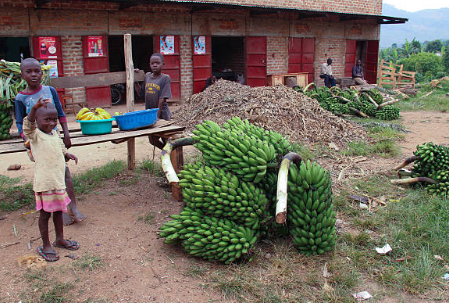
In the heart of East Africa lies Uganda, a nation affectionately known as the “Pearl of Africa,” where the banana is not merely a fruit but a foundational pillar of daily life, culture, and economy. Unlike many other nations where bananas are primarily consumed as a sweet snack, in Uganda, they are a staple food, comparable to potatoes or rice in other parts of the world. This deep integration means understanding Uganda often requires understanding its profound relationship with the banana, which permeates everything from cuisine to social rituals and economic stability. The sheer volume of banana production and consumption underscores its irreplaceable role, with per capita consumption among the highest globally, often exceeding 200 kg per year for many Ugandans.
The Matooke Phenomenon: More Than Just a Fruit
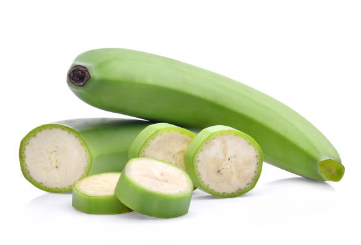
Among the myriad varieties of bananas cultivated in Uganda, Matooke (a starchy, green cooking banana) stands supreme. It is the culinary cornerstone, traditionally steamed and mashed into a soft, savory dish often served with stews or sauces. The preparation of Matooke is an art form, passed down through generations. Farmers cultivate specific varieties optimized for cooking, harvesting them while still green and firm. The intricate process involves peeling the green bananas, wrapping them in banana leaves, and steaming them for hours over a pot of boiling water, often placed on a bed of banana stems. This method not only cooks the Matooke but also infuses it with a unique aroma and tender texture, making it a beloved comfort food and a central feature of almost every meal.
- Cultivation Practices: Ugandan farmers predominantly use traditional, small-scale farming methods, often intercropping bananas with other crops like coffee, beans, or cassava. This sustainable approach helps maintain soil fertility and provides dietary diversity. Specific regions like Buganda and Busoga are renowned for their extensive banana plantations.
- Cultural Rituals: Matooke is indispensable in Ugandan celebrations and ceremonies, from weddings and funerals to everyday family gatherings. Its presence on the table signifies hospitality and abundance. It is not uncommon for families to grow several varieties of bananas for different uses, including brewing local beer.
- Statistical Significance: Uganda is one of the world’s leading banana producers, with estimates suggesting annual production in the range of 9-10 million metric tons. A significant portion of this production, particularly Matooke, is consumed domestically, highlighting its critical role in national food security rather than just export.
Economic Backbone and Social Fabric
The banana industry in Uganda extends far beyond mere subsistence farming; it forms a critical component of the national economy and social structure. For millions of Ugandans, particularly in rural areas, banana cultivation is the primary source of income, providing livelihoods for smallholder farmers and contributing significantly to agricultural GDP. The market for bananas is robust and localized, with bustling markets in urban centers like Kampala showcasing the constant flow of this essential commodity from farm to table. The trade creates a vast network of transporters, vendors, and processors, supporting countless families.
- Household Income: Banana sales provide consistent revenue for farming households, enabling them to fund education, healthcare, and other necessities. This economic stability is crucial in a region where alternative income sources can be scarce.
- Trade and Infrastructure: The demand for bananas drives local transportation networks, with trucks and motorcycles constantly moving produce from rural farms to urban markets. This informal economy is a vibrant and essential part of Uganda’s commercial landscape.
- Banana-Related Industries: Beyond direct consumption, bananas are processed into various products. Banana beer (Waragi), banana gin, and banana flour are traditional and increasingly commercialized goods, adding value to the crop and diversifying economic opportunities. The leaves are used for wrapping and serving food, and the stems for mulching and crafts, demonstrating the plant’s holistic utility.
Varieties and Culinary Versatility
While Matooke dominates, Uganda’s banana diversity is remarkable. The country cultivates numerous types, each with distinct flavors, textures, and uses. This rich variety allows for a wide array of culinary creations, catering to different tastes and occasions. From sweet dessert bananas to those used specifically for brewing, the banana plant’s adaptability is fully embraced by Ugandan cuisine.
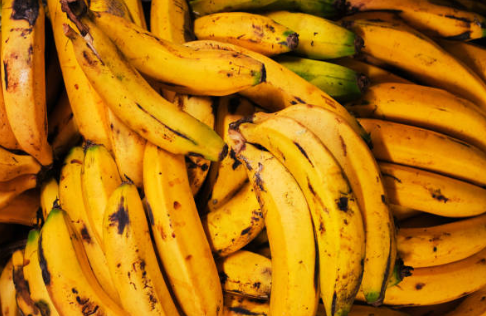
- Dessert Bananas: Sweet, ripe bananas are enjoyed as snacks or used in desserts, similar to those found globally. These provide a natural sugar source and are popular with children.
- Brewing Bananas: Specific, often very ripe, varieties are fermented to produce local alcoholic beverages like Kwete or Omubisi (a sweet, non-alcoholic juice). The fermentation process is a traditional skill, often involving unique local yeasts and methods.
- Banana Flour: Green bananas can be dried and ground into flour, offering a gluten-free alternative for baking and thickening stews. This innovation also helps reduce post-harvest losses and provides a longer-lasting product.
The Baobab: Africa’s Ancient “Tree of Life”
Shifting focus from a staple fruit to a revered superfood, we encounter the majestic Baobab tree (Adansonia digitata), an iconic symbol of the African savanna. Known as the “Tree of Life” or “Upside-Down Tree” due to its distinctive appearance, the baobab is not just a botanical marvel but a cornerstone of ecosystems and human life across many parts of Africa. Its colossal trunk, sprawling branches, and incredible longevity—some specimens are thousands of years old—make it a living legend, deeply embedded in the continent’s history, folklore, and nutritional landscape. Every part of the baobab, from its roots to its fruit, offers sustenance, medicine, or shelter.
Unraveling the Baobab’s Mystique
The baobab tree’s unique morphology and extreme resilience contribute to its legendary status. It can store vast amounts of water in its fibrous trunk, allowing it to survive harsh drought conditions. This adaptation makes it a vital water source for animals and humans in arid regions. Its distinctive silhouette, with branches resembling roots reaching skyward, has inspired numerous myths and legends across different African cultures, often portraying it as a sacred tree with healing powers or as a place where spirits reside.
- Botanical Description: Baobabs are deciduous trees that can grow up to 30 meters tall with trunks reaching diameters of 11 meters or more. They are characterized by their smooth bark, which can range from reddish-brown to grey, and their large, white, nocturnal flowers that are pollinated by bats and moths.
- Longevity and Resilience: Carbon dating has revealed that some baobab trees are over 2,000 years old, making them some of the oldest living angiosperms on Earth. Their ability to withstand extreme climates and provide resources makes them ecological anchors in their habitats.
- Mythology and Folklore: In many African traditions, the baobab is considered a sacred tree, a symbol of life, fertility, and wisdom. Legends tell of gods planting the tree upside down, or of its ability to grant wishes. Its hollow trunks have historically served as shelters, meeting places, and even prisons, further cementing its place in human history.
The Nutritional Powerhouse: Baobab Fruit
The baobab fruit, encased in a hard, woody shell, is perhaps the tree’s most prized offering. Inside, the pulp naturally dries while still on the branch, forming a powdery substance that is rich in an extraordinary array of nutrients. This natural dehydration process means the fruit can be harvested and consumed directly, without any processing, making it a truly raw and potent superfood. Its tangy, citrus-like flavor makes it a versatile ingredient in both traditional and modern culinary applications.
- Vitamin C Content: Baobab fruit pulp is exceptionally high in Vitamin C, often cited as having up to six times more than oranges per 100g. This makes it a powerful immune booster and antioxidant.
- Fiber Rich: It is also an excellent source of dietary fiber, contributing significantly to digestive health and satiety. The high fiber content aids in blood sugar regulation and gut microbiome support.
- Minerals and Antioxidants: Beyond Vitamin C, baobab fruit is packed with essential minerals such as potassium, calcium, magnesium, and iron. It also contains a wide spectrum of antioxidants, including polyphenols and flavonoids, which combat oxidative stress and inflammation in the body.
To illustrate its nutritional prowess, consider this comparison:
| Nutrient (per 100g) | Baobab Fruit Pulp | Orange | Spinach |
|---|---|---|---|
| Vitamin C | ~280-300 mg | ~53 mg | ~28 mg |
| Fiber | ~44 g | ~2.4 g | ~2.2 g |
| Calcium | ~295 mg | ~40 mg | ~99 mg |
| Potassium | ~2,100 mg | ~181 mg | ~558 mg |
| Antioxidant Capacity (ORAC) | High (varies) | Moderate | Moderate |
(Note: Nutritional values can vary based on growing conditions and specific varieties, but the general trend indicates baobab’s superior nutrient density.)
Traditional Uses and Modern Applications
For centuries, African communities have utilized every part of the baobab tree for food, medicine, and practical purposes. This holistic use underscores its status as the “Tree of Life.” In contemporary times, the baobab fruit, particularly its pulp powder, has gained global recognition as a superfood, leading to increased demand and new applications.
- Traditional Food Uses: The leaves are eaten fresh or dried, similar to spinach. The seeds can be roasted and consumed or pressed for oil. The fruit pulp is mixed with water to create refreshing drinks, or used as a thickening agent in porridges and sauces.
- Traditional Medicinal Uses: Various parts of the tree have been used to treat fevers, malaria, diarrhea, dysentery, and skin conditions. The high Vitamin C content makes the fruit pulp a natural remedy for colds and infections.
- Modern Culinary Applications: Baobab powder is now a popular ingredient in smoothies, juices, yogurts, cereals, and baked goods in Western markets. Its tangy flavor enhances a variety of dishes, while its nutritional profile boosts their health benefits.
- Cosmetic and Industrial Uses: Baobab oil, extracted from the seeds, is prized in the cosmetic industry for its moisturizing and regenerative properties, used in skincare and hair products. The bark is used for making ropes, mats, and paper.
Cultivation, Sustainability, and Global Impact
The cultivation of both bananas in Uganda and baobabs across Africa presents unique challenges and opportunities related to sustainability, environmental conservation, and equitable global trade. Ensuring the long-term viability of these vital crops requires careful consideration of ecological practices, climate resilience, and fair economic models that benefit local communities.
Sustainable Practices in Banana Farming
Uganda’s banana farming, while largely traditional, faces increasing pressures from climate change, pests, and soil degradation. Sustainable practices are crucial to maintain productivity and protect the environment. Many farmers are adopting improved techniques, often with support from agricultural organizations, to enhance yields while minimizing ecological footprints.
- Challenges: Banana Bacterial Wilt (BBW) and Black Sigatoka disease pose significant threats, leading to substantial crop losses. Climate change, with its unpredictable rainfall patterns and increased droughts, further exacerbates these challenges, impacting food security.
- Innovations: Research institutions are developing disease-resistant banana varieties through conventional breeding and biotechnology. Farmers are also being educated on better soil management, mulching techniques (often using banana waste), and organic pest control to reduce reliance on chemical inputs.
- Conservation Efforts: Efforts are underway to conserve the genetic diversity of Ugandan banana varieties, including wild relatives, which are crucial for future breeding programs and resilience against new threats. Agroforestry practices, integrating trees with banana cultivation, are also promoted to improve soil health and biodiversity.
Protecting the Baobab’s Legacy
The baobab tree, with its incredible longevity and ecological importance, is facing threats from habitat loss, climate change, and unsustainable harvesting practices, particularly as global demand for its fruit increases. Protecting these ancient trees and ensuring sustainable sourcing of their products is paramount.
- Conservation Status: While the baobab as a species is not globally endangered, some localized populations are under pressure. The increasing frequency of extreme weather events, including droughts and floods, can impact the health and survival of individual trees, especially saplings.
- Ethical Sourcing and Fair Trade: As baobab products gain international popularity, there is a growing emphasis on ethical sourcing. Fair trade initiatives ensure that local communities, who often wild-harvest the fruit, receive fair compensation for their efforts. This model helps empower rural economies and incentivizes sustainable harvesting practices, preventing over-exploitation.
- Community Involvement: Many conservation projects involve local communities in planting new baobab trees, managing existing stands, and educating about their ecological and economic value. This participatory approach fosters a sense of ownership and ensures long-term protection.
Integrating African Superfoods into a Global Diet
The global culinary landscape is constantly evolving, with increasing interest in diverse, nutritious, and culturally rich foods. Ugandan bananas and African baobab fruit represent prime examples of how traditional African produce can offer significant health benefits and unique flavors, enriching diets worldwide. Their integration into global cuisine not only promotes healthier eating habits but also fosters appreciation for African agricultural heritage and supports the economies of producing regions.
Culinary Inspiration with Bananas and Baobab
Both bananas and baobab offer incredible versatility in the kitchen, appealing to a wide range of palates and dietary preferences. From hearty traditional meals to innovative modern dishes, their potential is immense.
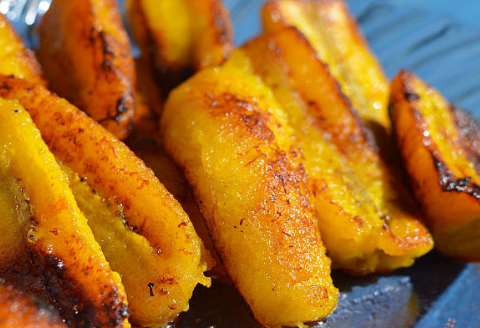
- Matooke Dishes: While traditionally steamed, Matooke can also be fried, roasted, or used in savory stews. Its neutral, starchy base makes it an excellent accompaniment to flavorful curries, peanut sauces, or grilled meats. Experimenting with different spices can transform this humble staple into an exotic culinary experience.
- Baobab Smoothies and Juices: The tangy, citrusy flavor of baobab powder makes it an ideal addition to fruit smoothies, providing a powerful Vitamin C boost. It can also be mixed with water to create a refreshing, electrolyte-rich drink, perfect for post-workout recovery or a hot day.
- Innovative Baking: Baobab powder can be incorporated into muffins, bread, energy bars, and even raw desserts, adding a nutrient punch and a subtle zesty note. Banana flour, on the other hand, offers a gluten-free option for pancakes, cakes, and thickening gravies, providing a distinct earthy flavor.
The Future of African Produce
The growing global awareness of superfoods and sustainable agriculture presents a significant opportunity for other African produce to gain international recognition. By highlighting the unique nutritional profiles, cultural significance, and economic benefits of crops like Ugandan bananas and baobab, a pathway is paved for broader market expansion and investment in African agriculture.
- Market Expansion: Increased demand for these products can lead to greater export opportunities, generating foreign exchange earnings and supporting agricultural development in African nations. This requires investment in processing, packaging, and logistics to meet international standards.
- Awareness and Education: Educating consumers globally about the health benefits and culinary versatility of African produce is key to driving demand. Storytelling around the origins, traditional uses, and cultural importance can create deeper connections with consumers.
- Potential for Other African Crops: The success of baobab and, in its own way, the global presence of dessert bananas, can serve as a blueprint for introducing other indigenous African superfoods—such as moringa, fonio, or African yam bean—to the global market, diversifying food systems and promoting nutritional security.
Conclusion
Uganda’s banana kingdom and the enigmatic baobab fruit stand as powerful testaments to Africa’s profound agricultural heritage and its enduring contribution to global food systems. From the life-sustaining Matooke that forms the very soul of Uganda to the nutrient-dense baobab, revered as the “Tree of Life,” these natural wonders offer far more than mere sustenance. They embody rich cultural traditions, drive local economies, and provide exceptional nutritional benefits that are increasingly sought after worldwide. As we continue to explore and appreciate these unique superfoods, we not only enrich our palates and improve our health but also foster sustainable development and celebrate the vibrant biodiversity that Africa so generously shares with the world.
Frequently Asked Questions (FAQ)
- Q1: Why is the banana so important to Uganda?
- The banana is Uganda’s primary staple food, particularly the Matooke variety, providing the main source of calories for millions. It is deeply integrated into the country’s culture, economy, and social life, serving as a key source of income for farmers, a central component of traditional meals, and a symbol of hospitality and abundance in ceremonies and daily life. Uganda is one of the world’s largest banana producers, with most of its yield consumed domestically.
- Q2: What makes baobab fruit a “superfood”?
- Baobab fruit is considered a superfood due to its exceptionally high nutritional content. It is remarkably rich in Vitamin C (up to six times that of oranges), dietary fiber, and essential minerals like calcium, potassium, and magnesium. It also boasts a high concentration of antioxidants. These properties contribute to improved immunity, digestive health, and overall well-being, making it a powerful natural supplement.
- Q3: How is Matooke traditionally prepared in Uganda?
- Matooke is traditionally prepared by peeling green, starchy bananas, wrapping them in fresh banana leaves, and then steaming them for several hours over a pot of boiling water. Often, banana stems are placed at the bottom of the pot to create a natural steaming rack. Once cooked, the Matooke is mashed while still wrapped in the leaves, resulting in a soft, savory, and slightly sticky dish that is typically served with a stew or sauce.
- Q4: Can baobab powder be easily incorporated into a modern diet?
- Yes, baobab powder is highly versatile and can be easily integrated into a modern diet. Its tangy, citrusy flavor makes it an excellent addition to smoothies, yogurts, juices, and cereals. It can also be used in baking to enhance muffins, energy bars, or bread, providing a nutritional boost without significantly altering the taste profile of the dish. It’s a convenient way to increase fiber, Vitamin C, and antioxidant intake.
- Q5: What are the sustainability concerns related to baobab harvesting?
- While baobab trees are generally resilient, concerns include habitat loss due to development, the impact of climate change on tree health and fruit yield, and ensuring sustainable harvesting practices as global demand for baobab products grows. Ethical sourcing and fair trade initiatives are crucial to ensure that local communities benefit equitably from the trade and are incentivized to protect these ancient trees, preventing over-exploitation and promoting long-term conservation.
- 0
- By finet52
- April 17, 2026 12:31 PM