

A Guide to Traditional African Beverages: Culture in a Cup
Across the vast and diverse continent of Africa, beverages are far more than a means to quench thirst. They are the lifeblood of ceremonies, the cornerstone of hospitality, and a liquid narrative of history and tradition. From the aromatic steam of Moroccan mint tea to the sacred grounds of an Ethiopian coffee ceremony, each cup tells a story of community, spirituality, and cultural identity. These drinks are not merely consumed; they are experienced, shared, and revered. This guide delves into the rich tapestry of Africa’s most iconic beverages, exploring the intricate rituals, unique ingredients, and profound social roles they play in daily life.
The Art of Hospitality: Moroccan Mint Tea (Atay)
In Morocco, mint tea, known as Atay, is the undisputed symbol of social life and hospitality. It is not just a popular drink but an art form and a ceremony that punctuates the day. Being offered tea is a sign of welcome and friendship, and refusing it is considered a significant social slight. The preparation and serving of Atay are steeped in tradition, often performed by the head of the household with great care and precision.
A Symbol of Welcome and Tradition
The cultural significance of Moroccan mint tea cannot be overstated. It is the first thing offered to a guest in a home, a crucial element in business negotiations, and a constant presence in social gatherings. The ritual of its preparation is a performance, showcasing respect and generosity towards the recipient. This tradition is a cornerstone of Moroccan identity, embodying the values of community and shared moments.
The Core Ingredients: A Simple Yet Perfect Blend
The magic of Atay lies in its simple but carefully selected ingredients. The quality of each component is paramount to achieving the perfect balance of flavor and aroma.
- Gunpowder Green Tea: This Chinese green tea forms the strong, robust base of the drink. Its tightly rolled leaves unfurl during brewing, releasing a bold flavor.
- Fresh Mint Leaves: Generous bunches of spearmint (nana mint) are used, providing the tea’s signature refreshing and aromatic character.
- Sugar: Traditionally, a significant amount of sugar is used, often in the form of a sugar cone or block, to sweeten the tea. The level of sweetness can be adjusted, but a sweet tea is a sign of generosity.
The Theatrical Preparation and Serving Ritual
Preparing Atay is a methodical process. First, the gunpowder tea is “cleaned” by swishing it with a small amount of boiling water that is then discarded to remove bitterness. The tea is then brewed in a traditional metal teapot, or berrad. After infusing, the fresh mint and sugar are added. The final, and most iconic, step is the pour. The host pours the tea from a great height into small, ornate glasses. This theatrical pour is not just for show; it aerates the tea, creating a delicate foam on top known as the “crown” or “turban,” which is highly desirable.

The Spiritual Brew: The Ethiopian Coffee Ceremony (Buna)
Ethiopia is widely regarded as the birthplace of coffee, and the beverage holds a central, almost sacred, place in its culture. The Ethiopian coffee ceremony, or Buna, is a complex, spiritual ritual that is a core part of the nation’s social fabric. It is a daily event in many households, a primary vehicle for social interaction, and a profound expression of respect and friendship for honored guests.
From Dancing Goats to Global Staple: The Legend of Kaldi
The origin of coffee is tied to the famous Ethiopian legend of Kaldi, a 9th-century goat herder. He noticed his goats became incredibly energetic after eating the red berries from a particular shrub. After trying the berries himself and feeling their stimulating effects, he brought them to a local monastery. The monks, initially disapproving, threw the beans into a fire. The resulting aromatic scent of roasting coffee was so enticing that they raked the beans from the embers, ground them up, and dissolved them in hot water, creating the world’s first cup of coffee. This discovery helped them stay awake during long hours of prayer.
The Step-by-Step Buna Ceremony
The Buna is an unhurried and multi-sensory experience, typically performed by the woman of the household. The process is meticulous and involves several distinct stages.
- Preparation: The ceremony begins with the spreading of fresh aromatic grasses and flowers on the floor and the burning of incense, often frankincense or myrrh, to purify the air.
- Roasting: The hostess washes green coffee beans and then slowly roasts them in a pan over hot coals. As the beans turn dark and fragrant, she walks the pan around the room, allowing guests to savor the rich aroma.
- Grinding: The roasted beans are then ground by hand using a mortar and pestle.
- Brewing: The ground coffee is added to a special black clay coffee pot called a jebena, which is filled with water and placed directly over the coals to brew.
- Serving: Once the coffee is ready, it is poured in a single, continuous stream into small, handleless cups. The ceremony involves serving three distinct rounds of coffee to each guest.
The Three Cups of Transformation: Abol, Tona, and Baraka
It is customary to drink a minimum of three cups during the ceremony, as each round has a specific spiritual significance. The progression is seen as a journey of transformation.
- Abol (First Round): This is the strongest and most important brew, representing the initial connection and enjoyment.
- Tona (Second Round): Weaker than the first, this cup is for contemplation and discussion.
- Baraka (Third Round): The final and weakest cup, which bestows a blessing upon the guests. To leave before all three cups have been served is considered poor etiquette.
Ancient Fermentation: The Vibrant World of Kunu and Zobo
Fermentation is an ancient preservation technique with deep roots across Africa, giving rise to a diverse array of nutritious and flavorful beverages. In West Africa, particularly Nigeria, non-alcoholic fermented drinks like Kunu and Zobo are immensely popular for their refreshing taste and health benefits. They are staples of daily life, sold by street vendors and enjoyed in homes as a wholesome alternative to carbonated soft drinks.
A Legacy of Fermentation in Africa
The tradition of fermenting grains and plants dates back thousands of years, with evidence found in ancient Egypt and Nubia. This process not only preserved food but also enhanced its nutritional value by creating probiotics, vitamins, and enzymes. This legacy continues today in the form of countless traditional beverages that are integral to local diets and economies.
Kunu: The Nourishing Grain Beverage of Nigeria
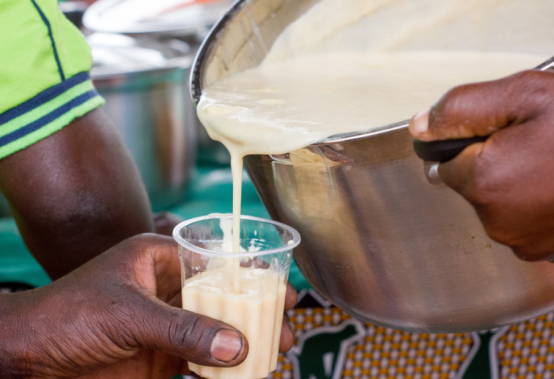
Kunu, also known as Kunu Zaki, is a creamy, nutritious beverage made from fermented grains. It is especially popular in Northern Nigeria. The preparation involves a careful process of soaking, grinding, and fermenting grains.
- Ingredients: The primary ingredient is typically millet, though sorghum or maize can also be used. Spices like ginger, cloves, and sometimes sweet potato are added to provide flavor and sweetness.
- Preparation: The grains are soaked for a day, then ground into a paste. This paste is divided; one part is cooked with boiling water to form a pap, while the other part is mixed in raw. This mixture is left to ferment for one to two days, developing its characteristic slightly sour and spicy flavor.
- Health Benefits: Kunu is rich in fiber, B vitamins, and probiotics from the fermentation process, which aids digestion. It is considered a highly nourishing drink.
Zobo: The Refreshing Hibiscus Elixir
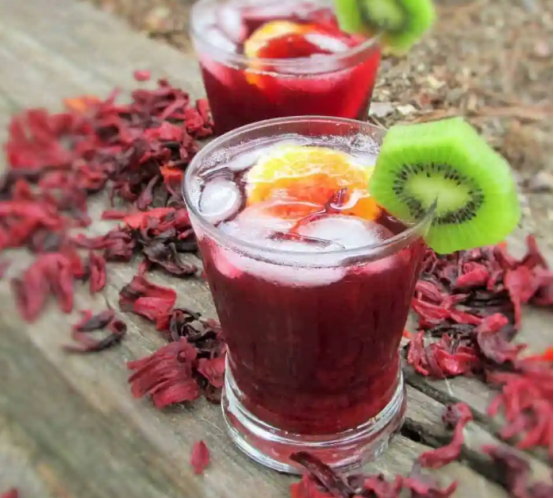
Zobo is another beloved Nigerian drink, known for its vibrant ruby-red color and tangy flavor. It is made from the dried calyces of the Roselle plant (a species of hibiscus). Unlike Kunu, Zobo is not fermented but is often grouped with traditional beverages for its natural preparation.
- Ingredients: The core ingredient is dried hibiscus flowers. It is commonly infused with a variety of flavorings such as ginger, garlic, pineapple, and cloves to create a complex and refreshing taste profile.
- Preparation: The hibiscus flowers are boiled in water with the chosen spices and fruits. After simmering to extract the flavor and color, the liquid is strained and sweetened with sugar or natural sweeteners like pineapple juice. It is then chilled and served cold.
- Health Benefits: Zobo is packed with antioxidants, vitamin C, and is believed to help lower blood pressure and improve liver health.
Beyond the Famous Three: A Glimpse into Other African Beverages
While mint tea, coffee, and fermented grain drinks are iconic, they represent just a fraction of the continent’s rich beverage landscape. Many other traditional drinks play vital roles in their respective cultures, each with a unique history and method of production.
Palm Wine: The Natural Sap of the Palm Tree
Tapped directly from various species of palm trees, palm wine is a naturally fermented, milky-white alcoholic beverage popular in West and Central Africa. When fresh, it is sweet and non-alcoholic, but it begins fermenting immediately after collection due to natural yeasts. Within a few hours, it becomes a mildly intoxicating and effervescent wine that is a staple at social events, weddings, and festivals.
Tej: The Ethiopian Honey Wine
Alongside coffee, Ethiopia is famous for Tej, an ancient honey wine. It is one of the oldest fermented beverages in the world, with a flavor profile that ranges from sweet to dry. Tej is traditionally fermented using the leaves and stems of the gesho plant, which acts as a bittering agent similar to hops in beer. It is typically brewed at home and served in a distinctive, flask-like glass vessel called a berele.
Umqombothi: The Xhosa Sorghum Beer
In Southern Africa, particularly among the Xhosa people, Umqombothi is a traditional sorghum beer with immense cultural importance. It is a thick, creamy, and low-alcohol beverage made from maize meal, sorghum malt, yeast, and water. Rich in B vitamins, it is used in traditional ceremonies to honor ancestors and is a central part of social gatherings, connecting the living with the spiritual world.
Frequently Asked Questions (FAQ)
- What makes Moroccan mint tea’s pouring technique so important?
- The high pour is a critical part of the Atay ritual for two reasons. Functionally, it aerates the tea, which helps to cool it slightly and creates a pleasant, light foam on the surface. Culturally, a skillful, high pour is a sign of an experienced and gracious host, turning the act of serving into a respected art form that honors the guest.
- Is the Ethiopian coffee ceremony performed every day?
- In many Ethiopian households, the Buna is indeed a daily ritual, often performed up to three times a day. It serves as a regular pause in the day for family and neighbors to gather, discuss community matters, and strengthen social bonds. For special guests, it is an almost obligatory sign of hospitality and respect.
- Are Kunu and Zobo alcoholic?
- No, both Kunu and Zobo are traditionally prepared as non-alcoholic beverages. Kunu undergoes a light fermentation process that primarily develops its flavor and probiotic content, but the alcohol level is negligible. Zobo is an infusion, not a fermented drink, and contains no alcohol at all. Both are widely consumed by people of all ages.
- What is the main difference between palm wine and other wines?
- The primary difference lies in the source and process. Traditional grape wine is made by fermenting the juice of crushed grapes. Palm wine, however, is made from the sap of a living palm tree. The sap naturally contains sugars and yeasts, so it begins fermenting on its own almost immediately after being tapped, without the need for added cultures or extensive processing.