
The Ultimate Guide to Exotic African Tropical Fruits: Flavors, Nutrition, and Heritage
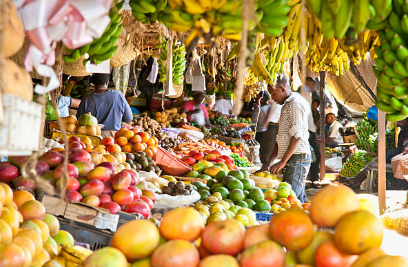
Africa’s vast landscapes, ranging from lush rainforests to arid savannahs, provide the perfect environment for some of the world’s most unique botanical treasures. While global markets have long been dominated by a few standard varieties, the “Orphan Crops” of Africa are finally stepping into the spotlight. These fruits are not just food; they are central to the cultural identity and survival of many local communities.
The Nutritional Powerhouse: Superfruits of the Savannah
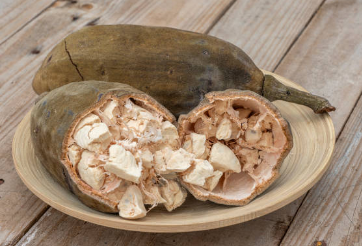
The concept of a “superfood” is often a marketing term, but for many African fruits, the nutritional density is scientifically undeniable. Take the Baobab fruit, for instance. Often called the “Tree of Life,” its fruit pulp dries naturally inside the pod and contains six times more Vitamin C than oranges and twice as much calcium as milk.
The Rise of African Antioxidants
Many of these exotic fruits have evolved to survive harsh climates, leading them to develop high concentrations of protective antioxidants and polyphenols. These compounds help combat oxidative stress in the human body, making these fruits essential for longevity and immune support.
- Baobab: High fiber and Vitamin C content.
- Marula: Rich in Vitamin C and essential fatty acids.
- Kiwano (Horned Melon): High water content and essential minerals like magnesium.
Culinary Applications and Traditional Uses
In many African cultures, these fruits are integrated into daily life far beyond a simple snack. They are used to ferment traditional beers, create thick nutrient-dense porridges, and even act as natural preservatives. The versatility of these fruits is a testament to the culinary ingenuity of the continent.
From Street Food to Fine Dining
Modern African chefs are now reclaiming these ingredients, using the tartness of Hibiscus (Bissap) or the creamy texture of the Safou (African Pear) to create sophisticated sauces and desserts. The Safou, often called “butterfruit,” is particularly unique because it is typically roasted or boiled and eaten with corn, offering a savory, fatty profile rare in the fruit kingdom.
Harvesting and Sustainability Challenges
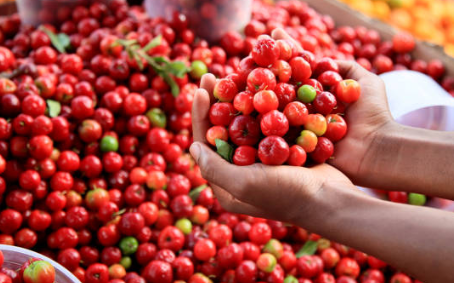
Despite their value, many of these fruits remain underutilized or face threats from habitat loss. Unlike industrial agriculture, most African exotic fruits are wild-harvested. This ensures a low carbon footprint but presents challenges in terms of consistent supply chains and processing infrastructure.
| Fruit Name | Primary Region | Main Benefit |
|---|---|---|
| Baobab | Sub-Saharan Africa | Immune System Support |
| Marula | Southern Africa | Skin Health & Energy |
| Safou | Central/West Africa | Healthy Fats & Amino Acids |
| Ackee | West Africa | Rich in Potassium |
Global Availability and Export Trends
As the demand for plant-based nutrition grows, African fruits are finding their way into international powders, juices, and supplements. However, the goal for many advocates is to export the whole fruit or minimally processed versions to ensure that the economic benefits return to the small-scale farmers and wild-harvesters.
Overcoming Export Barriers
Strict phytosanitary regulations often make it difficult for fresh African fruits to enter European or North American markets. This has led to an increase in high-quality dried fruit products and fruit-derived oils, such as Marula oil, which has become a staple in the global luxury skincare industry.
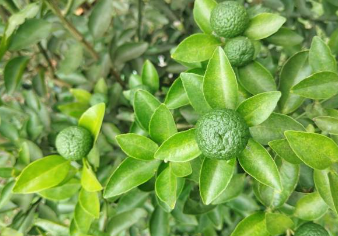
Top 5 Must-Try Exotic African Fruits
If you are looking to expand your palate, these five fruits offer a spectrum of flavors ranging from citrusy-tart to creamy-savory.
- Kiwano (Horned Melon): With its lime-green gelatinous flesh, it tastes like a mix of cucumber, kiwi, and banana.
- Tamarind: Widely used in both sweet and savory dishes, providing a sharp, tangy flavor.
- African Star Apple (Agbalumo): Famous for its sweet-sour taste and chewy texture.
- Waterberry: Small, dark purple fruits that are incredibly juicy and refreshing.
- Monkey Orange: A hard-shelled fruit with a spicy, sweet-and-sour pulp.
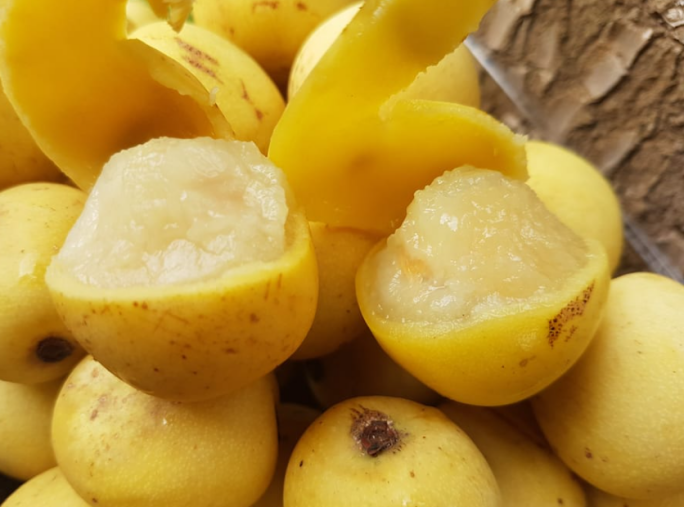
Expert Tips for Selecting and Storing Rare Fruits
Dealing with exotic produce requires a bit of specialized knowledge. Because many of these fruits do not follow the ripening patterns of standard grocery store produce, consumers must look for specific indicators of quality.
Pro Tips for the Exotic Fruit Enthusiast
- Check for Weight: For fruits like the Kiwano, a heavier fruit usually indicates higher water content and better freshness.
- Scent is Key: Many African fruits, like the Star Apple, release a potent, sweet aroma when they are at their peak ripeness.
- Storage Temperature: Most tropical fruits are sensitive to cold. Store them at room temperature until fully ripe before refrigerating to extend shelf life.
- Handling Safou: If you find Safou, remember it needs to be softened by heat (briefly dipping in hot water or roasting) to unlock its buttery texture.
Frequently Asked Questions (FAQ)
- Are these exotic fruits available in local supermarkets?
- While rare in standard stores, many can be found in specialized international markets, African grocery stores, or as dried powders and supplements in health food stores.
- Can I grow African tropical fruits at home?
- Most require a tropical or subtropical climate. However, some species like the Kiwano can be grown in temperate zones during the hot summer months as they are annual vines.
- Is the Baobab fruit eaten fresh?
- The Baobab is unique because the pulp dries naturally inside the shell. It is usually consumed as a dry powder, mixed into smoothies, or dissolved into water to make a refreshing drink.
- What is the best way to eat a Horned Melon (Kiwano)?
- Slice it in half lengthwise and use a spoon to scoop out the vibrant green pulp. It is excellent in fruit salads, cocktails, or even topped with a little salt or sugar.
- Are there any safety concerns with these fruits?
- Most are perfectly safe, but some, like the Ackee, must be harvested at exactly the right time (when they open naturally) to avoid toxicity. Always research specific preparation methods for rare fruits.