Global Flavors Explored: A Deep Dive into Mexican and Italian Culinary Classics
The global culinary landscape is a rich tapestry woven from centuries of tradition, local ingredients, and cultural evolution. Among the most recognizable and beloved contributions to this landscape are the vibrant, hand-held delights of Mexico and the sophisticated, ingredient-focused appetizers of Italy. Understanding these dishes requires more than just a passing glance at a recipe; it demands an appreciation for the structural nuances, the balance of textures, and the historical contexts that have shaped them into the world-renowned staples they are today.
Exploring the Heart of Mexican Cuisine: Tacos and Burritos
Mexican cuisine is celebrated for its bold use of spices, fresh produce, and the versatile use of corn and wheat. At the center of this culinary tradition lie the taco and the burrito. While often grouped together in international fast-food contexts, these two dishes represent distinct regional influences and preparation philosophies. The taco is often seen as the ancient soul of Mexican street food, while the burrito represents a more modern, hearty evolution that gained significant traction in Northern Mexico and the southwestern United States.
Defining the Structural Differences
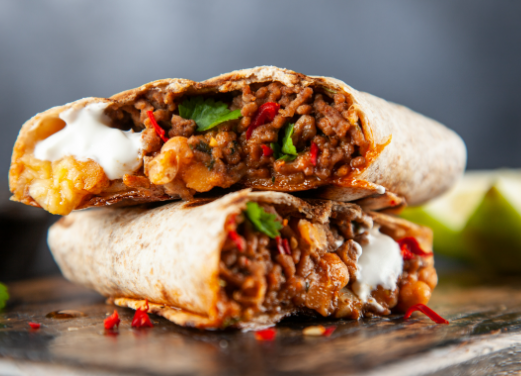
The primary distinction between a taco and a burrito begins with the vehicle of delivery: the tortilla. Tacos typically utilize smaller tortillas, often made from nixtamalized corn, which provides a nutty flavor and a slightly firm texture. They are served open-faced or folded in half, intended to be consumed in a few bites. In contrast, burritos utilize large, pliable flour tortillas. This choice of material is functional; the high gluten content of wheat flour allows the tortilla to stretch and seal around a significant volume of ingredients without tearing.
- Tortilla Material: Tacos prioritize corn (traditional) or small flour; Burritos exclusively use large flour tortillas.
- Assembly Method: Tacos are folded; Burritos are tightly rolled and tucked at the ends to create a self-contained cylinder.
- Portion Size: Tacos are generally served as multiple small portions (3-4 per meal); a single burrito is often considered a full, calorie-dense meal.

The Art of the Burrito: Anatomy and Regional Variations
The burrito is a marvel of culinary engineering. Its design allows for a diverse array of ingredients to be transported easily, making it the ultimate “on-the-go” meal. The internal logic of a well-constructed burrito relies on a balance of proteins, starches, and moisture-rich elements. Unlike the taco, which focuses on a singular protein highlighted by simple garnishes, the burrito is a harmonious blend where every bite contains a mixture of all components.
Core Components and Layering Techniques
A standard burrito is built upon a foundation of protein, such as Carne Asada (grilled steak), Al Pastor (marinated pork), or shredded chicken. However, the inclusion of “fillers”—a term used affectionately in this context—is what defines the burrito experience. Mexican rice, seasoned with tomato and cumin, and beans (either whole black beans or creamy refried pinto beans) provide the necessary bulk and earthy undertones. To achieve the perfect mouthfeel, chefs often add melted cheese, sour cream, and guacamole, which act as lubricants for the drier elements like rice and meat.
| Component | Traditional Role | Common Variations |
|---|---|---|
| Protein | The flavorful centerpiece | Carnitas, Chorizo, Barbacoa |
| Starch | Provides structure and satiety | Mexican Red Rice, Cilantro Lime Rice |
| Legumes | Adds creaminess and protein | Refried Beans, Seasoned Black Beans |
| Fat/Acid | Balances the heavy elements | Guacamole, Crema, Pico de Gallo |

The Timeless Appeal of Tacos: Traditional Fillings and Styles
If the burrito is a symphony, the taco is a solo performance. The beauty of a taco lies in its minimalism. In traditional Mexican “taquerías,” the focus is entirely on the quality of the meat and the freshness of the salsa. The tortilla is not merely a wrapper but a vital flavor component that must be served warm, often lightly charred on a “comal” (griddle) to release its aromatic oils. This simplicity allows the nuances of the preparation—such as the smoky depth of grilled meats or the bright acidity of a lime-infused marinade—to shine through clearly.
Regional Taco Varieties
Across Mexico, the taco adapts to the local geography. In coastal regions, Baja-style fish tacos dominate, featuring crispy battered white fish topped with shredded cabbage and a tangy cream sauce. In central Mexico, Tacos al Pastor are king—influenced by Lebanese immigrants, these feature spit-roasted pork marinated in dried chilies and achiote, served with a slice of pineapple to provide a sweet counterpoint to the savory meat. The “street taco” style, ubiquitous in urban centers, usually consists of finely chopped meat, diced white onions, fresh cilantro, and a squeeze of lime, proving that complexity is not always a prerequisite for excellence.

Italian Flair in Every Bite: The Secrets of Perfect Bruschetta
Shifting focus to the Mediterranean, we encounter Bruschetta, a classic Italian antipasto that embodies the philosophy of “simplicity perfected.” Originating as a way for farmers to taste the quality of their newly pressed olive oil, bruschetta has evolved into a sophisticated starter. The name comes from the Roman dialect verb “bruscare,” meaning “to roast over coals.” At its core, bruschetta is toasted bread, but the execution of that toast determines the success of the dish.
The Three Pillars of Authentic Bruschetta
To create a truly authentic bruschetta, one must pay meticulous attention to the bread, the garlic, and the oil. The bread must be a high-quality, crusty loaf—ideally a rustic Italian sourdough or ciabatta. It is sliced thickly and grilled until the exterior is crunchy while the interior remains slightly chewy. While the bread is still hot, a clove of raw garlic is rubbed directly onto the surface. The heat of the bread melts the garlic, infusing the crumb with a pungent, aromatic essence that cannot be replicated by using garlic powder or pre-minced varieties.
The Tomato and Cheese Evolution
While the original bruschetta was simply bread, oil, and salt, the most popular contemporary version features a topping of marinated tomatoes. This requires “Roma” or “San Marzano” tomatoes, diced and drained of excess juice to prevent the bread from becoming soggy. The addition of cheese—specifically fresh mozzarella or a dusting of aged Parmigiano-Reggiano—adds a layer of richness. For a “Caprese-style” bruschetta, large pearls of mozzarella are nestled among the tomatoes and finished with a chiffonade of fresh basil and a drizzle of thick balsamic glaze.

Mastering Global Flavors at Home: Techniques and Ingredients
Bringing these international flavors into a home kitchen requires a focus on technique rather than just following a list of ingredients. For Mexican dishes, mastering the “salsa” is paramount. A salsa is not just a condiment; it is a seasoning tool that provides the necessary acidity to cut through the fat of the meats. Whether making a “Salsa Verde” with roasted tomatillos or a “Salsa Roja” with toasted guajillo chilies, the balance of heat, salt, and acid is the key to authenticity.
When preparing Italian bruschetta, the quality of the olive oil is the single most important factor. Use “Extra Virgin” olive oil that is cold-pressed and, if possible, has a peppery finish. This oil acts as the bridge between the toasted bread and the fresh toppings. Furthermore, temperature management is crucial; the bread must be warm when the garlic and oil are applied, but the tomato topping should be at room temperature to ensure the flavors are fully expressed and not muted by refrigeration.
Frequently Asked Questions (FAQ)
- Q1: Can I use flour tortillas for tacos?
- Yes, flour tortillas are commonly used for tacos in Northern Mexico (Tacos de Arrachera, for example). However, they are typically much smaller than the tortillas used for burritos and are not rolled, but rather folded or served flat.
- Q2: What is the best way to prevent bruschetta from getting soggy?
- The secret lies in two steps: first, ensure your bread is toasted until it has a significant “crust” or barrier. Second, after dicing your tomatoes, salt them in a colander for 10 minutes to draw out excess water before mixing them with oil and herbs.
- Q3: Is a burrito considered traditional Mexican food?
- The burrito has roots in Northern Mexico (specifically Chihuahua), but the oversized, ingredient-stuffed version known today (the “Mission-style” burrito) was largely popularized and developed in San Francisco, California.
- Q4: What type of cheese is most authentic for Mexican tacos?
- Traditional street tacos rarely use cheese. However, if cheese is used, it is typically a crumbly, salty variety like Cotija or a melting cheese like Queso Oaxaca. Yellow “shredded cheese blends” are a characteristic of Tex-Mex, not traditional Mexican cuisine.
- Q5: Can bruschetta be made ahead of time for a party?
- You can prepare the tomato topping up to 2 hours in advance, but the bread should be toasted and assembled just before serving. If assembled too early, the moisture from the tomatoes and oil will inevitably soften the bread, losing the signature crunch.